What Happens When A State Park Gets Too Popular
According to the National Association of State Park Directors, state parks receive more than 867 million visits each year. While that level of visitation is a testament to the popularity of state parks, these public spaces have their limits. If state parks become too popular, they risk damaging the environments they were created to protect. As visitation increases, state parks risk environmental damage, overwhelming crowds, safety concerns, and operational issues. When visitation exceeds what a park's environment and infrastructure can handle, the places that communities rely on for recreation, education, and conservation can suffer.
Environmental Damage

When visitation exceeds a park's capacity, repeated foot traffic can compact soil, reducing water infiltration and limiting the oxygen available to plant roots. According to Modern Conservationist, compacted soil can also contribute to trail erosion as water flows along heavily used paths. This runoff can wash away topsoil, exposing and destabilizing tree roots. Heavy foot traffic also destroys plant species and leads to habitat fragmentation. One prominent example is Point Lobos State Natural Reserve. Called the "Crown Jewel" of California State Parks, the reserve attracts more than 1 million visitors annually. That popularity has contributed to environmental degradation. Heavy foot traffic stripped the reserve's coastal bluffs of their native vegetation, contributing to erosion and altering portions of the California coastline.
Other forms of damage can be brought about by human waste, which can pollute water sources and trigger toxic growth. Visitors who hike in unauthorized areas stir up mud that clouds water and blocks the sunlight plants need to survive. According to the National Park Service, chemical pollution from excess sunscreen in waterways harms fish and other wildlife. Habitats are also fragmented as humans disrupt migration and prevent animals from essential mating and watering grounds. As they struggle to adapt, they have to change their schedules and become habituated to human crowds that disturb their way of life.
Overwhelming Crowds
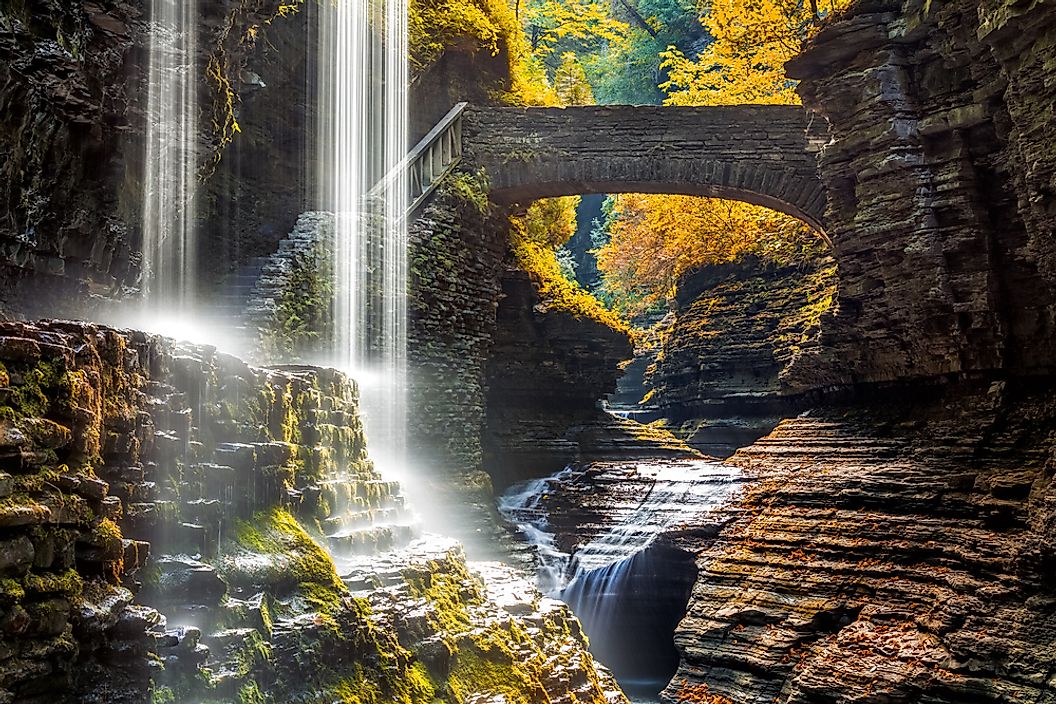
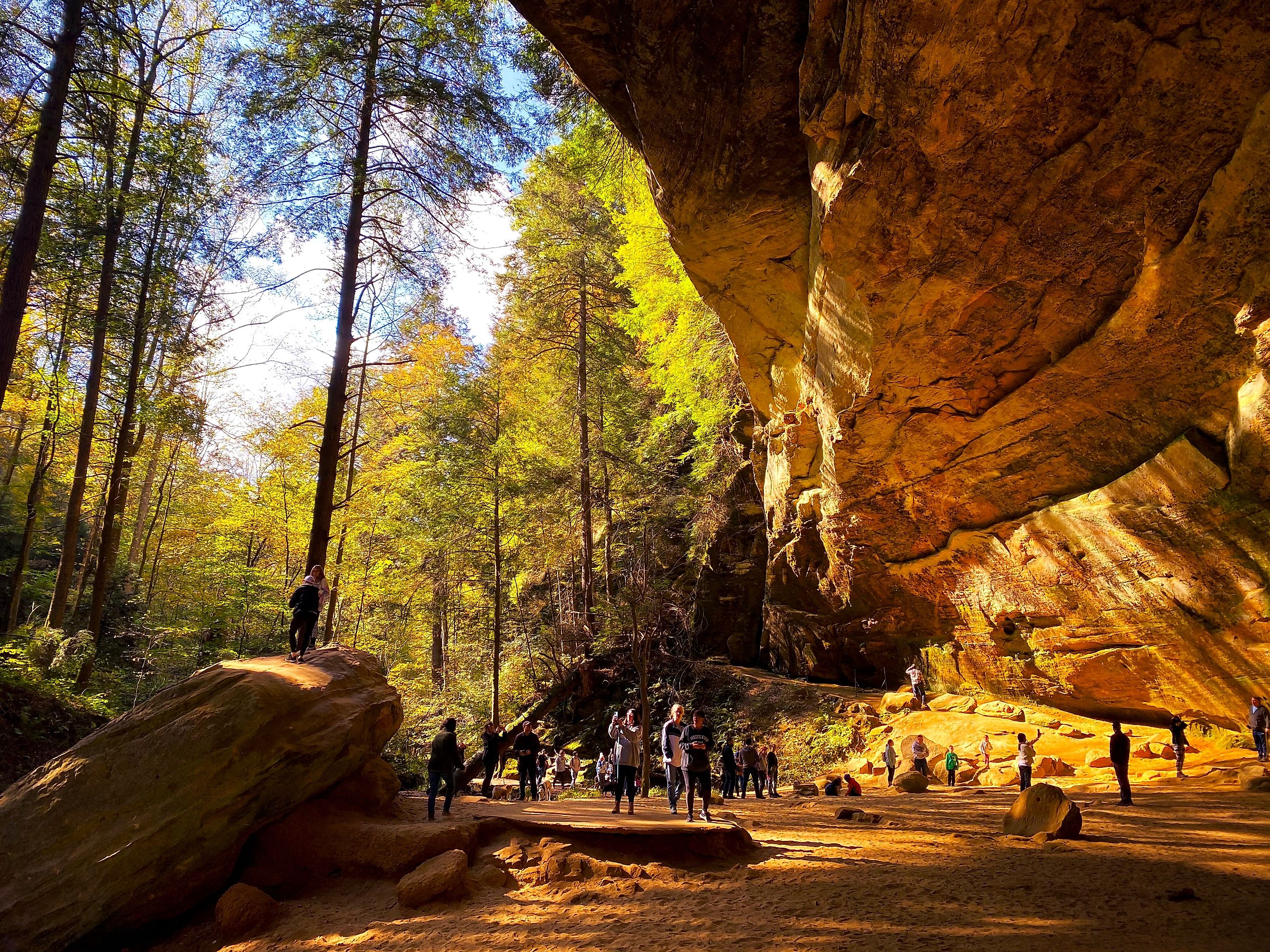
When crowds become overwhelming, state parks can lose the peaceful atmosphere that attracts visitors in the first place. Congested boardwalks, noisy visitor centers, and crowded trails can make it difficult to navigate the park or enjoy the natural surroundings.
Watkins Glen State Park in New York demonstrates the challenges that can come with extreme popularity. Drawing in 1.2 million visitors in 2023, its popular Gorge Trail faces significant challenges from heavy visitation. The roughly one-mile trail passes 19 waterfalls through a narrow gorge. The narrow passage can make it difficult to accommodate large crowds, while slow-moving lines can diminish visitor experiences. With steep stone steps, waterfalls, and confined sections, congestion can make navigating the gorge more difficult and diminish the experience for visitors.
Safety Risks

Overcrowding can also turn a frustrating visit into a serious safety concern. Heavy visitation can create additional safety challenges, particularly when narrow trails, congested roads, and limited emergency access are involved. The National Park Service warns that visitors can negatively affect wildlife by leaving waste behind, crowding animals, or feeding them, potentially causing wildlife to become habituated to humans. Finally, the crowds put both humans and wildlife at risk for disease transmission, leaving behind long-term consequences for overpopulated parks.
In 2020, Utah's Gunlock State Park became overwhelmed when crowds rushed the area during extreme weather conditions. Visitors attempting to escape the crowds climbed onto high cliffs, causing several injuries when people fell off the slippery slopes. Emergency responders were gridlocked and unable to reach injured visitors. Park rangers had to forgo their usual work to monitor visitor safety and incoming traffic. Eventually, the overcrowding became so problematic that state officers were forced to cut the water flow to the waterfalls.
Operational Issues

When crowds exceed park capacity, park operations become increasingly strained. Staff are often overwhelmed as they are reassigned to crowd management and other duties. Rangers may find themselves directing traffic and breaking up fights, instead of educating visitors and protecting the environment. Educational tours, school programs, and campfires are canceled. Volunteers can also become burned out, making it harder to maintain trails and control litter. Overcrowding can also cause infrastructure failures.
Eldorado Canyon State Park in Colorado has also faced operational challenges associated with heavy visitation. Traffic disrupted its safety patrols and environmental safety programs. Trails and park infrastructure began to deteriorate, taking funding away from park upgrades. The park introduced a reservation system to reduce overcrowding. Firefighters and police officers are also called to maintain control, taking resources from the greater community. Parks struggle with their missions, leaving communities without the education and protection that they deserve.
Wrapping Up
State parks provide recreation and educational opportunities for millions of people each year while protecting some of the country's most important natural landscapes. When visitation overwhelms these parks, the consequences can affect visitors, employees, wildlife, and the environments the parks were created to protect.
To prevent overcrowding, many turn to gate control, upgrading infrastructure, and off-peak incentives. The next time you head to a state park, consider the hard work of these essential public spaces. Following park rules, volunteering, and coming in on off-peak days helps to reduce strain on these popular public spaces. Protecting state parks allows them to remain valuable spaces for recreation, education, and conservation for generations to come.