What Happens If You Camp Off-Trail In A State Park
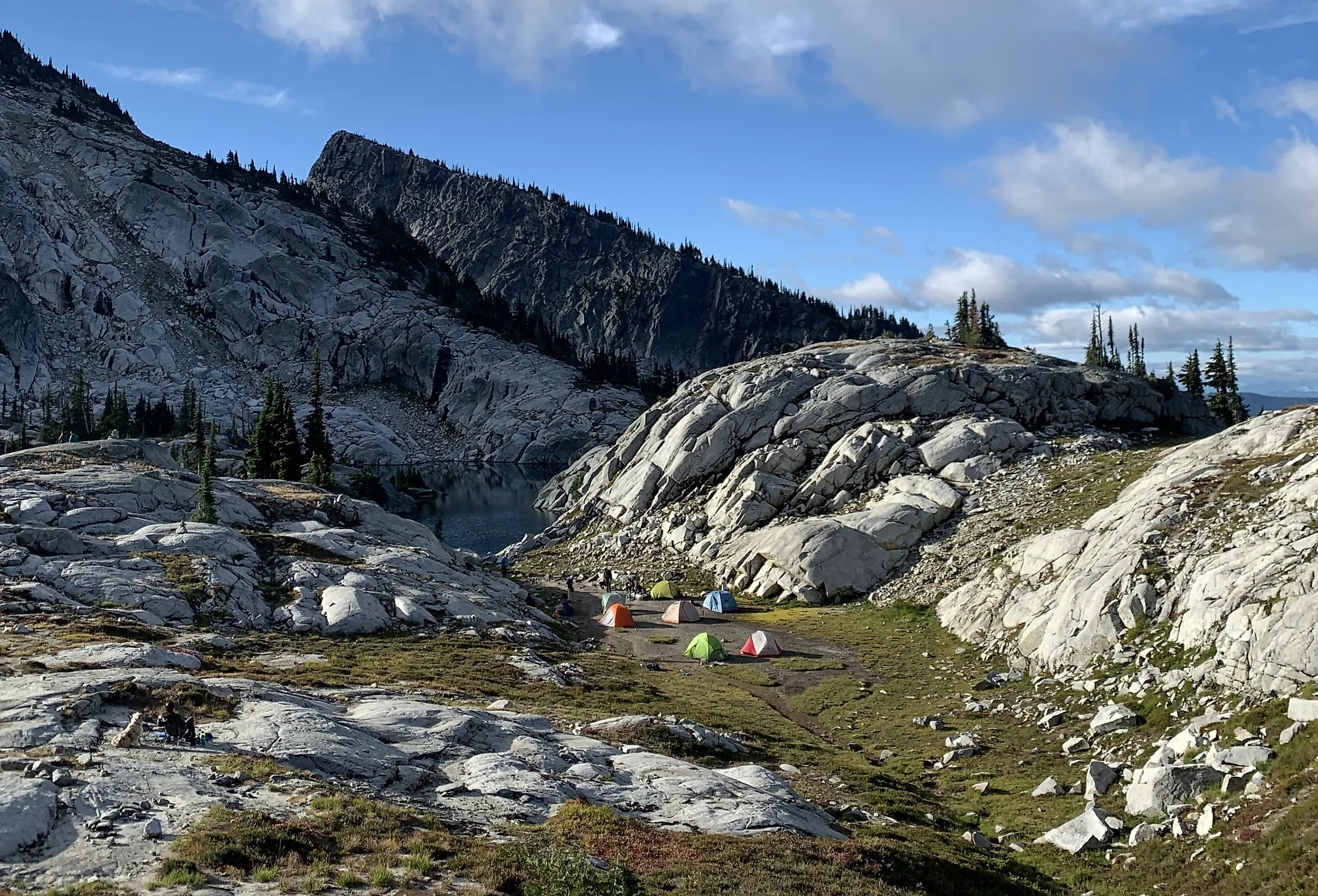
US state parks receive more than 867 million visits annually, according to the National Association of State Park Directors. Although most are day visits, that figure also includes overnight stays. Before pitching a tent, know the rules: authorized camping locations and permit requirements vary by state and park. Violations can lead to removal, citations, or fines, and in serious cases, criminal enforcement. Camping in unauthorized or off-trail areas can also leave visitors lost or injured and damage valuable park infrastructure. The risks extend beyond campers to the parks themselves. Here is what could happen when you camp off-trail.
Search and Rescue Concerns

One of the most important reasons for abiding by state park rules is safety. Posted rules and permit systems can reduce risk and, where registration is required, give responders useful information during an emergency. This is especially important when you consider that the parks house forests, wetlands, rivers, and diverse wildlife. Traveling or camping in unmarked areas can increase the risk of getting lost, encountering wildlife unexpectedly, or suffering an injury far from assistance. Going beyond designated areas can expand the area search-and-rescue teams must cover.

Unmarked or unmaintained areas can make navigation and emergency communication more difficult, especially where cell service and identifiable landmarks are limited. Resources are diverted, as rangers, K9S, and volunteers are pulled away from their usual routines. Medical support may also be delayed as it becomes harder to navigate terrain, making it harder for injured persons to survive. Many agencies do not routinely charge for rescues, but policies vary. New Hampshire may recover costs from a person found negligent in requiring a rescue. Statutory exceptions apply to holders of qualifying licenses, registrations, or a Hike Safe card. The state's Fish and Game Department bills the responsible person directly, and unpaid bills can be pursued through legal action.
Environmental Risks

Camping off-trail is not only a risk to campers, but it is also a risk to the environment the park supports. Undesignated areas are not managed to withstand regular human activity. Human presence disrupts the park's fragile ecosystems. Human foot traffic and tents compress the soil, damaging vegetation and increasing erosion. Unofficial paths can damage habitat and disturb wildlife. The severity of the effects depends on the species, the season, the location, and how much use the site gets. Improperly disposed waste can also introduce harmful pollutants to waterways. Chemicals from soap and sunscreen can pollute water and disrupt aquatic ecosystems. Unauthorized or unattended campfires can scorch vegetation, cause lasting site damage, and potentially ignite wildfires.
Citations and Fines

With so many risks at play, it is clear to see why enforcement is necessary for off-trail campers. Depending on the park, off-trail campers may receive verbal and written warnings to leave the area. They are often told to pack their tents and bags and move their camping equipment to assigned areas. If they do not comply, the situation is escalated through citations and fines. A citation is an allegation or notice of a violation. Officers may issue one with or without a prior warning, depending on the law, agency policy, and circumstances. They often come alongside fines and reprimands. New Jersey illustrates how the rules are written: its State Park Service Code bars camping anywhere except areas designated and marked for it, and requires a permit and site assignment first. Violations of the code may result in civil penalties under N.J.S.A. 13:1L-23. That section sets a floor of $50 and a ceiling of $1,500 for each offense, plus restitution where it applies.
Confiscation of Property

Property may be collected when it is evidence, lawfully taken for safekeeping, found, or reasonably considered abandoned. In California, temporarily unattended belongings are not automatically abandoned, and qualifying unclaimed property generally must be held for at least 90 days before it may be auctioned or destroyed. During that window, the property custodian is expected to try to reach the owner by phone or mail when there is enough identifying information, and to post a notice where the items were found when that is practical. Property the owner genuinely walked away from is treated differently, since intentionally abandoned items can simply be removed from parkland. New Jersey operates on a similar clock: found articles go to the park superintendent, a receipt is issued, and anything unclaimed after 90 days is disposed of under a policy that each park must post.
Arrest

In more serious cases, campers may face arrest. Depending on the jurisdiction and the conduct, a park violation may result in a civil penalty, an infraction, or a misdemeanor. Separate conduct, such as knowingly entering a closed area, may support a trespass charge. In certain circumstances, property such as camping equipment and cars could be impounded. If criminal charges are filed, the required court process and any possible sentence depend on the jurisdiction, offense, and outcome of the case.
Things to Consider When Camping
Camping is an adventure that millions of people enjoy each year. It is a way to get outside, spend time with loved ones, and experience the uncertainties of nature. However, it is important to remember and respect the state parks' rules. Violating park rules can expose campers to enforcement and safety risks and can damage the surrounding environment. When heading to state parks, visit their websites for official rules. Talk to park rangers when you have concerns, and always consider your safety and the park's well-being. Refusing to do so can lead to costly consequences that are certainly not worth the hassle. Campers should use only locations authorized by the park's current rules and obtain any required permit. Doing so is the best way to protect themselves, the parks, and the natural environments they came to enjoy.