The State Parks Where The Water Runs Clearest In Late Fall
Summer may draw the biggest crowds to these destinations, but late fall brings quieter shorelines and, in some places, even clearer water. At Lake Tahoe, underwater boulders are visible nearly 70 feet below the surface, while Florida's freshwater springs offer views of fish and aquatic plants in remarkable detail. Cooler temperatures can slow algae growth, although storms and seasonal changes can temporarily reduce visibility. Featuring both deep blue mountain lakes and spring-fed rivers, these six state parks offer some of America's clearest waters well beyond the summer season.
D.L. Bliss State Park

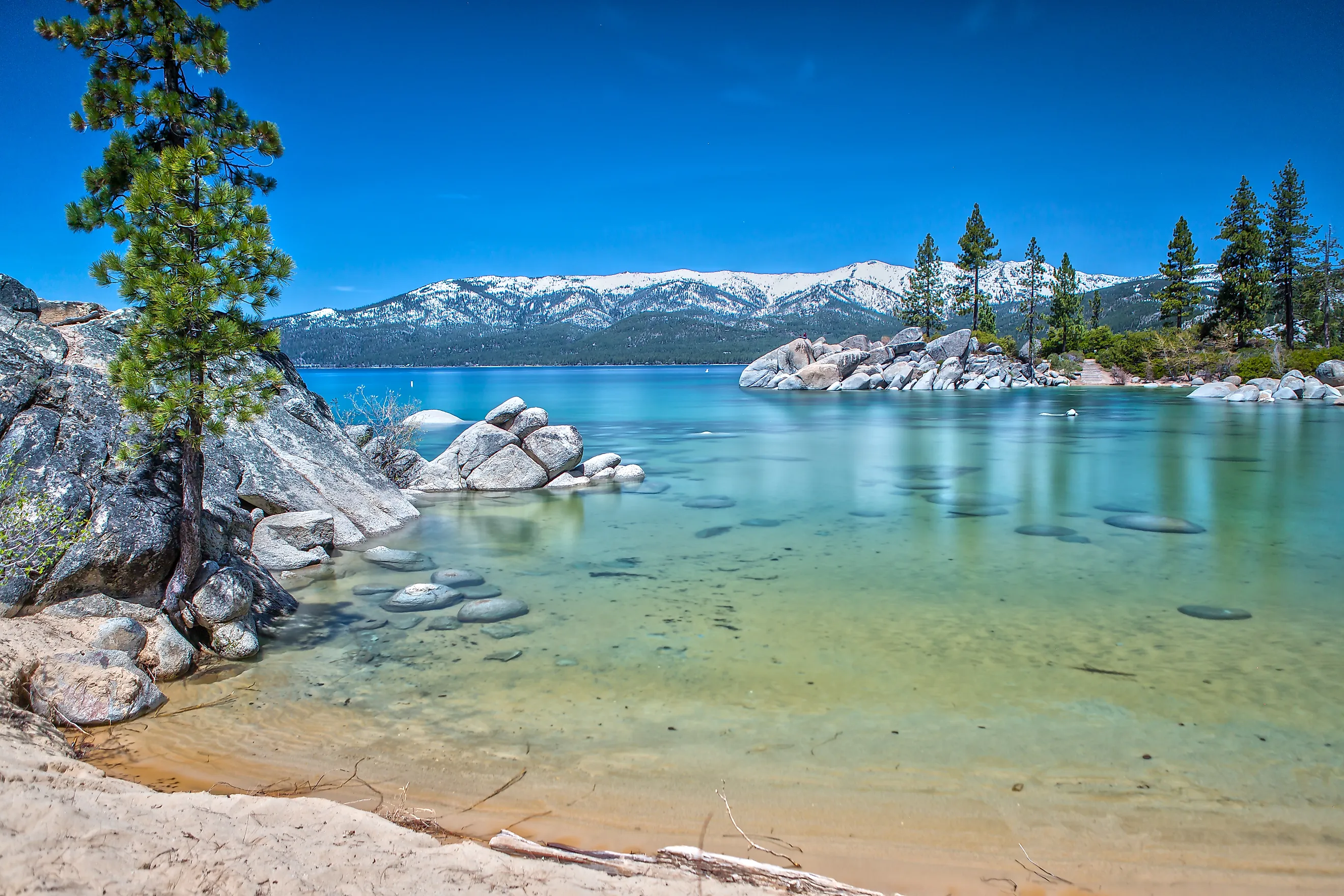
Along Lake Tahoe's western shore in California, D.L. Bliss State Park offers views of submerged granite boulders beneath the lake's famously blue water. The rocky coves around Lester Beach and Calawee Cove are particularly striking when the lake is calm. As summer ends, fewer swimmers and boats make the shoreline a quieter place to appreciate the scenery.
According to the University of California, Davis, Lake Tahoe's average water clarity reached 69.2 feet in 2025, approximately 7 feet better than in 2024. Researchers measure clarity using a white Secchi disk lowered into the lake until it disappears from sight. Tahoe's water generally becomes clearer during the colder months, although its best visibility often occurs in winter rather than late fall.
For photographers and hikers, the lake's underwater rock formations are particularly appealing. However, California State Parks closes the road into D.L. Bliss to vehicles during the off-season, beginning October 1. Visitors can still walk into the park, but reaching the beaches requires a steep hike of approximately two miles from the visitor center parking area.
Ichetucknee Springs State Park

Eight major springs feed the six-mile Ichetucknee River in northern Florida, creating a remarkably clear waterway surrounded by hardwood forests. At Ichetucknee Springs State Park, aquatic grasses, turtles, and fish can be seen beneath the surface, especially along the upper stretches of the river.
Unlike lakes that experience seasonal changes in algae growth and water circulation, the Ichetucknee receives a continuous supply of groundwater. Its springs maintain relatively stable temperatures and clear conditions throughout the year. Heavy rainfall and flooding can affect visibility, but cooler weather makes late fall an appealing time to explore without the peak summer crowds.
The Florida State Parks system specifically recommends canoeing and kayaking along the upper river during the cooler months. Visitors can also swim or snorkel at the headspring and Blue Hole Spring, where the water remains around 72 degrees Fahrenheit. Swimming and snorkeling are not permitted along the river itself to protect its sensitive ecosystem.
Sebago Lake State Park

At Sebago Lake State Park in Maine , the deep blue water contrasts with forests that turn shades of gold, orange, and red during autumn. The park occupies part of the lake's northern shoreline, providing access to beaches, wooded trails, and the nearby Songo River.
The Portland Water District has monitored Sebago Lake since the 1970s. Its 2025 assessment recorded a long-term average Secchi depth of 10.3 meters, or approximately 34 feet, in Lower Bay. The report found no statistically significant long-term change in clarity, identifying Sebago as consistently one of Maine's clearest lakes.
Monitoring extends into the fall, including November measurements, although the lake does not necessarily reach its greatest clarity during that month. Rainfall, wind, and seasonal water circulation can produce temporary changes. Still, Sebago's consistently transparent water makes it an appealing destination long after the summer swimming season ends. The park remains open year-round, with shoreline walks and forest trails offering opportunities to enjoy the lake without entering the increasingly cold water.
Ahern State Park

Lake Winnisquam in New Hampshire remains remarkably clear as autumn progresses. On October 22, 2026, the Winnisquam Watershed Network reported that water clarity remained high and stable even after the lake completed its seasonal turnover, when cooling temperatures and wind mix the upper and lower layers of water.
Ahern State Park provides a quieter place to experience the lake, with 128 acres of protected land and approximately 3,500 feet of shoreline. Its wooded trails lead toward the water, where the surrounding forest creates an attractive late-fall setting. Unlike the more developed recreation areas around New Hampshire's larger lakes, Ahern has limited facilities and typically operates without park staff.
The lake's clarity is closely monitored by the Winnisquam Watershed Network, which tracks changes in water transparency, temperature, and seasonal mixing. Although conditions vary with rainfall and wind, the organization's late-October 2026 observations provide direct evidence of clear water continuing well beyond summer. Visitors should be aware that the park's parking lot is not plowed during winter and facilities are unavailable.
Silver Springs State Park

At Silver Springs State Park in central Florida, visitors can look through the bottom of a boat and see the underwater landscape without getting wet. The park's famous glass-bottom boats travel over remarkably transparent springs, revealing aquatic vegetation, fish, and submerged features beneath the surface.
The springs feed the Silver River, which flows through forests of cypress and other native trees. Because the water comes from underground sources, its clarity is less dependent on seasonal surface temperatures than that of many northern lakes. Rainfall and other environmental conditions can still affect visibility, but the springs provide an impressive underwater view throughout the year.
According to Florida State Parks, glass-bottom boat tours operate daily, and visitors can also explore the river by canoe or kayak. Late fall offers cooler conditions for paddling and hiking, with fewer of the intense summer temperatures associated with central Florida. Swimming and fishing are prohibited in the Silver River, making boat tours and paddling the primary ways to observe its clear water.
South Higgins Lake State Park

Higgins Lake is among Michigan's clearest inland lakes, with underwater visibility regularly extending beyond 30 feet. South Higgins Lake State Park protects approximately one mile of shoreline, where the lake's blue-green water meets sandy beaches and wooded recreation areas.
The Michigan Cooperative Lakes Monitoring Program has collected clarity information from Higgins Lake's southern basin since 1974. Between 2019 and 2023, Secchi depth averaged 36.4 feet, with individual measurements ranging from 27 to 51 feet. In 2024, readings ranged from 28 to 47 feet, although too few measurements were collected to calculate a reliable annual average.
Higgins Lake is classified as oligotrophic, meaning its relatively low nutrient levels limit algae growth and contribute to its high transparency. Although the monitoring data do not establish late fall as the lake's clearest season, its consistently high visibility makes it an attractive autumn destination. Visitors can enjoy the shoreline, go fishing, or explore the trails surrounding nearby Marl Lake, a quieter body of water within the state park.
The Clearest Waters Don't Disappear When Summer Ends
Late fall brings a different atmosphere to each of these state parks. Lake Tahoe's submerged boulders remain visible beneath deep blue water, while Florida's spring-fed rivers continue flowing through green aquatic vegetation. Farther north, the clear lakes of Maine, Michigan, and New Hampshire reflect the changing seasons along their wooded shores. Water transparency varies with weather and local conditions, but these parks demonstrate that some of America's most striking freshwater scenery remains accessible after the summer crowds have gone.