The Rivers Where Smallmouth Bass Grow Largest
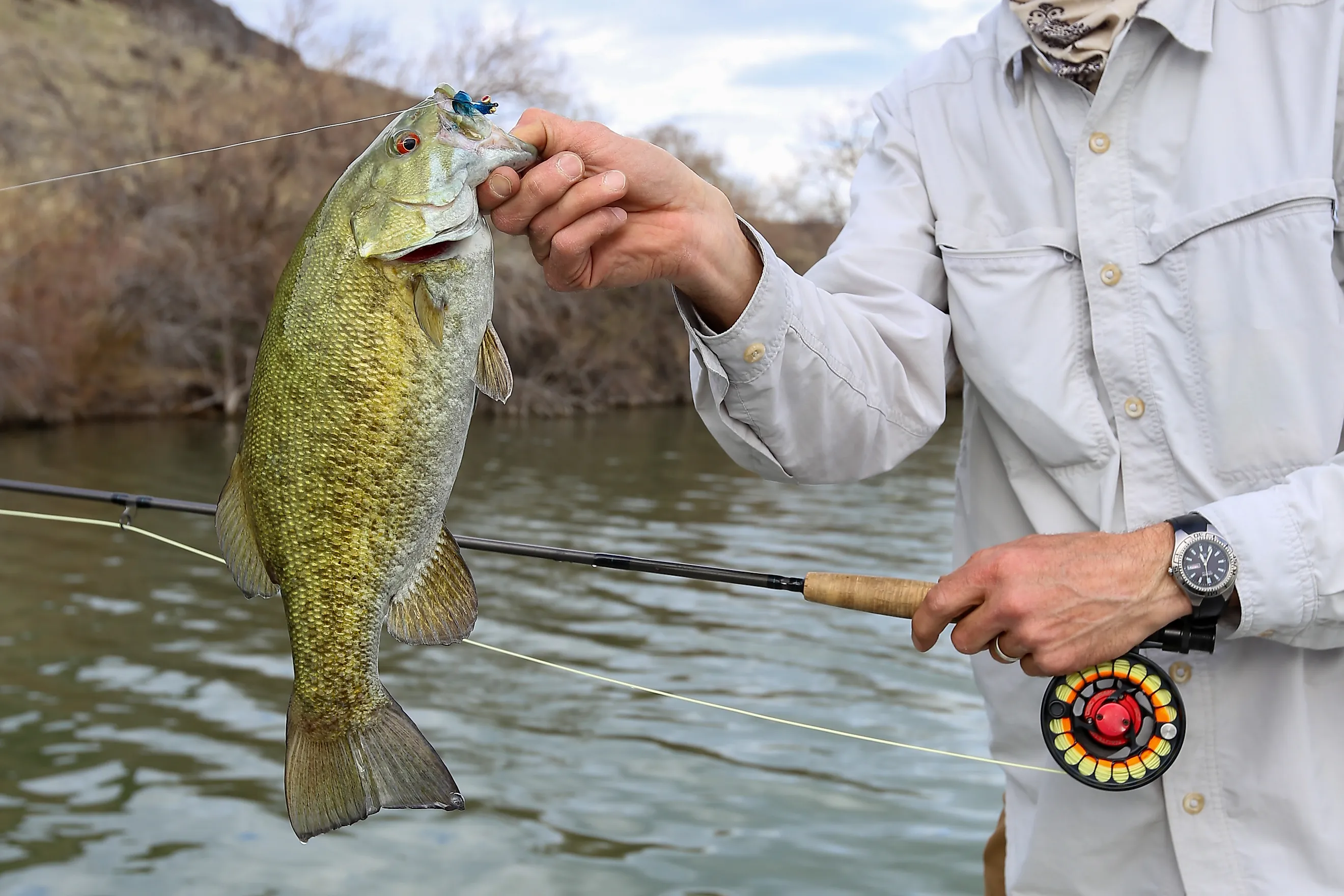
The smallmouth bass, or "bronzeback" to the people who obsess over them, punches so far above its weight that plenty of anglers rank it as the hardest-fighting freshwater fish there is, pound for pound. And in exactly the right river, that scrappy little brawler can get shockingly large. The recipe is simple: cool, clear, rocky water absolutely loaded with crayfish and baitfish. A handful of American rivers cook it up better than anywhere else, and these are the ones where smallmouth grow to true trophy size.
St. Lawrence River, New York

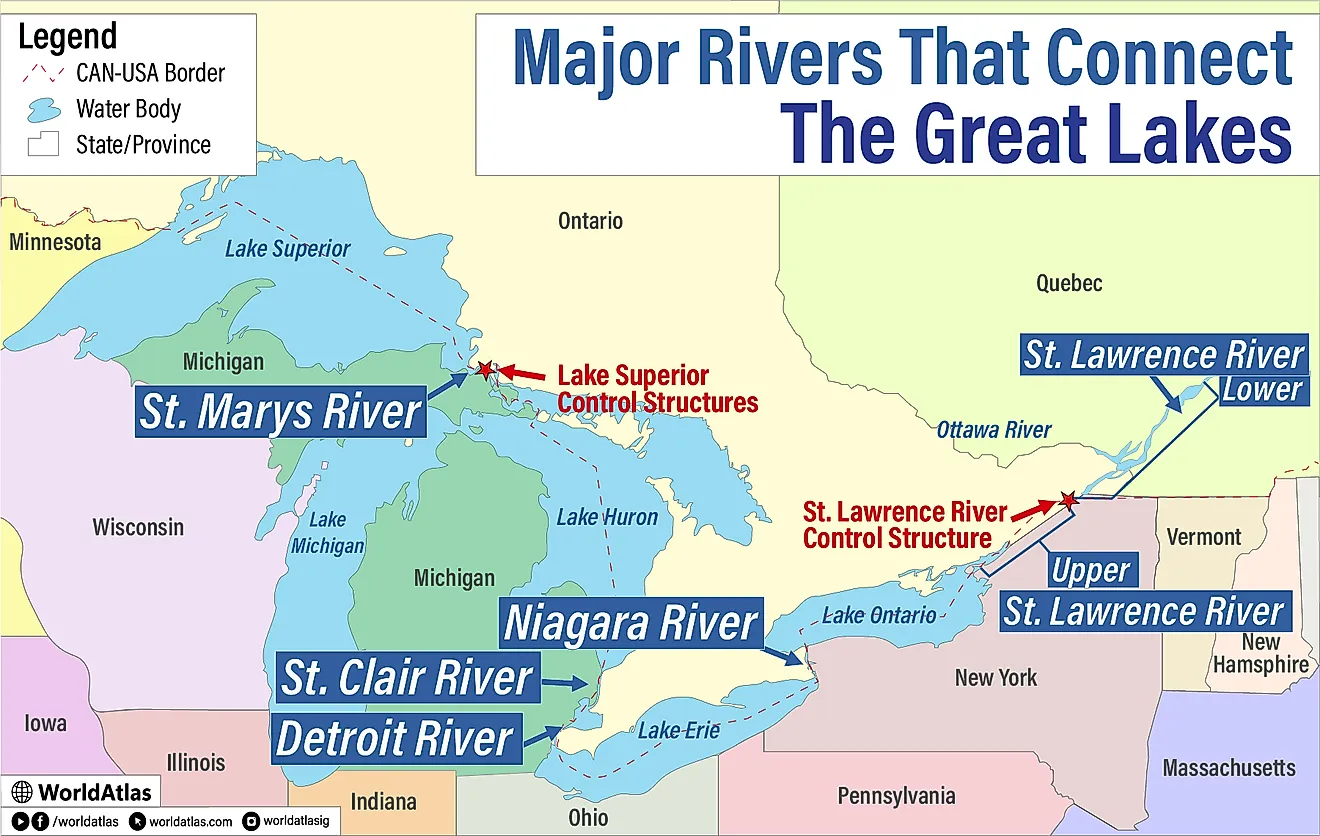
If there is a king of big-river smallmouth, this is it. The mighty St. Lawrence, pouring out of Lake Ontario along the New York border, cranks out trophy smallmouth in numbers no other river can touch. The proof is in the tournament results: at the top professional level, it now takes more than 100 pounds of smallmouth over a few days to win here, which pencils out to an average north of 5 pounds per fish. A big reason is the invasive round goby, an all-you-can-eat protein bar the bass have been happily packing weight onto. When the experts are asked where to catch the smallmouth of a lifetime, this is the first name out of their mouths.
Columbia River, Washington and Oregon

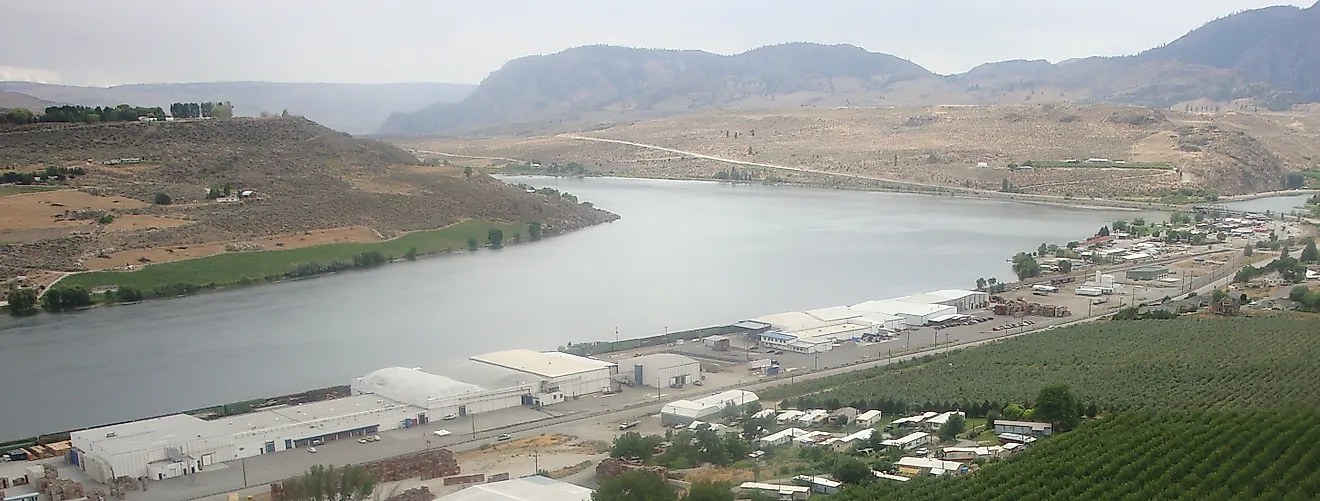
Out west, the Columbia is the giant-smallmouth capital. The bass are not even native here, but they have thrived so wildly in the big river and its slackwater pools that the Columbia and its tributaries, like the John Day, routinely produce fish that would be the catch of a lifetime almost anywhere else in the country. Long growing seasons, wall-to-wall forage, and endless stretches of rocky habitat let these transplanted bronzebacks bulk up to sizes that keep the Pacific Northwest on every serious smallmouth angler's bucket list.
Susquehanna River, Pennsylvania

The Susquehanna is the stuff of East Coast smallmouth legend. Winding some 400-plus miles through Pennsylvania and New York, this famously shallow, rocky river is packed with the ledges, boulders, and grass beds that smallmouth adore, and it has a long track record of coughing up genuine giants. Wildlife officials once confirmed a 7-pound smallmouth pulled from its North Branch, a monster by any measure. Ask around, and you will find no shortage of grizzled anglers who will tell you, flat out, that they caught the biggest bronzeback of their entire life somewhere on the Susky.
New River, Virginia and West Virginia

Despite the name, the New River is ancient, frequently called the oldest river in North America, and it has spent generations building a reputation as one of the finest trophy smallmouth fisheries in the East. In Virginia's citation program, where a smallmouth has to hit 20 inches or 5 pounds to even qualify, the New consistently ranks near the very top, kicking out dozens of certified trophies every year. Its mix of deep runs, boulder-strewn pools, and shallow rocky riffles is just about a perfect blueprint for growing big bass.
Snake River, Idaho

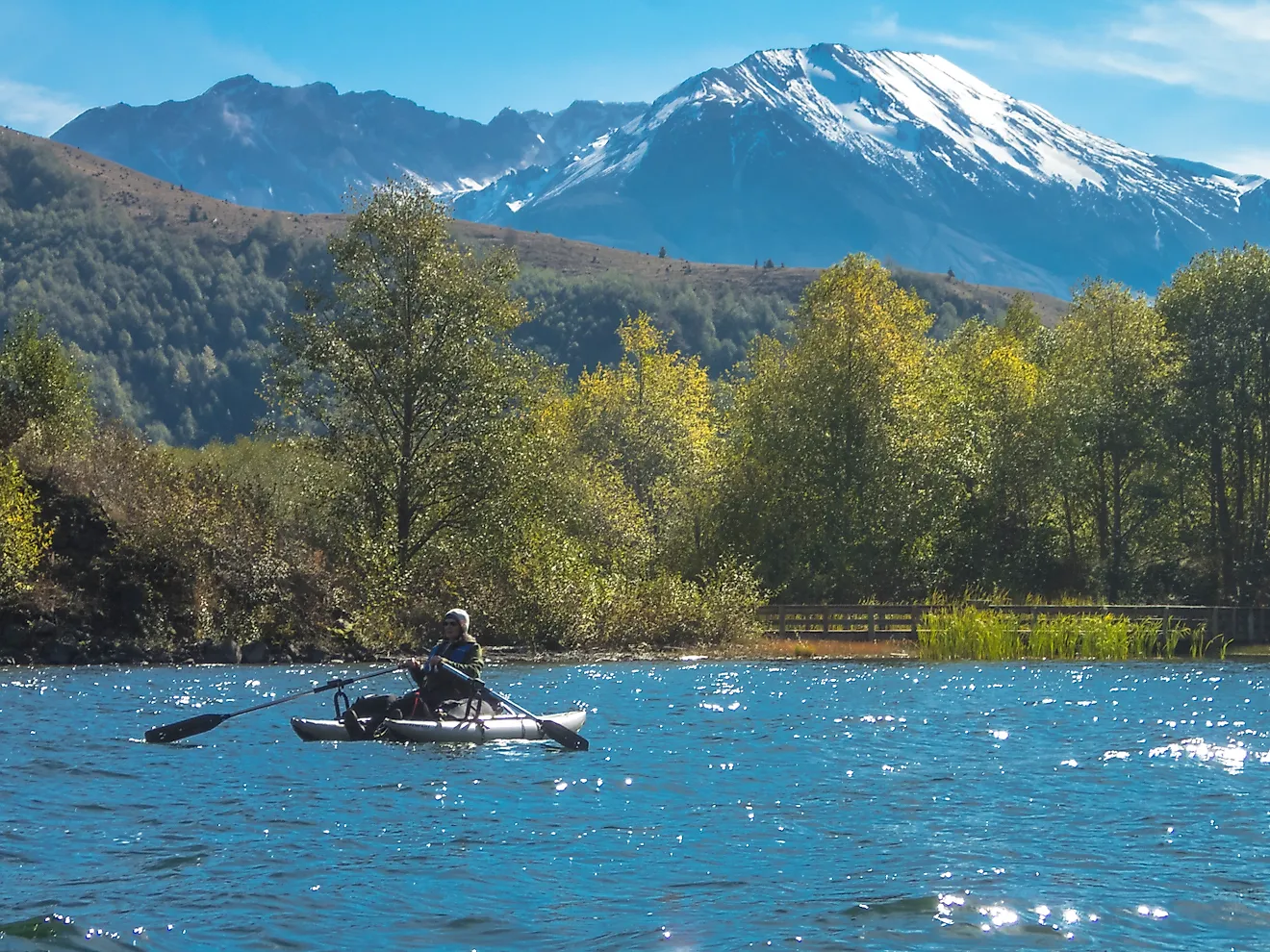
The Snake, especially through the deep and remote canyons along the Idaho-Oregon border, is a Western sleeper that quietly grows big, healthy smallmouth. The same rugged, rocky, hard-to-reach water that makes it a bucket-list rafting run also keeps fishing pressure low and the bass fat on crayfish. Anglers willing to put in the effort to get out there are rewarded with thick, hard-charging bronzebacks set against some of the most jaw-dropping canyon scenery in the country.
Upper Mississippi River, Minnesota and Wisconsin

Most people picture whiskered catfish when they think of the Mississippi, but way up north, along the Minnesota-Wisconsin border, the big river is a full-blown smallmouth machine. The cool, clean, rocky pools and current-breaking wing dams of the upper Mississippi grow thick, powerful bronzebacks, and the fishery is healthy enough that anglers regularly boat piles of quality fish with real trophies mixed in. It is living proof that you do not need a glamorous name to find giant smallmouth. You just need the right water, and the humble bronzeback will handle the rest.