The Largest Churches By Seating Capacity In The United States
There is something surreal about standing inside a church that has the capacity to hold more people than some popular sports arenas. In the United States, churches like The Conference Center in Salt Lake City are so enormous. Photos and numbers alone can't fully show how massive they feel when you experience them in person. These places of worship seem gigantic. They also reflect strong religious devotion and a deep appreciation for elaborate architectural details.
The Conference Center: Salt Lake City, Utah

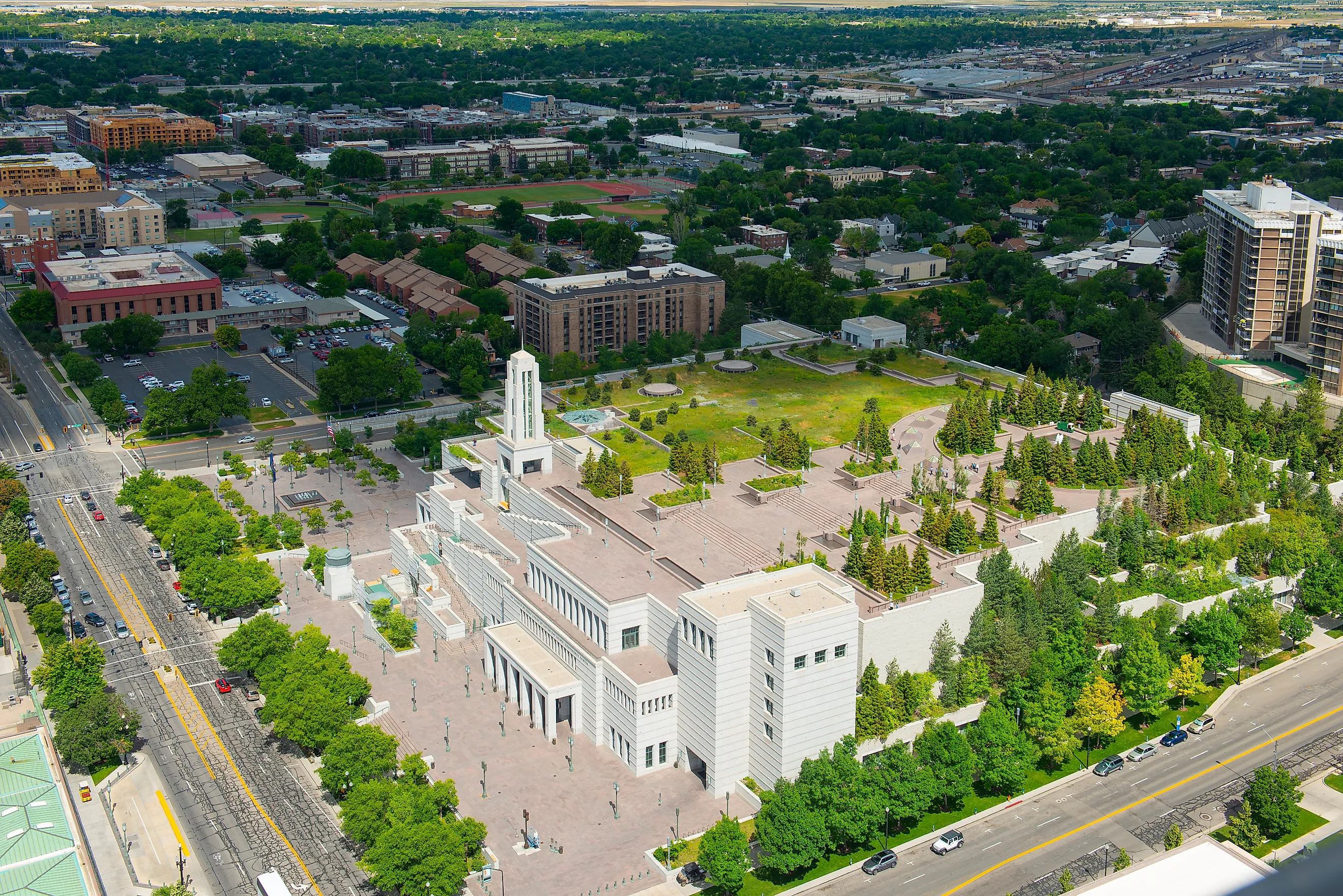
At the top of the list is the Conference Center in Salt Lake City, which is associated with The Church of Jesus Christ of Latter-day Saints (Mormons). With approximately 21,000 seats, it is one of the most impressive religious auditoriums in the country. Its scale is so massive, you could actually fit a Boeing 747 airplane inside.
The building was initially designed to hold large church meetings called general conferences, in which thousands of church members attend regularly. What makes the Conference Center particularly interesting are the details that make such a huge room feel connected rather than just enormous. Its main auditorium is massive, with no standing pillars, so everyone in the room has a clear view of the stage. Another unforgettable feature is the custom organ, which contains 7,667 pipes. It's best described as a combination of a cathedral, concert hall, and modern auditorium, all for religious gatherings.
Lakewood Church: Houston, Texas

With seating for approximately 16,800 to 17,000 people, Lakewood Church in Houston is another great American megachurch. The building comes from an unusual past, as the former Compaq Center, which was once the home arena of the NBA's Houston Rockets.
Rather than building from scratch, the congregation transformed an existing sports arena into a place of worship, creating a different atmosphere from a traditional church. The result is an expansive auditorium capable of accommodating a congregation as large as Madison Square Garden in New York City. Walking into a place that once echoed with basketballs and cheering crowds and now hosts worship services is a unique reminder of how buildings can take on an entirely new purpose.
The Faith Dome: Los Angeles, California

Los Angeles is home to another remarkable religious building known as the Faith Dome, operated by the Crenshaw Christian Center. Built in 1989, the massive geodesic dome was designed to accommodate more than 10,000 worshippers, with a reported seating capacity of around 10,145.
The structure is eye-catching because of its unique dome shape and in a city famous for its ambitious architecture, it certainly stands out. Rather than using a conventional rectangular church design, the building was constructed as a large geodesic structure allowing for a more expansive interior. The design was intended to give worshippers an unobstructed view of the pulpit and stage area, which is important when thousands of people gather together.
Basilica of the National Shrine of the Immaculate Conception: Washington, D.C.

The Basilica of the National Shrine of the Immaculate Conception, located on the Catholic University of America in Washington, D.C., is the largest Roman Catholic church building in North America. While it is certainly enormous, its scale is expressed through traditional Catholic design rather than a modern megachurch auditorium style.
The Basilica can accommodate approximately 10,000 people when standing room and side chapels are included. However, its formal seating capacity in the Great Upper Church section is closer to 3,500. The building's incredible size is impressive, with its colorful mosaics, chapels, and arches, creating a very different experience from the arena churches on the list. The church's exterior is equally as stunning, blending Romanesque and Byzantine architecture. In truth, the National Shrine feels more like a monumental, inspiring sacred space than a concert venue.
Cathedral of St. John the Divine: New York City, New York

New York City is home to the architectural masterpiece, the Cathedral of St. John the Divine. Located in Manhattan, this Episcopal structure is one of the largest Christian church buildings in the world by interior volume and floor area.
Depending on the arrangement, the main area of the church can accommodate thousands of chairs, with estimates sometimes reaching approximately 8,000 to 10,000 people for major events. Unlike the modern arena styles of Lakewood or the Conference Center, however, St. John the Divine is a monumental and stunning Gothic-style cathedral, revealing that traditional design can create a powerful sense of grandeur. It's hard to capture the beauty of the vertical and horizontal space from photographs alone. St. John's scale is most impressive when viewed from inside, with its soaring nave, massive columns, incredible arches, and stained-glass windows.
Willow Creek Community Church: South Barrington, Illinois

Rounding out the list is Willow Creek Community Church in South Barrington, Illinois, with a main auditorium that seats approximately 7,200 people. Willow Creek is known for its contemporary approach to worship, replacing traditional hymns and robes with contemporary rock-style music and practical, everyday messaging.
The space has amphitheater-style seating and a sophisticated acoustic design, using a rectilinear ceiling grid to reduce the physical distance between the stage and the congregation. In a room holding thousands of people, if it's easier for people to see the stage and hear what is happening, it makes all the difference. Instead of emphasizing elaborate traditional architecture, the church focuses on communication, sound, visibility, and creating a shared experience of bringing the community together.
Big Spaces, Strong Communities
These are some of the largest-capacity churches in the United States, and they reveal how different religious architecture can be. What stands out most is that these massive churches are about more than just filling thousands of people inside. Their size reflects the neighborhoods they serve and the many different ways people choose to worship. In the end, what makes them truly special is not just the sheer size, but the people and communities that fill them.