9 Best Places To Retire In The Northern United States
Havre, Montana keeps its most interesting real estate underground. Merchants ran an entire downtown out of their basements after a 1904 fire, and the houses above still sell for half the state average. These nine towns across the northern United States work the same math. Each lists below its state's average home price, and each spends what it saves in striking ways. The last Frank Lloyd Wright hotel in the world still takes guests in Mason City. A sixth-generation brewery still pours beer in New Ulm.
Laconia, New Hampshire

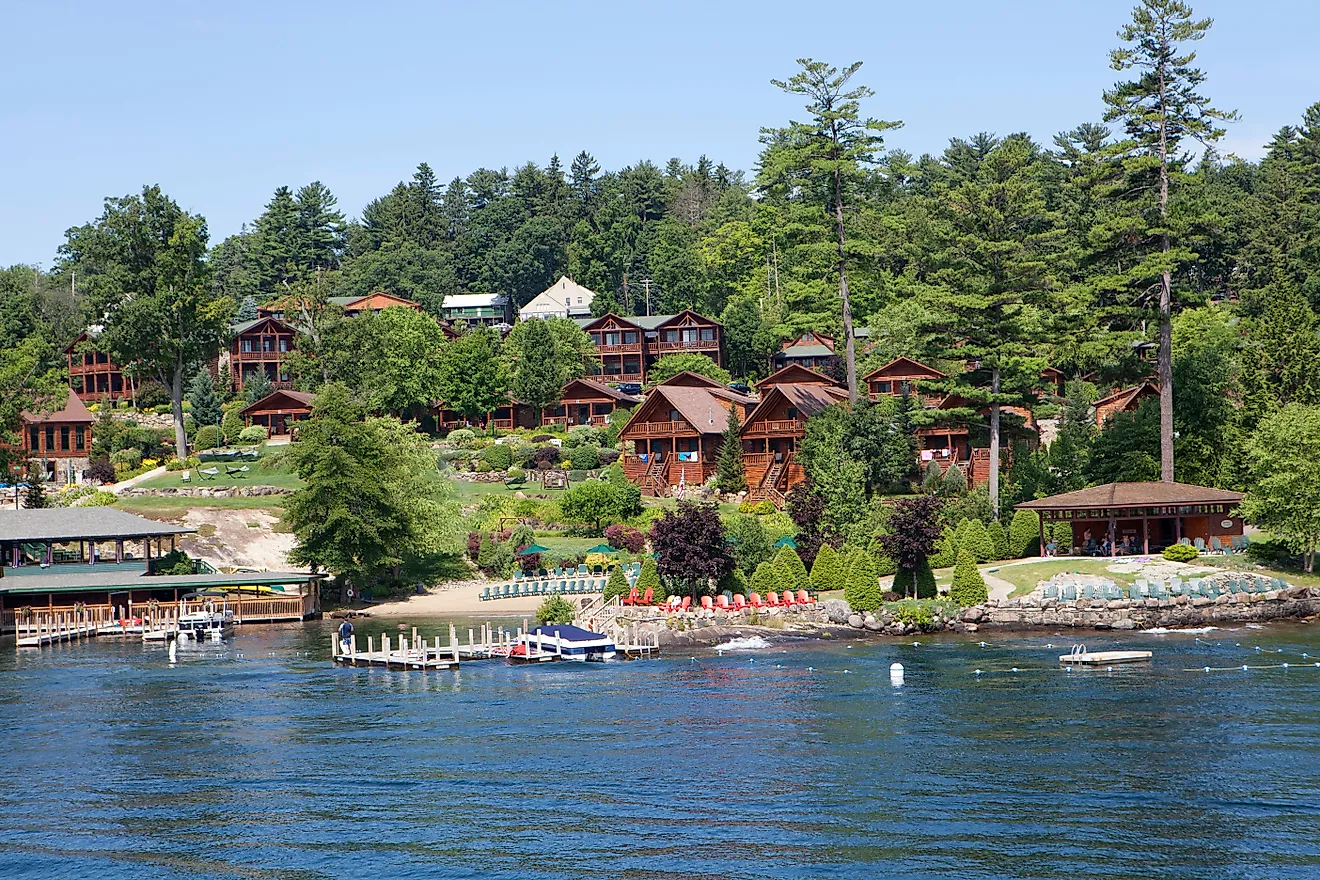
Laconia wraps around the western shore of Lake Winnipesaukee, and the lake runs the social calendar. The M/S Mount Washington sails daily cruises from Weirs Beach into early fall with step-free boarding, and the Winnipesaukee Scenic Railroad follows the shoreline on narrated excursions from late spring onward. South of town, the Belknap Mountain trail system offers graded paths that reward moderate walkers with open views across the lake basin. Twenty minutes away, Canterbury Shaker Village, a National Historic Landmark, tours preserved 18th and 19th century Shaker buildings across 694 acres.
Here is the catch, and it is a fair one. New Hampshire housing is brutal, and Laconia's $436,594 average is the most expensive entry on this list. It still undercuts the state average of $510,709 by a comfortable margin, and the state charges no tax on Social Security or pension income, which softens the sticker. Concord Hospital - Laconia operates in town, the Laconia Senior Center runs fitness classes and meals for residents 60 and older, and the Belknap Mill Society stages concerts in a converted 1823 textile mill. Each June, Laconia Motorcycle Week brings nine days of lakefront noise and live music. Some retirees flee for that week. The smart ones bring a lawn chair.
Plattsburgh, New York

Plattsburgh's numbers deserve to lead. At $247,211 against New York's state average of $510,449, this is the widest dollar gap in the group, and it buys a college town on Lake Champlain rather than a compromise. The Lake Champlain Waterfront Esplanade runs flat along the shore with Vermont's Green Mountains stacked across the water, and the Kent-Delord House Museum sits a short walk away, touring one of the oldest preserved homes in the North Country with its War of 1812 history intact.
A few miles north in Chazy, the Alice T. Miner Museum holds one of the finest collections of colonial American furniture and decorative arts in upstate New York, open to the public since 1924. Practical matters hold up too. CVPH Medical Center handles care in town, the Clinton County Office for the Aging coordinates transportation and nutrition programs, and the University of Vermont Medical Center in Burlington sits about an hour east via the Grand Isle ferry. Each July 4th, Cumberland Bay State Park throws fireworks over the lake, and the whole city shows up. It is the one night a year Plattsburgh feels crowded.
Escanaba, Michigan

The Upper Peninsula State Fair has run in Escanaba every August since 1928, which means it is older than the Golden Gate Bridge. It draws the UP's largest single annual crowd, and for one week this quiet bayside town becomes the capital of Michigan's Upper Peninsula. The other 51 weeks are the selling point. At $179,355 against a state average of $263,590, Escanaba delivers a waterfront town on Little Bay de Noc for less than most states charge for a starter condo.
The 1867 Sand Point Lighthouse anchors Ludington Park, where a full mile of paved, accessible path runs along the bay past a marina and fishing pier. That walk earns daily repetition without wearing out. Upper Hand Brewery pours beers rooted in UP character, including its Escanaba Black Beer, in a tasting room built for slow afternoons. The Delta County Senior Center runs daily fitness classes and noon meals, the Delta County Historical Museum covers logging and railroad history at an unhurried pace, and OSF St. Francis Hospital & Medical Group operates in town. Few retirements cost this little and look this good doing it.
Wausau, Wisconsin

Rib Mountain State Park rises three miles southwest of downtown, with an observation tower reachable by paved path and long views across Marathon County. A billion-year-old hill on the edge of town is a strong opening offer, and Wausau keeps raising it. Since 1976, the Leigh Yawkey Woodson Art Museum has staged "Birds in Art" every September, drawing ornithologists, collectors, and galleries from across the country to a city of 38,000. Admission is free all year, which still surprises first-time visitors.
At $243,982 against Wisconsin's state average of $333,909, the housing math works without strain. Aspirus Wausau Hospital serves as a regional center with cardiology and oncology services, and Marathon County Senior Services coordinates meal delivery, transportation, and wellness programs countywide. The Wausau Festival of Arts fills the riverfront each September with juried work, and The Grand Theater, a 1927 classical revival house downtown, hosts touring productions and symphony performances. For a mid-sized northern city, Wausau punches absurdly far above its cultural weight.
New Ulm, Minnesota

Three times a day, a 45-foot clock tower on New Ulm's main square performs carillon concerts while carved figurines rotate through scenes of the town's German settlement. The Glockenspiel has run since 1980, and the locals treat it as infrastructure rather than spectacle, which tells you everything about this town. German immigrants founded New Ulm in 1854, and the heritage never became a costume. August Schell Brewing Company, founded in 1860 and still family-owned after six generations, tours its 19th-century grounds past a deer garden and a museum tracing its survival through Prohibition. The Hermann Monument, completed in 1897, surveys the Minnesota River Valley from a limestone ridge, with a spiral staircase inside its base for anyone who wants the full view.
At $246,129 against Minnesota's state average of $350,891, the value holds for fixed-income buyers. Flandrau State Park at the town's south edge keeps a sand-bottom swimming pond open through summer beside paved trails along the Cottonwood River. New Ulm Medical Center operates in town, and the New Ulm Senior Center runs daily programs for residents 60 and older. Then there is Oktoberfest, spread across two October weekends, when visitors pour in from across the Midwest and the town's 13,000 residents host them like it is the family business. In a sense, it is.
Mason City, Iowa

Mason City owns a superlative no other town on the planet can claim. The Historic Park Inn Hotel, completed in 1910 and fully restored, is the last surviving Frank Lloyd Wright-designed hotel in the world. You can tour its original interiors daily, or simply book a room and sleep inside the architecture. A few blocks away, the 1908 Stockman House adds weekend Wright tours from April through October. For an architecture lover, this town of about 27,000 is a pilgrimage site with no line at the door.
The town's other export was musical. Meredith Willson grew up here and turned Mason City into River City in The Music Man, and Music Man Square honors him with a museum and a recreated streetscape. The North Iowa Band Festival, held each May since the 1930s, remains one of the oldest continuous band festivals in the country. The Charles H. MacNider Art Museum offers free admission to its American collection. At $157,194 against Iowa's state average of $234,891, Mason City is the cheapest entry on this list, with MercyOne North Iowa Medical Center as the regional hospital and the Mason City Senior Center running daily fitness programs and transportation across Cerro Gordo County. Cultural landmarks at this price point should not exist, and yet here they are.
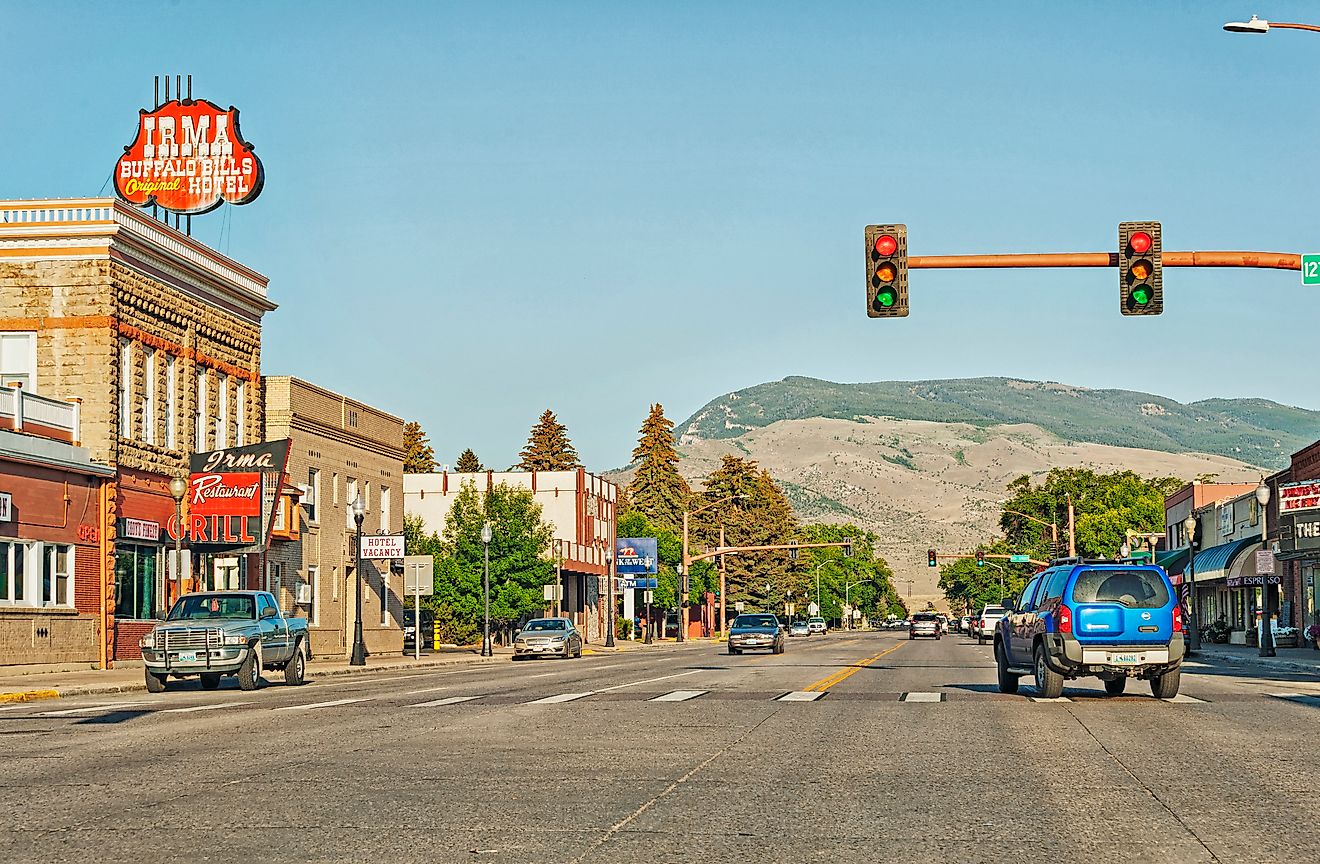
Havre, Montana

Most Montana retirement guides recommend towns that nobody on a fixed income can afford. Havre is the exception, and it is not close. The state's average home value runs to $467,919, while Havre sits at $233,525, essentially half. The town's signature attraction lives up to the discount. Havre Beneath the Streets is a guided walking tour through underground storefronts and service rooms left intact after a 1904 fire consumed the surface downtown. Merchants simply moved into their basements and kept trading while the street level was rebuilt above them. It remains the best origin story of any downtown on the Hi-Line.
The deep history runs deeper still. Wahkpa Chu'gn Buffalo Jump at the western edge of town runs guided summer tours of excavation layers dating back 2,000 years, and Bear Paw Battlefield, about 40 miles southeast near Chinook, marks the site of Chief Joseph's 1877 surrender, managed by the National Park Service with accessible paths. Northern Montana Hospital operates in town, North Central Montana Transit runs free curb-to-curb service for Hill County residents, and the Hill County Council on Aging handles senior programming and meals. September's Festival Days fills downtown with live music and a parade, and the turnout says plenty about how this town feels about itself.
Minot, North Dakota

Roosevelt Park Zoo holds Amur tigers and African penguins, runs reduced admission through most of the year, and outperforms what any city of Minot's size has a right to sustain. The town's other landmark park went a step further. The Scandinavian Heritage Park did not settle for interpretive panels about the region's Nordic roots; it acquired the buildings, including a replica Norwegian stave church raised from original plans and a working Danish windmill. Walking the grounds feels like touring five countries on one city block.
At $276,116 against North Dakota's state average of $286,406, Minot carries the tightest margin in this group, and the honest read is that you are paying nearly full state price. What the money buys is a full-sized northern city. The Souris River Greenway links parks across several miles of flat paved paths, Trinity Hospital serves as the regional medical center, and the Minot Commission on Aging coordinates transportation and wellness programs. Every July, the North Dakota State Fair, the largest event in the state, runs nine days in Minot with exhibitors and vendors from across the region. For one town to host the state's biggest party and still feel manageable the rest of the year is a neat trick.
Meadville, Pennsylvania

The Market House on Market Street has sold local produce and prepared food continuously since 1870, Tuesday through Sunday, making it one of the oldest operating public markets in Pennsylvania. A town that has kept the same grocery habit for more than 150 years tends to be doing something right. Meadville rarely appears in retirement conversations, which is hard to explain at $163,802 against Pennsylvania's state average of $286,387, one of the most accessible small cities in the northeastern US.
The amenities outclass the price. Allegheny College, founded in 1815 and among the oldest liberal arts institutions in the country, opens its concerts and gallery exhibitions to the community through the academic year. Pymatuning Reservoir and State Park, 20 minutes west, ranks among the largest reservoirs in the state, with flat shoreline trails and fishing access along the eastern bank. The Crawford County Fair each August is one of Pennsylvania's oldest county fairs, Crawford County Senior Services runs meals, transportation, and wellness programs countywide, and UPMC Hamot, a major trauma and cardiac center in Erie, sits 45 minutes northwest. Meadville is the sleeper pick here, and it will not stay a secret at these numbers.
The North Delivers
The pattern across these nine towns is consistent and a little unfair to the rest of the country. The northern tier quietly stockpiled cultural assets, including the world's last Wright hotel in Mason City, a sixth-generation brewery in New Ulm, an internationally juried bird-art exhibition in Wausau, and a market house in Meadville that predates the light bulb, and then never raised prices to match. A retiree willing to trade mild winters for real seasons can buy below state average in every one of these places and live above their means culturally in all of them. The snow is the cover charge. Everything else is the show.