5 Tick Infested Areas In South Dakota
Ticks are present in all 50 states in the US. South Dakota has a smaller tick population than many other states because of its drier climate, where they do not thrive in large numbers. Nonetheless, in 2025 the South Dakota Department of Health reported about 85 visits to the emergency room for a tick bite per 100,000 residents (there are about 935,000 residents in the state). Not all of those visits resulted in a tick-related disease. In general, fewer than 40 cases of all diseases that can be contracted from a tick bite are reported each year.
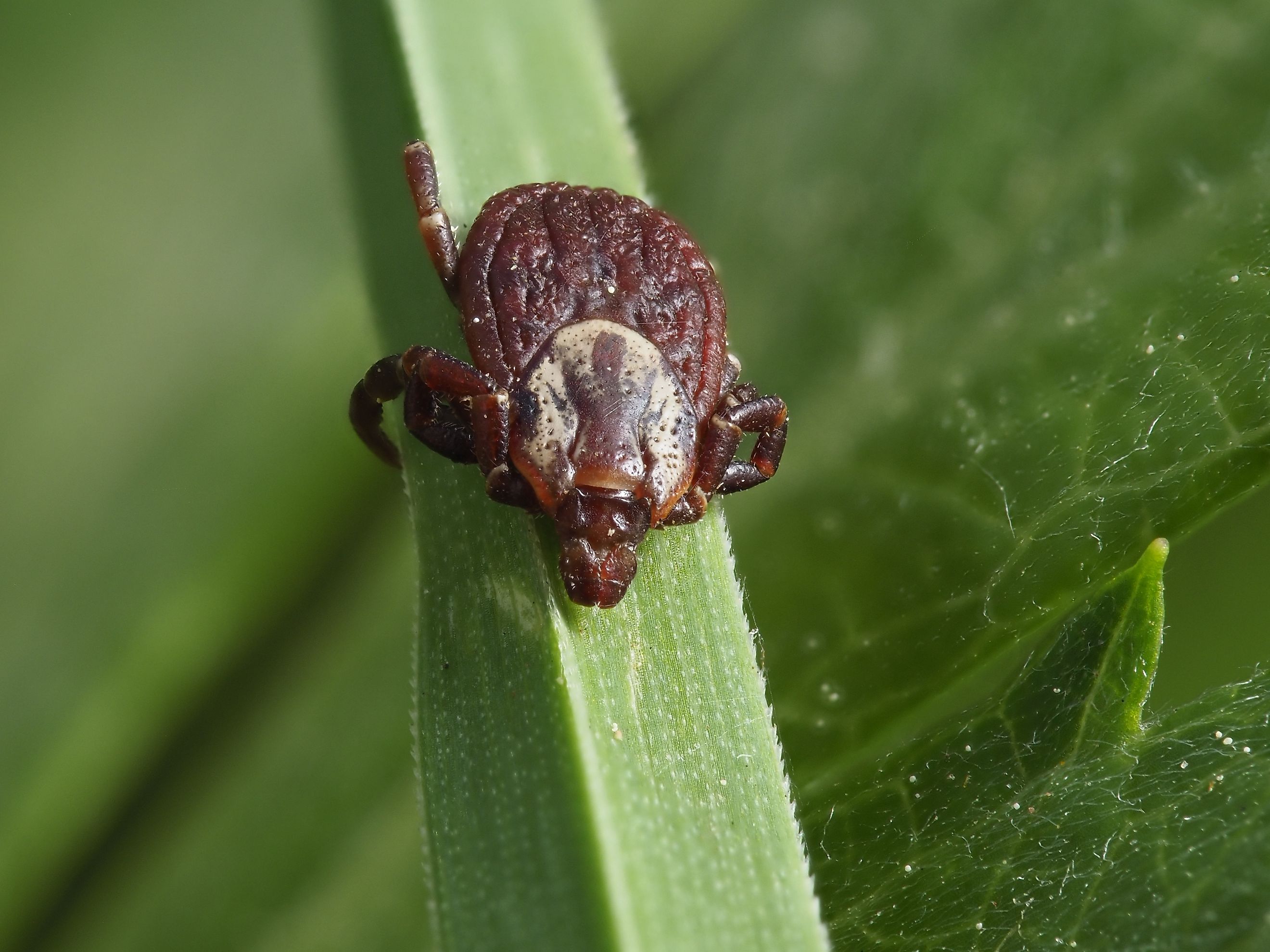
The University of South Dakota Extension reports that the ticks found in South Dakota are the American Dog Tick (Dermacentor variabilis), found all over the state, the Blacklegged, or Deer Tick (Ixodes scapularis), which frequents the eastern third of the state, the Rocky Mountain Wood Tick (Dermacentor andersoni) along the western border, and, less commonly, the Lone Star Tick (Amblyomma americanum). The length of winter and overall humidity vary throughout the state, resulting in areas where these ticks tend to thrive, and precautions should be taken. These are the areas that tick related diseases are most likely to occur in South Dakota.
Black Hills National Forest

The Black Hills, at the western border, and nearby Custer State Park and Spearfish Canyon, have deep canyons and valleys, along with tall mountains (up to 7,200 feet). This variety creates microclimates, some of which are deeply wooded and shaded, particularly along the river bottoms found here. Ticks thrive in the forest areas where deer tend to travel.
Because this area attracts so many outdoor enthusiasts, it has the highest amount of the disease Tularemia reported in the state. Also near here are Rapid City and Hot Springs. Warmer winters around these towns cause the tick season to start earlier than in other parts of the state.
Oglala County

Oglala County has a diverse terrain and warmer weather than much of the rest of the state. Many of the ticks that live in this area can survive winter by going dormant due to the warmer weather. Long grass and brushy areas are home to deer and other small mammals. As well, a significant number of livestock roam this county, another magnet for ticks. This section of the state reported some of the largest numbers of Tularemia, contracted largely by the American Dog Tick.
This entire county is within the Pine Ridge Indian Reservation. Parts of it are occupied by remote sections of the Badlands. Wounded Knee is in the southwestern corner of it. Both areas attract outdoor visitors during warm months.
Minnehaha County

Minnehaha County, home to Sioux Falls in the southeastern part of the state, reported the greatest amounts of tick-borne diseases in South Dakota, with Lyme Disease leading the way. Lyme Disease is carried by the Blacklegged Tick. The Big Sioux River runs through the county, and its southeastern corner meets the borders with Iowa and Minnesota.
Riverbeds contain moisture and shrubby sections that make great shelter for ticks. Along the western edge of the county, glacial movement left behind smaller lakes and ponds, again supporting areas of humidity. Tall grasses tend to surround these lakes, which can shelter ticks and also the small rodents they attach to. Farmland in this area attracts ticks to the shelterbelts, which are tree and bush areas used to separate fields and residential areas.
South Central South Dakota

Todd County, which touches the southern border of the state, has the second largest incidence of tick-borne disease, with Tularemia leading the way. Tularemia can be found in all ticks that inhabit South Dakota, except the Blacklegged Tick. This county is a mix of rolling prairie and pine-covered breaks, with moisture concentrated along the Little White River and the creeks and gullies that drain toward it.
The tall grasses are home to deer and coyotes, as well as smaller hosts such as prairie dogs, squirrels, and mice. Ticks will climb those grasses and attach themselves to these animals as they pass by. This is another area where farms and ranches create shelterbelts along their boundaries with cottonwood trees and other vegetation to separate fields.
Walworth County

North central South Dakota, where Walworth County is located, does not have the largest amounts of reported tick-borne disease. However, it's worth mentioning here because it is where the highest number of Rocky Mountain Spotted Fever cases contracted through tick bites is reported, with up to 5 likely cases. This disease can be transmitted by all tick species except the Blacklegged Tick.
Most of the county is semi-arid rolling grasslands, but drainages and gullies run through the area, and those are places where ticks congregate. Swan Lake and the creeks running in and out of it are other spots where ticks are found. The lake is popular with deer hunters and anglers, and as there are no official boat ramps or marked trails, it's easy to come into contact with ticks if you bushwhack to your destination. A more organized state park is Swan Creek Recreation Area, which connects to the Missouri River. River areas are known favorites for ticks seeking moisture and shade. People who enjoy outdoor recreation are vulnerable to bites.
Tick Prevention in South Dakota
It's not a good idea to dismiss the possibility of contracting a tick-related disease, even in places with a low reported amount of them. If you plan to spend time outdoors, whether for recreation, farming, or walking in the woods, it is best to use an EPA-registered insect repellent. Wear long pants if you can and tuck them into your socks. Spray permethrin on your clothing or buy items that are pre-treated with it. Check for ticks when you get home. If you find one, you can report it to the South Dakota Health Department even if you do not get sick. It helps them stay on top of how many ticks are around. And don't forget that your dogs can get tick-borne diseases too, so it's best to protect them according to your veterinarian's advice.