7 Tick Infested Areas In Kansas
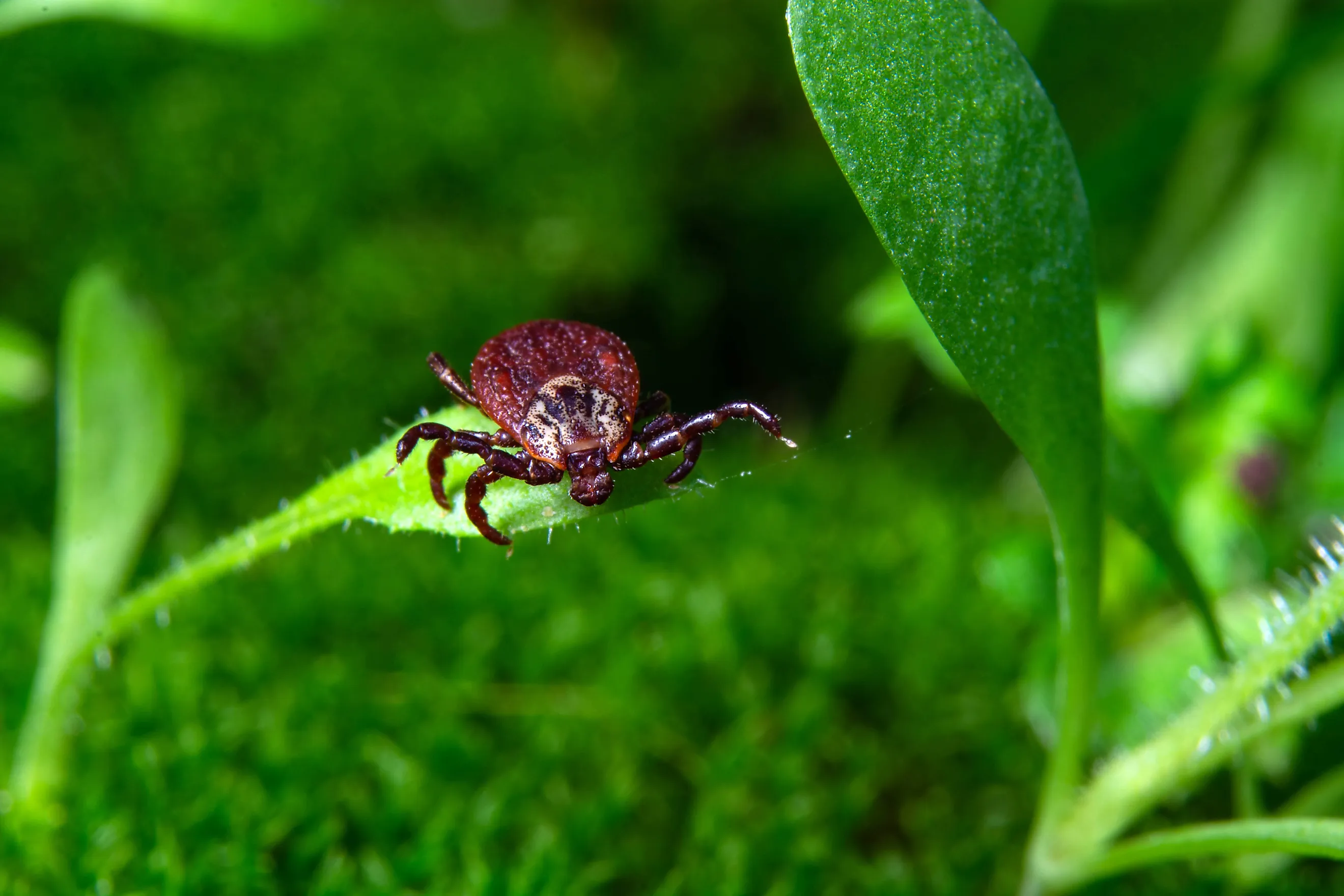
Spring rains in Kansas bring increased tick activity to tallgrass prairie edges, creek corridors, and suburban trails. Warm, humid stretches push ticks out of leaf litter and onto the tips of grasses and brush along deer paths and hiking routes. The most common species encountered are the lone star tick (Amblyomma americanum) and the American dog tick (Dermacentor variabilis), as documented by state surveillance and university sampling efforts.
While Lyme disease is not unheard of in the state, Rocky Mountain spotted fever, along with tularemia and ehrlichiosis, both bacterial illnesses, are the more commonly reported tick-borne illnesses in state health data. Alpha-gal syndrome, a potentially life-threatening food and product allergy linked to lone star tick bites, is increasingly being found in rural and suburban areas.
Risk is not evenly distributed but concentrates where fragmented woodland, pasture edges, and riparian corridors overlap with high deer and small mammal activity. Even short walks off-trail or time spent near tall grass can create exposure during peak late spring through early fall activity windows. These are the seven most tick-infested places in Kansas.
Flint Hills

The Flint Hills of east-central Kansas are among the most consistently tick-active parts of the state, due to intact tallgrass prairie with deeply cut limestone creek valleys. Around the Konza Prairie Biological Station near Manhattan, wooded ravines, bison trails, and dense grass layers create the kind of edge habitat where ticks wait for passing hosts. Humidity lingers in these low-lying draws even during dry summer stretches, which helps ticks survive between feedings.
The lone star tick and American dog tick are both confirmed in Kansas by the Kansas Department of Health, and they are a primary disease vector. KDHE identifies the lone star tick as being responsible for transmitting Ehrlichia chaffeensis and Ehrlichia ewingii in Kansas, which cause ehrlichiosis.
The public health concern is mostly Rocky Mountain spotted fever and ehrlichiosis in the Flint Hills, primarily linked to the American dog tick and lone star tick species, respectively. The Konza trails are an exposure point, especially riparian hiking paths where deer movement concentrates. Spring through early summer is the highest-risk window when nymphal and adult ticks are active.
Clinton Lake State Park

Clinton Lake State Park is primed for tick exposure due to its dense mix of oak-hickory woodlands, grassy shoreline buffers, and heavily used campgrounds. The park’s trail network crosses habitat edges where vegetation shifts from open prairie to shaded forest, which is where ticks often wait for hosts. The lone star tick and American dog tick are the most common species here, consistent with CDC-confirmed distributions for eastern Kansas. Blacklegged ticks (Ixodes scapularis) appear less frequently but are tracked in nearby Douglas and Jefferson County surveillance zones.
The most commonly reported diseases linked to these ticks in Kansas are ehrlichiosis and Rocky Mountain spotted fever. Douglas County is in eastern Kansas, where lone star ticks are established and where Kansas health officials track suspected alpha-gal syndrome cases through statewide surveillance, but there are no definitive reports from this area. High-contact zones include shoreline fishing access points, campground perimeters, and wooded hiking trails such as those near the North Shore and Bloomington areas of the park. Tick activity is highest in late spring and early summer when humidity is high, and deer movement is concentrated along water access corridors.
Tallgrass Prairie National Preserve

Tallgrass Prairie National Preserve near Strong City sits in the heart of the Flint Hills. Its long grasses, rocky outcrops, and wooded creek bottoms preserve much of the region’s original habitat. This mix of open grazing land and sheltered drainage corridors creates ideal tick habitat, particularly where bison and white-tailed deer move through consistent trails. The lone star tick is the dominant species here, with the American dog tick also present, consistent with CDC regional distribution for the central Plains. These ticks cluster in grass-to-wood transitions rather than open prairie, waiting on vegetation tips to latch onto passing hosts.
Ehrlichiosis and Rocky Mountain spotted fever are the most consistently documented tick-borne illnesses tied to these species. While Lyme disease remains uncommon in Kansas compared to the Upper Midwest, a low-level risk cannot be entirely dismissed. A key exposure point is the preserve’s hiking and interpretive trail system, especially routes near Cottonwood Falls tributaries where humidity and wildlife traffic overlap. Ticks spike in late spring after periods of rainfall when vegetation density increases rapidly.
Kansas River Corridor

The Kansas River corridor is one of the most important east-west ecological pathways in the state, and its riparian forests, sandbars, and floodplain woodlands create consistent tick habitat from Lawrence through Topeka. Dense stands of cottonwood, hackberry, and invasive brush along the riverbanks trap moisture and support high populations of small mammals and deer, which serve as primary tick hosts. All three medically relevant Kansas tick species are present in this corridor. The lone star tick, American dog tick, and blacklegged tick (Ixodes scapularis) are all present, with the latter more frequently detected in eastern Kansas per CDC distribution patterns.
Disease risks include Rocky Mountain spotted fever and ehrlichiosis. In the eastern edge of the corridor, there is also cautious monitoring for Lyme disease due to occasional blacklegged tick detections, though incidence remains low. Exposure is common along multi-use trails such as those in the Kaw River State Park and adjacent greenways where tall grasses meet wooded edges. Flood cycles also influence tick abundance by concentrating wildlife movement onto higher ground after high-water events, increasing human-tick contact in recreational zones.
Milford Lake and Smoky Hills Region

Around Milford Lake, tick exposure is most likely where the reservoir’s wooded coves, cedar breaks, and grassy campground edges meet the rolling Smoky Hills. White-tailed deer and small mammals move between the oak-juniper ridges, shoreline access roads, and hunting areas around Milford State Park, giving ticks a steady supply of hosts. Lone star ticks are the main concern in this part of Kansas, with American dog ticks also found in brushy pasture edges and recreation areas.
The tick-borne illness risk here is consistent with central and eastern Kansas. Ehrlichiosis and Rocky Mountain spotted fever are the primary concerns. Outdoor exposure is particularly relevant in hunting season and summer recreation periods when shoreline vegetation is dense and frequently disturbed.
Common exposure points include rocky coves, primitive camping areas, and wooded hunting access trails around Milford State Park and the parks operated by the U.S. Army Corps of Engineers. The mix of cedar breaks and grassland edges creates persistent tick habitat, especially in shaded ravines where humidity persists even during dry weeks.
Cherokee County Woodlands

Cherokee County is among Kansas' highest documented tick-borne disease activity zones due to dense deciduous forest, higher rainfall, and strong ecological continuity with the Ozark Plateau. Leaf litter accumulates heavily in shaded hardwood forests, creating stable microhabitats where ticks can survive extended dry periods. The lone star tick, American dog tick, and blacklegged tick can all be found here, with the latter more frequently encountered in eastern Kansas surveillance corridors.
In Cherokee County, the highest-risk spots are the shaded, brushy edges where southeast Kansas woodlands meet reclaimed mining land, creek bottoms, and lightly maintained trails near Baxter Springs and Galena. Those damp leaf-litter zones support lone star ticks and American dog ticks, the species most tied to Kansas cases of ehrlichiosis and Rocky Mountain spotted fever. Blacklegged ticks can also occur in this part of the state, so Lyme disease remains something health officials watch, even though Kansas does not see the same level of confirmed Lyme activity as states farther north. White-tailed deer, small mammals, and fragmented old industrial land keep hosts moving through these edge habitats from spring into the warm months.
Gypsum Hills

The Gypsum Hills of south-central Kansas feature steep red bluffs, cedar-covered slopes, and brush-filled ravines that create localized pockets of humidity in an otherwise semi-arid landscape. These sheltered draws are especially important for tick survival, as they retain moisture and support dense wildlife movement corridors. The American dog tick is the most commonly documented species in this region, with lone star ticks also present, according to CDC distribution ranges extending into southern Kansas. Blacklegged ticks are not a dominant feature here but may appear sporadically in isolated habitats.
Rocky Mountain spotted fever is the primary tick-borne disease associated with this region in Kansas surveillance data, typically linked to American dog tick exposure in rural and outdoor occupational settings. Cases tend to cluster in counties with high livestock activity and brushy pastureland. Exposure is most likely along hiking routes such as those in the Medicine Lodge area and within unmanaged cedar breaks where deer and feral animals travel frequently. Tick encounters rise after rainfall when vegetation along ravines rebounds quickly, creating temporary but intense feeding zones.
Awareness Of Kansas Tick Habitats
Across Kansas, peak tick activity consistently tracks with late spring humidity spikes and stretches through the hottest summer months, especially in the eastern half of the state where wooded creek systems and deer corridors are most concentrated. The most effective response is built around local awareness, knowing when state surveillance reports rise and which counties are seeing increases in Rocky Mountain spotted fever or ehrlichiosis cases. Kansas residents can use updates from the Kansas Department of Health and Environment and Kansas State University Extension programs, which regularly publish regional tick and vector guidance. When cases spike, these sources provide the most reliable, ground-level signal for what is actually circulating in specific parts of the state.