7 Best Natural Wonders To Visit In Kansas This Year
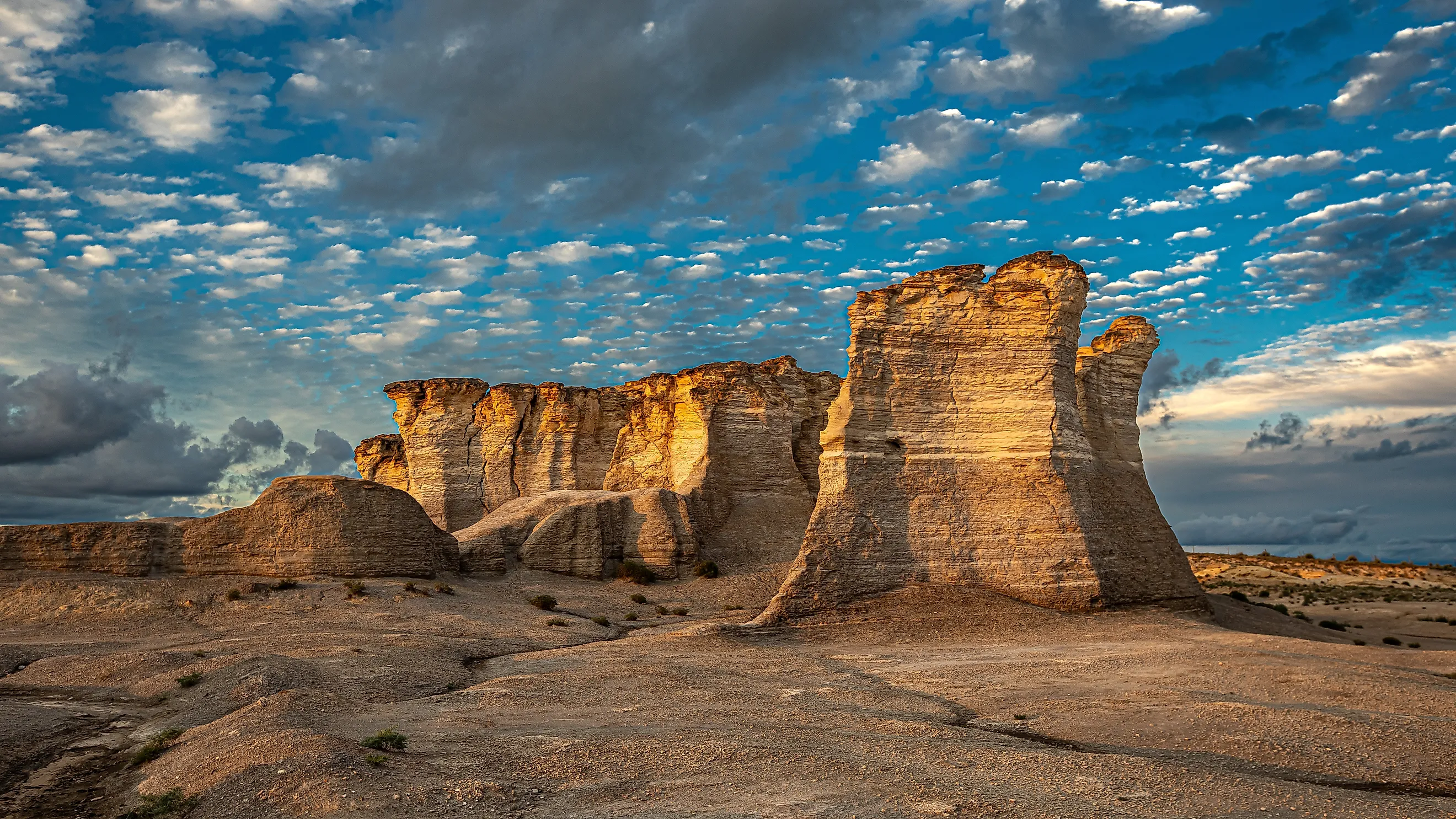
Kansas reveals its most striking landscapes in unexpected places: chalk towers rising from open pasture at Monument Rocks, narrow canyon walls carved into the earth at Little Jerusalem Badlands State Park, and towering sandstone formations standing alone on the prairie at Mushroom Rock State Park. In addition, the state’s windswept grasslands, hidden springs, and quiet overlooks reflect a landscape shaped over millions of years by water, wind, and shifting seas. These seven natural wonders offer a closer look at the variety and character that define Kansas beyond its familiar horizon.
Mushroom Rock State Park

Mushroom Rock State Park in Ellsworth County is known for its small cluster of pedestal rocks that resemble oversized mushrooms. These formations are made of Dakota sandstone and were created through differential erosion, in which softer sandstone beneath the harder caprock wore away over time, leaving narrow stems supporting broad tops. The result is a compact but striking landscape where each formation feels like a natural sculpture, shaped by wind and water over millions of years.
Despite its small size, the park spans just about five acres, making it one of the smallest state parks in Kansas, yet the largest formation has a diameter of 27 feet. Set against open grassland, the rocks stand out sharply from the flat horizon, creating a top-heavy, almost balanced appearance. It is also recognized as "one of the eight wonders of Kansas geography." Those planning a trip can visit during winter or spring for milder temperatures in and around the park.
Konza Prairie Biological Station

The Flint Hills represent one of the last remaining stretches of North America’s tallgrass prairie. This ecosystem once covered much of the central United States but now survives on less than 4 percent of its original range. The Konza Prairie Biological Station, located near Manhattan, Kansas, protects over 8,600 acres of this landscape and serves as a long-term ecological research site managed by Kansas State University.
Rolling hills extend across the preserve, covered in native grasses that can grow over six feet tall during peak growing season. The prairie is maintained through a combination of controlled burns and grazing, including a resident bison herd that helps sustain plant diversity and natural cycles. These seasonal changes are visible throughout the year, from fresh green regrowth after spring burns to the golden grasslands of late summer and fall. Visitors can explore the area on a network of public hiking trails, including a popular 2.6-mile Nature Trail that offers open views of the Flint Hills and crosses Kings Creek. The hike takes around two hours and offers unique climbs over ancient limestone ledges.
Cedar Bluff State Park

Rising above the waters of Cedar Bluff Reservoir, Cedar Bluff State Park offers one of the most dramatic landscapes in western Kansas. The park is divided into two main areas: the Bluffton side covers roughly 350 acres, while the Page Creek area provides additional access to the shoreline on the south side of Cedar Bluff Reservoir. The reservoir spans roughly 6,800 acres, creating a wide expanse of open water framed by steep limestone cliffs. These bluffs rise sharply from the shoreline, forming one of the few truly elevated landscapes in this part of the state.
The cliffs are composed of Fort Hays Limestone, formed around 80 million years ago when a shallow inland sea covered this region. Over time, uplift and erosion carved the rock into the layered formations seen today, with exposed faces showing clear horizontal bands. Fishing, boating, and swimming are common on the reservoir, while the elevated overlooks provide uninterrupted views across the water and surrounding plains. Moreover, for those who want to spend the night here, there are various cabins available, including rustic wooden options and three Modern Cabins, each with picnic tables, refrigerators, bathrooms, and air conditioning. Thanks to the cabins, one can visit throughout the year without issue, but late spring to early fall tends to be more ideal, as there is less crowd.
Alcove Spring

Alcove Spring Historic Park is historically significant for its location on the Oregon Trail; however, it stands out as a natural wonder for how unexpectedly lush and sheltered it feels amid the surrounding prairie. At its center is a steady spring that emerges from a limestone outcrop, feeding a small stream and a waterfall that flows throughout the spring months, the best time to visit. The park itself spans about 300 acres, and this reliable source of water creates a pocket of cool, fresh green life.
The rock alcove is what gives the setting its especially striking character. Over time, erosion has carved smooth surfaces and subtle textures into the rock, giving the area a sculpted, weathered appearance. The presence of water transforms the immediate environment. Trees, ferns, mosses, and wildflowers cluster around the spring, creating a shaded micro-ecosystem that contrasts sharply with the sunlit fields beyond. Those looking to explore can take advantage of the five-mile-long network of trails.
Wilson State Park

Rising above the clear waters of Wilson Lake, Wilson State Park is known for its rugged shoreline, limestone bluffs, and unusually scenic terrain for central Kansas. Often referred to as one of the most picturesque lakes in the state, it spans around 9,000 acres and was formed in 1961 from the Saline River. The park is located on its south shore, spanning around 950 acres in two areas.
Visitors can explore the park through hiking trails, scenic overlooks, and shoreline access points, with opportunities for boating, fishing, and wildlife viewing. Those looking to explore can head out on the Switchgrass Mountain Bike Trail, spanning 24.5 miles in the Hell Creek Area. It is considered one of the most challenging cycling trails in the state, yet it offers scenic views of the landscape. Late spring through early fall is the most popular time to visit, when water levels are ideal, and the surrounding hills are at their greenest.
Little Jerusalem Badlands State Park

Little Jerusalem Badlands State Park is one of the most visually dramatic landscapes in Kansas, defined by its sharp chalk formations, narrow ridges, and steep, eroded cliffs. Located in the Smoky Hill region, the park spans 330 acres. It preserves the largest exposure of Niobrara Chalk in the state, a pale, layered rock formed from an ancient inland sea about 80 million years ago.
The area’s scale and texture are what give it its striking natural wonder. The landscape is carved into tight canyons, hoodoos, and towering spires that rise up to 100 feet high from the surrounding prairie. These formations create a maze-like terrain where every turn reveals new angles, shadows, and patterns in the stone. The best times to visit are spring and fall, when cooler temperatures make hiking more comfortable, and the light enhances the contrast in the chalk formations. Tourists looking to explore can hike the Life on the Rocks Trail, which runs for 1.5 miles along the rim of rocks with various bends and two overlooks. Keep an eye out for the abundant wildlife here, as species like ferruginous hawks and cliff swallows are found throughout.
Monument Rocks

Rising from the flat expanse of western Kansas, Monument Rocks form one of the state’s most dramatic and recognizable natural landmarks. Also known as the Chalk Pyramids, the landmark features arches, spires, and isolated columns that create natural sculptures, shaped by time and the elements. These towering formations reach up to 70 feet high.
Formed from ancient seabeds nearly 80 million years ago, the chalk deposits were left behind when a vast inland sea once covered this part of North America. Over time, wind and water erosion carved the soft rock into its current forms, revealing fossils of marine life embedded within the layers. Despite their scale, Monument Rocks remain relatively remote, accessible only via gravel roads that heighten the sense of discovery. Late spring through early fall offers the easiest access, though visiting near sunrise or sunset provides the most dramatic light across the formations.
Natural Wonders In Kansas
Taken together, these landscapes reveal a Kansas shaped by more than just open space; they reflect a long and complex relationship between land, water, and time. Whether it is the quiet persistence of a prairie ecosystem, the erosion of ancient sea beds into stone towers, or the sudden appearance of lush springs within dry grasslands, each site captures a different expression of natural change. Seen as a whole, they form a portrait of a state where geology is not just background, but the defining force behind its most remarkable natural places.