5 Tick Infested Areas In New South Wales
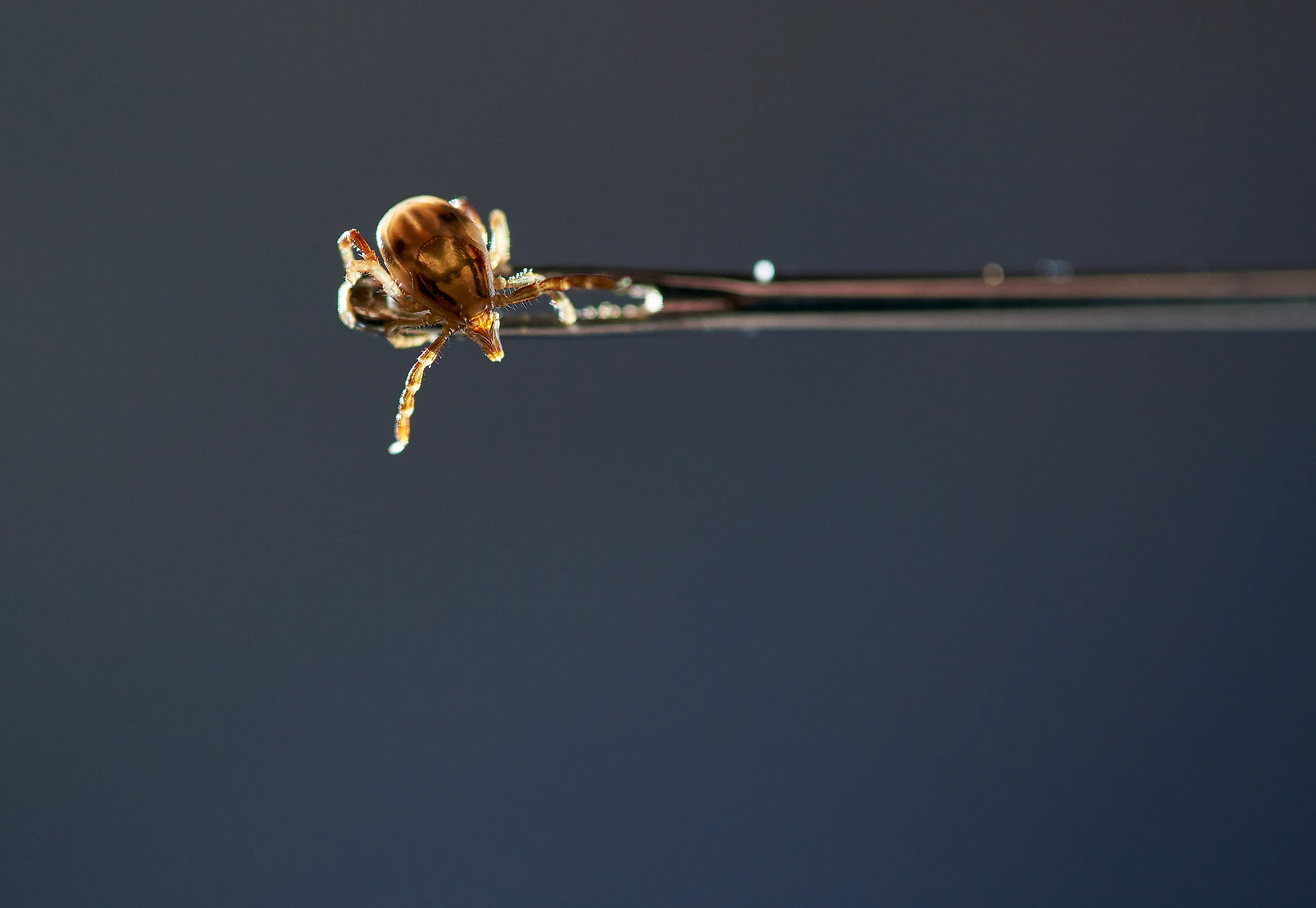
More than 500 people presented to Mona Vale Hospital with tick bites during one two-year study, including 34 cases of anaphylaxis. That concentration on Sydney's Northern Beaches reflects a broader pattern in New South Wales, where the Australian paralysis tick (Ixodes holocyclus) is strongly associated with humid bushland along the eastern coast. The species accounts for more than 95% of human tick bites in eastern Australia and can cause paralysis, severe allergic reactions, and Queensland tick typhus. NSW Health also notes that locally acquired Lyme disease has limited supporting evidence in Australia, but some areas have more ticks than others.
Northern Sydney Bushland

Bushland across Sydney's Northern Beaches and North Shore is one of the state's best-documented tick areas. Researchers collected nymph ticks at 39 sites across the two regions, while another study found that reported human encounters were concentrated near wet sclerophyll forest. Areas around Pittwater, Frenchs Forest, and Ku-ring-gai contain the humid vegetation and wildlife hosts that support Australian paralysis ticks.
Ixodes holocyclus is the principal species of concern for people. Its medical importance is clear on the Northern Beaches, where Mona Vale Hospital recorded more than 500 tick-bite presentations during a two-year period. Thirty-four involved anaphylaxis. Residents should also be aware of mammalian meat allergy, which has been linked to bites from Australian paralysis ticks. Bush edges, leafy gardens, and forest trails can all provide opportunities for encounters.
Mid-North Coast Bushland

The Mid North Coast around Coffs Harbour and Port Macquarie lies squarely within the coastal range of Ixodes holocyclus. A large genetic study of Australian paralysis ticks collected specimens at both locations, confirming established populations along this stretch of the NSW coast.
Moist forest, dense undergrowth, and abundant mammal hosts provide suitable conditions for the species. The Australian paralysis tick spends much of its life away from a host, waiting in vegetation before attaching to an animal or person that passes nearby. For humans, the main concerns include allergic reactions and the toxin that can cause tick paralysis. The species is also a recognised vector of Rickettsia australis, although infection rates can differ substantially between locations. Wooded properties and bushland tracks around the Mid North Coast therefore deserve particular attention during periods of increased tick activity.
Northern Rivers Bushland Around Casino

The Northern Rivers contains some of the clearest evidence linking Australian paralysis ticks with disease-causing bacteria in NSW. Researchers working around Casino tested Ixodes holocyclus collected in northeastern NSW and detected Rickettsia australis, the bacterium responsible for Queensland tick typhus. About 15% of the ticks examined carried rickettsial DNA. The researchers estimated that a person bitten by I. holocyclus in the study area faced roughly a one-in-six chance of exposure to R. australis, assuming the tick remained attached long enough to transmit the bacterium.
Murramarang National Park

Murramarang National Park on the South Coast has unusually detailed evidence of its tick population. Researchers sampled vegetation around South Durras and identified several species, including the Australian paralysis tick (Ixodes holocyclus), common marsupial tick (Ixodes tasmani), and Ixodes trichosuri. Haemaphysalis bancrofti was also recorded.
For people, I. holocyclus remains the most important of these species. Murramarang's coastal forest and dense vegetation provide sheltered, humid conditions, while native mammals act as hosts for different stages of the tick's life cycle. The park therefore offers a particularly clear example of how tick habitat and wildlife overlap along the NSW coast. Visitors using forest trails or moving through vegetation can be exposed even when they never leave an established recreation area.
Lower Blue Mountains

The Lower Blue Mountains are an important exception to the Australian paralysis tick's predominantly coastal distribution. Ixodes holocyclus is usually concentrated close to the eastern seaboard, yet confirmed specimens have been collected more than 100 kilometres inland in the Lower Blue Mountains.
Research has documented the species around Winmalee, Faulconbridge, Springwood, and Blaxland. The region's wetter forested slopes provide the humidity the tick needs to avoid drying out, while native mammals offer potential hosts throughout its life cycle. People using bush tracks or living beside dense vegetation can therefore encounter the same medically important species found much closer to the coast. Tick paralysis and allergic reactions remain the clearest concerns, while Queensland tick typhus is also transmitted by I. holocyclus in eastern Australia.
Reducing Tick Risk In New South Wales
Ticks can be encountered throughout the year in NSW, although adult tick activity across Australia generally increases between July and December. NSW Health recommends wearing protective clothing, using DEET- or picaridin-based repellent, and keeping to the centre of cleared paths in tick-prone areas.After spending time in bushland, residents should carefully check themselves, children, and pets. Anyone who develops serious symptoms following a bite should seek medical attention, while NSW Health provides further advice through local public health units on 1300 066 055.