5 Tick Infested Areas In Queensland
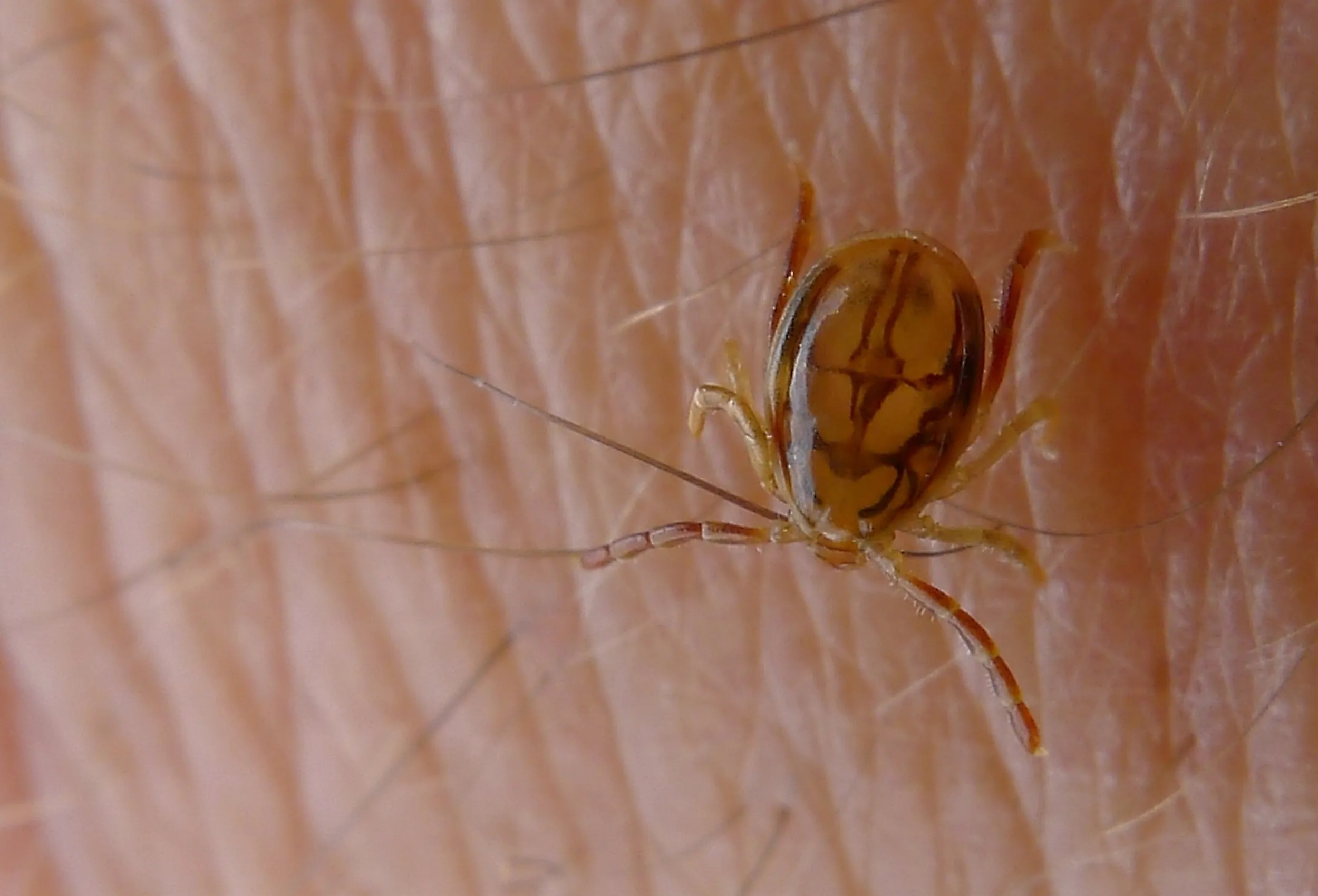
When one bite from a tick can leave you paralyzed, it's worth being prepared. Queensland's eastern coast provides some of the state's strongest habitat for the Australian paralysis tick (Ixodes holocyclus), where wet forest, dense vegetation, and native mammals overlap. While Lyme disease isn't endemic to the region, this tick's bite can also cause severe allergic reactions and can transmit Queensland tick typhus, caused by Rickettsia australis. You may also encounter the Southern paralysis tick (Ixodes cornuatus) and the Brown dog tick (Rhipicephalus sanguineus). Here are Queensland's hottest tick spots.
Sunshine Coast Hinterland

The forested hinterland west of the Sunshine Coast is one of Queensland's clearest tick-risk areas, with humid bushland providing vegetation and wildlife hosts for Ixodes holocyclus. University of Queensland research has recorded substantial veterinary tick-paralysis activity on the Sunshine Coast, and its 2024 seasonal model predicted that about 10% of veterinary consultations there would involve tick paralysis.
Native mammals such as bandicoots, possums, wallabies and kangaroos can serve as hosts. For people, the main concerns are tick envenomation, severe allergic reactions and Queensland tick typhus. The forested country around Mapleton provides a concrete example. Queensland Parks specifically advises visitors to Mapleton National Park to bring insect repellent to discourage ticks, while the Sunshine Coast Hinterland Great Walk recommends regular tick checks during walks.
Western and Southern Brisbane Bushland

Bushland on Brisbane's western and southern edges provides another strong setting for paralysis ticks, particularly where residential areas meet forest, grassy understorey and wildlife habitat. University of Queensland researchers have identified the paralysis tick as especially prevalent in Brisbane's southern and western suburbs, while more recent research has continued to record substantial numbers of veterinary tick-paralysis cases in Brisbane.
Ixodes holocyclus feeds on numerous mammals and birds, with bandicoots among its important native hosts. Residents using bushland around the D'Aguilar Range may encounter ticks along tracks and vegetated edges. D'Aguilar National Park specifically advises visitors to use repellent against ticks and other biting animals. Human risks include paralysis, severe allergic reactions and Queensland tick typhus.
Gold Coast Hinterland

The Gold Coast hinterland combines high rainfall, extensive forest and subtropical vegetation within the range of Ixodes holocyclus. University of Queensland researchers include the Gold Coast among southeast Queensland areas with substantial veterinary tick-paralysis activity. In the university's 2024 seasonal model, tick paralysis was predicted to account for about 7% of veterinary consultations on the Gold Coast.
Springbrook National Park provides a specific example of the local risk. Queensland Parks warns about ticks in forested areas there and recommends long clothing and insect repellent. The paralysis tick can be encountered throughout the year, although veterinary research indicates that September and October are the peak months for tick-paralysis cases in southeast Queensland. Human exposure carries risks of paralysis, severe allergic reactions and Queensland tick typhus.
Scenic Rim Rainforest

The mountainous forest country of the Scenic Rim provides another setting where Queensland's paralysis tick can occur. Rainforest, wet forest and grassy forest understorey create sheltered environments for Ixodes holocyclus, while native mammals provide the hosts needed during the tick's life cycle.
Lamington National Park is a particularly relevant example. Queensland Parks specifically advises visitors to check themselves and children daily for ticks and notes that ticks occur in forested areas, including along some rainforest walking tracks. The main concern is exposure to the paralysis tick's neurotoxin, which can cause progressive weakness and paralysis. Severe allergic reactions are another risk, and infected paralysis ticks can transmit Queensland tick typhus. The park's extensive walking-track network places people directly in the type of vegetated habitat where contact with ticks is most likely.
Cairns and Innisfail Wet Tropics

The Wet Tropics around Cairns and Innisfail have a distinct tick season shaped by the region's warmth, moisture and dense vegetation. University of Queensland research found that veterinary tick-paralysis cases in this part of Far North Queensland peaked in August and September, earlier than the September and October peak recorded in southeast Queensland.
Ixodes holocyclus occurs along Australia's eastern coast and feeds on a wide range of native and domestic animals. Queensland tick typhus is also documented in tropical North Queensland, with Cairns Hospital researchers reporting cases among patients treated in the region. Scrub typhus also occurs in Far North Queensland, but it is transmitted by mites rather than ticks and is therefore a separate risk. Rainforest around Kuranda and the Barron Gorge provides an example of the dense, humid habitat found throughout this part of the state.
Ticked Off In Aussieland
Queensland's tick risk is concentrated in vegetated areas along the east coast, but the peak season varies by region. University of Queensland veterinary data indicate an August and September peak around Cairns and Innisfail and a September and October peak in southeast Queensland, although paralysis ticks can occur year-round. Queensland Health recommends repellent, light-coloured clothing that covers the skin and thorough checks after entering tick habitat. The Queensland Poisons Information Centre provides advice after tick bites on 13 11 26.