6 Most Shark Infested Beaches In Florida
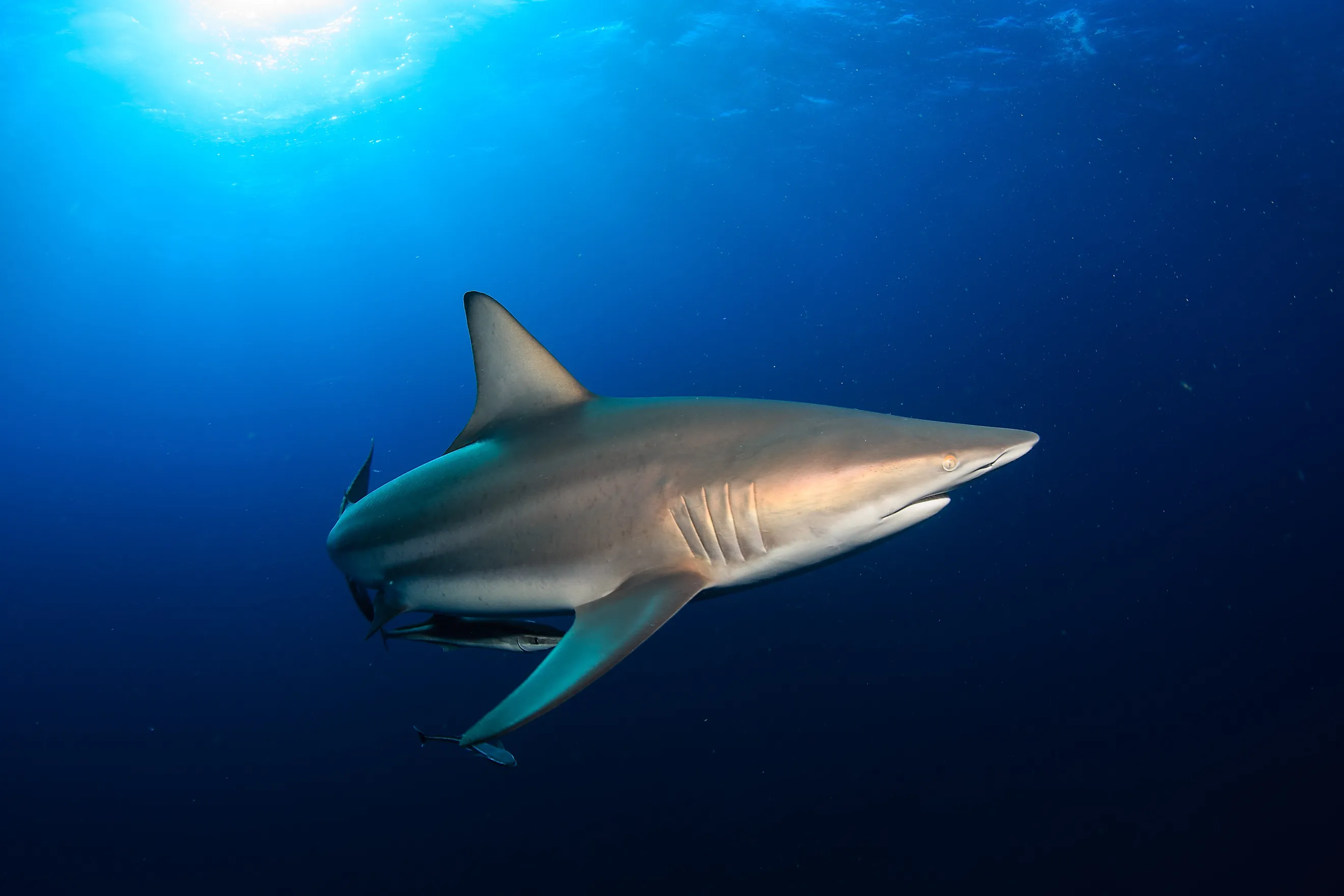
According to the Florida Museum of Natural History's International Shark Attack File (ISAF), Florida consistently tops the charts in terms of unprovoked shark bites with an average of close to 20 per year. While these attacks are rarely serious, encounters are not uncommon, and hot spots like New Smyrna Beach and Daytona Beach experience more than others due to their popularity, warm waters, abundant marine life, and active ecosystems that attract surfers, swimmers, and sharks alike. If you are planning a trip to the coast of Florida, take note, because these beautiful beaches also happen to be among the most shark-infested in the state.
New Smyrna Beach

On the east coast of Central Florida, Volusia County has 47 miles of world-class beachfront on the Atlantic Ocean in tourist-heavy areas like New Smyrna Beach. The hot spot is a popular destination for sun-seekers, snowbirds, and nature lovers, drawn to its 17-mile stretch of white sandy beaches with some of the best surfing along Florida’s central Atlantic coast. Despite its reputation as the "Shark Bite Capital of the World" due to the high frequency of shark encounters, the beach continues to attract fearless visitors for its laid-back surf culture and reliable, year-round waves.

Several of Florida's most recent shark incidents have occurred in this area, including multiple non-fatal bites on surfers during the summer months in 2025. Most encounters involve small coastal species like blacktip or spinner sharks and result in minor injuries, reflecting the area’s high overlap between surfers and shark activity rather than unusually aggressive behavior. Shark attacks at New Smyrna Beach have totaled 32 since 2010, averaging about three per year.
Daytona Beach

Also in Volusia County beach, Daytona Beach is famously known as a haven for car fanatics, thanks to its rich automotive history and iconic events like the Daytona 500 at the Daytona International Speedway. The hard-packed sands of Daytona Beach were also historically used for car racing, further cementing its reputation as a destination for auto enthusiasts. Daytona's vibrant car culture is not the only attraction; its stunning beaches also appeal to surfers and water enthusiasts, which can attract curious sharks.

Recent data from 2025-2026 shows that Daytona Beach continues to see occasional shark encounters, though fewer than New Smyrna. In 2025, Volusia County recorded multiple non-fatal bites, accounting for over half of Florida’s incidents that year, with most involving surfers or swimmers in shallow water. Most encounters around Daytona Beach tend to involve smaller species like blacktip sharks and result in minor injuries, in keeping with the area’s long-standing pattern of frequent but typically non-lethal interactions.
Melbourne Beach

Melbourne Beach is a quiet coastal community in Brevard County along Florida’s Space Coast, an area known for periodic shark encounters, especially in warmer months when shark activity increases. According to the International Shark Attack File (ISAF), Brevard County has recorded about 158 unprovoked shark attacks since 1882, the second-highest total in Florida after Volusia County. The waters here are home to a variety of species, with blacktip and spinner sharks frequently encountered, while larger predators like tiger sharks, ranked second only to great whites in attacks on humans, are also present but less common.
Fort Walton Beach

Fort Walton Beach in the Florida Panhandle is well-loved for its laid-back beaches, fishing opportunities on nearby Okaloosa Island, and attractions like the Gulfarium Marine Adventure Park. Historically, shark attacks are exceedingly rare on the Emerald Coast, with only three attacks being recorded according to historical records kept by the University of Florida’s ISAF. Two such attacks occurred on the same day in June 2024, injuring three people. One woman lost part of her hand, while two teenagers were also attacked while in waist-deep water. While these incidents certainly raised the alarm, in addition to a serious attack at Watersound Beach and another near Seacrest Beach, such encounters remain rare for this area.
Bathtub Beach

Stuart is a coastal town on Florida’s Treasure Coast, known as the “Sailfish Capital of the World,” thanks to its world-class sport fishing opportunities. It’s home to two beaches, both perfect for families due to the clear blue water, soft sand, proximity to touch tanks, and hands-on activities for kids at the Florida Oceanographic Society Coast Center, a 57-acre marine life nature center. Thanks to a recent makeover from Martin County, including 35,000 cubic yards of sand, Bathtub Beach, which sits at the northern end of Hutchinson Island, is growing in popularity with locals and visitors, as well as sharks.
In what the Florida Museum of Natural History estimates as roughly a 1 in 3.7 million chance of being bitten by a shark, one Florida surfer has survived not one but two attacks at Bathtub Beach. At age 16, he was bitten on the hand by a 4-5-foot blacktip reef shark while surfing, and eleven years later, in 2024, he was attacked again in the same spot. The second incident occurred while he was on his surfboard, when a 7-8-foot tiger or bull shark bit both of his feet in a single strike, causing severe injuries that required surgery.
Fernandina Beach

Fernandina Beach is the northernmost city on Florida's Atlantic coast, situated on one of Florida’s barrier islands, Amelia Island. Known as one of the quieter beach communities along the coast, it is the perfect destination for museum lovers, with attractions like the Marine Welcome Center and Shrimping Museum. Still, the laid-back town made the news in 2024, when a man in his 40s suffered a severe bite to his right arm. This was not an unprovoked attack, however, as the man caught the shark while fishing. Another man surf fishing for bull sharks at Fernandina Beach managed to catch a 9-to-10-foot great white after wrestling with the apex predator for about thirty minutes. The shark was later released back into the ocean.
Florida's beaches draw millions of visitors each year, catering to a variety of interests, from surf enthusiasts at New Smyrna Beach and automotive fans at Daytona Beach to families exploring Bathtub Beach in Stuart. The same waters that lure tourists also attract sharks, with even quieter locations like Fernandina Beach occasionally making news due to shark sightings. While sharks are an integral part of Florida's marine ecosystem, actual attacks on humans are quite rare, as most species pose little threat.
Some key takeaways from incidents at the six beaches most known for shark activity in Florida highlight that most attacks happen close to shore and that victims often don’t realize a shark is approaching them. Experts point out that sharks typically don’t bite more than once during most encounters, and many incidents are characterized by nip-and-runs, bump-and-bites, or sneak attacks. This serves as a reminder for visitors to stay alert while enjoying these beautiful waters.