5 Tick Infested Areas In Ontario
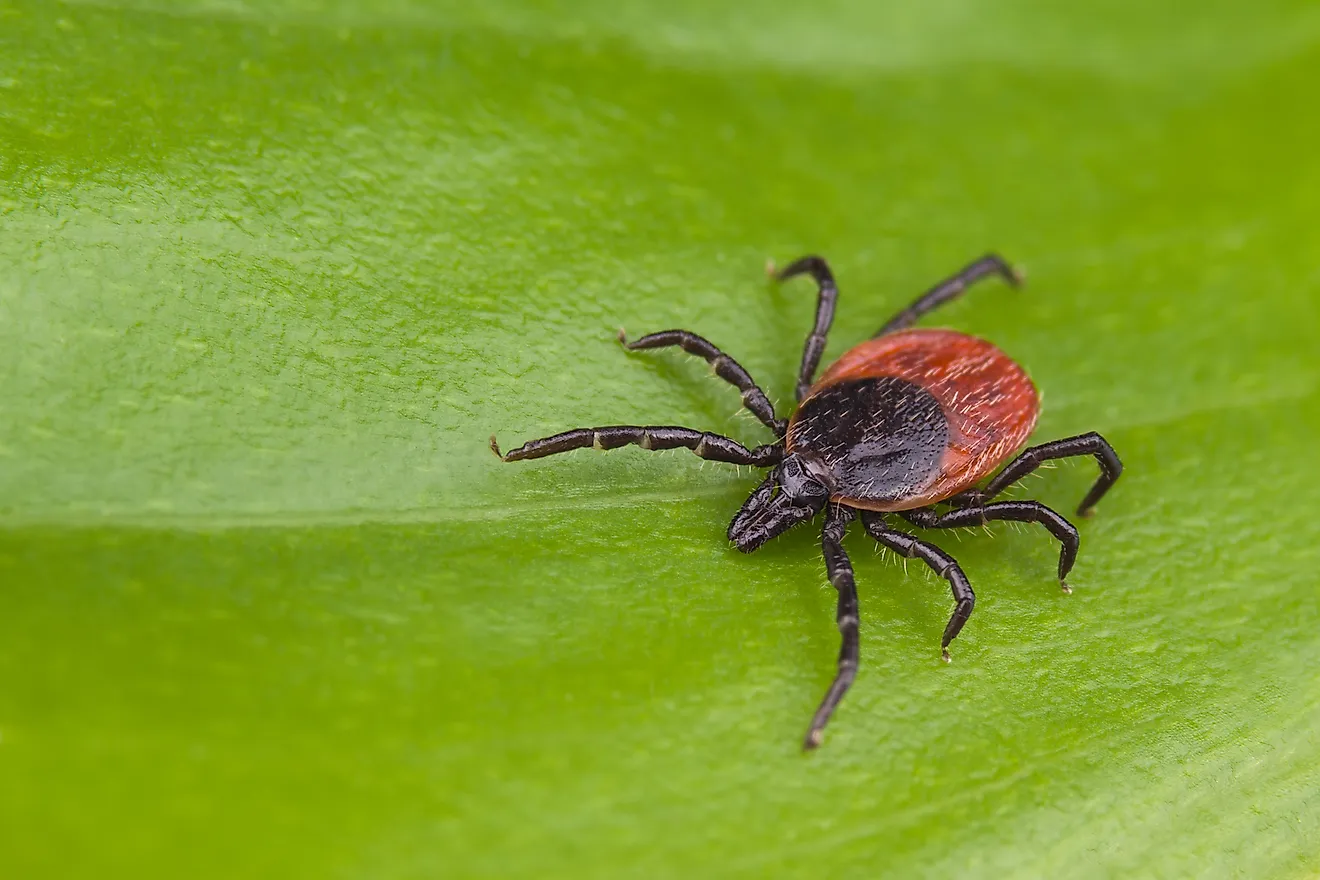
Ontario has become infamous for having among the most established and sizable populations of ticks in Canada, mainly concentrated across southern and eastern parts of the province. Several areas have been identified through provincial and federal surveillance as established Lyme disease risk areas, too, including locations around the Thousand Islands, Long Point, Frontenac County, Pinery Provincial Park, and the Grey-Bruce counties. However, tick activity here varies greatly by location and habitat type, so the potential for danger is not generally uniform across any entire region. With that, this guide will focus on the specific hotspots in Ontario where on-going surveillance, well-documented tick populations, and locally acquired Lyme disease cases have indicated a higher likelihood of you encountering these tiny, bloodthirsty arachnids.
Thousand Islands National Park
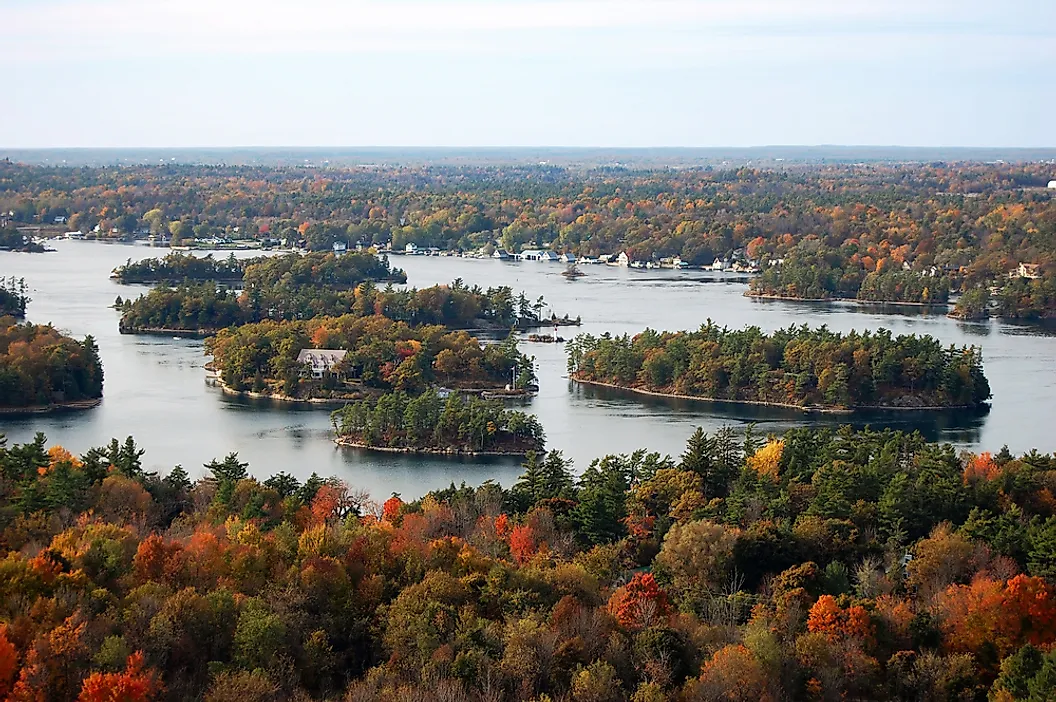
The Thousand Islands National Park area is among Ontario's established risk areas, mainly for blacklegged ticks (also called "deer ticks"), making this scenic destination around the St. Lawrence River a significant concern for hikers and other outdoor visitors.

Featuring a mix of wooded islands, shoreline vegetation, tons of leaf litter, and humid ground cover, the park broadly creates very suitable habitat for the critters. And it extends beyond the park itself into surrounding areas of Eastern Ontario, too, where wooded properties, trails, and grassy edges can further support local tick populations.
Ticks here are most active during spring and summer, peak tourist seasons, but remain active whenever temperatures stay above freezing. Because they can be difficult to spot, those spending time in wooded or brushy areas in and around the Thousand Islands should check themselves and their clothing after outdoor activities.
Long Point

Long Point is another significant tick-risk area deep in southern Ontario, particularly around the Long Point peninsula and Long Point Provincial Park on Lake Erie. The peninsula contains plenty of forests, wetlands, brush, and tall vegetation that provide suitable habitat for blacklegged ticks again, with federal surveillance having identified the peninsula as an established Lyme disease risk area.

The danger is not limited to heavily wooded sections, though, as resident ticks can also occur along the transition between forest and open areas, where foliage is dense enough to provide shelter and humidity.
This mostly pristine, nature-filled spot, of course, attracts hikers, campers, birdwatchers, and other visitors throughout the warmer months, increasing opportunities for human contact with ticks. As said before, blacklegged ticks can stay active whenever temperatures stay above freezing, so the potential exposure period here extends beyond summer into spring and fall, too.
Frontenac County

Frontenac County is a major hotspot in Eastern Ontario, with the Public Health Agency of Canada identifying it among the province's main Lyme disease risk areas. This region, which rests in and around Kingston and the Frontenac Islands, contains several notable forests, wetlands, trail systems, and grassy fields and meadows where blacklegged ticks can thrive.

Frontenac's position within the St. Lawrence Valley also places it within a broader zone of established tick activity extending across the province's southeastern corner toward Ottawa, bleeding out into several other popular nearby parklands and nature preserves. With that, the area's abundant outdoor recreational spaces bring lots of paddlers, hikers, and other kinds of visitors into zones where the pests are becoming increasingly common.
Pinery Provincial Park

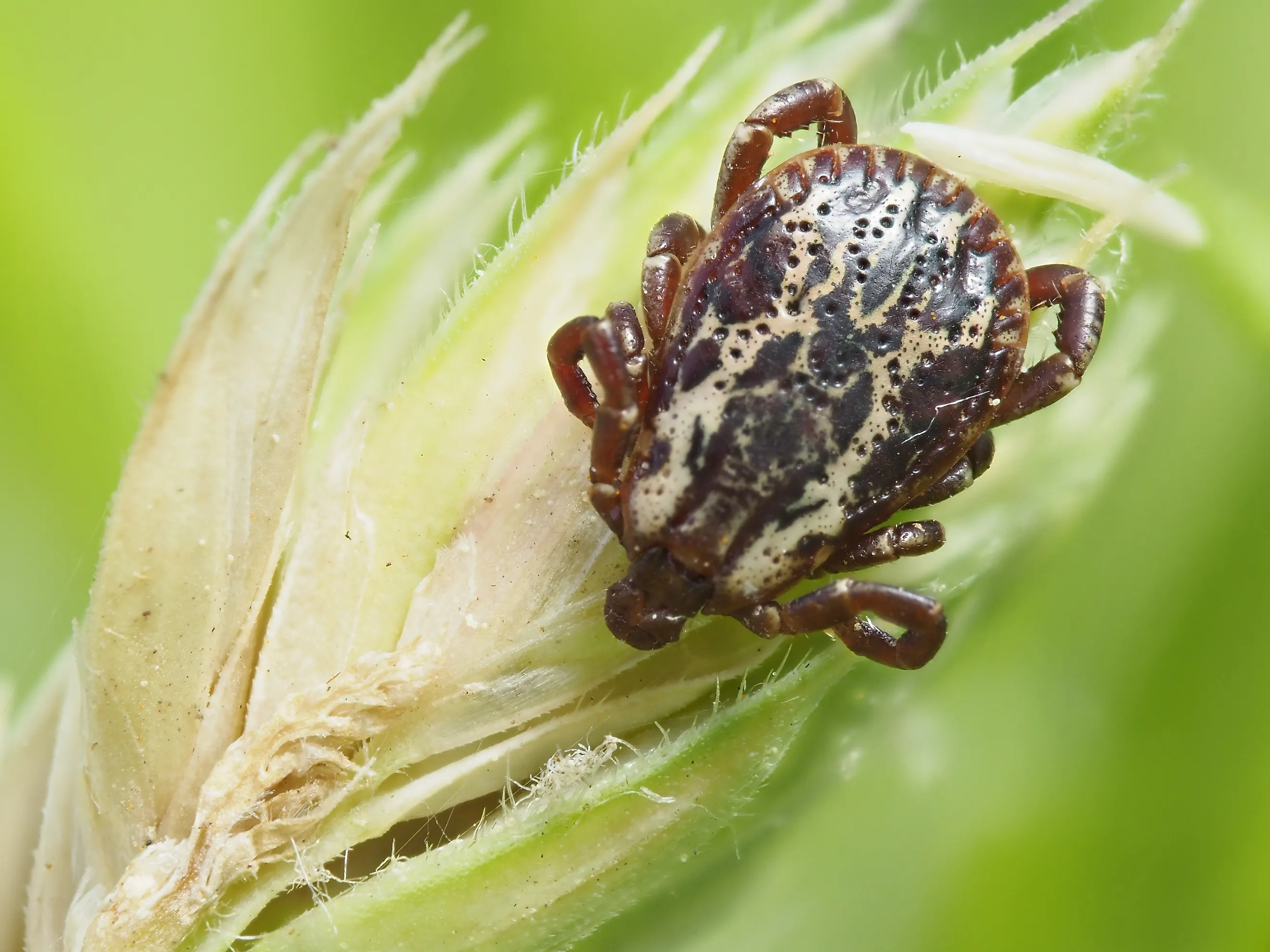
Pinery Provincial Park, on the eastern shore of Lake Huron, is a notable black-legged and dog tick-infested area. As a result, it is yet another one of the province's better-known locations for Lyme disease. In fact, the park is specifically identified by the Public Health Agency of Canada as being among Ontario's most established Lyme disease risk areas.
Its importance comes partly from its unusual coastal ecosystem, hosting oak savannas, dune ridges, forest, and all-around high levels of vegetation, all of which create varied but ideal living space for the blood-hungry arachnids.

The surrounding Lambton County area has also recorded locally acquired Lyme disease, making the danger relevant beyond the park boundaries. Moreover, the location on the Great Lakes places it within the broader southern Ontario zone, where already well-established tick populations have been historically documented.
But because of its pleasant climate and great selection of scenery, Pinery similarly attracts large numbers of visitors for camping, hiking, cycling, and beach access, often putting people in close contact with the same vegetation and woodland edges that ticks love to hang out in.
Grey and Bruce Counties

The Grey-Bruce region has become a well-known hotspot for a number of species, namely dog ticks, blacklegged ticks, squirrel ticks, and groundhog ticks. In 2024, Grey Bruce Public Health reported the combined counties as a high-risk area after 2023 surveillance detected blacklegged ticks. Earlier surveillance had already identified areas along the Lake Huron shoreline, covering portions of Northern Bruce Peninsula, South Bruce Peninsula, Georgian Bluffs, Saugeen Shores, Arran-Elderslie, and Kincardine.

This expansion is notable because it shows that tick activity in the region is not confined to any single locale anymore. Furthermore, Grey-Bruce's numerous popular outdoor recreational areas, including Bruce Peninsula National Park and the shoreline around Georgian Bay and Lake Huron, bring substantial foot traffic into these established tick zones.
Public Health Ontario now maintains interactive surveillance data showing where local tick populations have been identified and how established hazard areas have expanded across the province.
Keep these Ontario Tick Hotspots in Mind the Next Time You Head Out
Ticks in Ontario are currently concentrated in a number of specific regions, but with climate change and changing land use, populations continue to expand into new areas. With that in mind, well-funded studies remain important for tracking where ticks of all species are becoming established and where Lyme disease transmission is regularly occurring. However, knowing these higher-risk areas can help you make informed, safe decisions when spending time outdoors today.