5 Tick Infested Areas In Alabama
Here is a fact that stops Alabama hikers cold: a single tick bite can leave you allergic to red meat for years. That's alpha-gal syndrome, and in the United States it's tied mainly to the lone star tick, which happens to be the most common tick in Alabama. Most bites won't do that, and most won't make you sick at all. But the state's mild winters, humid summers, and miles of woods and tall grass add up to some of the busiest tick country in the South.
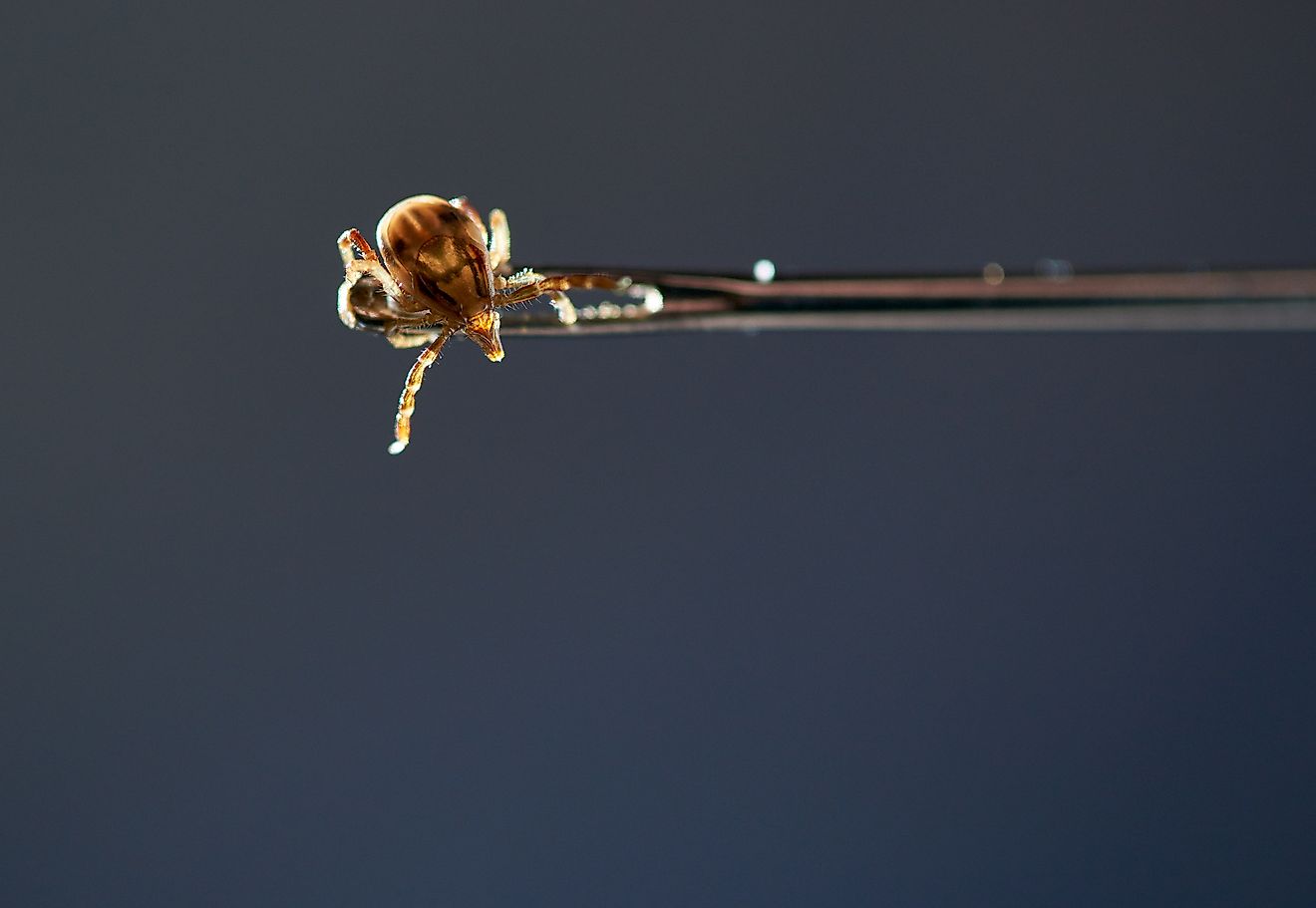
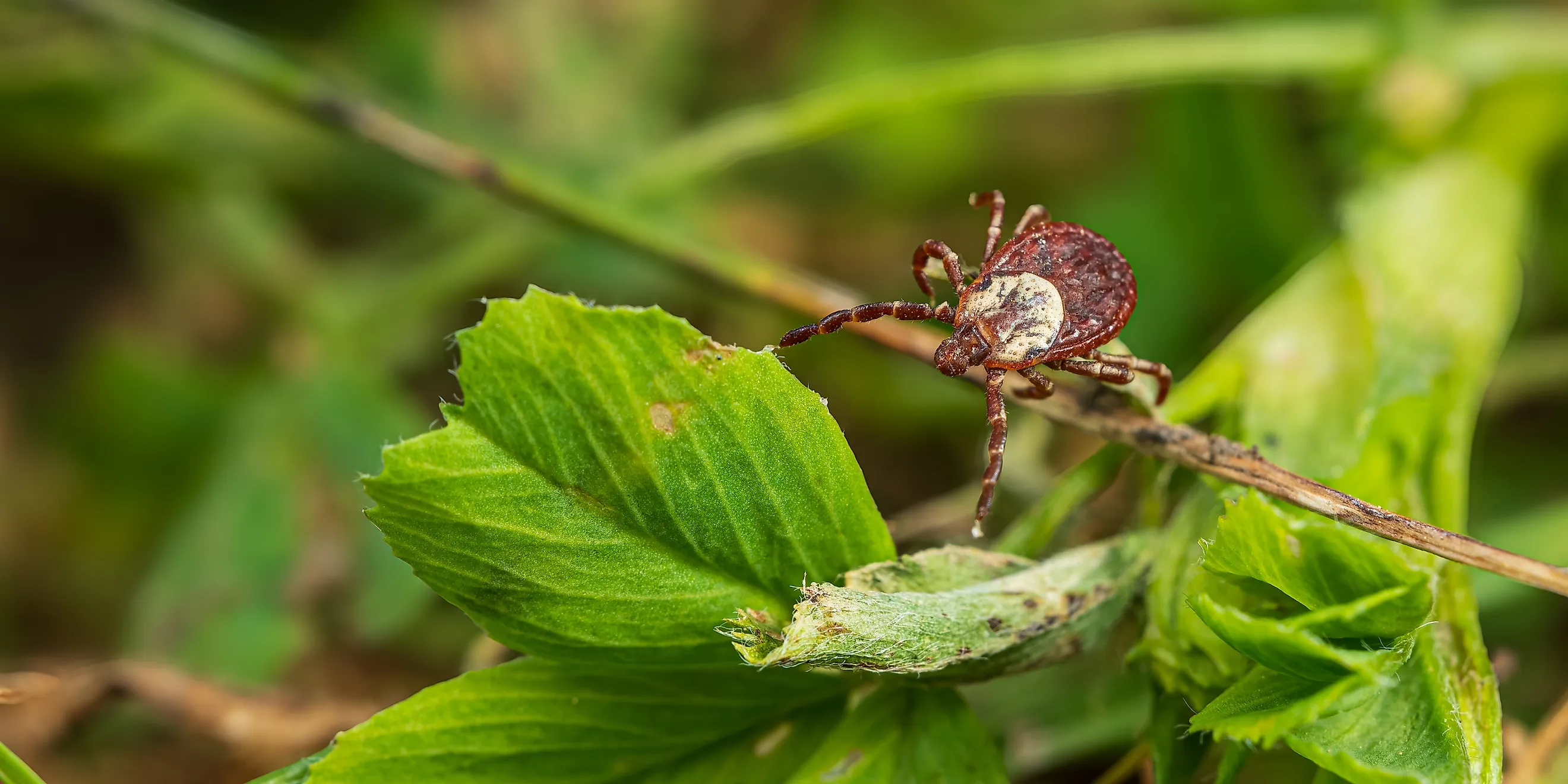
Ticks aren't insects, by the way. They're arachnids, cousins of spiders, and Alabama has several worth knowing. The lone star, the American dog tick, and the blacklegged (deer) tick are the big three, with the Gulf Coast tick along the shore and a brand-new arrival up in the northeast. Between them they can pass along spotted fever rickettsiosis, the most commonly reported tickborne illness in the state, plus ehrlichiosis, a Lyme-like rash illness, and, less often, true Lyme disease. Here's where they concentrate around Alabama, and how to stay off the menu.
Northwest Alabama

Up in the northwest corner, the same shaded creeks and wooded trails that make the Muscle Shoals area such a pleasant place to roam are exactly what ticks like. The American dog tick is the one to watch here. It's the main carrier of spotted fever rickettsiosis, Alabama's most commonly reported tickborne illness, and the related Rocky Mountain spotted fever can turn serious fast if it isn't treated early.
You'll also cross paths with the blacklegged tick, the species behind Lyme disease, though true Lyme stays relatively uncommon in Alabama compared with the Northeast. The aggressive lone star tick rounds out the trio, lurking in leaf litter, tall grass, and shaded yards. If you're walking the trails at Cane Creek Canyon Nature Preserve near Tuscumbia or heading deep into Bankhead National Forest, check your ankles.
Central Alabama

Drop down to the middle of the state and the lone star tick takes over. In Central Alabama it accounts for the overwhelming majority of tick encounters, and here's the unsettling part: you'll find it out in open grassy fields as well as along shaded trails. Most ticks sit in the shade and wait. This one will cross sunny ground to come find you. It can carry ehrlichiosis, treatable but occasionally serious, plus the alpha-gal red meat allergy mentioned up top.
The blacklegged tick shares the territory, riding the white-tailed deer that browse the region's mixed pine and hardwood bottomlands. Oak Mountain State Park, Alabama's largest, sits just south of Birmingham in Pelham and is prime habitat, as is Talladega National Forest to the east, where steady humidity and a reliable supply of host animals let ticks thrive.
Northeast Alabama

In the Appalachian foothills of Northeast Alabama, the lone star tick leads again, with the American dog tick close behind, the latter carrying that same spotted fever rickettsiosis. Shaded, canopied trails like the ones at Monte Sano State Park near Huntsville and DeSoto State Park in Fort Payne are beautiful and thick with exactly the kind of cover ticks love.
This is also where Alabama's newest tick turned up. In April 2026, the state agriculture department confirmed the first Asian longhorned tick in Alabama, found on a stray dog in DeKalb County. It's an invasive species from eastern Asia, smaller than a sesame seed, and it has an unsettling trick of its own: females can reproduce without mating, laying up to 2,000 eggs at a time, so a single tick can seed an entire population. For now it's mainly a livestock concern, capable of spreading Theileria orientalis to cattle, and it hasn't been shown to be a meaningful source of human illness in the US. Still, it feeds on people and pets too, so it's worth knowing your new neighbor.
The Black Belt Region

The Black Belt takes its name from the dark, fertile soil that runs in a band across the lower-central part of the state, west toward the Mississippi line. That blend of grassland, pine forest, and a heavy deer population is basically a tick buffet. The lone star and blacklegged ticks dominate, between them capable of passing along ehrlichiosis and Lyme disease.
The risk clusters where the cover is thickest: state parks, overgrown lots, and the brushy edges of pine woods that trap humidity and hand ticks the damp microclimate they need. Whether you're poking around Roland Cooper State Park in Wilcox County, Bladon Springs State Park in Choctaw County, or just walking the wooded edges common across Marengo, Greene, and Sumter counties, the same rule applies. Cover up, and check often.
Gulf Coast Region

Down on the coast, the crowds come for Gulf Shores and Orange Beach, but the warm, humid air and open grassy stretches behind the dunes suit ticks just fine. Alongside the usual American dog and lone star ticks, this is the home turf of the aptly named Gulf Coast tick. It prefers big hosts like cattle, deer, and coyotes, but it'll happily latch onto a person or a dog given the chance.
Gulf Coast ticks don't spread Lyme disease, but some carry Rickettsia parkeri, which causes a spotted fever milder than the Rocky Mountain kind, though still no fun. You're less likely to meet one on the sand than along the roadsides, grasslands, cleared lots, and wetland edges just inland. One more thing: University of South Alabama researchers flagged that this year's mild winter pushed tick season in the south earlier than usual, so it starts sooner than the calendar suggests near Gulf Shores and beyond.
How Not To Bring One Home
None of this means you should hide indoors all summer. A few habits keep the odds in your favor. Steer clear of tall grass and leaf litter where you can, and where you can't, treat your clothes and gear with a product containing 0.5% permethrin and use an EPA-registered repellent on exposed skin. Light-colored clothing makes the dark little hitchhikers easier to spot. The single best move is also the simplest: do a thorough tick check every time you come in from outside, kids and dogs included.
Want a local read before you head out? Alabama's Tick Risk and Forecast lets you punch in a zip code for current activity levels. And if you do find one attached, the Alabama Department of Public Health points people to the CDC's Tick Bite Bot, a quick interactive guide to whether you need to see a doctor. Pull the tick straight out with fine-tipped tweezers, clean the spot, and watch for fever or a rash over the next couple of weeks. A little caution buys you a whole summer outside.