5 Most Shark Infested Beaches In South Carolina
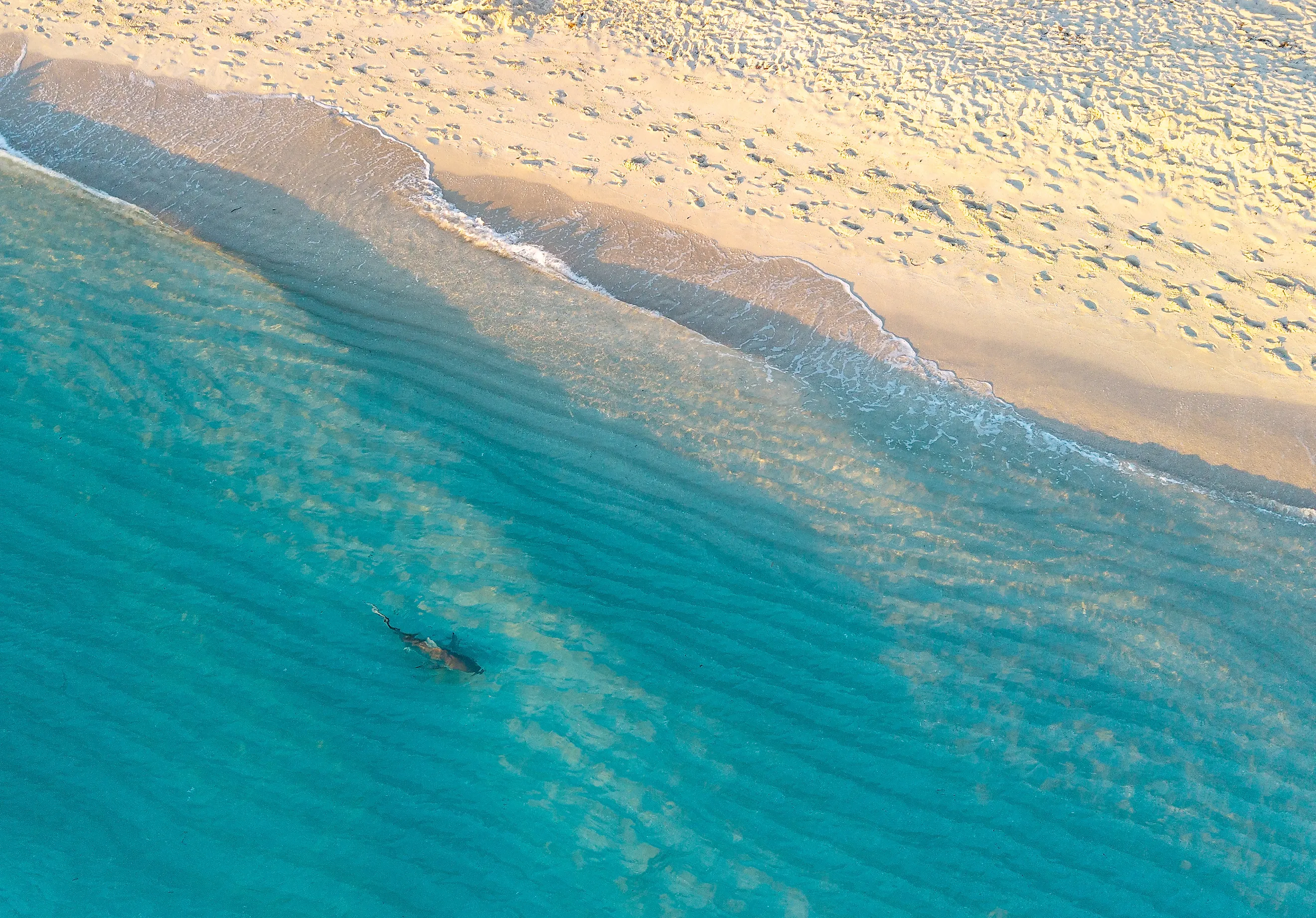
The waters off South Carolina hold at least a dozen shark species, from blacktips and bonnetheads close to shore to bull, tiger, and the occasional great white farther out. Millions of people swim these beaches every summer, and bites do happen, though they remain rare and almost never serious. The sharks are most active in the warmer months, when both the water temperature and the crowds peak. Five stretches of the South Carolina coast see the most shark activity, and each one still draws swimmers, surfers, and beachcombers all season long. Knowing what shares the water is the first step toward swimming smart.
Myrtle Beach

More than 17 million visitors come to Myrtle Beach each year for its 60 miles of sandy shoreline, the boardwalk, the nightlife, and the Grand Strand's easy coastal pace. Blacktips, spinners, and sandbar sharks are the species most often seen close to shore, and sightings pick up through the summer. These are smaller sharks that generally keep their distance from people.
Shark bites here are uncommon, and the ones on record have been minor. The most recent encounter, in 2024, left two swimmers with minor injuries that were treated quickly. Sharks are most active from May through September, the same months the beaches are busiest, which explains most of the occasional run-ins. If you see a shark, back away slowly, limit splashing, and, if one comes too close, push it away by the tip of its snout.
Sea Pines and Hilton Head Island

Sea Pines, on the south end of Hilton Head Island, is best known for the Harbour Town Golf Links, its bikeable beaches, and dolphin tours. Hilton Head averages only two to three shark bites in a typical year, even as visitor numbers climb, so the risk to any one swimmer stays low.
Two bites made headlines in June 2025, days apart. The first, on June 17, involved a 12-year-old girl bitten on the leg in the water off Sea Pines; the second, on June 22, involved a teenage girl bitten on the leg at Coligny Beach Park a few miles up the island. Both injuries were non-life-threatening, and both girls were treated and released. Safety experts recommend staying out of the water at dawn and dusk, keeping clear of areas where fish are splashing, and leaving shiny jewelry on shore, since a shark can mistake it for the flash of fish scales.
Folly Beach

Sharks live in the Atlantic, so no South Carolina beach is entirely free of them, and Folly Beach, Charleston's laid-back beach town, is no exception. Sightings turn up occasionally, especially near the Folly Beach Pier, where fishing activity draws sharks in. Blacktips and bonnetheads are the most common species close to shore, and bull, tiger, and hammerhead sharks have been reported in the deeper water off the pier.
The odds of a bite at Folly Beach are low, and a few basic precautions lower them further. Stay out of the water during and after storms, and watch for diving birds and jumping fish, which can signal a feeding shark nearby. Beachcombers who would rather stay dry can hunt for shark teeth along the sand, where lemon, sand tiger, and bull shark teeth turn up, and, on a lucky day, even a great white tooth.
Isle of Palms

Isle of Palms sits about 30 minutes from downtown Charleston and offers seven miles of clean, sandy beach. Beachcombers find shells along the shore and sand dollars in the shallows, and every year loggerhead turtles come ashore to lay their eggs. Dolphins and sharks swim these waters too.
Blacktip sharks are the ones most often spotted near the beach in summer. They are frequently mistaken for more dangerous species, but they are timid and tend to avoid people. In May 2023, a woman wading off Isle of Palms was bitten in the leg, most likely a case of mistaken identity, according to local fire officials. She was treated and released the same evening.
Hunting Island

Hunting Island lies about 15 miles east of Beaufort, South Carolina, and has been a state park since 1935. It draws more than a million visitors a year to roughly five miles of soft sand on the Atlantic side of the island. The other side is an estuary of tidal marsh, where dolphins, tiger sharks, crabs, and osprey live.
Sightings are most common near the estuary, where the sharks feed. Even so, most visitors are far more likely to find shark teeth than a shark, and some of the teeth that wash up here are thousands of years old. The last bite at Hunting Island was in 2015, and it was most likely a case of a shark mistaking a swimmer for a fish.
Sharing The Water Safely
Sharks are a natural part of the South Carolina coast, and their presence is no reason to stay out of the water. Myrtle Beach, Sea Pines and Hilton Head, Folly Beach, Isle of Palms, and Hunting Island all record sightings and the occasional bite, but serious attacks are rare. Swimmers cut their risk further by staying alert, avoiding the water at dawn and dusk, keeping clear of schools of fish, and heeding local beach warnings. Sharing the ocean with wildlife is simply part of what a South Carolina beach day involves.