5 Most Rattlesnake Infested Areas In The Great Lakes
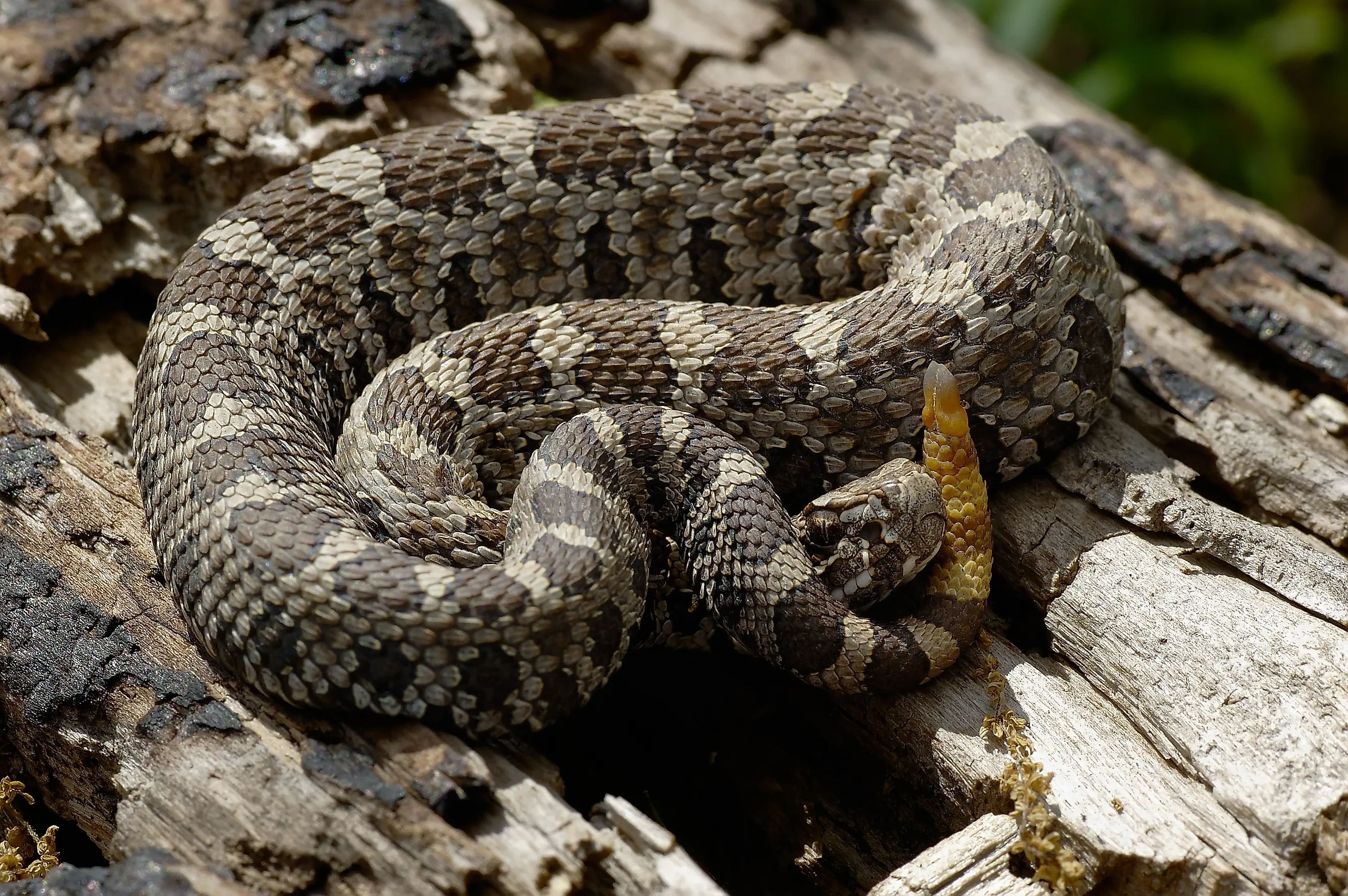
The Great Lakes aren't particularly known for their reptile life, but the surrounding shorelines and wetlands in both the US and Canada hold several established populations of rattlesnakes. The eastern massasauga is the primary species, turning up across wetlands, shorelines, parks, and forests. These cold-blooded predators are small, thick-bodied pit vipers with a gray or light brown base color marked by dark, irregular dorsal blotches, a short segmented rattle, and vertical pupils.
Run-ins are infrequent because of the species' secretive behavior, but certain areas consistently report higher sightings for both visitors and field biologists. The five locations below, spread across Michigan and Ontario, represent the most reliable concentrations of rattlesnake activity in the basin.
Harsens Island, Michigan - Lake St. Clair

Harsens Island sits within the St. Clair Flats and holds one of Michigan's more active populations of eastern massasauga. The island's low elevation and patchwork of marsh, wet prairie, and lightly wooded upland create ideal conditions for the species. Seasonal flooding shapes a landscape with abundant prey (small mammals and amphibians) and limits intensive development in key areas.
Massasaugas here are most often encountered along drier ridges and raised pathways that border wetlands. They rely on dense grass, fallen debris, and muskrat burrows for cover and are easy to overlook until closely approached. Activity peaks from late spring through early fall, particularly during warm mornings when snakes move between basking and foraging sites.

The combination of extensive wetlands and relatively low disturbance supports a stable population, making Harsens Island one of the more reliable rattlesnake locations in the region.
Bruce Peninsula, Ontario - Lake Huron

The Bruce Peninsula and its accompanying national park support one of the highest concentrations of eastern massasauga in Canada. The rattlesnake persists here because the landscape provides a tight mix of wetlands, alvar, and forests, all habitats it relies on for shelter, thermoregulation, and seasonal movement. Open limestone flats warm quickly in spring, and nearby marshes and bogs offer hunting grounds rich in small mammals, frogs, and other prey.

Massasaugas on the peninsula are most often encountered along trail margins, boardwalk edges, and transitional zones between dry rock and wet ground. They use crevices, root systems, and dense ground cover for concealment, which makes them difficult to spot despite their presence.
Cooler northern temperatures shorten the active season, but during late spring and summer sightings increase measurably. The relative continuity of undeveloped habitat across the peninsula allows populations to persist at levels rarely seen elsewhere in Ontario.
Allegan State Game Area, Michigan - Lake Michigan

The Allegan State Game Area covers more than 50,000 acres in southwest Michigan and supports one of the most concentrated populations of eastern massasauga in the Lower Peninsula. Allegan, Barry, and Kalamazoo counties together form one of three regional clusters of confirmed sightings tracked by the Michigan Natural Features Inventory across the southern part of the state. The area's mix of oak savanna, lowland marsh, and old-field meadow gives the species the layered habitat it needs through the year.
Snakes are most often encountered along the edges of wet meadows and on raised ground around the Kalamazoo River drainage, where small mammals are abundant and basking sites are easy to find. Activity is heaviest from April through October. Mornings and late afternoons tend to be the most productive times for sightings, especially after a cool night.

The Game Area drains into Lake Michigan via the Kalamazoo River, and the habitat shares many of the wetland features that define massasauga sites elsewhere in the basin. Public-land protection and a still-functioning mosaic of native habitats make the property one of the more reliable rattlesnake locations in the state.
The Georgian Bay Shoreline, Ontario - Lake Huron

The eastern Georgian Bay shoreline holds one of the most intact populations of massasaugas in Canada. The stretch is defined by exposed granite, patchy pine forest, cottage properties, and extensive wetlands, creating a varied landscape that suits the species' seasonal needs. The barren rock outcrops of the Canadian Shield provide hidden crevices, and adjacent marshes and shallow inlets supply consistent food.

Resident massasaugas here are often associated with the transition zones between open rock and vegetated lowlands. They use fissures in the bedrock, downed timber, and dense ground cover for shelter, shifting between habitats as temperatures change. The complexity of the terrain allows snakes to remain concealed even in areas with regular human activity, particularly near cottages and shoreline trails at locales like Killarney Provincial Park and Georgian Bay Islands National Park.
Killbear Provincial Park, Ontario - Lake Huron

Killbear Provincial Park sits on a peninsula on the eastern shore of Georgian Bay near Parry Sound and protects roughly 1,750 hectares of mixed forest, granite outcrop, and shallow inland wetland. The park runs one of the most active rattlesnake-conservation programs in Canada, with daily snake talks, an ecopassage and exclusion-fence system to reduce road mortality, and a live massasauga on display at the Visitor Centre.
Sightings are most common along trails through the granite-and-pine landscape that defines the shoreline, where snakes bask on warm rock between hunting trips into the surrounding wetlands. Park staff at Killbear have logged road-mortality records since the mid-2000s and use them to refine the placement of fencing and ecopassages along park roads. While massasaugas occur along much of the eastern Georgian Bay coast, Killbear remains the single most predictable park in the region for visitors who actually want to see Ontario's only venomous snake.
Will You Spot A Rattlesnake On Your Next Great Lakes Trip?
Across the Great Lakes basin, rattlesnakes turn up in a select set of habitats with the right mix of shelter, prey, and seasonal conditions. The eastern massasauga remains elusive everywhere it occurs, but the five regions above offer the highest likelihood of encounters for visitors who want to see one and the best context for staying out of their way for those who don't. Either way, knowing where and why they show up adds useful framing for safety and conservation in one of North America's most overlooked snake ranges.