5 Must-See Historic Forts In Minnesota
The historic forts of Minnesota built the early framework for the state, both during wartime and during stretches of fragile peace. Fort Snelling was a major fur-trading post by the early 19th century and went on to serve through several wars before being decommissioned during World War II. Fort Saint Charles sits on the shore of Lake of the Woods at Magnuson's Island, reachable today only by boat. The original fell into ruin, but a reconstruction stands on the site. The five forts below tell some of the most interesting (and often most difficult) chapters of Minnesota's history.
Fort Snelling

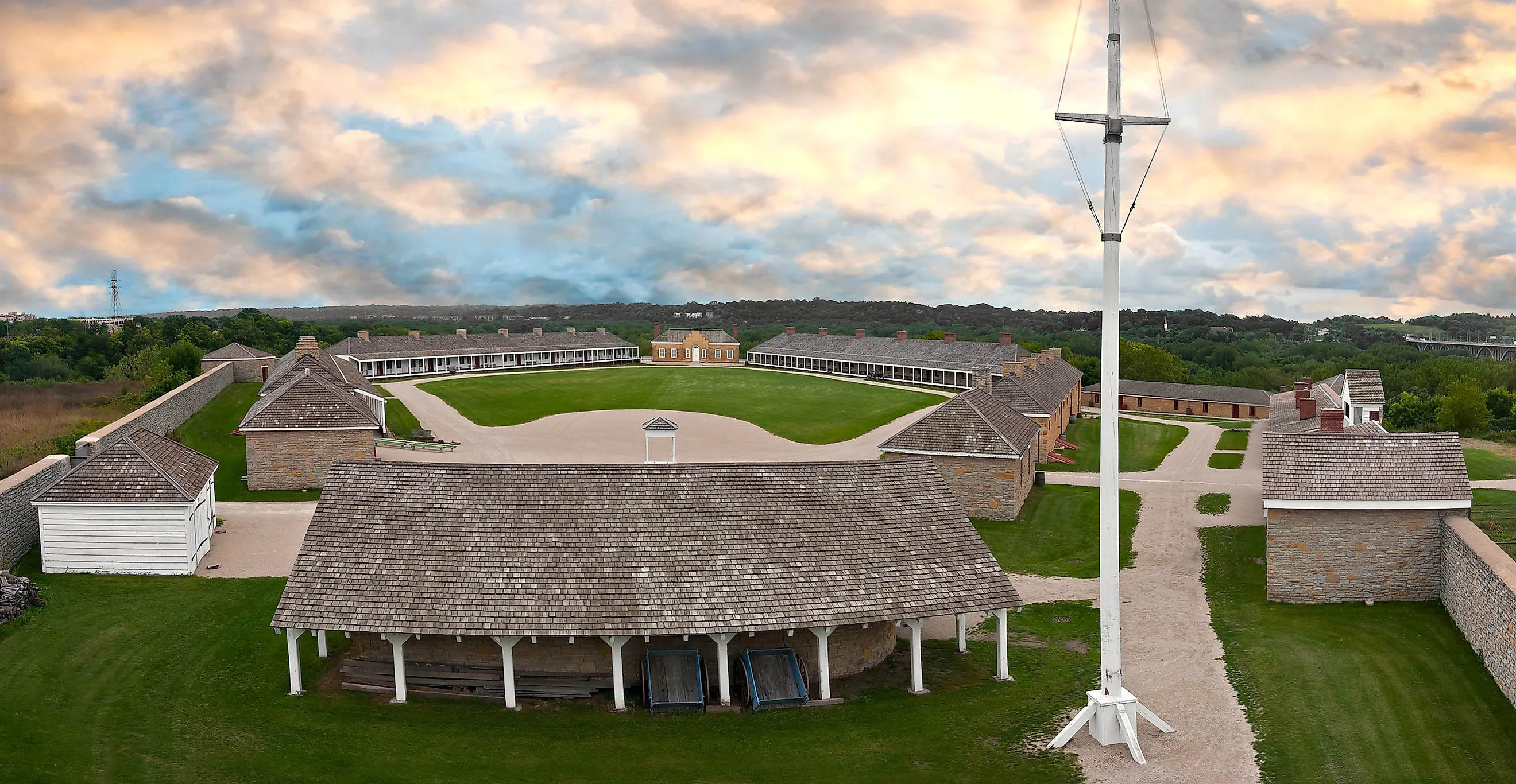
This fort sits on Dakota homeland and is now a National Historic Landmark. Fort Snelling has stood atop a bluff overlooking the Minnesota and Mississippi Rivers since construction began in the 1820s. It was built to anchor U.S. presence in the region and to oversee the fur trade, with the American Fur Company operating a major post just across the river at Mendota. The fort kept the British from descending from Canada, maintained boundaries with Native American nations, and controlled European settlement until more land was taken from the Native nations through treaty. Once the fur trade declined, the fort's main purpose was farming and cutting firewood. Fort Snelling saw active war during the Civil War, when it was used as a military training center.

In 1862, during the U.S.-Dakota War, the fort was used as an internment site where roughly 1,600 Dakota women, children, and elders were held in a stockade through the winter, with many dying of disease, exposure, and hunger. Snelling kept its significance during World War I and was nicknamed the "country club of the army" for its polo events and swimming pools. After World War II, the fort was decommissioned and the site declared a National Historic Landmark. Restorations have since brought the grounds closer to their original form, and the site is open to visitors.
Fort Ridgely

Inside Fort Ridgely State Park, Fort Ridgely was a frontier U.S. Army outpost overlooking the Minnesota River. Founded in 1853, it was placed near the new Dakota reservation lines drawn under the 1851 Treaties of Traverse des Sioux and Mendota, by which the Dakota ceded roughly 24 million acres in southern Minnesota under terms widely contested then and now. Treaty violations, withheld annuity payments, and starvation in the years that followed culminated in the U.S.-Dakota War of 1862, which included the siege of Fort Ridgely.

After two attacks on the fort, the military and civilians inside held their ground until Army reinforcements ended the siege. The park was established in 1911 and added to the National Register of Historic Places in 1970. The site today offers interpretive displays plus hiking and horseback riding trails, trout-stream fishing, camping, snowshoeing, and snowmobiling.
Fort Ripley

Fort Ripley is a small town of roughly 84 people. Originally constructed as a US military installation, the small town is now a part of Camp Ripley. The former army outpost was settled on the upper Mississippi River, experiencing its most intense military presence during the Civil War. After the Dakota War of 1862, the fort became a base for western military campaigns.

Post-war, a fire in the fort destroyed three of the buildings, eventually forcing it to permanently close. The grounds were eventually converted into a National Guard training site, which is partially open to the public as a museum.
Fort Saint Charles

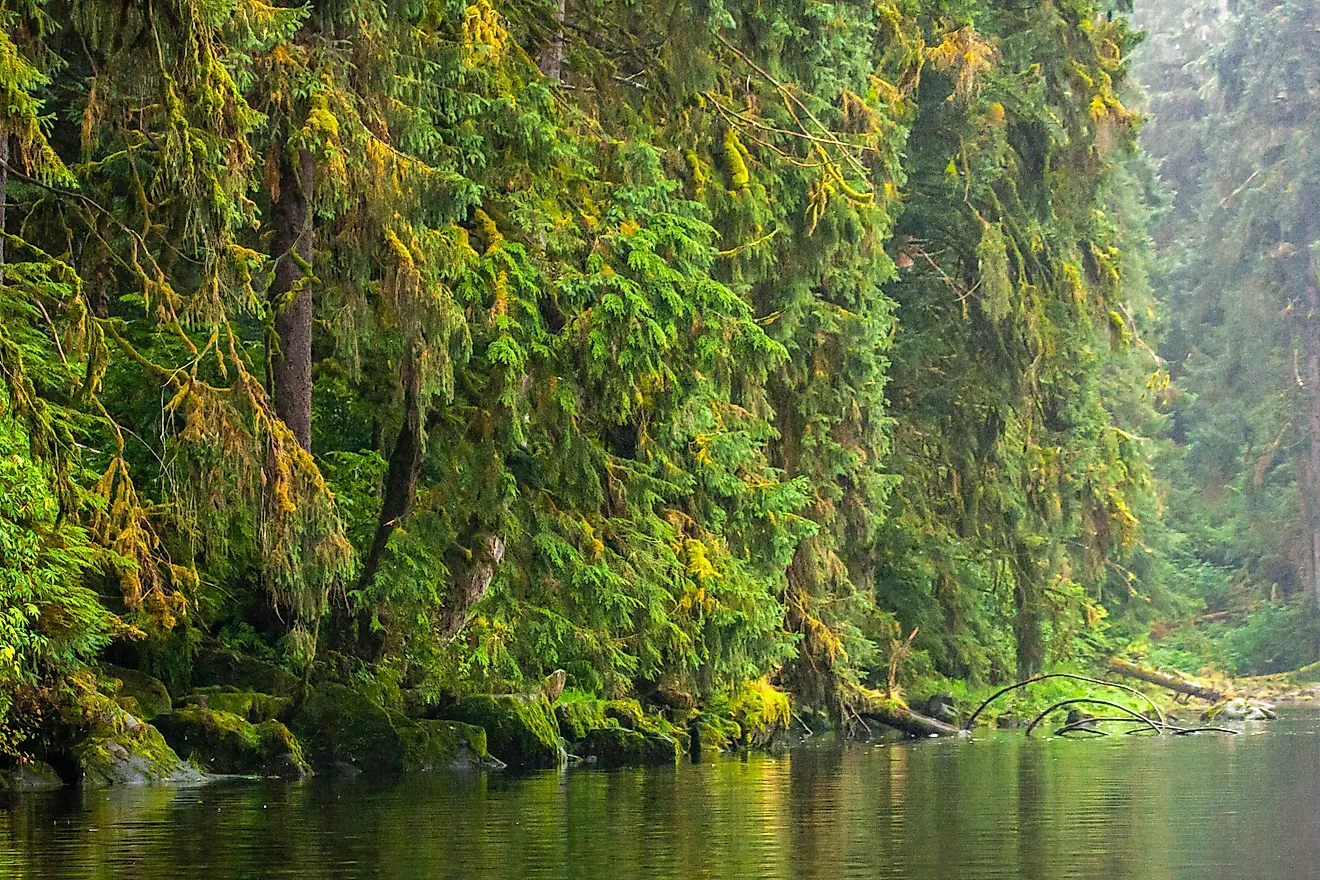
Founded in 1732, Fort Saint Charles sits at the northernmost tip of Magnuson Island and marks the location of the original French fort and fur trading post. The forest has surrounded the property for over 250 years. Native peoples came regularly to barter furs and stayed in the area to grow corn and peas. The original fort fell into ruin, but a reconstruction stands on the original site and is open to the public, accessible by boat. Snowmobiling on the grounds is permitted in winter.
Fort Belmont

A small log fort, Fort Belmont still played an outsized role in the early growth of Jackson County. Measuring just 18 feet by 26 feet, the fort served as a refuge for pioneer families during periods of regional unrest. Visitors can explore the fort and the buildings on the surrounding grounds. The nine on-site buildings include the Delafield Church, a drug store, a museum, a watchtower, and a sod house, among others.
Five Forts, Five Stories
Some of Minnesota's forts grew out of war; others were built to control the fur trade. The harsh Minnesota winters made fur a valuable commodity, and the forts gave traders a place to gather and exchange pelts. Original, reconstructed, or long gone, all five sites tie back to the state's history. Don't skip a chance to visit these five historic Minnesota forts.