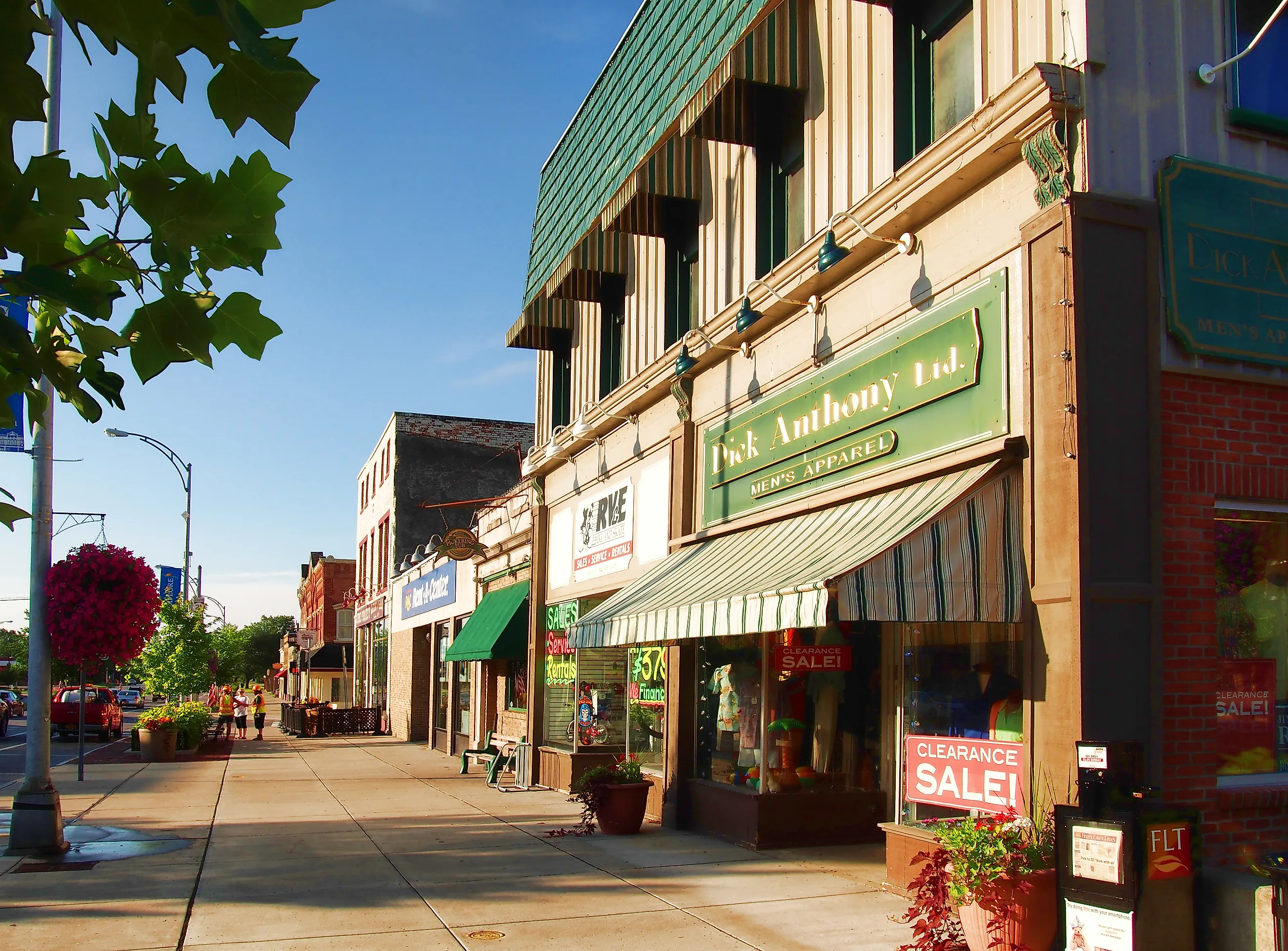
6 Finger Lakes Towns Where Time Stands Still
The Finger Lakes are best known for their wine and water, but the towns along their shores carry an unusual amount of 19th-century American history per mile. Seneca Falls hosted the first women's rights convention in 1848. Auburn was Harriet Tubman's home for the last 50 years of her life and the burial place of Lincoln's Secretary of State, William Henry Seward. Geneva's 1894 Smith Opera House still books concerts on the same stage that has hosted Bruce Springsteen, the Met Opera, and most of the touring musicians passing through upstate. The six towns below trade on the kind of history most coastal towns don't have, all wrapped around the same wine and water that draws everyone else.
Seneca Falls

Seneca Falls calls itself the "Historic Gateway to the Finger Lakes" and sits along the Cayuga-Seneca Canal between Seneca Lake and Cayuga Lake. The town hosted the first women's rights convention in the United States on July 19-20, 1848, where Elizabeth Cady Stanton and 67 others signed the Declaration of Sentiments. Women's Rights National Historical Park preserves the Wesleyan Chapel where the convention took place along with Stanton's house, with exhibits on the convention's leaders and their abolitionist allies. Outside town, Montezuma National Wildlife Refuge runs more than 10,000 acres of marsh and open water along the Atlantic Flyway. Montezuma Winery & Hidden Marsh Distillery handles the local tasting side, with seasonal wine slushies on the menu in summer.
Canandaigua

Canandaigua sits on the north shore of Canandaigua Lake. The Treaty of Canandaigua was signed here in 1794 between the United States and the Six Nations of the Iroquois Confederacy, and the town was incorporated as a city in 1913. The Canandaigua City Pier runs along the lakefront with a row of historic boathouses lined up beside it. Sonnenberg Gardens & Mansion State Historic Park covers nine landscaped gardens around the 1887 Queen Anne mansion of Frederick Ferris Thompson, founder of the First National Bank of the City of New York. The Granger Homestead and Carriage Museum, in the 1816 home of Postmaster General Gideon Granger, holds one of the country's largest collections of horse-drawn vehicles.
Hammondsport

Hammondsport sits at the southern tip of Keuka Lake and dates to the mid-1800s. The Glenn H. Curtiss Museum, a few minutes from the village square, holds aircraft, motorcycles, and vintage vehicles tracing the work of the Hammondsport native who founded one of the country's first aircraft companies and won the first pre-arranged airplane race in the United States in 1909. The Finger Lakes Boating Museum holds more than 100 wooden boats covering regional sailing, motor, and ice-boat history. Bully Hill Vineyards, on the slope above town, runs more than 40 wines for tasting alongside its restaurant and museum dedicated to founder Walter S. Taylor. Crooked Lake Ice Cream Company on Shethar Street serves omelets and burgers at the counter alongside the ice-cream window.
Auburn

Auburn is the largest of these towns at about 27,000 residents and was founded in 1793. The town was a significant stop on the Underground Railroad, and the Harriet Tubman Home, where Tubman lived for the last 50 years of her life and where she died in 1913, is preserved as a National Historic Landmark with tours covering Tubman's later abolitionist and humanitarian work. Auburn was also home to William Henry Seward, Lincoln's Secretary of State and the architect of the Alaska Purchase. The Seward House Museum, on South Street, holds one of the largest original family-owned collections in the country, with most of the furnishings, books, and personal items the Seward family used through the 19th and 20th centuries still in place. Emerson Park, on the north shore of Owasco Lake, runs 135 acres of waterfront for walks, picnics, and fishing.
Geneva

Geneva sits on the north shore of Seneca Lake and was incorporated as a village in 1812. Belhurst Castle is the standout landmark: the late-19th-century lakeside estate operates today as a hotel and restaurant and is listed on the National Register of Historic Places. Visitors can taste Belhurst Estate wines in the room overlooking Seneca Lake or eat at Edgar's Restaurant on the property. The Smith Opera House on Seneca Street has been booking shows since 1894, when it opened with a production of The Count of Monte Cristo starring James O'Neill. The Richardsonian Romanesque exterior was restored in the 1990s, and the venue still books concerts, films, and live theater under nonprofit operation.
Aurora

Aurora is a small village on the eastern shore of Cayuga Lake, with historic inns and well-preserved 19th-century architecture. First known as Scipio, the village was renamed Aurora in 1795 and incorporated under that name in 1837. Wells College, founded in 1868 by Henry Wells of Wells Fargo and American Express, anchored the village for over 150 years until its 2024 closure, and the campus buildings remain part of the visible architecture. Long Point State Park, just outside town, offers wooded trails and boating and fishing access on the lake.
Where History Sits Lakeside
The Finger Lakes get most of their attention for the wine and the water, but the towns along their shores carry more 19th-century American history per mile than most coastal corridors do. The 1848 women's rights convention site at Seneca Falls. Tubman's home and Seward's house in Auburn. Geneva's 1894 opera house, still booking shows on its original stage. The six stops above all reward a slow visit, and most of them sit within a short drive of each other.