5 Most Rattlesnake Infested Areas on the Chesapeake Bay
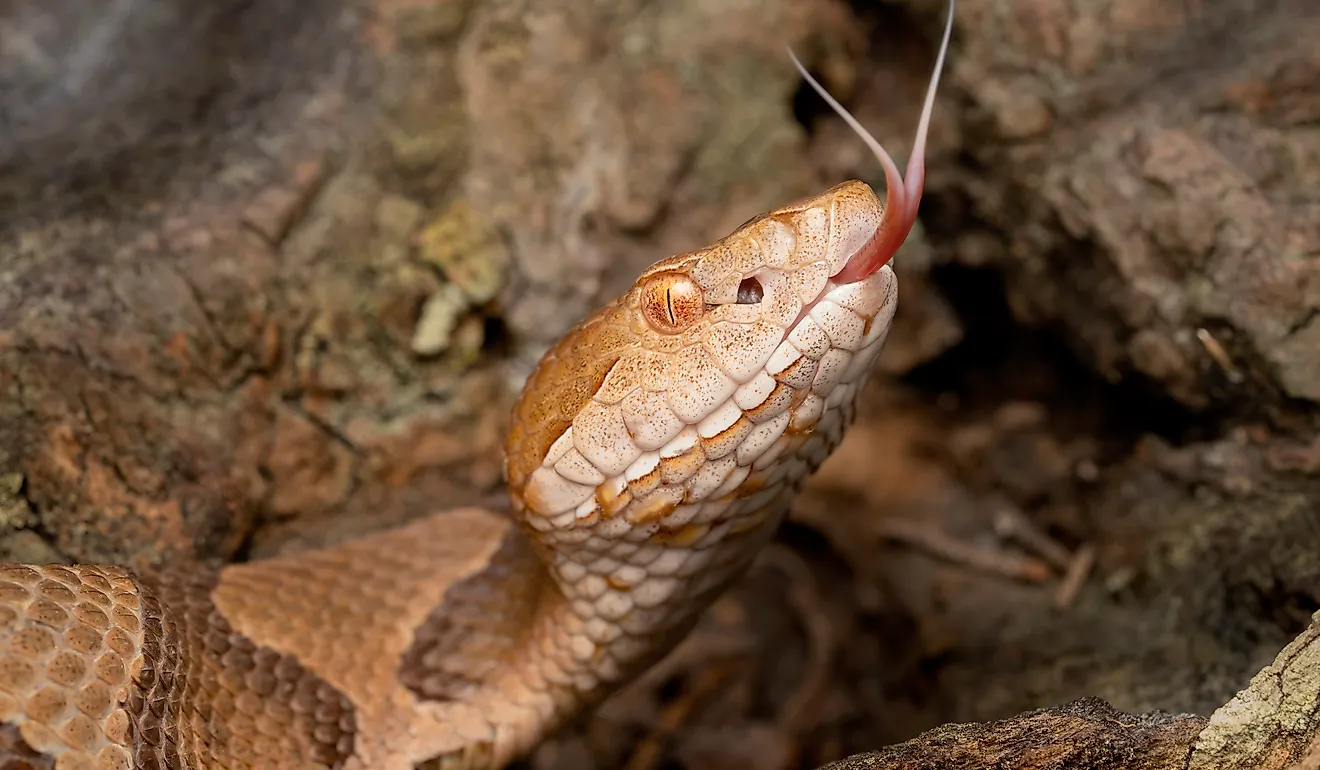
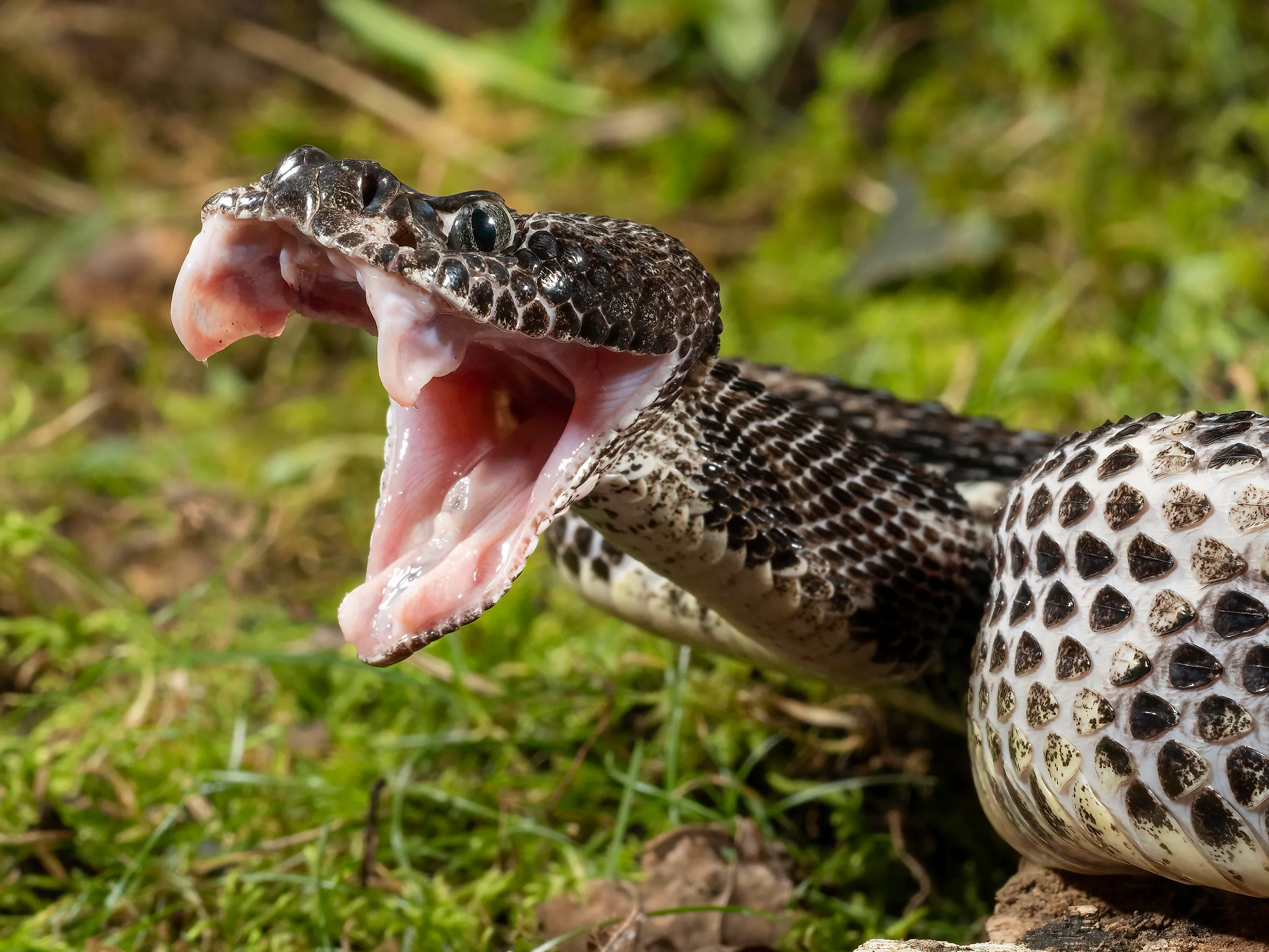
The Chesapeake Bay is surrounded by a landscape that changes considerably as you move inland. Marshes, forests, farms, rivers, and rocky uplands all occur within the watershed, with the Appalachian terrain becoming more prominent toward its western edge. Those mountains and ridges create some of the most suitable rattlesnake habitat in the region. Timber rattlesnakes (Crotalus horridus) are large venomous snakes that spend much of their time in wooded areas but rely on rocky outcrops, slopes, cliffs, and sunny openings for shelter, basking, and overwintering. They also frequently inhabit stream banks, river corridors, and the land where forest meets water.
The Chesapeake Bay Program identifies the Appalachian Mountain region as the primary part of the watershed where timber rattlesnakes occur, while the U.S. Forest Service lists outcrops, rockslides, riverbanks, creeks, and floodplains among the species' preferred habitat. Together, that makes areas with rugged terrain and exposed rock or waterways particularly intriguing for these snakes. These five areas have proven themselves to be hot spots for timber rattlesnake sightings, habitats, and den sites.
Green Ridge State Forest, Maryland

Green Ridge State Forest covers 49,000 acres in the Ridge and Valley province of the Appalachian Mountains, and its forests reach between the Potomac River and the striking elevations on Town Hill. This landscape proves to be a textbook habitat for timber rattlesnakes, consisting of oak forests, dry shale barrens, cliffs, and large boulder fields. Maryland's Department of Natural Resources identifies timber rattlesnakes as a species of concern when it comes to the rock outcrops and rough terrain. The state's forest management plan gives timber rattlesnakes an abundance rating of three on its five-point scale, stating that these creatures are regularly present and you have a fair chance at encountering one in the wild.

The Green Ridge State Forest also has the kind of dry terrain that separates some of its rattlesnake habitat from the wetter forests elsewhere in the Chesapeake watershed. Several shale barrens occur within Green Ridge, where thin soil, exposed rock, and high summer temperatures create incredibly dry conditions. With the Potomac River and numerous streams running through the forest as well, Green Ridge harbors the perfect landscape for a thriving rattlesnake population.
Michaux State Forest, Pennsylvania

Michaux State Forest makes up more than 85,000 acres across Pennsylvania's South Mountain, a landscape of dry oak forests, open ridgetops, and talus slopes. These conditions are optimal for timber rattlesnake habitats. The forest also contains the 780-acre Carbaugh Run Natural Area, which Pennsylvania designated as a reptile and amphibian protection area. The Pennsylvania Fish and Boat Commission tightly restricts rattlesnake harvesting through a permit system and strict limits, following severe population declines in the past. These protections have encouraged the snake populations to bloom.

The environment of the Michaux State Forest itself is perfect for nursing reclusive animal populations back to health. The isolation of the South Mountain makes the area prime for encountering small populations of snakes all around the park. The Fish and Boat Commission has also recently located 17 previously unknown rattlesnake den sites within the park.
Catoctin Mountain Park, Maryland

Catoctin Mountain Park contains one of the largest documented timber rattlesnake populations in the Chesapeake region. A National Park Service assessment estimated 218 to 340 rattlesnakes on several mountainous perches around the 5,890-acre park. Catoctin sits within Maryland's Blue Ridge Mountains and is dominated by the hardwood forests, rocky formations, and lowland streams. The Park Service lists these rocky slopes, loose rock walls, and waterways as known timber hotspots within the park. Chimney Rock and Wolf Rock are among the area's exposed rock formations that host sunny surfaces, perfect for snake spotting during warmer weather.

The combination of forest cover and exposed rock gives timber rattlesnakes places to retreat between periods of activity. The park's mountainous terrain also creates crevices and hiding spots that snakes take advantage of to stay out of sight. The National Park Service report maintains that despite the large number of snake populations, encounters remain relatively uncommon due to the species' elusive nature.
Shenandoah National Park, Virginia

Shenandoah National Park stretches for 105 miles along Virginia's Blue Ridge Mountains, with 69 peaks rising above 3,000 feet and more than 90 streams cutting through the park. Timber rattlesnakes are one of the park's two venomous snake species, and their presence is largely attributed to the mountain terrain. A state study of the park's rattlesnakes identified 96 den colonies, with another 30 to 40 predicted to form at the time of the study. The den sites range in elevation, with most facing southwesterly to provide more sun exposure.

This number of den colonies makes Shenandoah stand out among the other rattlesnake hot spots within the Appalachians. Timber rattlesnakes can return to the same winter shelters for generations, so a concentration of established dens can lead to more than the occasional sighting. The park's mountainsides, forest clearings, and sun-exposed rock surfaces give the snakes places to regulate their body temperature and remain concealed from others. Shenandoah has also done a mark-recapture study of its rattlesnakes for more than 25 years, giving us a clear look at one of the region's iconic reptiles.
Savage River State Forest, Maryland

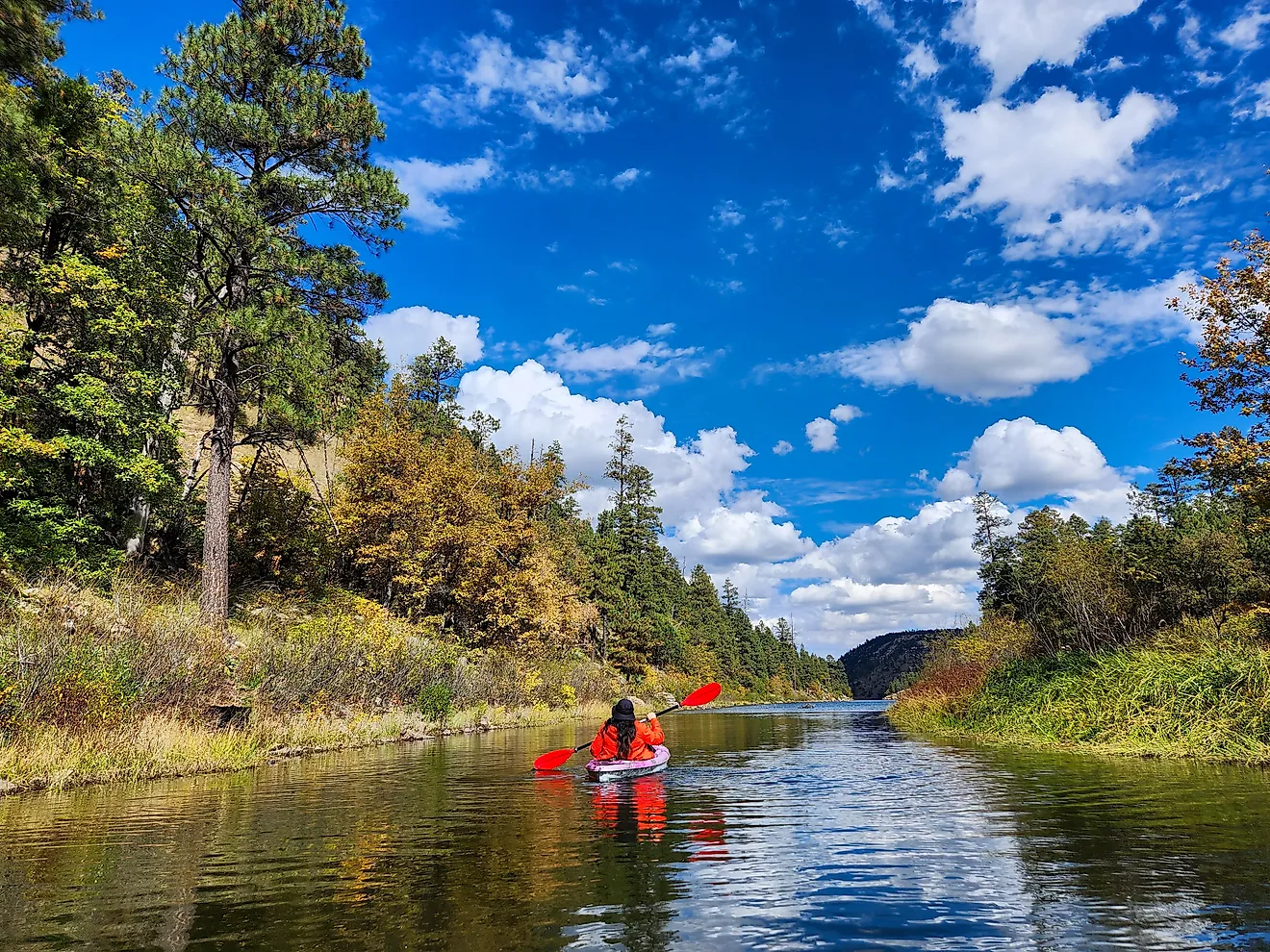
Savage River State Forest covers 55,185 acres in Garrett County, making it Maryland's largest state forest. Much of the landscape consists of second-growth hardwoods, but the forest also includes steep mountain terrain, wetlands, streams, and the 230-acre Savage River Reservoir. The Maryland Department of Natural Resources specifically identifies the park's rock outcroppings as prime habitats for the area's timber rattlesnake population.

Timber rattlesnakes are considered a species of concern within Savage River State Forest, and Maryland DNR gives special protection to the snake's overwintering dens and rookery areas. These protections have allowed the species to flourish, creating more sightings and documented numbers as time goes on.
The Chesapeake's Rattlesnake Country
Timber rattlesnakes are a critical part of the Chesapeake landscape, even if most people rarely see one. This species relies on a mix of rocky shelters, sunlit slopes, wooded cover, and water sources that can support them throughout the year. This combination is found in harmony within the Appalachian portions of the watershed, where mountains create pockets of habitat where these snakes can thrive.
Despite rattlesnakes being so prevalent in these areas, they are still elusive creatures that spend most of their time out of sight. It is important to give these snakes plenty of space and keep to established paths when traversing these parks and forests. These terrains have kept these species safe for generations, and it is important that we as visitors keep it that way.