The State Parks With The Most Dangerous Cliffs
State parks are known for their beauty, but they can often be dangerous. Each state park in the US has their own particular draw or natural attraction, but some parks are known for presenting safety risks. According to both state websites and the Departments of Natural Resources, park visitors who do not adhere to safety guidelines may find themselves in grave danger, or perhaps a park fatality. This is particularly true when it comes to state parks that have high overlooks, tall rock formations, and cliffs. Tragically, many people have lost their lives when it comes to disregarding safeguards set in place.
When you are exploring rough terrain to find an amazing view, the utmost care must be taken. Between challenging terrain, like sandstone at Goblin Valley State Park, or navigating steep cliffs, such as those in Eldorado, many hikers have lost their footing. This results in painful falls, or even worse. It is incredibly important before you go to familiarize yourself with the geography and topography of the park. These state parks listed here are some of the most dangerous in the US.
Eldorado Canyon State Park - Colorado

Eldorado Canyon repeatedly is named in accident and hazard reporting. Its towering vertical cliff walls, dense climbing traffic, and recorded fatal falls there make it one of the most hazardous state park cliff environments in the US. Because of so much climbing going on, the main canyon here unfortunately has many climbing deaths. The park's steep rocks and frequently treacherous terrain, combined with the large number of visitors each year who attempt the park's more challenging routes, can lead to tragedy.
Eldorado Canyon's Bastille & Rattlesnake Gulch Zones - Colorado

These sub areas of Eldorado Canyon have some of the most vertically pitched cliffs in the park, with repeated rescue incidents and deadly climbing falls. Bastille has a significant amount of loose rock on its crag. There are pedestrians as well as vehicles which lie below. Additionally, there is aging fixed climbing hardware here, which presents its own separate dangers. Rattlesnake Gulch Trail's lollipop loop is a 3.8 mile round-trip with roughly 985 feet of elevation change. It can drop off very abruptly and has sharp edges to get to the trail's astonishing views.
Deception Pass State Park - Washington

Deceptively, this park doesn't merely have water hazards. The park's cliffside trails perched above freezing and strong tidal currents create an environment that changes the risk of falling minute-by-minute. Deception Pass State Park is one of those Pacific Northwest places where water, rock, forest, and weather collide at full volume. It paints a picture of a park that is ecologically rich and shaped by both geology and history. These wonderful elements are beautiful and they certainly capture attention, but they can be deadly. Water conditions change rapidly, thus increasing the possibility of drowning.
Lost Dutchman State Park - Arizona

The towering red cliffs are well known at Lost Dutchman State Park. There are unusual rock formations among the vast desert landscape. The park's Superstition Mountains don't look quite like any other mountainous region in the country, or even in Arizona. This is a premier hiking destination. As if the treacherous terrain wasn't risky enough, the extreme heat poses hazards all on its own. Many trails take hikers past steep, rocky cliffs that have significant fall hazards for hikers who may not be familiar with the trail. Throughout the park's history, visitors have sadly passed away after falling off the park's most dangerous cliffs. 2026 has seen its share of search and rescue missions in this state park.
Dead Horse Point State Park - Utah

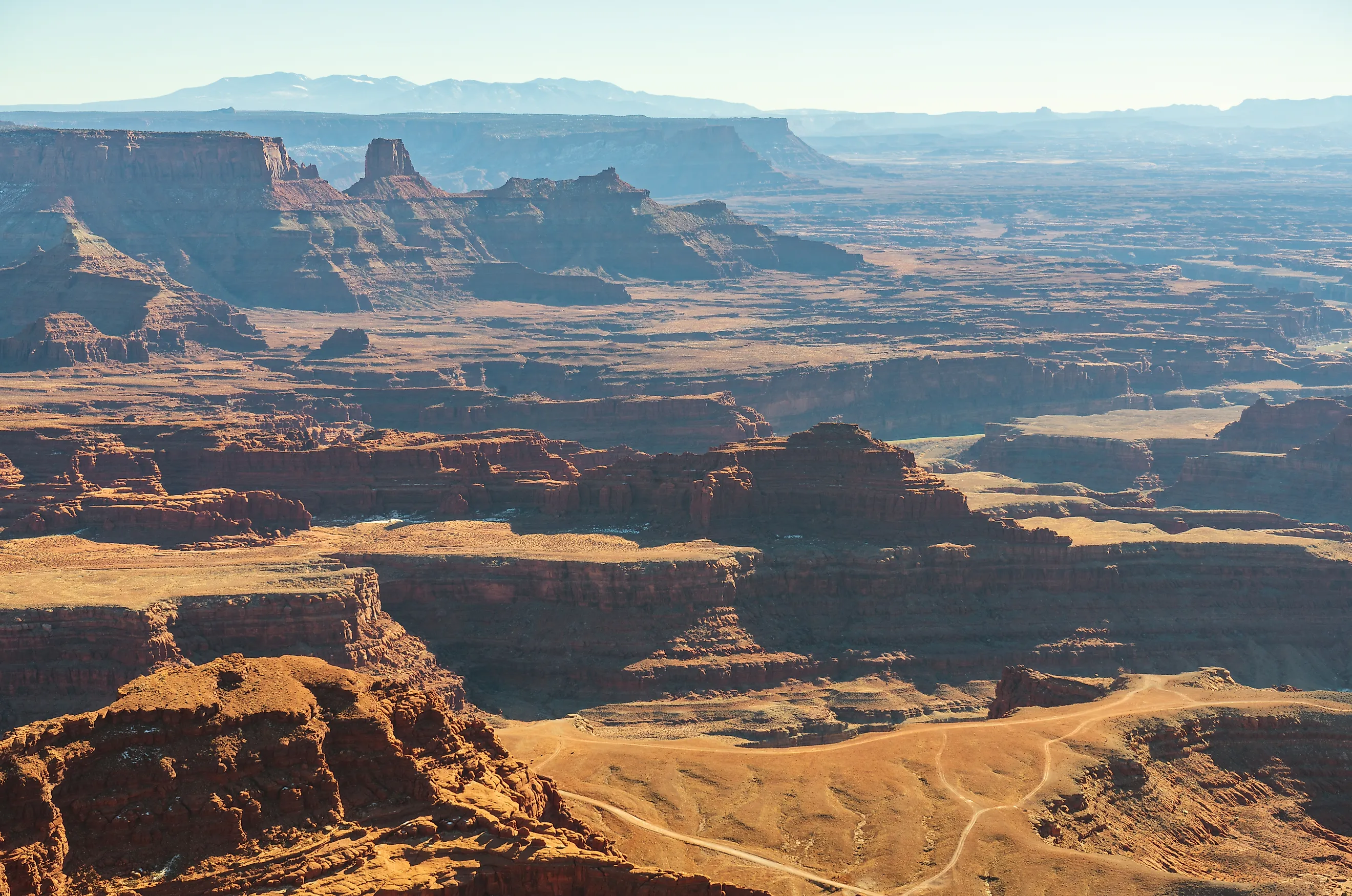
This is one of the most iconic cliff exposures in any state park with 2,000-foot vertical cliffs dropping straight to the Colorado River. Dead Horse Point sits atop Kayenta Sandstone. The overlook drops straight down through Wingate Sandstone cliffs and to the Chinle and Moenkopi layers just below. These cliffs form a vertical wall with hardly any natural ledges. This makes it an astonishing view, but, unfortunately, highly dangerous. The cliffs are part of the park's namesake story: cowboys would use the mesa as a natural corral by fencing off its narrow neck. The horses trapped on top could not reach the river below because the cliffs were too sheer to descend. Some mustangs would sadly die in the process, unable to get to a water source, despite it being visible.
Goblin Valley State Park - Utah
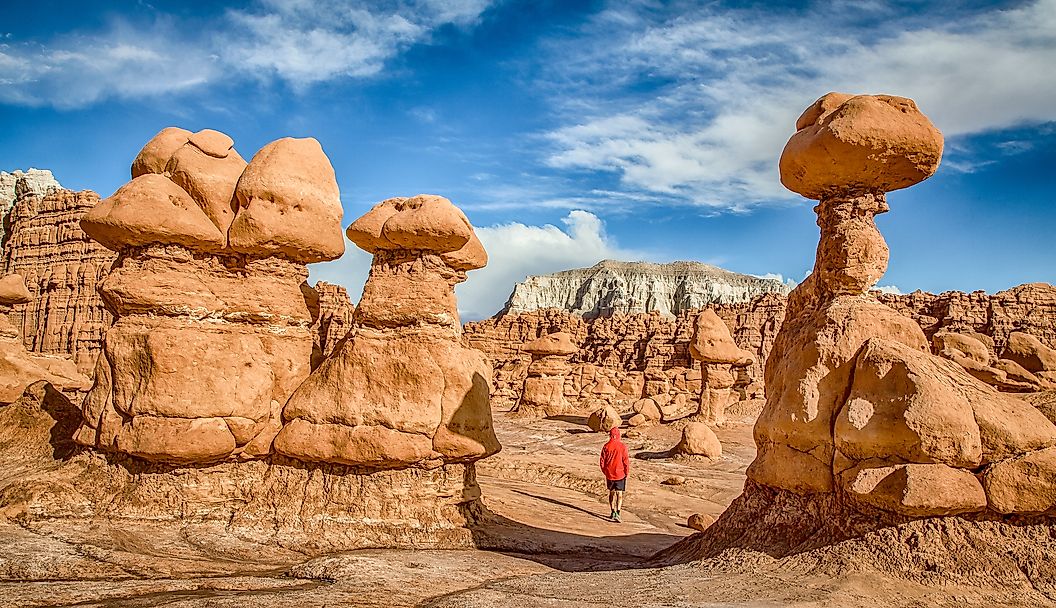
Goblin Valley sits in the San Rafael Desert on the southeastern edge of the San Rafael Swell, a massive uplift of Jurassic-era rock. The "goblins," are rounded, pedestal-shaped hoodoos, carved from Entrada Sandstone. This is the same formation that shapes Arches National Park. Differential erosion, which is hard caprock enveloping softer layers, creates the rounded "goblin" shapes that fill the valley. Goblin Valley's slot canyons have sheer, smooth walls that act like cliffs and flash floods can sweep hikers into narrow, vertical-walled channels. Maze-like canyons routinely confuse even the most experienced hikers, leading to late-night rescue attempts that rapidly become life-threatening.
Warren Dunes State Park - Michigan

Although these are sand cliffs, they behave like unstable drop-offs at Warren Dunes. The sudden current surges and collapsible sand have contributed to multiple accidents and drownings. The park's most well known dune, Tower Hill, is the highest point in the park. It stands over 235 feet above Lake Michigan. The beach at Warren Dunes State Park can also be quite hazardous. Because of where it is located by Lake Michigan, the water flows repeatedly over the sandbars and creates a strong rip current. This becomes a deepened channel, which means water can flow there extraordinarily fast, causing a powerful undercurrent.
Mount Washington State Park - New Hampshire

Mount Washington's legacy is both beautiful vistas and chilling temperatures. The summit area includes exposed alpine cliffs combined with famously extreme weather. There have been over 160 recorded deaths since 1849. Mount Washington State Park is fairly small at just 60 acres. The actual park sits on the summit of Mount Washington, which is the highest peak in the Northeastern US. The danger here is not only the cliffs, it is also the combination of sharp, exposed alpine rock drop-offs, volatile weather, and technically difficult ravines where multiple falls and rescues happen every year. Also, the summit recorded a 231 mile per hour wind gust in 1934, long the strongest ever measured at the surface anywhere on Earth.
Blackwater Falls State Park - West Virginia

Blackwater Canyon's steep, yet unstable gorge cliffs have a long history of rescues, especially near unofficial overlooks. While specific incident counts are not centrally recorded, state park warnings emphasize the real risk of fatal falls from those rim viewpoints. This state park is a rugged Allegheny Highlands park built around a 62-foot waterfall that plunges into one of the steepest river gorges in all of the Appalachians. The terrain is rugged and photogenic and often dangerous. Inexperienced hikers and even the more experienced ones need to prepare accordingly before visiting the state park and falls.
Danger Can Lurk From High Above In State Parks
Although beautiful and so tempting to climb, care must be taken when ascending tall peaks and traversing high cliffs. It is rewarding to get to the summit for picture taking, enjoying a vista, or simply relaxing and basking in the sun. But remember, plan carefully for the hike. Pay attention to the weather and ensure you have brought the right gear. Most importantly, always follow the state park's safety rules and regulations. These guidelines are set in place to protect park visitors, as well as the park itself. If you cannot make it up to the top, enjoy the views which are on the way. They can be quite rewarding as well.