11 Ideal California Destinations for a 3-Day Weekend in 2026
Three days in California is enough to change the weather entirely. Leave on a Friday and by lunch you can be eating pie in a pine forest at 4,200 feet, or on a boardwalk above the surf watching elephant seals haul out on the sand, or in a desert so dark the Milky Way throws a shadow. Few states put that much variety within a tank of gas, and almost none of it is in the places California is famous for. The eleven below are the ones that earn all three days instead of an afternoon: far enough to feel like a trip, close enough that you are not spending the weekend driving.
Carmel-by-the-Sea

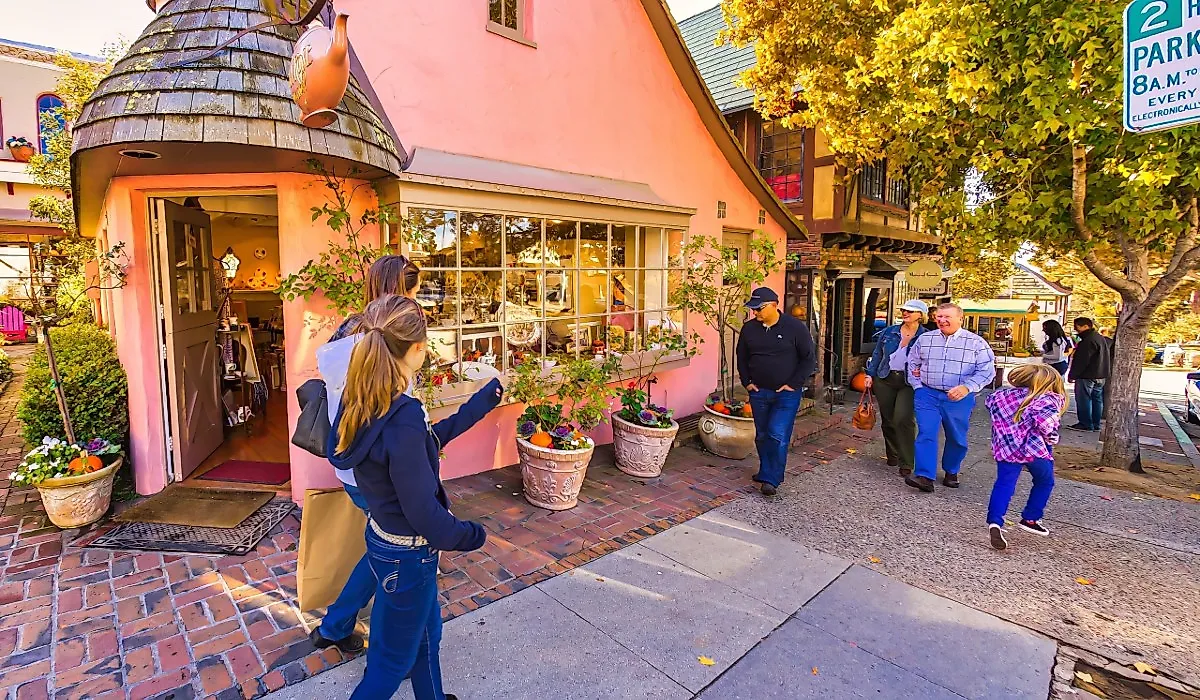
Carmel has spent a century being deliberately peculiar. There are no street numbers, no mail delivery, no streetlights in much of town, and an ordinance still on the books requiring a permit to wear heels over two inches, introduced in 1963 to head off lawsuits over the tree-buckled sidewalks. The permit is free and the city will issue you one as a souvenir. Clint Eastwood served as mayor from 1986 to 1988.
The fairytale cottages are the other oddity: Hugh Comstock began building them in 1924 for his wife's doll business, with crooked chimneys and steeply pitched roofs, and around twenty survive scattered through the village. Point Lobos State Natural Reserve sits just south with some of the most dramatic coastline in the state, the Carmel Mission dates to 1770, and the 17-Mile Drive runs north through Pebble Beach toward Monterey.
Borrego Springs

Scattered across the desert flats around town are more than 130 full-size metal sculptures: mammoths, sabre-toothed cats, a jeep, a Spanish priest, and a 350-foot serpent that appears to dive under a road and surface on the other side. They were commissioned by a local landowner and built by the artist Ricardo Breceda, they sit on open land at Galleta Meadows, and they are free to walk among at any hour.
Borrego Springs is also entirely surrounded by Anza-Borrego Desert State Park, the largest state park in California at some 600,000 acres, with slot canyons, palm oases, and wind caves. In 2009 the town became the first International Dark Sky Community in California, which means the sculptures are arguably better after midnight. In a wet spring the desert floor goes off in a wildflower bloom that draws traffic jams.
Idyllwild

In 2012 the town of Idyllwild held an election and chose a golden retriever named Max as mayor. He served until his death, was succeeded by Max II, and the office comes with a staff, a vehicle, and public appearances. It is not a legal position, Idyllwild being unincorporated, but the town takes it seriously enough to have built a tourism identity on it.

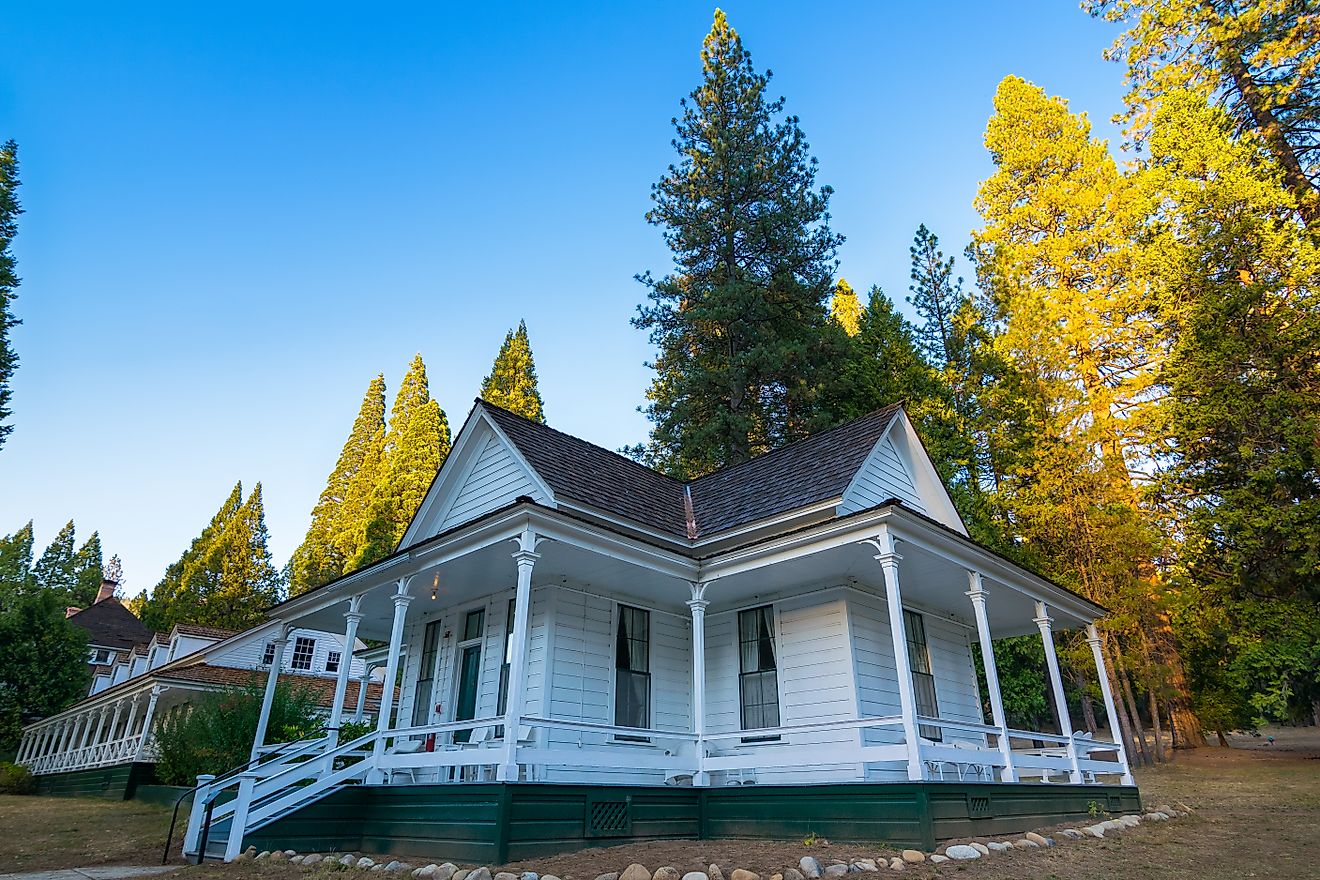
The rest of it is a pine-forest village at 5,400 feet in the San Jacinto Mountains, about two hours from Los Angeles and considerably cooler than the desert below. Tahquitz Peak and Suicide Rock draw rock climbers from across the country, the Pacific Crest Trail passes nearby, and the village itself is a few blocks of galleries, bookshops, and a famous collection of wood carvings.
Solvang

Danish-American teachers from the Midwest founded Solvang in 1911, looking for a place to establish a folk school away from harsh winters. The town has leaned into the heritage ever since, with half-timbered facades, six windmills, a replica of the Round Tower in Copenhagen, and a copy of the Little Mermaid statue.
There is a Hans Christian Andersen Museum above a bookshop, and the bakeries turn out aebleskiver, the spherical Danish pancakes, by the thousand. Solvang also sits in the middle of Santa Ynez Valley wine country, which is the other reason people come, and Nojoqui Falls drops about 80 feet a short drive south.
Cambria

Cambria's strangest building took fifty years to make out of garbage. Art Beal, a former garbage collector, spent from the 1920s until the 1980s hand-building Nitt Witt Ridge into the hillside out of abalone shells, beer cans, car rims, and whatever else came through the dump. It is now a California Historical Landmark, which is a remarkable fate for a house made of refuse, and tours run by appointment.

The Moonstone Beach boardwalk runs a mile above the surf and is named for the translucent pebbles that wash up there. Ten minutes north, Hearst Castle sits on its hill, and a few miles beyond it the Piedras Blancas rookery holds several thousand elephant seals, the bulls arriving each winter to fight on the sand within feet of a viewing boardwalk. It is free and genuinely startling.
Julian

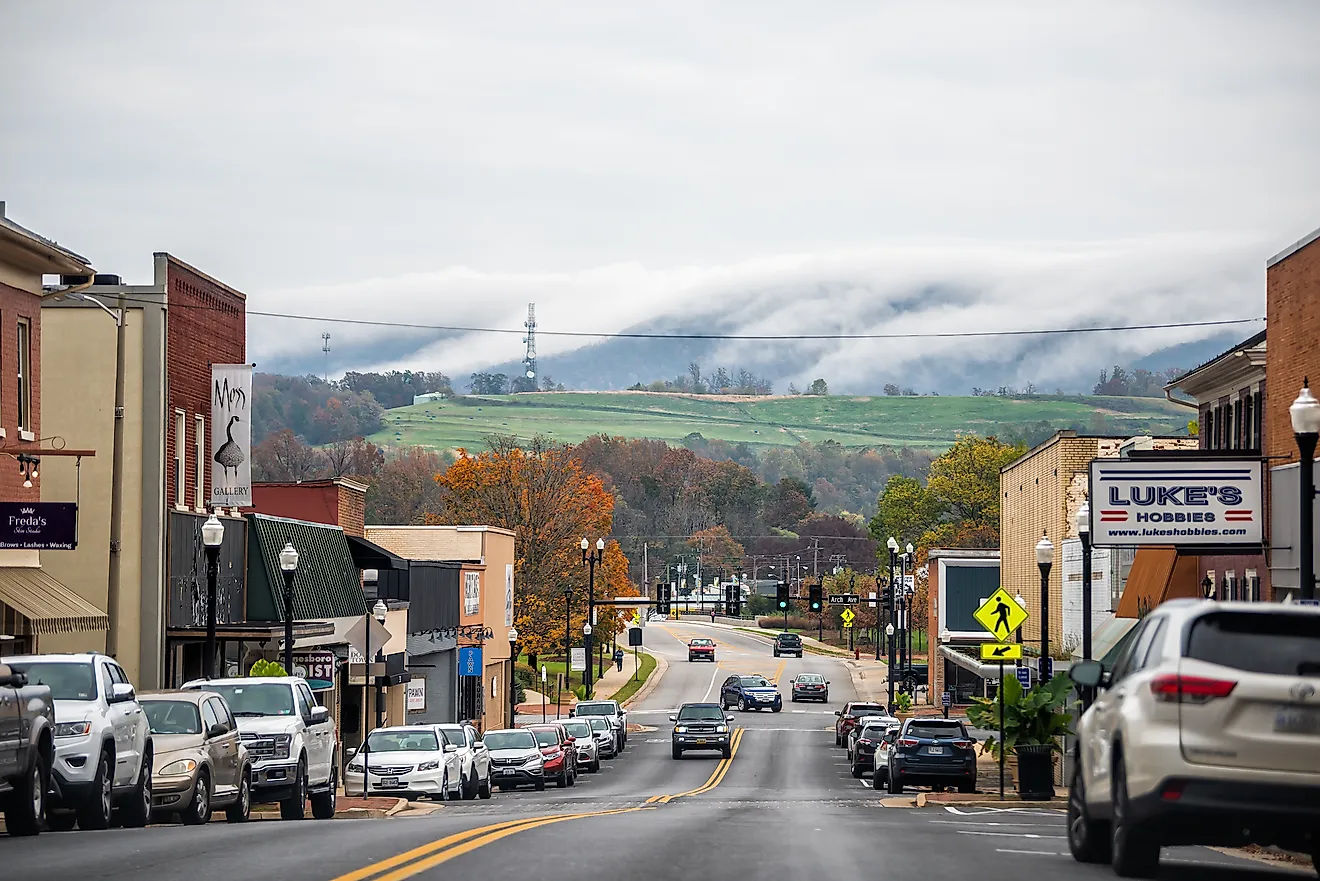
Gold was struck in Julian in 1869, briefly making this mountain town a rival to anywhere in the state, and when the ore ran out the settlers planted apples instead. That accident of history is why a town an hour from San Diego, at 4,200 feet in the Cuyamaca Mountains, is now known nationally for pie. Several bakeries compete on Main Street and the queues in autumn are substantial.

The Eagle Mining Company still runs tours into a hard-rock gold mine on the edge of town. Volcan Mountain Preserve climbs through oak and pine to views across the desert, and Cuyamaca Rancho State Park is twenty minutes south. Julian occasionally gets snow, which in San Diego County is enough of an event to cause traffic.
St. Helena

St. Helena is the heart of upper Napa Valley, a town of around 5,000 with Beringer, V. Sattui, Duckhorn, and dozens of other producers within a few minutes' drive. Beringer has operated continuously since 1876, making it the oldest continuously running winery in the valley, having survived Prohibition by producing sacramental wine.
Main Street is a compact run of stone buildings, with Gott's Roadside at one end doing burgers and shakes to balance out the tasting rooms. Robert Louis Stevenson honeymooned on the slopes of Mount St. Helena above town in 1880 and wrote about it in The Silverado Squatters; there is a museum devoted to him in town.
Ojai

Ojai has a sunset of its own. Because the valley runs east to west, an unusual orientation for California, the last light strikes the Topatopa Bluffs head-on and turns them a vivid pink for a few minutes. Locals call it the Pink Moment, and people genuinely stop what they are doing to watch it.
The town banned chain stores decades ago, so the arcade along Ojai Avenue holds independent shops and galleries. Bart's Books, an outdoor bookstore operating in a residential garden since 1964, leaves shelves on the street overnight with an honour box. The Ojai Valley Museum covers the Chumash history, and the valley's pixie tangerines ripen in spring.
Avalon

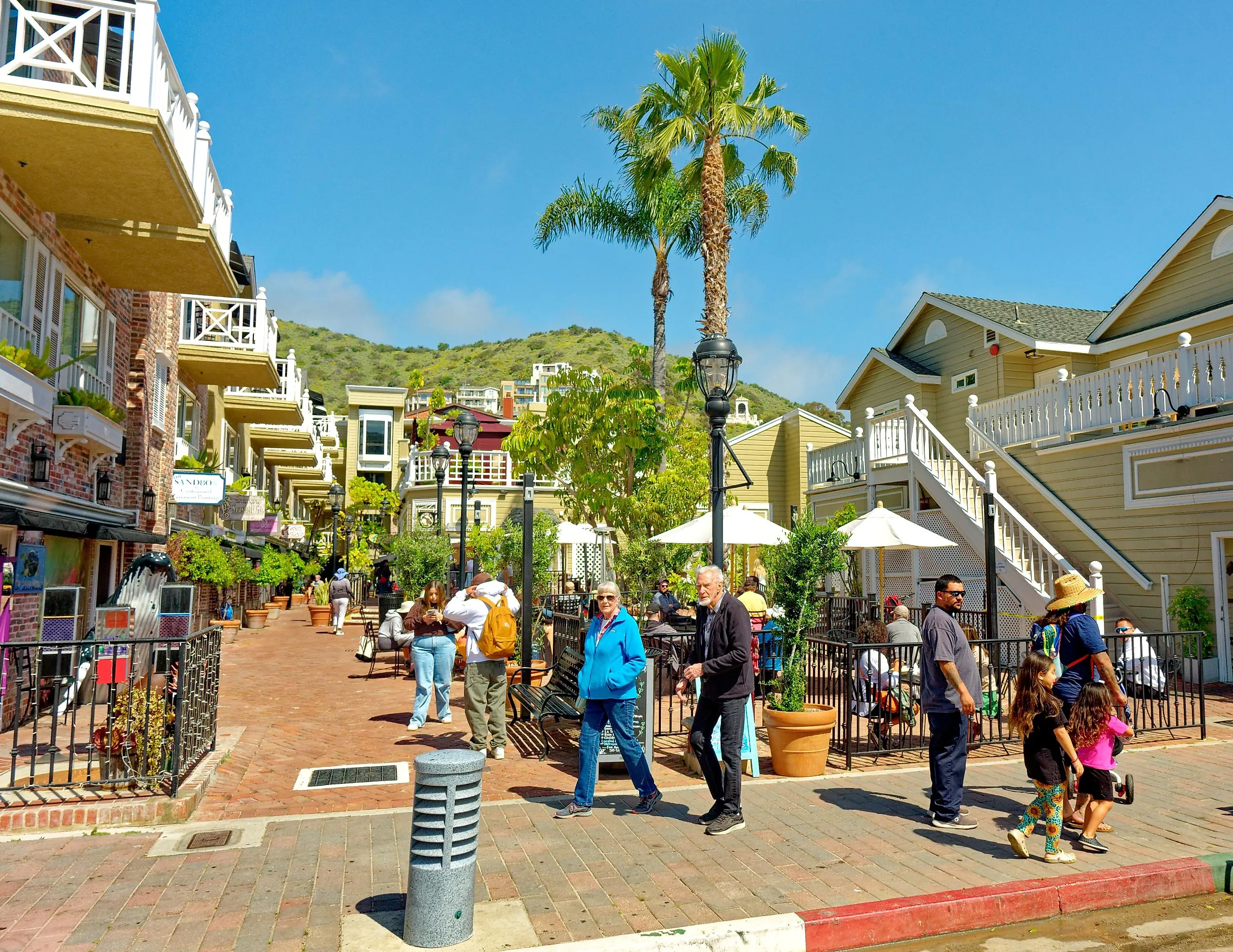
The big white building on the harbour is called the Casino and has never taken a bet. The name is Italian for gathering place. William Wrigley Jr. opened it in 1929 with a cinema on the lower floor, the first anywhere purpose-built for talkies, and the largest circular ballroom in the world above it, a 180-foot floor with no pillars.
Avalon is the only town on Santa Catalina Island, an hour by fast ferry, and it runs on golf carts because the waiting list for a car permit is measured in years. That ferry requirement is what makes it a genuine three-day destination rather than a day trip. The Wrigley Memorial and Botanic Garden grows plants found only on the Channel Islands.
Ferndale

The entire village of Ferndale is a State Historic Landmark, and the ornate Victorians along Main Street are known locally as Butterfat Palaces because dairy money built them in the 1800s. Fewer than 1,400 people live here, on the edge of the Eel River delta.
Each Memorial Day weekend the town hosts the finish of the Kinetic Grand Championship, a three-day race of human-powered sculptures that travel 50 miles over road, sand, and open water from Arcata. Entrants have included a giant artichoke and a rideable dragon. Ferndale is also the gateway to the Lost Coast, the roadless stretch of shoreline where the mountains proved too steep for the highway to follow, and the redwoods begin just north.
Mammoth Lakes

Devils Postpile is the reason to make the drive even if you do not ski. It is a wall of hexagonal basalt columns up to 60 feet tall, formed when a lava flow cooled and cracked with unusual regularity, and the top of it was polished smooth by a glacier into something resembling a tiled floor. A national monument since 1911, it is reachable by shuttle in summer.
Mammoth Mountain tops out above 11,000 feet and holds snow later than almost anywhere in the state, often into June. Rainbow Falls drops 101 feet a short hike beyond the Postpile, Convict Lake sits in a bowl of peaks fifteen minutes south, and the town itself has around 7,000 residents and a disproportionate number of good restaurants.
Picking Your Three Days
These eleven divide cleanly by how far you want to drive and what you want at the end of it. Avalon needs a ferry and Ferndale needs most of a day behind the wheel, which is exactly why both reward the longer weekend. Julian, Idyllwild, and Borrego Springs are the southern escapes, trading pie, a dog mayor, and a desert full of metal sculptures. Carmel, Cambria, and Solvang line the central coast within a couple of hours of each other. St. Helena and Ojai are the slow ones, and Mammoth Lakes is the only place on the list where the snow might still be there in June. Match the drive to the weekend you actually want, because every one of these rewards the second night.