The Mountain Ranges With The Most Copperheads
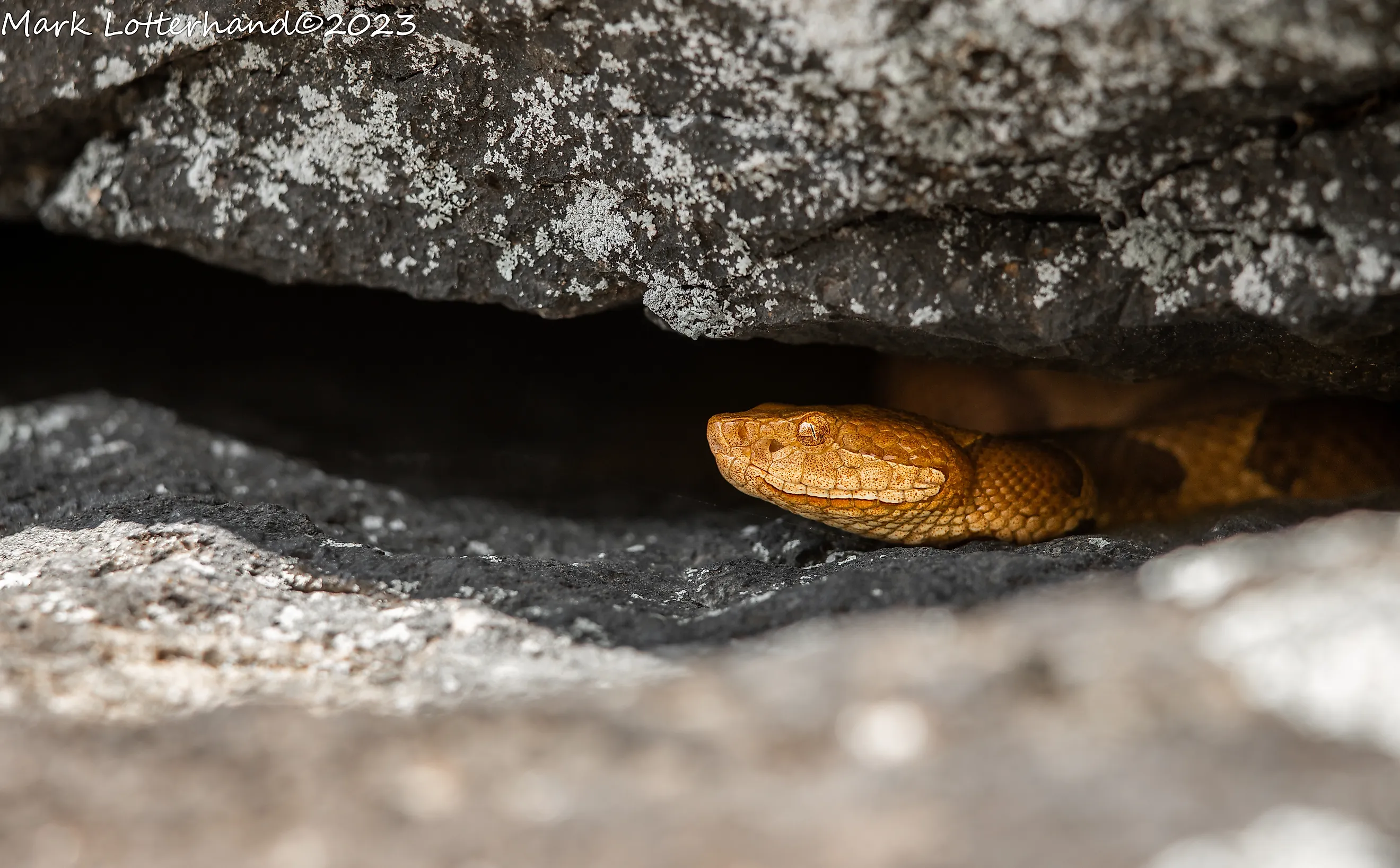
A copperhead can lie in dead leaves a foot from your boot and never be seen. Its copper-brown, hourglass bands break up against rock and leaf litter, and Maryland's Department of Natural Resources says the snake is very hard to make out even when you are looking right at it.
Wildlife agencies in Missouri and West Virginia both rank it their most common venomous snake, and in the Ozarks and the Appalachians it lives on the same rocky, wooded slopes the trails cross. In one Arkansas national park, the Park Service says copperheads can be seen along most of the trails. The ranges below are where they are thickest, and where a hiker is most likely to walk right past one.
The Ouachita Mountains, Arkansas

In central Arkansas, Hot Springs National Park sits in the ZigZag Mountains, a subsection of the Ouachitas, with the Ouachita National Forest and the city of Hot Springs surrounding it. Its trails cross rocky mountain slopes just above town, and the National Park Service says the copperhead can be seen along most of them. A copperhead on one of them is usually staying put. The Park Service describes the species as a heavy-bodied ambush predator that takes up a promising position and waits for suitable prey to arrive.
The Ozark Mountains, Arkansas And Missouri

North of the Ouachitas, the Buffalo River runs east through the Arkansas Ozarks, and in June 2014 a man camped beside it was bitten by a snake he could not identify. The call reached the Searcy County Sheriff shortly before midnight. Waiting for daylight would have meant about seven more hours, so three rangers set out in canoes by headlamp, paddled about 2 miles to the campsite, loaded him aboard, and continued roughly 7 river miles to a takeout, where an ambulance met them at 4:30 a.m.
Chief Ranger Karen Bradford said the odds were good that the snake was a cottonmouth or a copperhead, "both of which are common on the Buffalo."
North of the state line, Missouri's Department of Conservation lists open, rocky, wooded hillsides as copperhead habitat and estimates that copperheads bite 100 or more people in Missouri each year and puts the fatality rate at about 0.01 percent.
The Cumberland Mountains, Kentucky And Tennessee

Farther east, the Ridge Trail in Cumberland Gap National Historical Park starts at Pinnacle Overlook, about 2,440 feet up in the Cumberland Mountains, and leads toward Hensley Settlement and White Rocks. The northern copperhead is one of the park's two venomous snakes, and the National Park Service warns that snakes there often blend in with leaves and rocky areas. Steve Roark, a volunteer at the park, wrote in 2022 that he had almost stepped on a copperhead a couple of times because they blend in so well with the leaves on the ground.
The same mountains continue into Tennessee, where the state's wildlife agency says copperheads occur across the entire state and names the mountains of eastern Tennessee among the best places to see one.
The Great Smoky Mountains, Tennessee And North Carolina

Those eastern Tennessee mountains include the Smokies, where supervisory wildlife biologist Bill Stiver is called on to remove venomous snakes from campgrounds and mills in Great Smoky Mountains National Park. "We generally do not move them very far," he said in a July 2024 Smokies Life column in the Asheville Citizen-Times.
Copperheads in the park spend much of their time hidden in leaf litter, according to the National Park Service, and in a park reptile inventory carried out from 2000 to 2004 they were among the five species encountered most often. R. Graham Reynolds, a biologist at UNC Asheville, said in the same column that copperheads are quite good at living near humans, often without being detected.
The Blue Ridge, North Carolina And Virginia

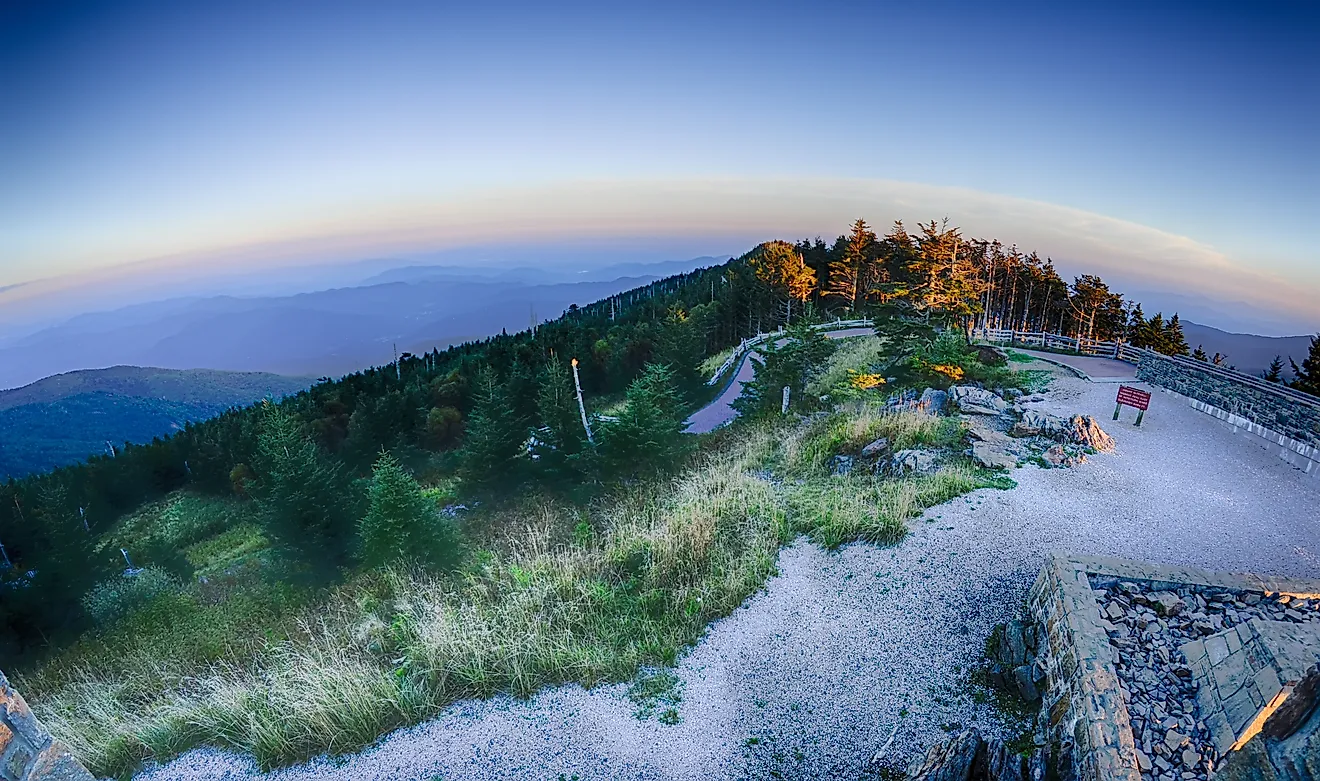
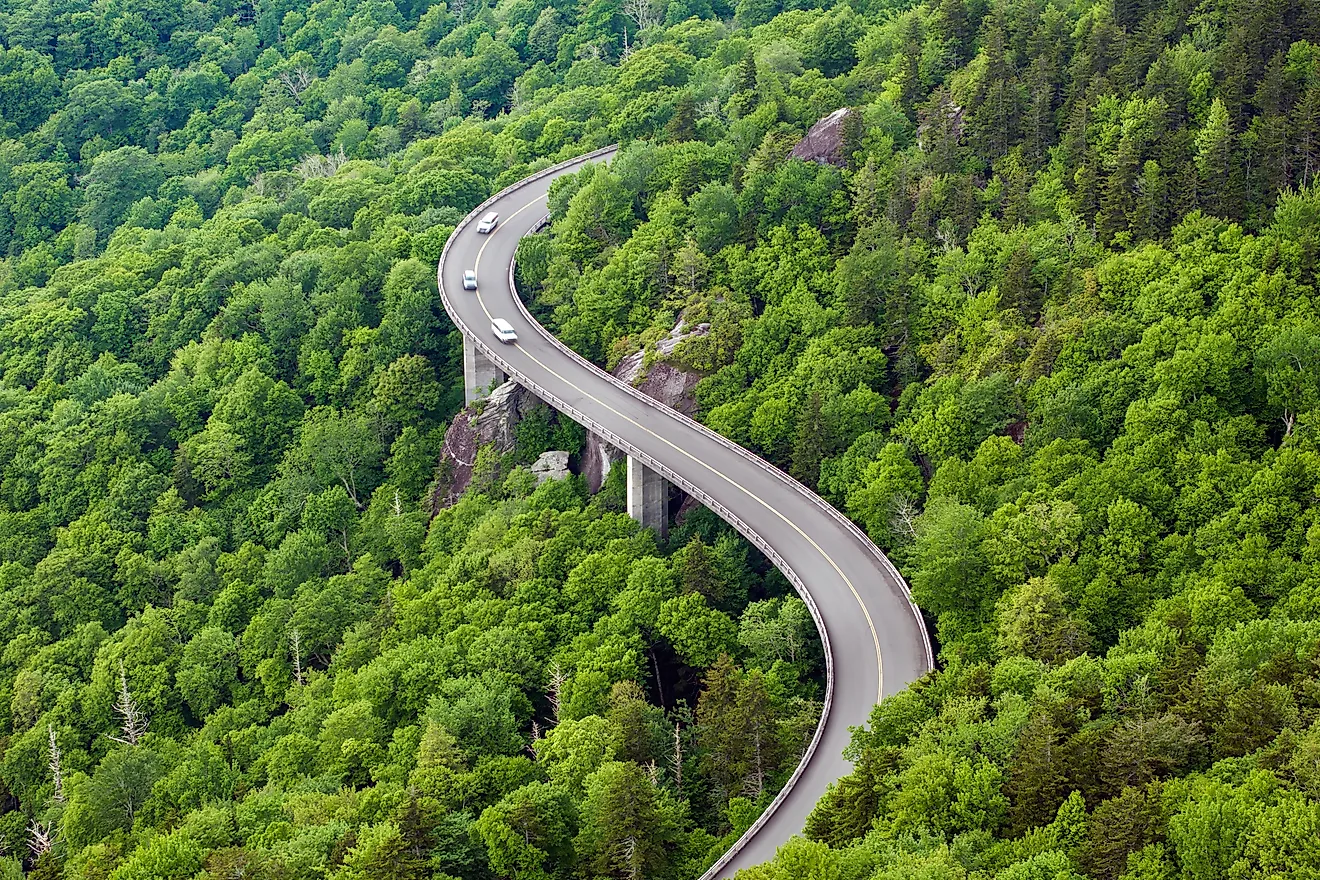
The Blue Ridge Parkway begins at the edge of the Smokies and follows the Blue Ridge into Virginia, where Skyline Drive continues for 105 miles along the crest through Shenandoah National Park. Parkway staff ask hikers on its trails to be cautious where they place their hands and feet, especially around old buildings and stone fences, and the copperhead is one of two venomous snakes hikers may meet on those trails. In Shenandoah, a snake may be basking in a sun patch on top of a rock or in the middle of a hiking trail, according to the National Park Service. Both parks list the copperhead as common. On the parkway's checklist, that rating refers to abundance in suitable habitat, and the Park Service says both venomous species are seldom seen by visitors because they are mainly active at night and in twilight.
The Ridge-And-Valley Appalachians, Pennsylvania To West Virginia

Farther north, the Appalachians break into long, parallel ridges, and in West Virginia most venomous snakebites come from copperheads. The state's Division of Natural Resources also reports that no copperhead fatality has been recorded there in over 30 years.
Western Maryland's share of these ridges includes Green Ridge State Forest, the only state forest in Maryland's Ridge and Valley province, which climbs from 500 feet at the Potomac River to 2,000 feet on Town Hill. The state's Department of Natural Resources says copperheads are fairly common in the forested rock outcrops of central and western Maryland and relatively uncommon on the coastal plain. In Pennsylvania, the Fish and Boat Commission ranks the northern copperhead as the state's most common venomous snake, found in all but the northernmost counties, and lists rocky hillsides and rock walls among the places it prefers.
Across these ranges, the copperhead lives on the same broken rock and hardwood leaf litter that the trails cross, and its defense on that ground is to hold still. A 2020 study cited in the Smokies Life column found that only two of 69 copperheads tried to bite when deliberately provoked. Reynolds has said most bites happen because a person was provoking or handling the snake, and Pennsylvania's Fish and Boat Commission puts it the same way, saying bites usually occur while someone is trying to catch or carelessly handle one. The Missouri Poison Center describes copperhead bites as often self-limited. For a hiker on the Ridge Trail at Cumberland Gap or on a path past a stone fence along the Blue Ridge Parkway, the snake to watch for is one lying motionless in the leaves beside the path, close enough to step on, like the ones Steve Roark nearly stepped on.