The Highest Peak East Of The Mississippi Is A Drive-Up
Ready to join the mile high club? For those east of the Mississippi River, they don't need to book a flight; all they have to do is get in their car and drive up to the top of Mt. Mitchell, the tallest peak in the Appalachian Mountains.
There's nowhere higher east of the Mississippi River than this old giant, formed by geological events that predate the dinosaurs.
A long drive

Mt. Mitchell stands at 6,684 feet in North Carolina. It is 37 feet taller than Mount Craig, the second tallest, and 41 feet taller than Mount Kuwohi. Despite its tall stature, it is not part of a national park like the Great Smoky Mountains National Park, but rather Mount Mitchell State Park.
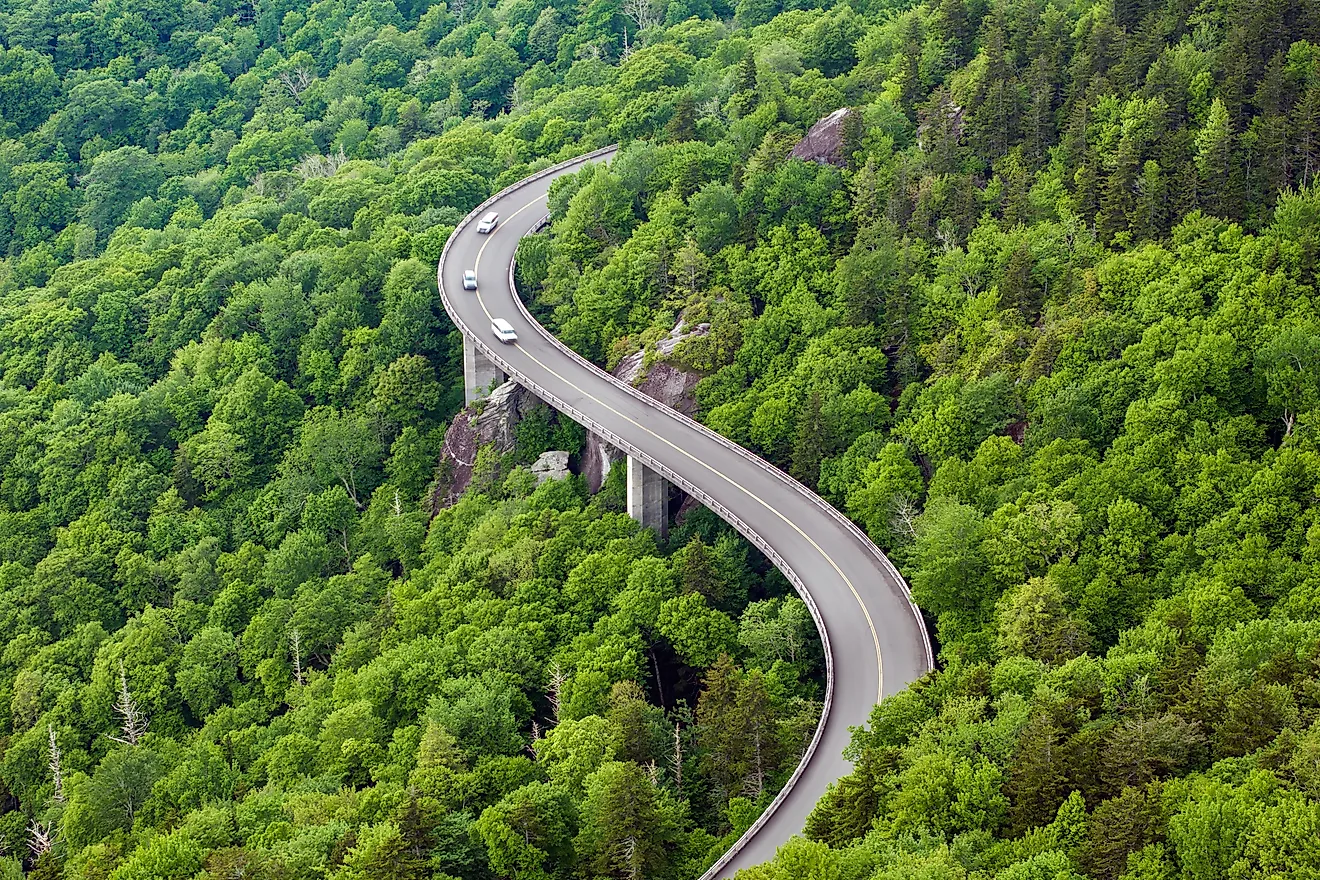
In order to reach this peak, drivers have to go up the scenic Blue Ridge Parkway, a 469-mile road traversing through Virginia and North Carolina along the Blue Ridge Mountains.

At milepost 355.3, one can turn off the parkway onto NC 128, which goes for a few miles up to the parking area nestled at 6,578 feet.
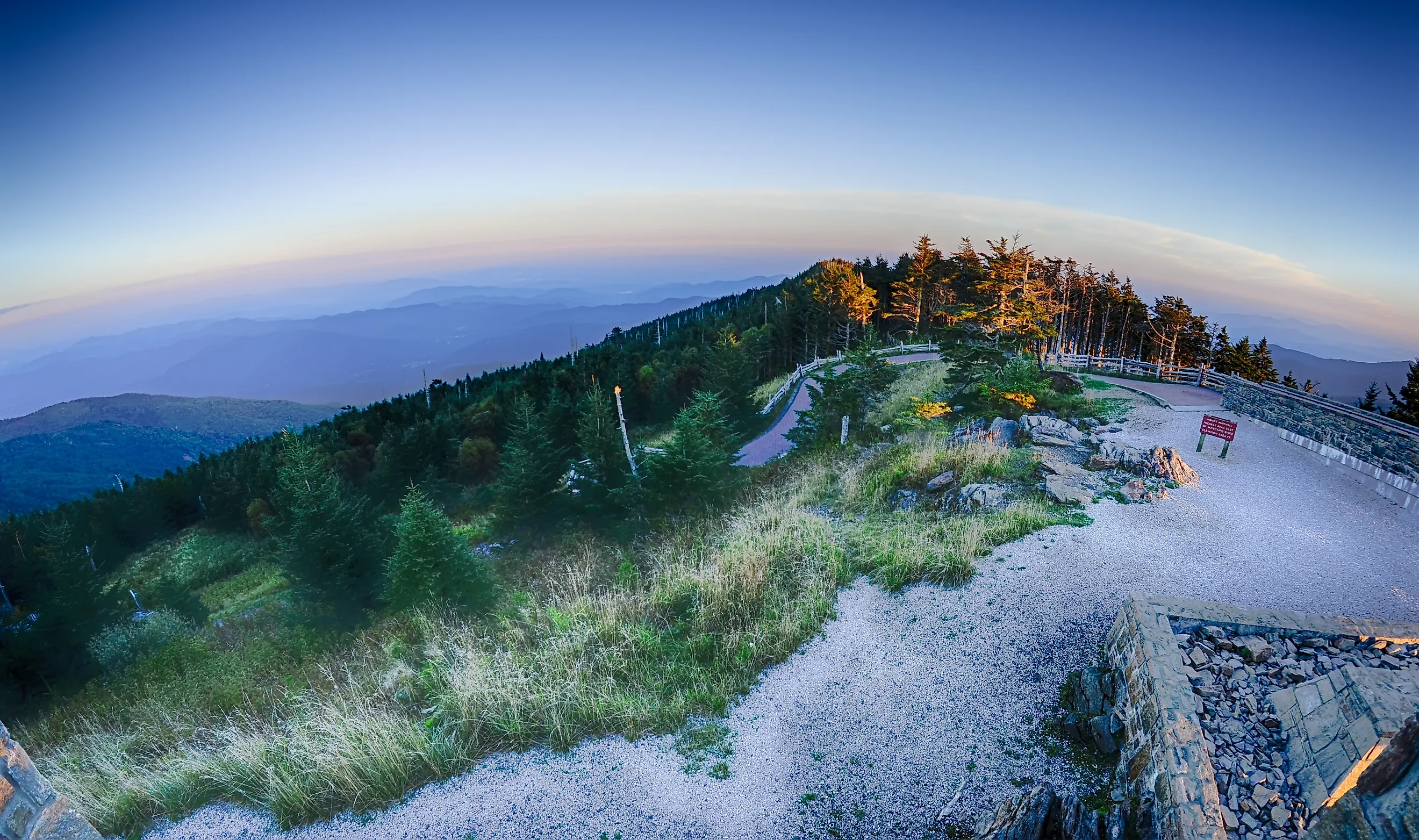
From here, one just needs to walk up a paved trail to the summit, which is 106 feet above the parking lot.
Feels like Alaska up here

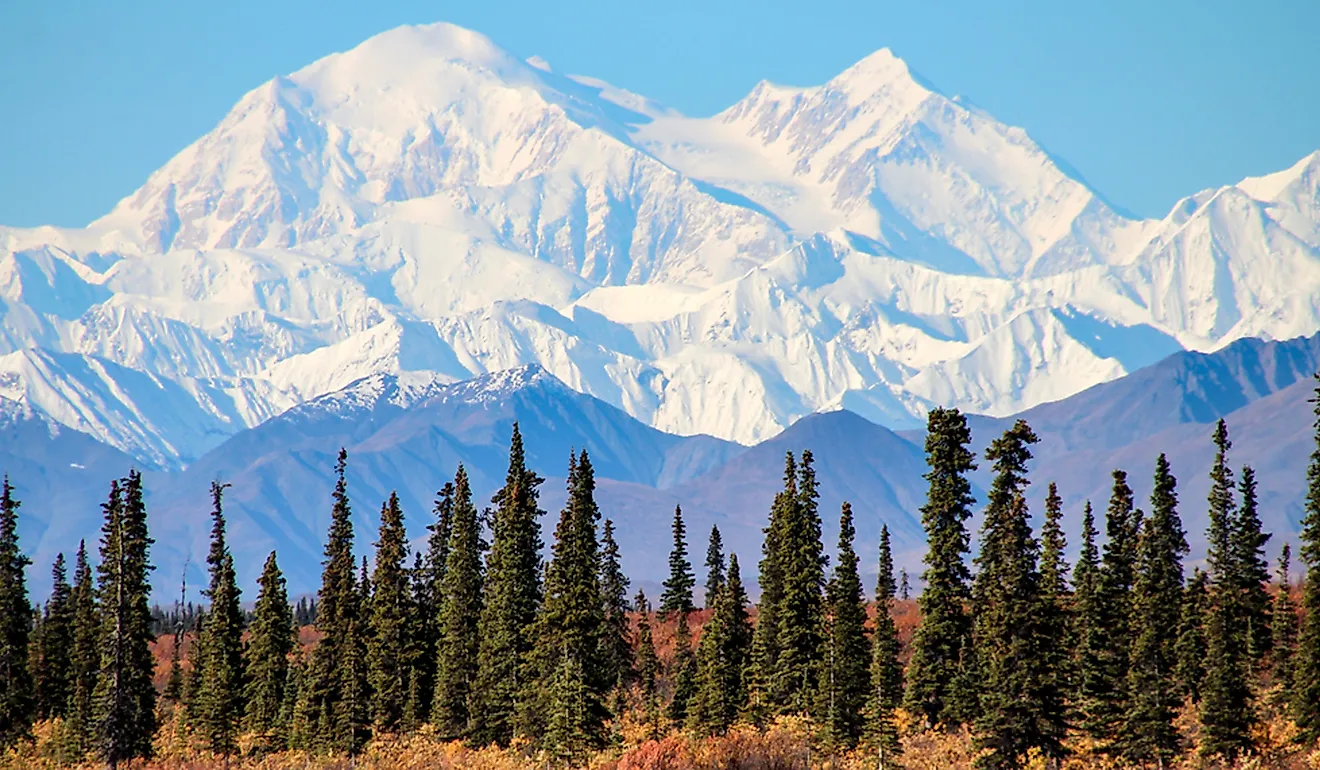
Visitors to the top of Mt. Mitchell often describe it as having a distinctly far north feel, like that of Canada and Alaska. That's because of its network of spruce and fir trees, which are much more prevalent in Canada or the higher elevation of the Rocky Mountains.
These trees are a remnant of a much colder time in the continent's history, when all of Canada and a large part of the United States were covered underneath the Laurentide ice sheet. Spruce and fir trees thrived in this icy environment, as their branches bend rather than break under the weight of snowfall.

In addition, these evergreen trees have specialized proteins that act as a form of natural antifreeze, preventing the interior of the tree from freezing.
However, when the ice age ended, these trees slowly died off at lower elevations, with the only survivors clinging to the summits of the high mountains in the southern Appalachian Mountains, including Mt. Mitchell.
This mountain is older than dirt

If this mountain were a person, they would be the oldest person on Earth, as this mountain predates the dinosaurs by tens of millions of years, and its rocks are some of the oldest on the planet.
The mountain's bedrock is Precambrian, consisting of gneiss and schist, dating back to at least a billion years ago, deposited through the process of water. The Appalachian Mountains themselves formed through several ancient processes, beginning 350 million years ago when two supercontinents collided.
Laurasia, consisting of North America and Eurasia, collided with Gondwana, making up the rest of the continents 350 million years ago.

This immense crunch formed Pangea, one world continent, and, along with a vast buildup of rocks, would form the Appalachian Mountains in an event known as the Acadian orogeny.
Mt. Mitchell itself formed a bit later during the Alleghanian orogeny between 280 and 240 million years ago. Scientists are uncertain about what caused this mountain-building episode, but it could have been another tectonic plate collision, such as a microplate hitting the southeastern United States.
This last impact is responsible for the large amount of anthracite coal in Pennsylvania, formed by rocks being pushed 0.62 miles beneath the surface under severe pressure.
Around 200 million years ago, Pangea began to break apart, and Mt. Mitchell was left tectonically dormant.
You look a little shrunken

The Appalachian Mountains and Mt. Mitchell itself used to be a lot taller than they are today. If one were to travel back in time and try to drive up the mountain (good luck without any roads), one might find a mountain as tall as the Himalayas.
This is because even with the initial collision, the plates continued to move inland, with some estimates stating Gondwana slid 186 miles over the top of the Laurasia plate. This is similar to how the Himalayas were formed, with the Indian subcontinent colliding with Eurasia, a process that continues to this day.
However, with the separation of the continents, the Appalachian Mountains were steadily shredded down to size by rain, snow, ice, wind, rivers, and every other process of erosion.

While it's impossible to know for sure how tall Mt. Mitchell used to be, even if it was as tall as one of the Rockies' 14ers, that would mean it has shrunk by more than half over hundreds of millions of years.
That being said, the fact that Mt. Mitchell and the Appalachian Mountains haven't been eroded away to nothing is a surprise in and of itself. The likely reason why it has survived so long is its shape and the lack of earthquakes.
The Appalachian Mountains consist of a large number of ridges rather than steep slopes. The steeper the slope, the more vulnerable it is to rain and earthquakes, which bring down its rocks in landslides. These rock materials then enter rivers and streams and further wear down the mountains by slowly sanding them away.
Anything To Eat Up Here?

Until recently, one could go eat at the summit via the Mount Mitchell Cafe & Eatery, the highest restaurant east of the Mississippi. However, the restaurant has been closed as of August 3, 2026, due to repairs from Hurricane Helene.
In September 2024, Hurricane Helene devastated the Carolinas, Georgia, and Tennessee. It forced the closure of Mt. Mitchell State Park until September 2025. Recovery efforts are still underway at the Blue Ridge Parkway, which has had an impact on overall visitation, forcing a temporary closure of the cafe.
However, guests won't starve when they visit, as the restaurant opened up the Mount Mitchell Summit Snack Shack, selling sandwiches, salads, drinks, and other snacks to enjoy along with the view.
Don't count out this old giant

Although those from the Rocky Mountain states may scoff at this smaller mountain compared to the 14ers, there's nothing to mock about Mt. Mitchell. It's the tallest mountain for nearly 1,200 miles, with the closest taller mountain in Colorado at Lone Butte.
In addition, Mt. Mitchell has stood the test of time, literally, surviving for hundreds of millions of years, through glaciers, rain, and water, preserving a forest reminiscent of a Christmas tree lot.
The best thing about this mountain is that one doesn't have to struggle up a long, high hike to get to the top. They just need a car that can make it to the parking lot at the top.