Why Rattlesnakes Stop Showing Up After The First Frost
All through September and October, the trails and backyards of snake country can seem to be positively crawling with rattlesnakes, and then the first frost arrives and they vanish, practically overnight. So where do they all suddenly go, and why does that first hard cold snap flip the switch so completely? Here is what is really happening.
They Run on Borrowed Heat

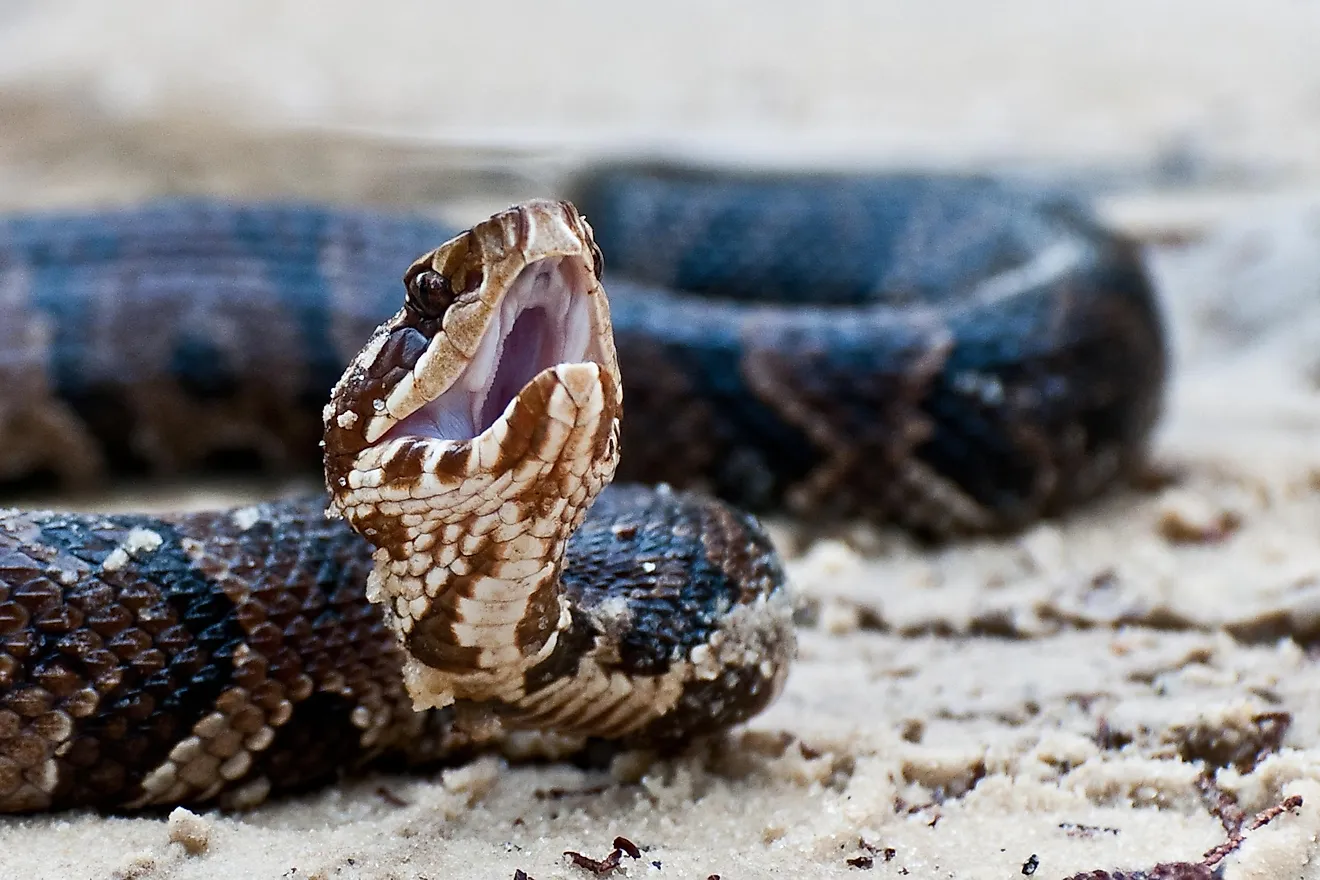
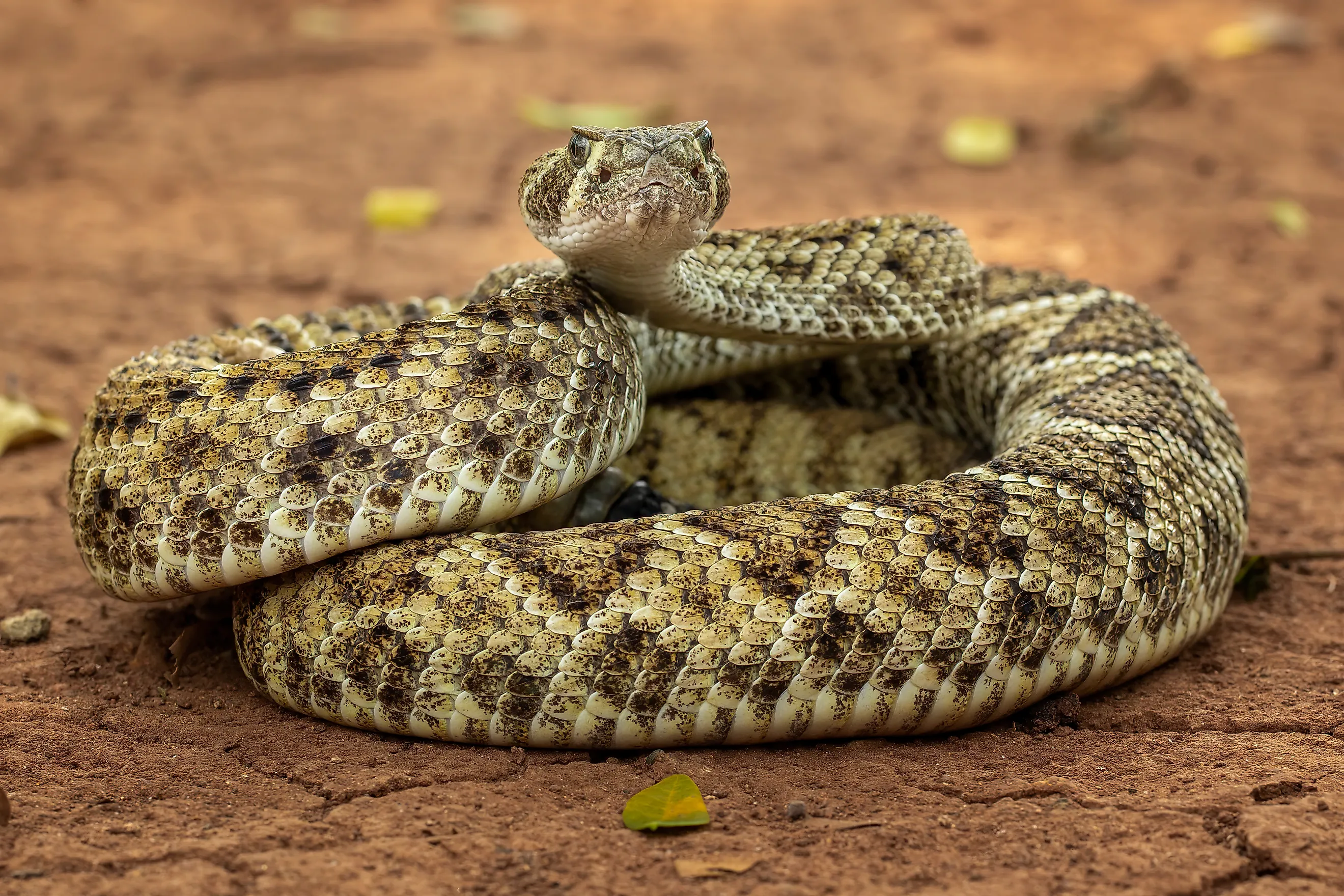
A rattlesnake is cold-blooded, with no internal thermostat, so it runs entirely on heat borrowed from its surroundings. That effectively makes temperature its on-off switch. Once the mercury slides below about 60°F, a rattlesnake turns noticeably sluggish, and near 50°F it can barely move at all. The first frost is a clear sign that temperatures have dropped into that shut-down zone, which means the snake can no longer reliably warm itself up, hunt, or even digest a meal. Put simply, it has run out of the heat it needs to function.
Frost Is the Signal to Den Up

Snakes react less to the calendar than to a steady, sustained drop in temperature, and the first frost is the unmistakable signal that the real cold has arrived for good. That cue sends rattlesnakes retreating to their winter dens, where they enter brumation, a hibernation-like slowdown in which the animal stays awake but becomes extremely lethargic. Many species return to the very same den year after year, and these group shelters, called hibernacula, can hold dozens of snakes at once, sometimes even mixed in with other species like rat snakes and copperheads.
They're Already Underground
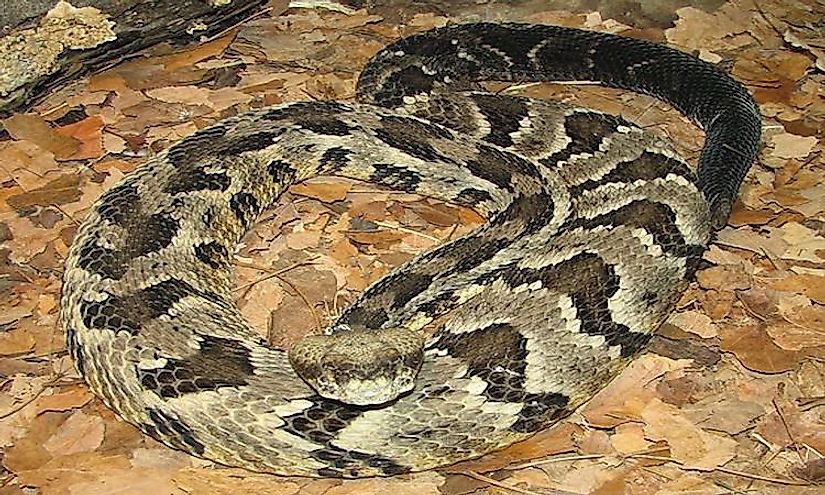
Here is part of why the disappearance feels so abrupt: by the time you spot frost on the grass, most of the snakes are already safely below it. Rattlesnakes brumate in frost-free refuges set below the frost line, including rock crevices, deep burrows, hollow logs, and the spaces beneath stumps or woodpiles, anywhere the temperature reliably stays above freezing. They do not loiter around the entrance, either; they head straight in for the long winter. So the frosty morning you finally notice is usually just the tail end of a retreat that has been quietly underway for days.
Freezing Would Kill Them

The reason they are so strict about beating the cold is blunt: a rattlesnake simply cannot survive being frozen. Ice crystals forming inside its body would be fatal, so getting below the frost line before a hard freeze is quite literally a matter of life or death. It is also why a rattlesnake stops eating well before winter sets in; it cannot digest food in the cold, and a half-digested meal would just rot inside it. The frost, in effect, is the snake's hard deadline, and it is one they absolutely cannot afford to miss.
Why You Saw So Many Right Before
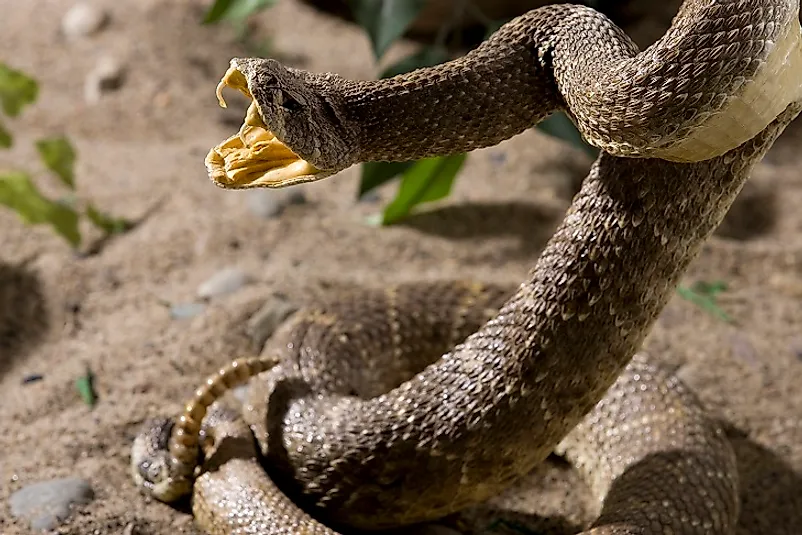
None of this explains that big pre-frost surge, so here it is: autumn is actually peak rattlesnake season. In the weeks before the cold hits, the snakes are feeding heavily to build reserves for winter, several species are busy mating, and the young born in late summer are out dispersing to find their first den. All that extra movement means a lot more sightings, right up until the frost shuts it all down. One caveat worth keeping in mind, though: brumation is not a door that locks. A warm, sunny afternoon in late fall can still coax a snake out to bask near its den, and even a cold, sluggish rattlesnake is perfectly capable of biting. So enjoy the frosty, snake-free trails, but do not assume they are gone for good until winter has truly settled in.