Why Water Moccasins Den In Beaver Lodges
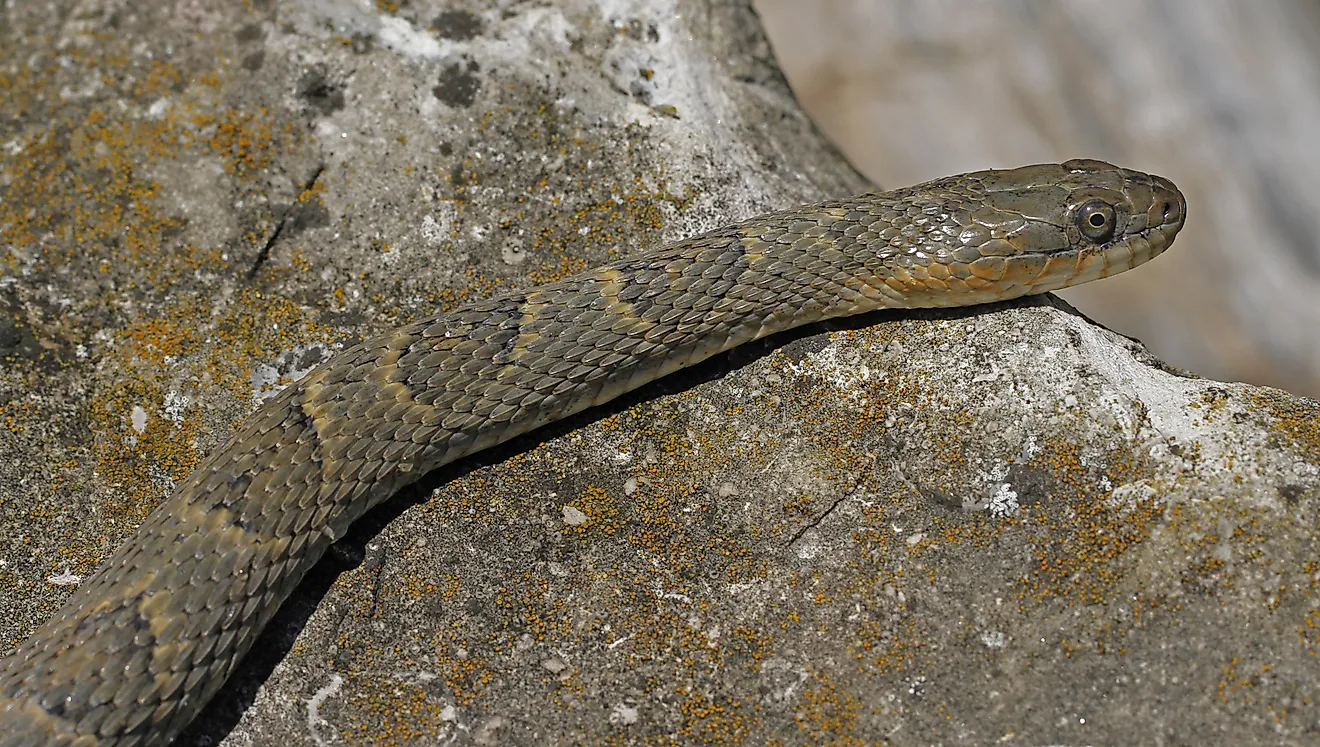
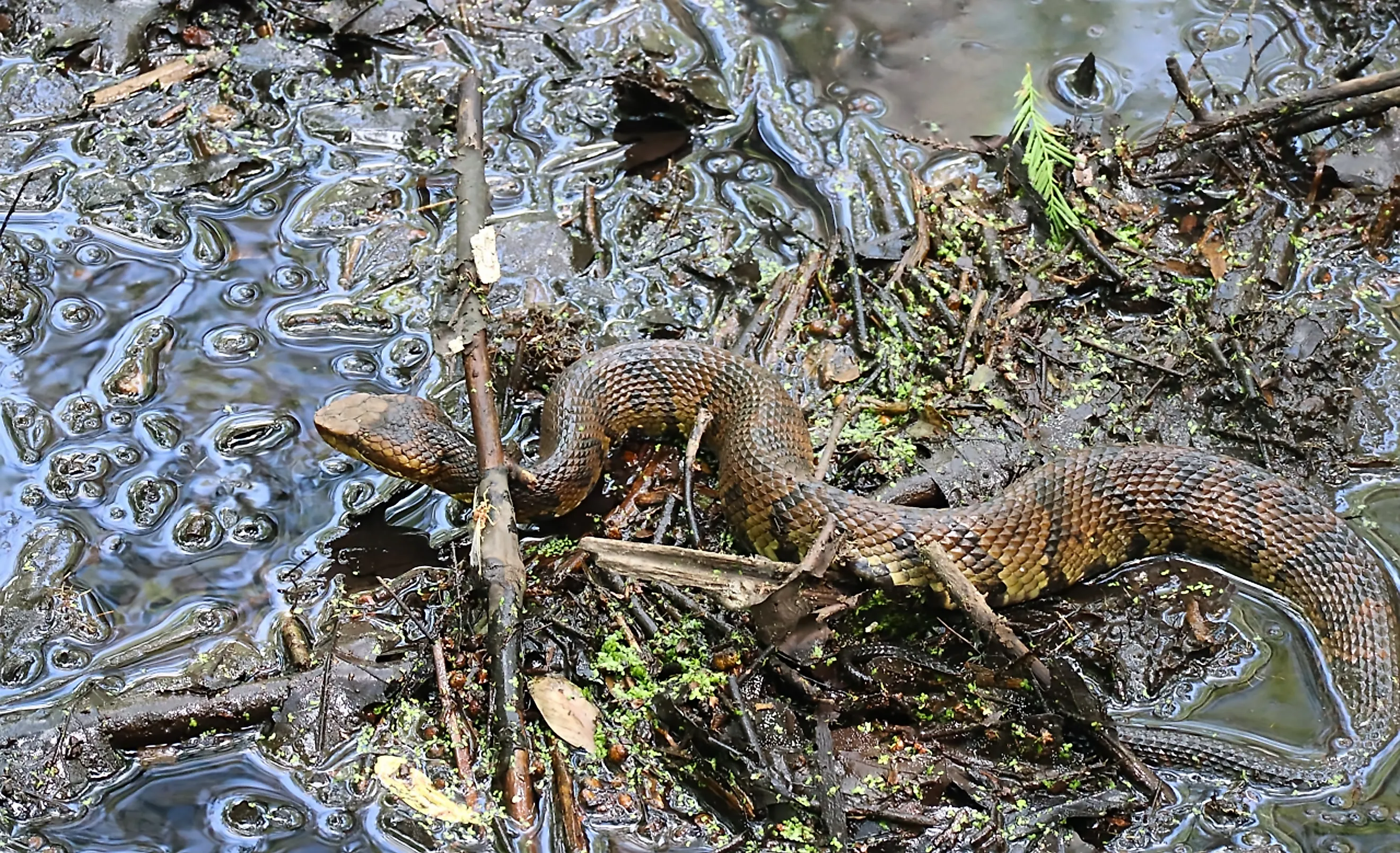
A beaver lodge is one of the most impressive animal-built structures in all of North America, a fortress of mud and sticks that keeps its builders warm and safe right through the winter. But beavers are not the only ones who appreciate good construction. Across the swamps and slow rivers of the South, the water moccasin, better known to scientists as the cottonmouth, regularly dens in and around beaver lodges and the burrows beavers dig into the banks. It turns out the beaver, entirely by accident, builds almost exactly the home a venomous water snake is looking for, offering warmth, cover, easy food, and a hidden way in all in one spot. Here is why water moccasins den in beaver lodges, and why it actually makes such perfect sense.
Beavers Build the Perfect Snake Habitat

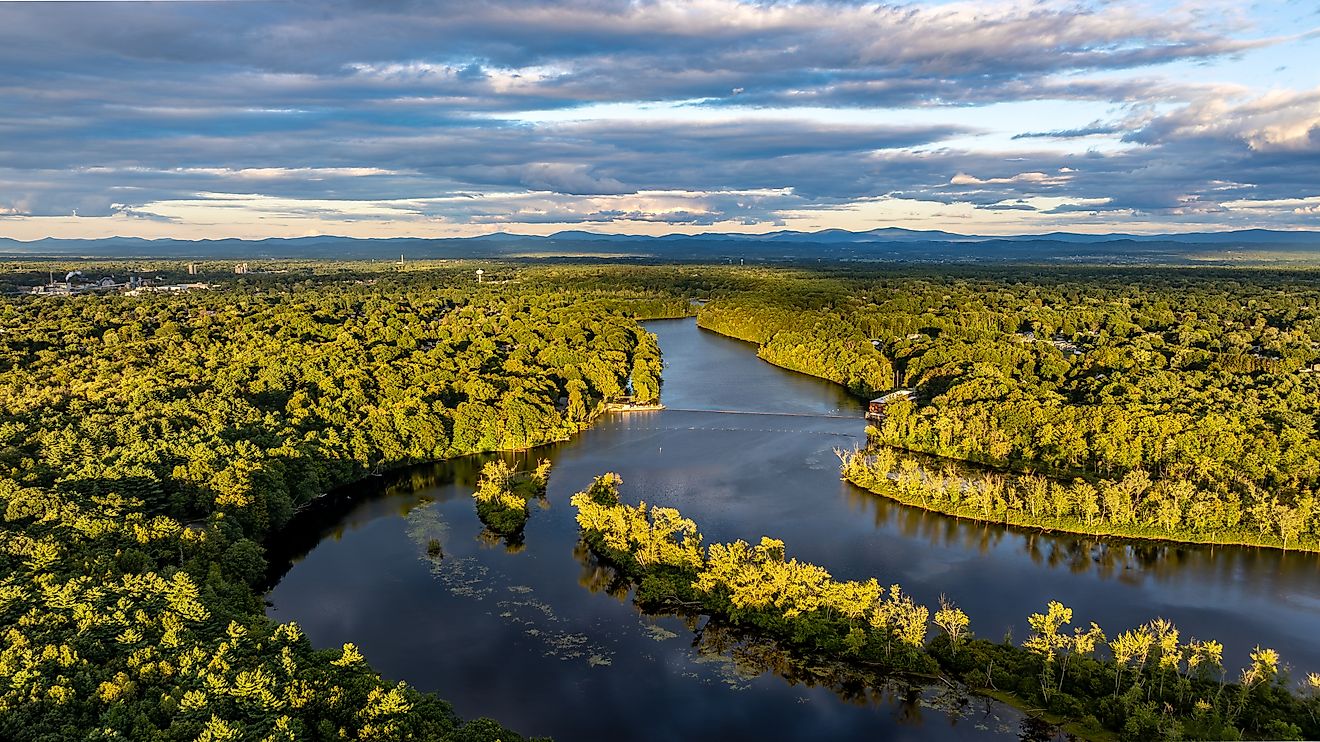
Beavers are nature's great ecosystem engineers, and the very first thing they do is create water. By damming a stream, a beaver floods the surrounding land into a pond or wetland full of slow, still water, which is precisely the kind of place a cottonmouth loves. The water moccasin is the most aquatic venomous snake in North America, rarely straying far from water, and a beaver pond offers it just about everything: warm shallows, plenty of cover, and an abundance of fish and frogs. So before a moccasin ever moves into the lodge itself, the beaver has already built the entire neighborhood around it. The snake is simply drawn to the thriving wetland the beaver quietly created. In much of the flat Southern coastal plain, these engineered ponds are among the richest wetlands around, which is a big part of why cottonmouths turn up near beaver works so reliably in the first place.
A Frost-Free Winter Den

The lodge becomes most valuable once the weather turns cold. Like all snakes, cottonmouths brumate through winter, and they need a shelter that reliably stays above freezing. In the flat lowlands of the South, where the rocky hillsides that snakes elsewhere den in simply do not exist, a snug burrow is the next best thing. A beaver lodge and its network of bank burrows are packed with insulating mud and sticks, and their entrances sit below the waterline in a pond the dam keeps deep enough never to freeze solid. That combination creates a stable, frost-free pocket of shelter right in the middle of an otherwise icy swamp, which is exactly what a cold-blooded snake needs to survive until spring. Beavers deliberately maintain a couple of feet of water over their lodge entrances precisely so the ice cannot seal them in, and that same effort keeps the whole structure livable for a snake, too. It is winterproofing the beaver built for itself, shared without its knowledge.
Ready-Made Shelter, No Digging Required

Snakes, famously, do not dig their own dens, which means they depend entirely on finding ready-made shelter. The beaver, meanwhile, is a tireless excavator. Wildlife agencies specifically list mammal burrows, including those dug by beavers and muskrats, among the cottonmouth's go-to winter hibernacula, right alongside crayfish burrows and rotting stumps. A beaver colony leaves behind a whole maze of prime real estate: the lodge's hollow stick chambers, the crevices riddling the dam, and the bank burrows tunneled into the shoreline. All the moccasin has to do is move in and take advantage of someone else's hard construction work, with not a scrap of digging required of it. Even an old, abandoned beaver lodge keeps working as a den long after the beavers themselves have moved on, slowly settling into the bank as a ready-made hideaway.
The Semi-Aquatic Advantage

Here is where being a water snake really pays off. Beaver lodges and bank burrows are designed with underwater entrances, a clever feature that keeps land predators like foxes and coyotes out, since those animals cannot swim down into a submerged doorway. Most land snakes are shut out in exactly the same way. But the cottonmouth is a superb swimmer that will happily dive beneath the surface, so a flooded, underwater entrance is no obstacle to it at all. Cottonmouths will even dive and stay under to escape danger, so ducking through a submerged opening is well within their everyday repertoire. It can slip into the lodge or burrow completely hidden from view, coming and going through a private doorway that most other animals cannot even reach. For a water moccasin, the beaver's clever security feature is just a convenient side door. That hidden access also means a moccasin can be denning in a lodge without any obvious sign at the surface, which is part of why these winter residents so often go completely unnoticed.
A Buffet Comes With the Lodge

Shelter is only half the appeal, because a beaver pond is also a round-the-clock feeding station. The still, rich water teems with fish, frogs, and crayfish, all of which sit squarely on the cottonmouth's menu, since it is a generalist predator that will eat almost anything it can catch. On top of that, the lodge and its burrows attract muskrats and other small mammals, adding warm-blooded prey to the mix. So a moccasin denning in a beaver lodge does not have to travel to eat; it can brumate through the cold, slip out to bask or hunt on a mild day, and find dinner essentially on its own doorstep. Food and warm shelter in a single location is a very hard deal to beat. For an ambush predator that prefers to sit and wait rather than chase its meals across the landscape, a prey-packed pond wrapped around its front door is close to ideal.
A Shared Winter Home

A beaver lodge is really less a single-family home than a crowded apartment building. Beaver ponds and their burrow networks shelter an enormous range of creatures, from muskrats and frogs to fish, turtles, insects, and other snakes, and cottonmouths themselves sometimes den communally, occasionally even sharing space with copperheads, rat snakes, or rattlesnakes. For people, the practical lesson is a simple one: in the South, a beaver pond is prime cottonmouth country, and the lodge, dam, and banks are exactly where the snakes tend to concentrate, especially in the colder months. It is wise to give these structures a respectful wide berth rather than clambering around on them, because you may well be sharing the space with more residents than you realize. The next time you spot a beaver lodge rising out of a Southern swamp, remember that the industrious beaver may have unwittingly built a cozy winter retreat for one of the region's most formidable snakes, a tenant it never invited and will never collect rent from.