The Lake That Was Officially A Great Lake For 18 Days
For 18 strange days in the spring of 1998, the United States did not have five Great Lakes. It had six. Thanks to a single quiet line of legislation, Lake Champlain, the long, skinny lake wedged between Vermont and New York, was briefly and entirely officially elevated to Great Lake status, joining Superior, Michigan, Huron, Erie, and Ontario in the record books. Then the Midwest found out, and the whole thing came crashing down in a storm of ridicule. Here is the strange, completely true story of the lake that was officially a Great Lake for 18 days.
The Answer: Lake Champlain

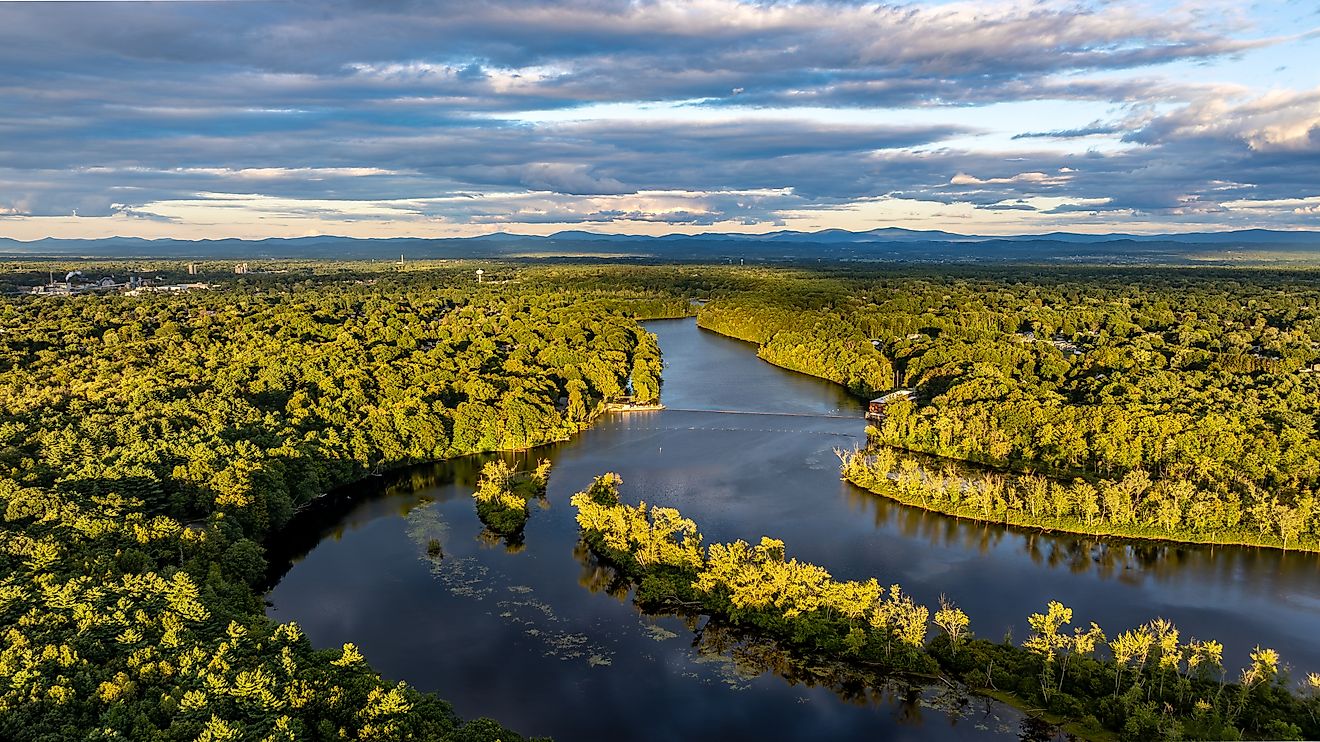
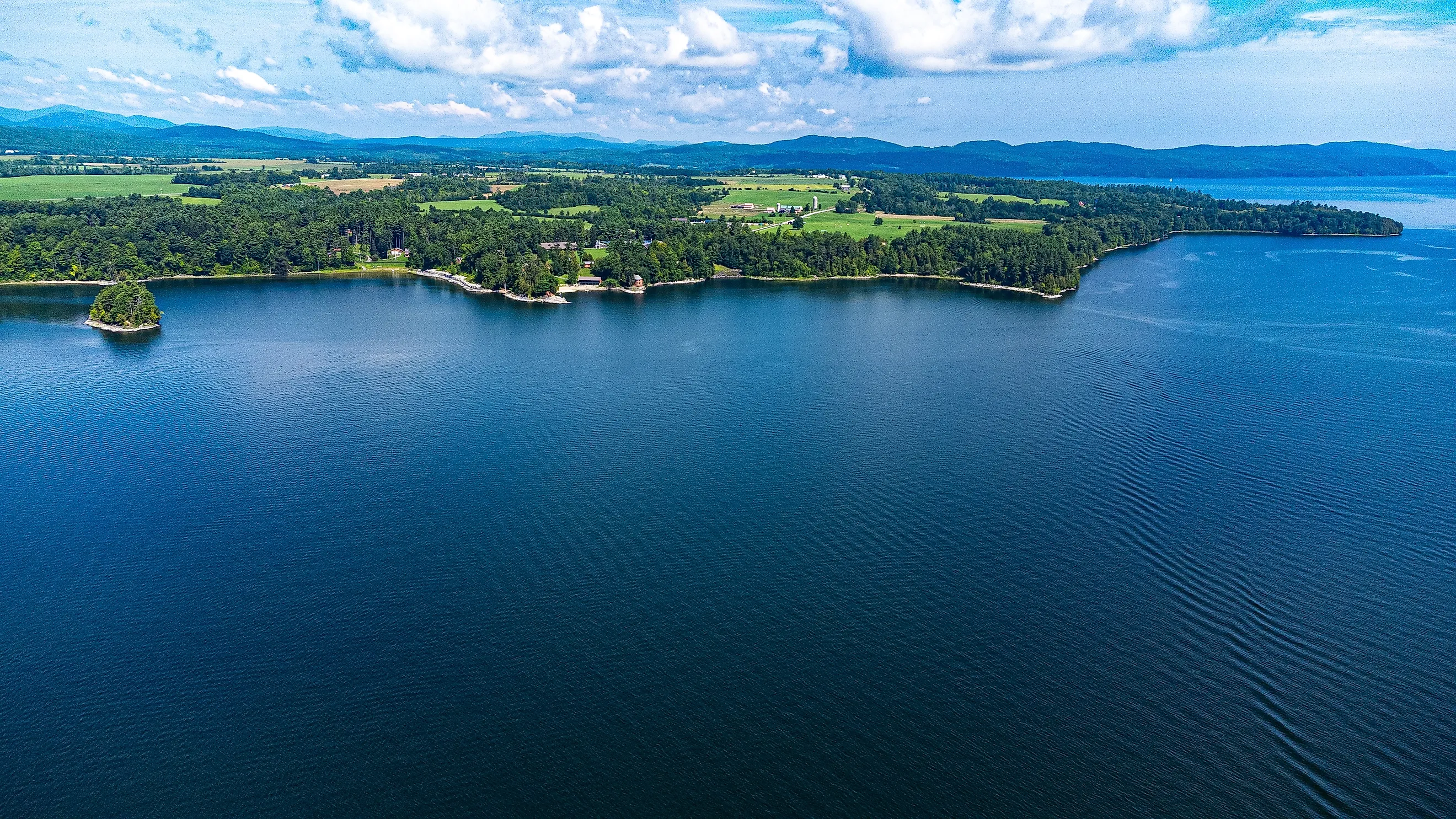
The lake in question is Lake Champlain, a 120-mile-long body of water that forms much of the border between Vermont and New York before stretching north into Quebec. It is a genuinely significant lake, rich in history, ringed by the Adirondacks and the Green Mountains, and deeply beloved by the people who live around it, with Burlington, Vermont's largest city, rising right up from its eastern shore. But in March 1998, it became something stranger still: for a little under three weeks, it was a federally designated Great Lake, America's unexpected sixth. The designation was real, it was official, and it was almost immediately a national punchline. How it happened is a small masterpiece of political maneuvering, and how it unraveled is an even better story.
How a Lake Becomes 'Great' Overnight

The whole thing came down to one lawmaker and one sentence. Vermont's long-serving senator, Patrick Leahy, quietly inserted a line into the reauthorization of the National Sea Grant College Program that redefined the term "Great Lakes" to include Lake Champlain. Because it was buried deep in a routine funding bill and attracted almost no attention, it sailed through Congress on a voice vote, and President Bill Clinton signed it into law on March 6, 1998. Just like that, with the stroke of a pen and a line almost nobody had actually read, Lake Champlain was legally as Great as Superior. It remains one of the more audacious pieces of legislative sleight of hand in recent memory. Leahy would later insist he never truly intended to rename Champlain as a Great Lake, but at the time the move was reported, and celebrated in Vermont, as exactly that.
It Was Really About the Money

So why would Vermont want its lake reclassified in the first place? The answer, as it so often is, was funding. Since 1966, the federal Sea Grant program, which bankrolls coastal and Great Lakes research, has only been open to states bordering an ocean or one of the Great Lakes. Land-locked Vermont qualified for neither, which shut it out of that pool of research money entirely. By quietly declaring Champlain a Great Lake, Senator Leahy made his state eligible to host a Sea Grant office and tap into those federal research dollars. It was never really about bragging rights; it was about securing Vermont's biggest lake the scientific attention, and the budget, that its far larger cousins had long enjoyed. The program at stake distributed tens of millions of dollars in grants, and that was the real prize Leahy was after.
Then the Midwest Found Out

The scheme worked beautifully, right up until the actual Great Lakes states noticed. When they did, the reaction was pure outrage, and it had remarkably little to do with the money. For the Midwest, the five Great Lakes are a point of deep regional pride, and the idea of a comparatively tiny New England lake muscling its way into the club felt like a genuine insult. The jokes came fast and hard. An Ohio congressman suggested renaming the lake "Lake Plain Sham," a Wisconsin newspaper dubbed Leahy "the Fourth Stooge" for inventing a sixth Great Lake, and the famously no-nonsense Senator John Glenn of Ohio reportedly huffed that he knew the Great Lakes, and this most certainly was not one of them. Champlain had become the butt of a national joke. Editorial cartoons piled on, and the story rocketed from an obscure funding footnote to the kind of thing that turns up on the evening news, which was precisely the attention Vermont's quiet maneuver had been designed to avoid.
Stripped After 18 Days
The pressure proved impossible to ignore, and the retreat was swift. On March 24, 1998, just 18 days after the designation took effect, the Senate voted unanimously to strip Lake Champlain of its Great Lake status, and America was promptly back to its traditional five, a correction that passed with none of the quiet secrecy of the original designation. But here is the clever twist that made the entire stunt worthwhile: while lawmakers removed the embarrassing "Great Lake" label, they quietly left Vermont's Sea Grant eligibility firmly in place. Champlain lost the title but kept the money. To this day, the Lake Champlain Sea Grant program is alive and well, funding research all over the lake, which is almost certainly exactly what Senator Leahy had wanted all along. In the end, the ridicule cost Vermont only a title it had never really needed, while the funding it genuinely did need sailed on untouched.
Just How 'Great' Is Lake Champlain?

To be fair to the mockers, the geographic case against Champlain was pretty overwhelming. At roughly 435 square miles, it is a fraction of the size of even Lake Ontario, the smallest of the real Great Lakes at about 7,340 square miles, which makes Champlain only around one-fifteenth as large. One critic noted that individual islands in Lake Superior are bigger than the whole of Lake Champlain, and the lake is barely half the length of the shortest true Great Lake. It holds a tiny fraction of the water and drains to the Atlantic by an entirely different route, through the Richelieu River rather than the Great Lakes basin. By any serious measure, it simply does not belong in that company. And yet Champlain is a magnificent lake in its own right, glacier-carved, historically pivotal as the setting for Revolutionary War and War of 1812 battles, and ecologically rich enough to serve scientists as a kind of miniature stand-in for the Great Lakes themselves. Locals have affectionately called it the sixth Great Lake for generations, and for 18 glorious days, the federal government actually agreed with them. It may not be Great by the letter of the law anymore, but Lake Champlain still wears that brief moment of official greatness like a badge of honor, the little lake that, for less than three weeks, crashed the most exclusive club in all of American geography.