How Much Water Is Frozen In America's Glaciers Compared To The Great Lakes
The Great Lakes hold a genuinely absurd amount of fresh water, roughly 6 quadrillion gallons of it. But America also stashes a colossal supply frozen solid in its glaciers. So how do the two stack up? The honest answer hinges entirely on one thing: whether or not you count Alaska. Because when it comes to ice, Alaska and the rest of the country are not remotely playing the same sport. Let's break it down.
The Yardstick: The Great Lakes

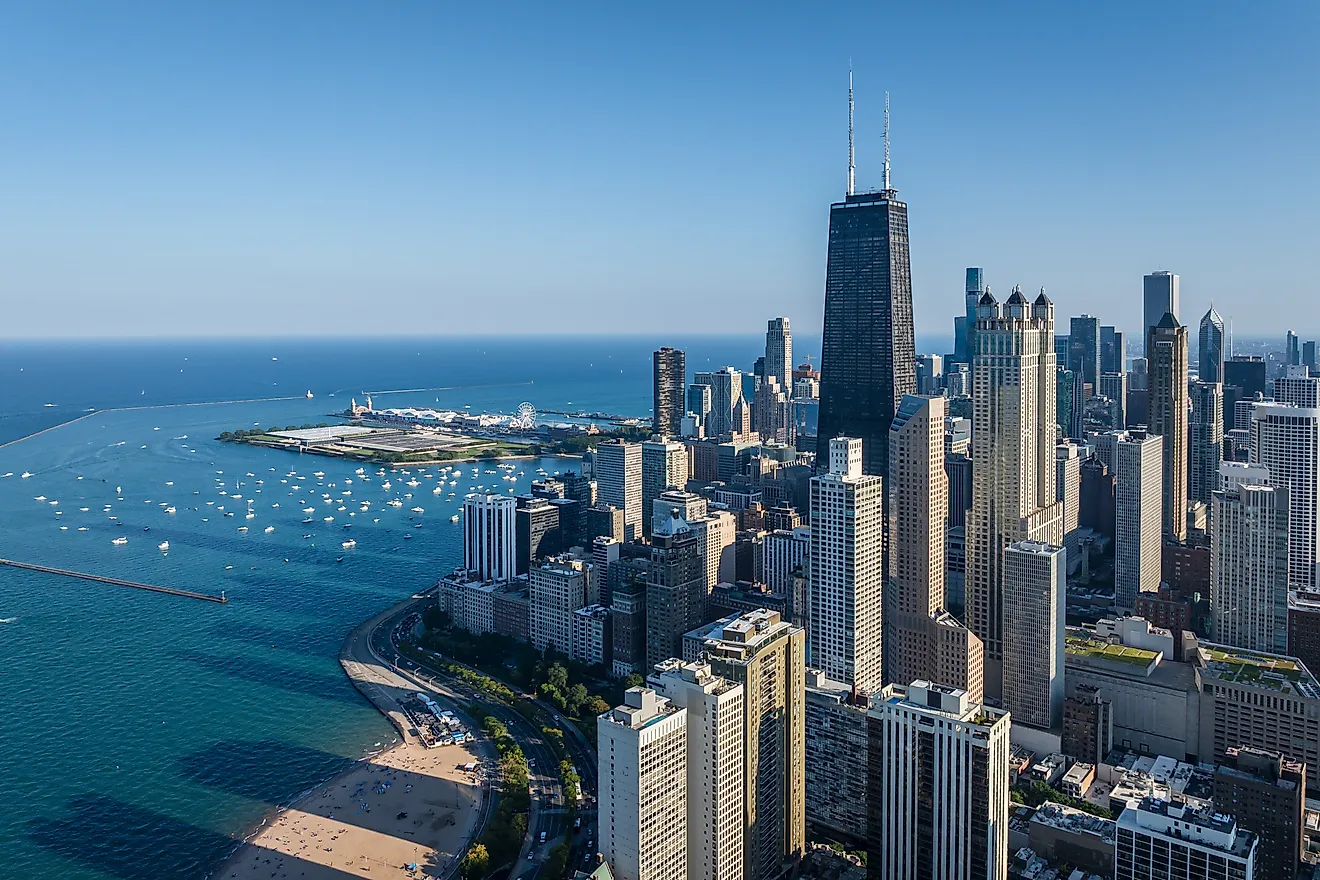
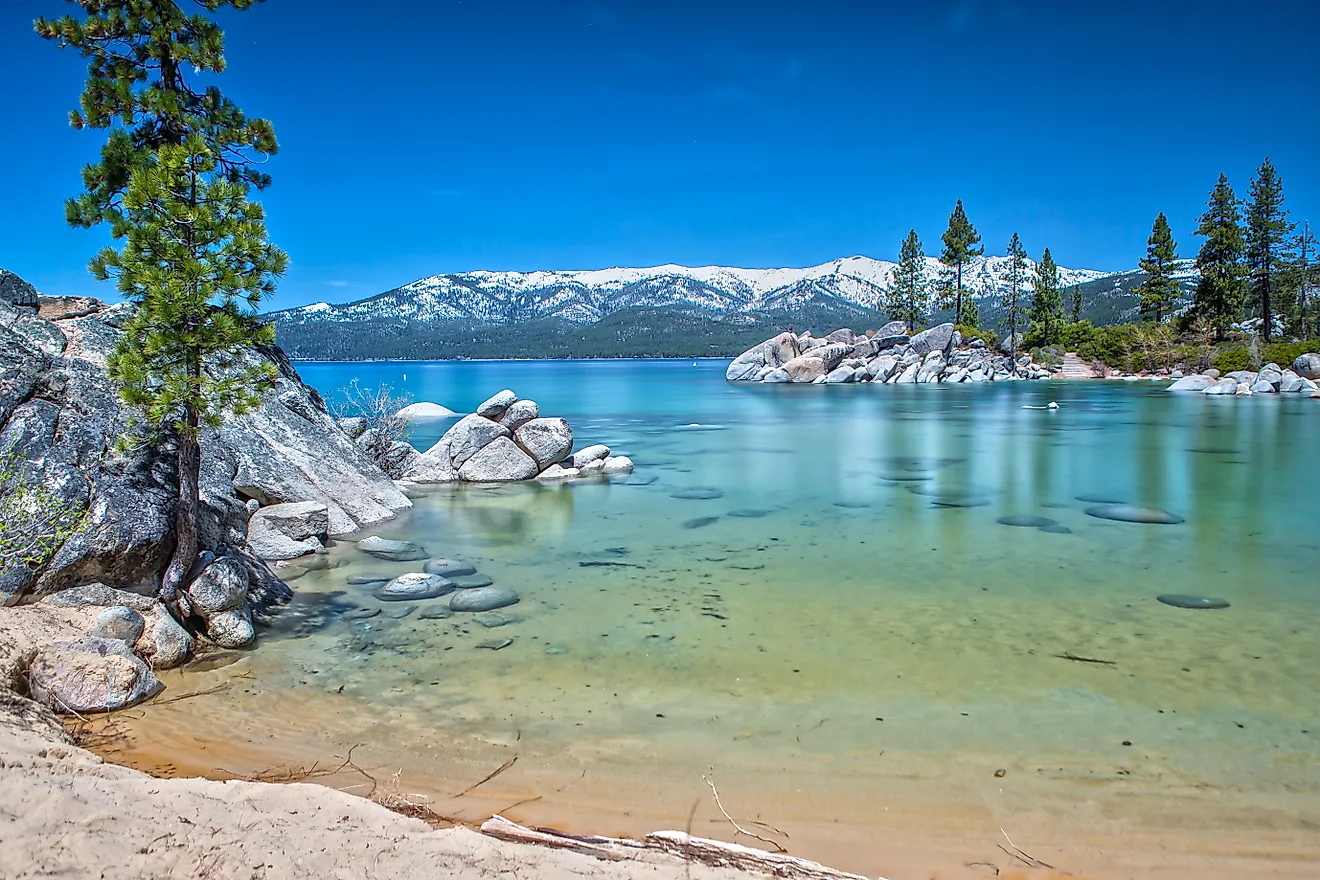
First, let's set our measuring stick. Together, Lakes Superior, Michigan, Huron, Erie, and Ontario hold roughly 22,700 cubic kilometers of water, which is about one-fifth of all the liquid fresh water sitting on the surface of the entire planet. It is an almost incomprehensibly large reservoir, and it is the benchmark every other "big water" comparison in North America gets measured against. Keep that number, around 22,700 cubic kilometers, in your head, because we are about to throw a mountain of ice at it.
Alaska: Basically a Frozen Great Lake

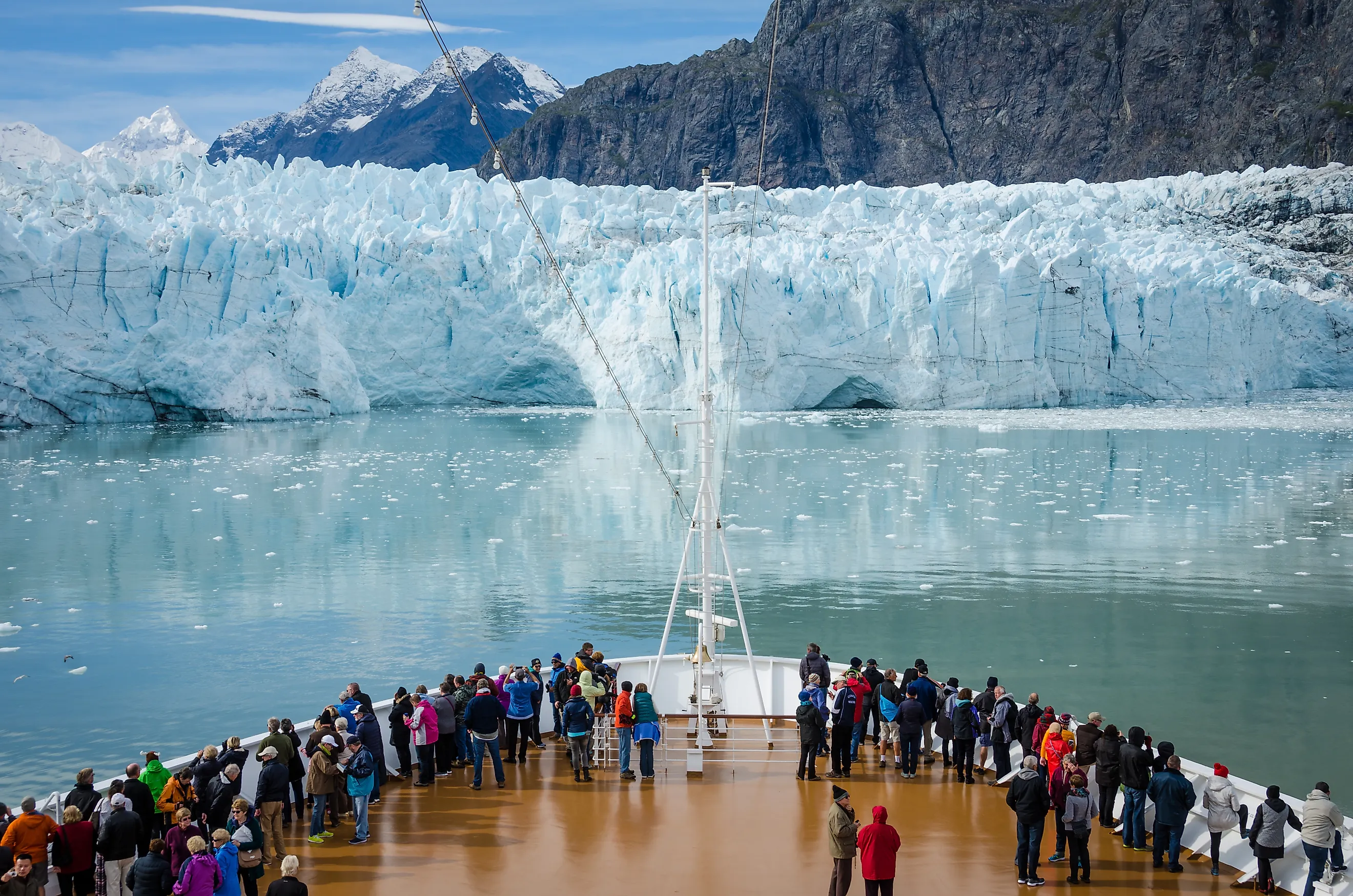
Now for the heavyweight. Glaciers blanket about 75,000 square kilometers of Alaska, some 5 percent of the entire state, spread across more than 100,000 individual glaciers. Recent studies estimate all that ice adds up to somewhere between 17,000 and 19,000 cubic kilometers. Melt it down into liquid water and you get around 16,000 to 17,000 cubic kilometers, which is roughly three-quarters of the entire Great Lakes system. Put another way, Alaska's glaciers hold about as much water as Lake Superior and Lake Michigan combined, the two biggest lakes on the continent. One state's worth of ice nearly rivals all five Great Lakes. That is how much frozen water is up there.
The Lower 48: A Glorified Ice Cube

And now, let's face it, the rest of the country. Round up every single glacier in the contiguous United States, the icefields of the Cascades, the shrinking patches in the Rockies and the Sierra Nevada, and the last remnants clinging to the peaks of Glacier National Park, and you get a grand total of only a few dozen cubic kilometers of ice. That is roughly two-tenths of one percent of the Great Lakes, not even enough to fill a tenth of little Lake Erie, the smallest of the five. Mount Rainier, the most heavily glaciated peak in the Lower 48, is a giant by local standards and a speck by Alaskan ones. Next to Alaska, the entire Lower 48's ice is a rounding error, and honestly, that is being generous.
Why Alaska Hoards All the Ice

The reason Alaska dominates so completely comes down to geography. The state sits at high latitudes where cold, moisture-laden air rolls off the Pacific and slams straight into enormous coastal mountain ranges. That collision dumps staggering amounts of snow, far more than can melt each summer, which is the exact recipe for building glaciers. The result is some of the largest ice masses on Earth outside the polar ice sheets, including the sprawling Bering and Malaspina glaciers and the vast Juneau Icefield, plus around 60 tidewater glaciers that flow right down to the sea and calve icebergs into the fjords of places like Kenai Fjords. The Lower 48, by comparison, is simply too far south and too warm to grow ice on anything close to that scale.
But It Is Melting Fast

Here is the sobering catch, though. Unlike the Great Lakes, which stay more or less put, this enormous frozen reservoir is shrinking, and quickly. Alaska's glaciers lose tens of cubic kilometers of ice every single year and are now the single largest contributor to global sea-level rise of any glaciated region on the planet. At places like Exit Glacier, the hiking trail is dotted with signs marking where the ice reached in years past, each one now stranded far from the retreating glacier's edge. So while Alaska still guards a frozen stockpile that rivals the Great Lakes, it is a bank account being steadily drained. The Great Lakes will still be brimming in a century. A worrying share of that Alaskan ice will not.