US Towns That Look Like Scandinavia
With immigration and the influence of different cultures playing a huge role in shaping the United States, it's no surprise that some American towns resemble places on the other side of the world.
During the nineteenth and early twentieth centuries, hundreds of thousands of Scandinavians emigrated to the United States in search of new opportunities. Many were drawn by the availability of affordable farmland, economic prospects, and the promise of religious freedom. Between 1850 and 1920, immigrants from Sweden, Norway, and Denmark established communities across the country, particularly throughout the Midwest. Generations later, their influence remains visible in the architecture, traditions, and cultural landmarks of these towns.
Danish-style windmills rise over a California valley, and Swedish folk traditions endure on the Kansas prairie. These five American towns offer a glimpse of Scandinavia without requiring a trip across the Atlantic.
Solvang, California

Windmills, Danish-style buildings, and traditional bakeries give Solvang a distinctly Northern European appearance. Founded in 1911 by Danish-American educators and settlers, the town was established on approximately 9,000 acres in California's Santa Ynez Valley. Its founders hoped to create a community where Danish culture and educational traditions could continue in the United States.
Solvang did not always look the way it does today. Early buildings largely resembled the rural architecture of the surrounding California region. Its Danish appearance began to take shape in the 1930s and accelerated after World War II, when residents incorporated Danish architectural styles into new buildings and remodeled existing ones. Windmills and other European-inspired features eventually became recognizable parts of the town's streetscape.
The community also established institutions to preserve its heritage, including Atterdag College, a Danish folk high school. Today, the Elverhøj Museum of History & Art explores local history, while the annual Danish Days festival brings traditional music, dancing, food, and folk costumes into the streets.
Solvang's appearance is more than a reflection of its founders' ancestry. It represents a deliberate effort to preserve and express Danish-American identity across generations.
Poulsbo, Washington

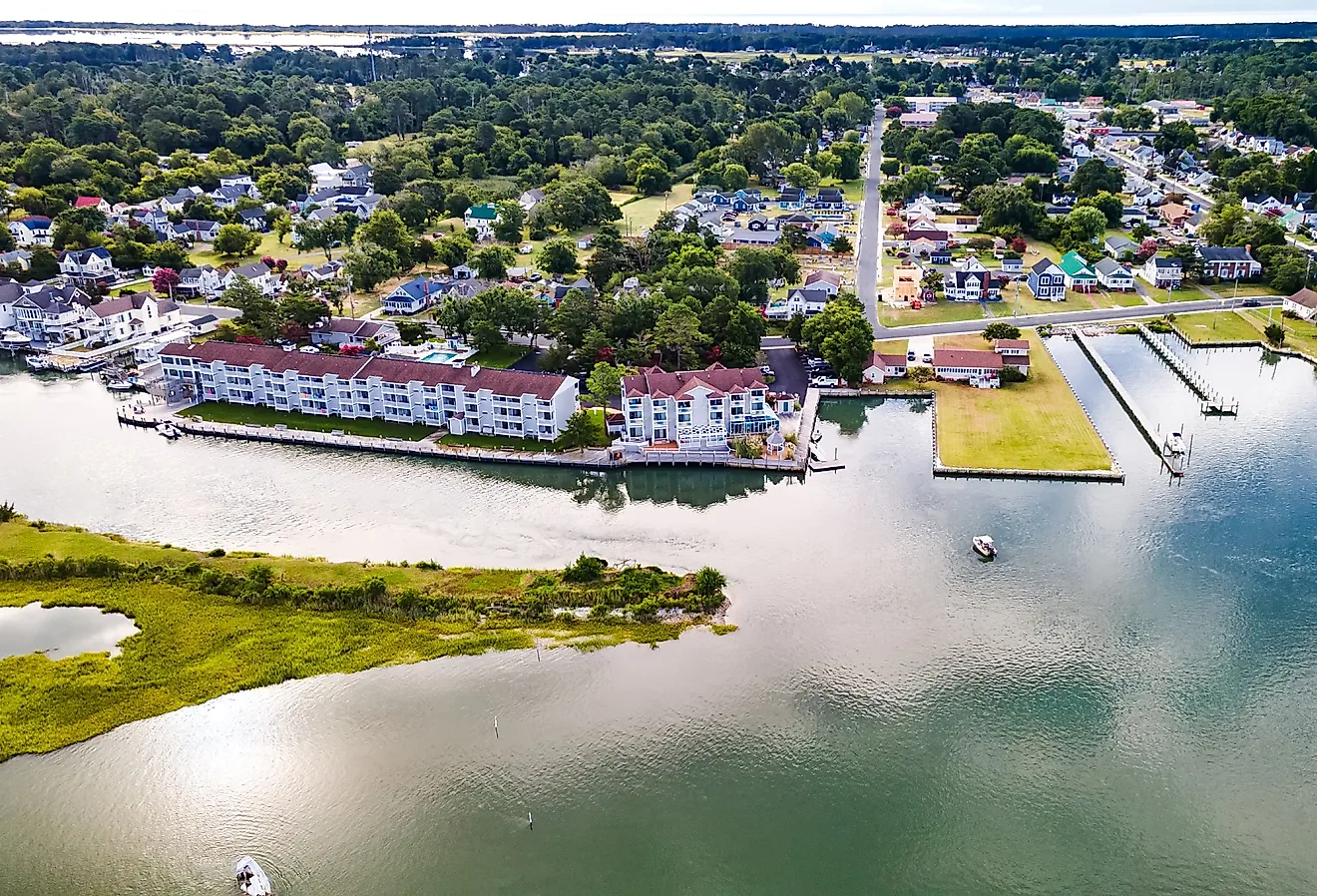
Liberty Bay and the Olympic Mountains give Poulsbo a landscape reminiscent of Norway's coastal communities. Located on Washington's Kitsap Peninsula, the town developed through the influence of Scandinavian settlers, particularly Norwegian immigrants, during the nineteenth century.
Poulsbo grew as a waterfront settlement in the 1880s, with Norwegian immigrant Jørgen Eliason among its early settlers. Waterways played an important role in connecting the community to other settlements around Puget Sound, while the surrounding waters supported fishing and maritime commerce.
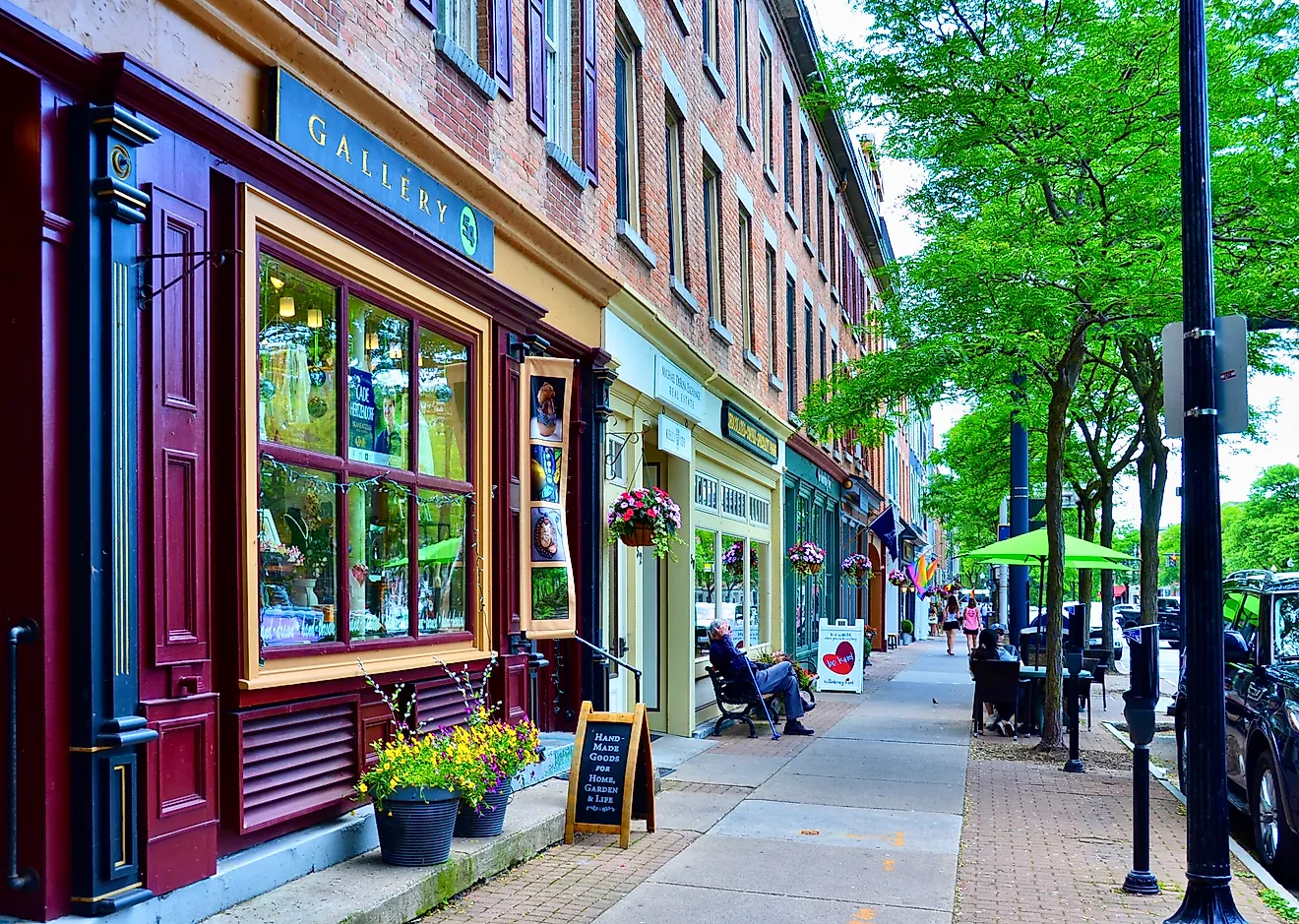
Norwegian heritage remains visible throughout downtown Poulsbo, in its Scandinavian-inspired storefronts, murals, and cultural institutions. The Sons of Norway Hall also reflects the community's longstanding ties to Norwegian-American culture.
Known as "Little Norway," Poulsbo celebrates its heritage through events such as Viking Fest, which features parades, traditional foods, and Norwegian-inspired festivities. Its waterfront setting, mountain backdrop, and Scandinavian cultural influences give the town a distinct identity within the Pacific Northwest.
Elk Horn, Iowa

A historic Danish windmill stands against the landscape in Elk Horn, Iowa, offering one of the town's clearest visual connections to Scandinavia. Unlike destinations where European-inspired architecture developed primarily as a tourism attraction, Elk Horn's Danish identity is rooted in a long-established immigrant community.
Danish settlers helped shape the surrounding area by establishing churches, businesses, and cultural institutions. Their descendants have continued to preserve that history, most visibly through the Danish Windmill, which was originally built in Nørre Snede, Denmark, in 1848.
In the 1970s, local residents and volunteers arranged for the windmill to be dismantled, shipped to Iowa, and reconstructed in Elk Horn. It was rebuilt in 1976, turning an authentic Danish structure into a prominent local landmark.
Elk Horn is also home to the Museum of Danish America, which explores the experiences and contributions of Danish immigrants and their descendants. Together, the windmill and museum help preserve the community's connections to Denmark, making Elk Horn a distinctive example of Scandinavian heritage on the American prairie.
Lindsborg, Kansas

Painted Dala horses, Swedish-inspired storefronts, and traditional cultural celebrations distinguish Lindsborg, Kansas, from many other communities across the Great Plains. Founded in 1869 by Swedish immigrants led by Pastor Olof Olsson, the town developed around farming, education, and community life.
The settlers brought their religious traditions, language, and cultural practices with them. Bethany Lutheran Church became an important institution, while Bethany College, established in 1881, helped develop the town's reputation for education and the arts.
Lindsborg is widely known as "Little Sweden, USA." Its Swedish connections remain visible through public art, including brightly painted Dala horses inspired by the traditional carved wooden horses of Sweden. These figures have become recognizable symbols of the town's cultural identity.
One of Lindsborg's signature events is Svensk Hyllningsfest, held every other year to honor Swedish pioneers through music, dancing, food, and demonstrations of traditional customs. Through its public art, educational institutions, and cultural celebrations, Lindsborg continues to maintain a strong connection to its Swedish roots.
Decorah, Iowa

Norwegian heritage runs deep in Decorah, Iowa, where cultural institutions, historic buildings, and annual celebrations preserve the story of Norwegian immigration to the Midwest.
Norwegian immigrants settled throughout northeastern Iowa during the nineteenth century, attracted in part by agricultural opportunities. Over time, Decorah became an important center for Norwegian-American cultural life.
The town is home to Vesterheim, the National Norwegian-American Museum and Folk Art School. Its collections document Norwegian immigration, traditional folk art, and the experiences of immigrants adapting to life in the United States. The museum's Heritage Park includes historic buildings that help illustrate Norwegian life and the immigrant experience.
Decorah also hosts Nordic Fest, an annual celebration featuring Scandinavian food, music, dancing, and cultural activities. The event draws on the region's Norwegian-American history while welcoming visitors interested in learning about Nordic traditions.
Although Decorah does not replicate a Norwegian village through a uniform architectural style, its historic setting and concentration of Norwegian-American cultural institutions make it an important example of how Scandinavian traditions have become part of everyday American life.
Scandinavian Heritage Across America
Although separated from Scandinavia by thousands of miles, these American towns have maintained connections to their roots through the buildings, traditions, and landmarks that shape their communities. Some have deliberately recreated elements of their ancestral homelands, while others have preserved pieces of their heritage through generations of residents. Together, they show how immigration can transform a place long after its first settlers arrive, leaving behind a cultural identity that continues to influence how a town looks, feels, and lives today.