The Deadliest Wildlife In America's Forests
Ask a group of hikers what worries them most in the woods, and many will picture a bear or a mountain lion. Those big predators are worth real respect. What surprises most people is how much of the danger comes from creatures they would walk right past. The animals that send the most Americans to the hospital are often small enough to overlook. The good news is that these risks follow patterns, and park rangers know those patterns cold. Learn whose home you are walking through and dress for it, and the forest turns into a place you can enjoy.
Bears

Bears and people cross paths in national forests all over the country, usually over the same thing: food. Most of the time a bear would rather be somewhere else, and you will spot one at a distance long before it ever notices you. Trouble tends to come when a bear feels cornered, when it is guarding a carcass, or when someone gets between a mother and her cubs. Grizzlies carry a shorter fuse than black bears, though both have killed people, and both deserve a wide berth.
The reassuring part is how predictable fatal encounters turn out to be. They cluster around cubs, contested food, and startled animals, which is exactly why the safety rules work so well. Store your food far from your tent, never hand a bear a snack, and hold at least 100 yards of space between the two of you. A bear that never learns to link people with an easy meal is a bear that keeps its distance. Polar bears are the deadliest members of the family by a mile, but you can rest easy on that front, since none of them are waiting in the tree line.
Ticks

Here is the creature that should really give hikers pause. Ticks are barely the size of a pinhead, yet they drive one of the biggest wildlife health burdens in the country. Using insurance records, the CDC estimated that about 476,000 people were diagnosed and treated for Lyme disease each year between 2010 and 2018. What makes a tick so effective is exactly what makes it easy to miss. Most people never feel the bite and only find the tick once it has already latched on.
Ticks pull the moisture they need straight from the air, so they gather where the air stays damp: low brush, tall grass, and the edges of streams and ponds, waiting for a warm body to brush past. A few simple habits shut most of that risk down. Tuck your pants into your socks, run an EPA-registered repellent over your clothes and skin, and give yourself a thorough check after every walk. When you do that check, look in the spots ticks love: the scalp, behind the ears, behind the knees, and around the belly button.
Rattlesnakes

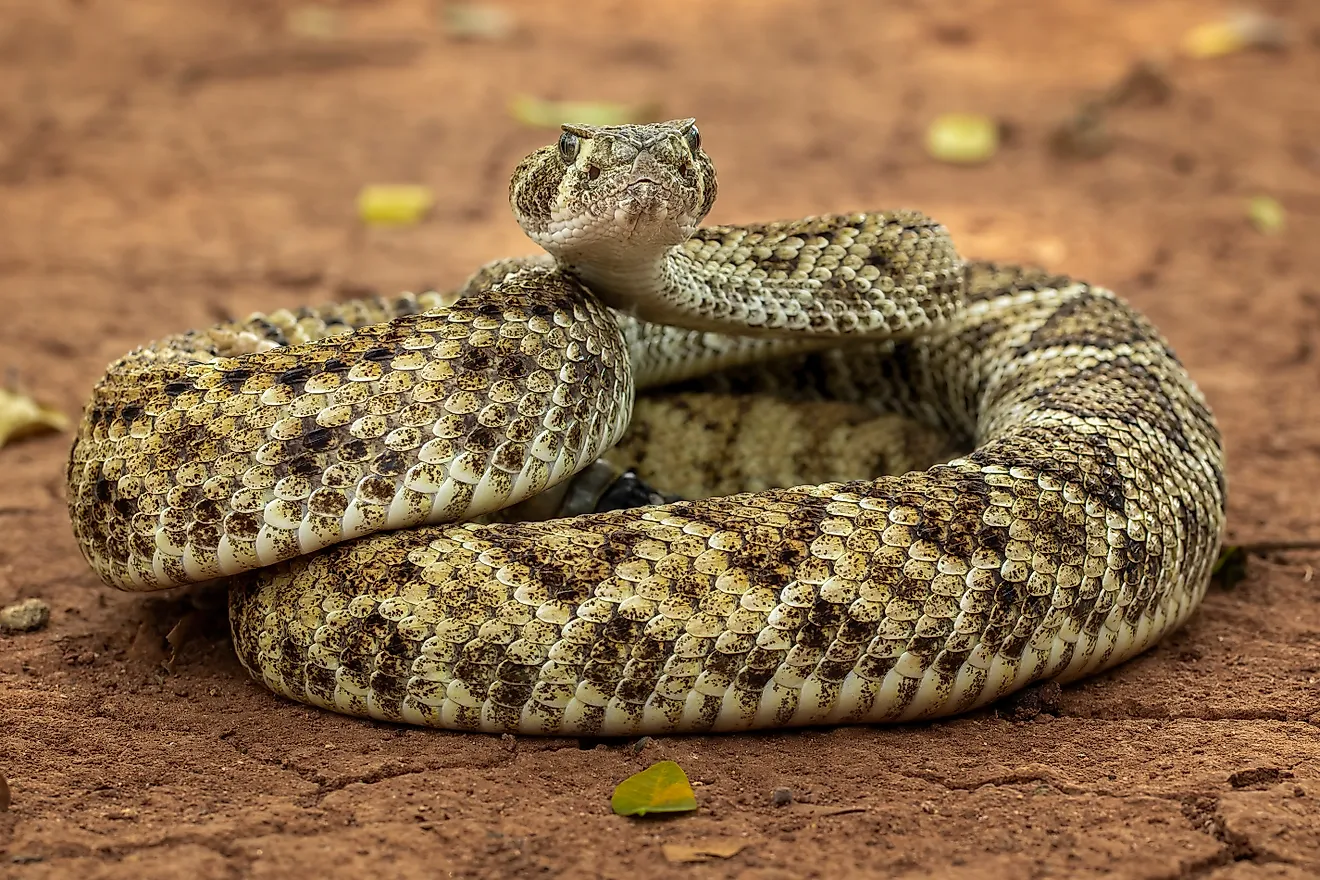
The United States is home to more than 20 species of venomous snakes, and the great majority of them are rattlesnakes. They wear their warning right on their tails, and that buzzing rattle is a favor, not a threat, meant to tell you and every other animal to back off. Rattlesnakes range across much of the country, with the widest variety in the arid Southwest, though most actual bites happen in the warmer states of the South. Every rattler is venomous, but the venom is built for hunting rather than for you. It works by slowing prey down long enough for the snake to eat, and a rattlesnake can even choose to hold it back, delivering a warning "dry bite" with no venom at all.
Among them, the eastern diamondback grows the largest, the western diamondback bites the most people, and the timber rattlesnake turns up most often on wooded mountain trails. The numbers are worth keeping in perspective. Somewhere between 7,000 and 8,000 Americans are bitten by venomous snakes in a typical year, and only about five of those bites prove fatal. Prompt medical care makes nearly all the difference. To stay off that list, wear long pants tucked into ankle-high boots, and give fallen logs and sun-warmed boulders a wide step, since a resting snake may be lying just out of sight.
Moose

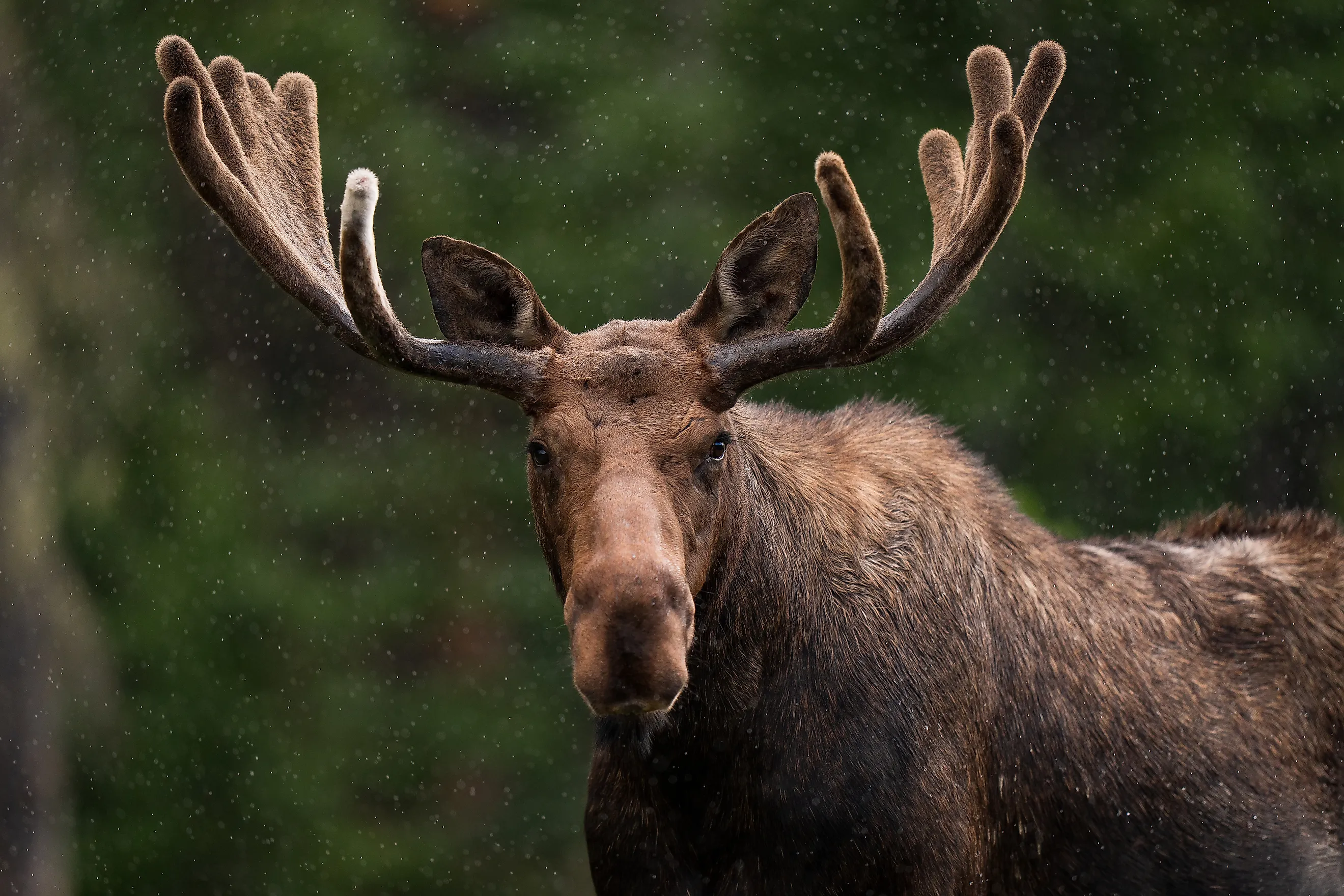
Moose have no interest in hunting anyone, yet more people in Alaska land in the hospital because of moose than because of bears every year. The reason is partly just numbers, since moose vastly outnumber bears and rarely fear people. They lash out when they are harassed, when a mother is shielding her young, or when they turn hungry and worn down from plowing through deep winter snow. Bull moose grow especially short-tempered during the fall rut in late September and October.
A moose usually tells you before it acts. The long hairs along its shoulders stand up, and its ears flatten back against its head. If one starts toward you wearing that look, put something solid between you fast, whether a tree, a boulder, or your car. Treat every charge as the real thing, even though many turn out to be bluffs. Alaska's wildlife biologists are blunt about it: keep your distance from every moose, calves included. A newborn already tips the scales at 300 to 400 pounds, and that is more than enough to break bones.
Mountain Lion

The mountain lion goes by many names, puma and panther among them, and it hunts from the edges of its range across the Americas. That range is the widest of any native wild cat in the hemisphere, running from Canada down into South America. Within the United States, breeding populations hold mostly across the western states, with pockets pushing east as the cats reclaim old ground. For all their numbers, mountain lions are shy to the point of ghostliness, and they do most of their moving at dawn and dusk.
You are far more likely to share a trail with one in broken, boulder-strewn country than out on open ground, where a lion can find cover, and their coats melt into the shadows under the trees. Encounters peak in summer and fall. A few things tilt the odds in your favor, and hiking with a dog is one of the simplest. If a lion does step into view, the people who walk away tend to be the ones who stand tall, shout, and throw whatever stones they can reach.
Mosquito
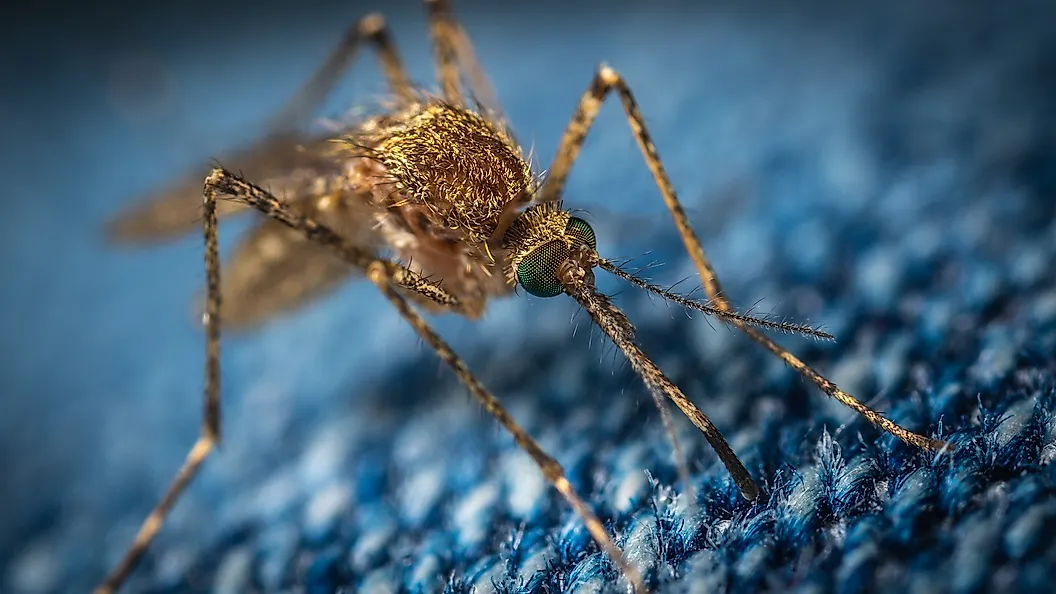
Set a mosquito next to a grizzly and the comparison looks almost funny. The bite itself is nothing. The diseases a mosquito passes along are the real problem. Mosquito-borne illness kills far more people in the United States each year than bears and mountain lions combined. Of the diseases they spread, West Nile virus is the one to watch. The country sees roughly 2,000 or more reported cases a year, and around 130 people die, with the deaths concentrated among the severe cases that reach the nervous system.
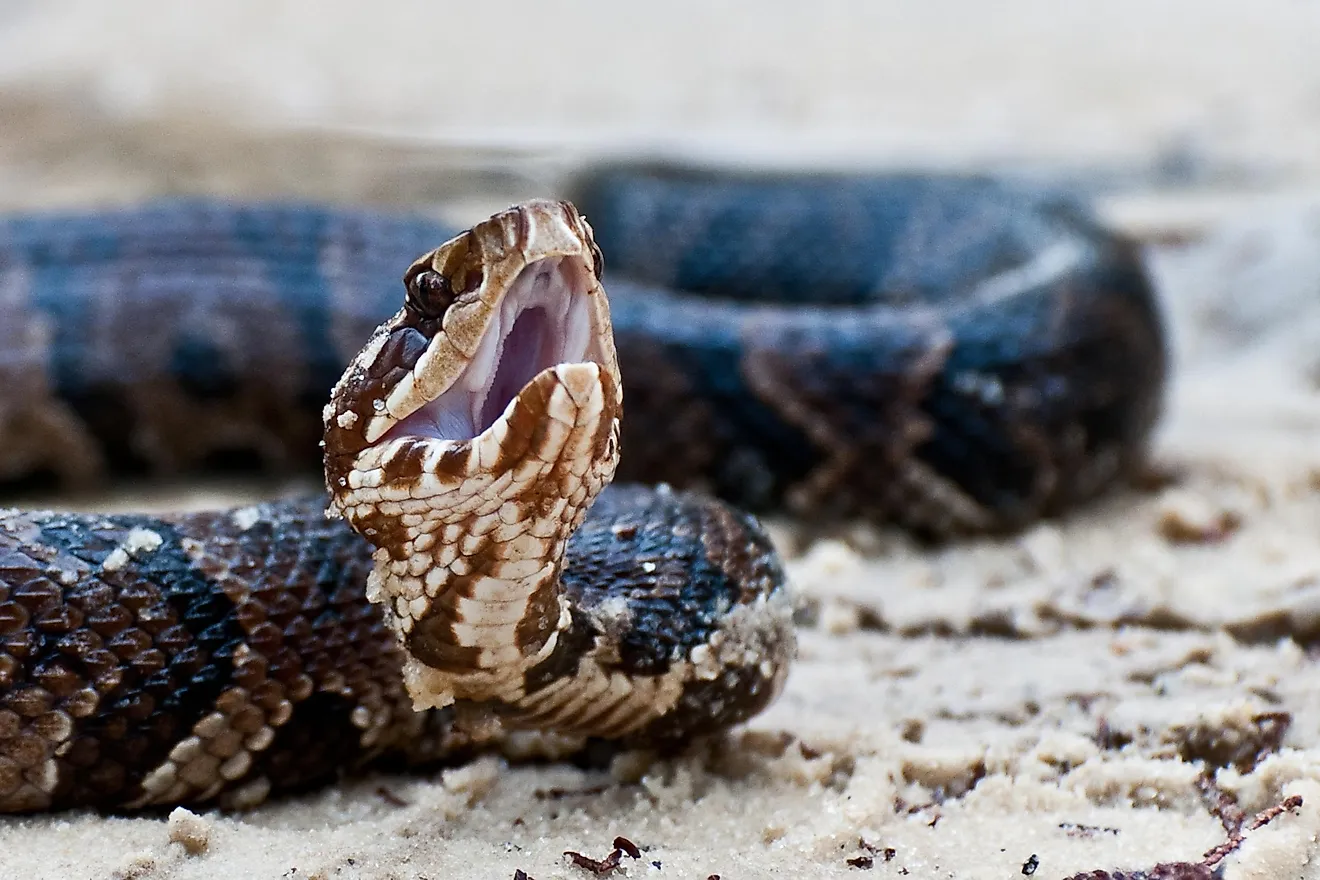
Forested parks take the threat seriously. Virginia's Prince William Forest Park, run by the National Park Service, lists biting insects right alongside copperheads and rattlesnakes among the hazards visitors should plan for. Mosquitoes swarm thickest near the still and slow water of forest ponds and streams. The defense is refreshingly low-tech: cover up with long sleeves and long pants, and reach for a DEET repellent before you head into the trees.
Sharing The Woods, Safely
The pattern running through all of this is a strange one. The smallest animals in the forest rack up the highest body counts, while the giants we fear the most rarely touch us at all. None of these creatures are villains. A mosquito or a tick is simply following its biology and looking for a meal, and a bear or a moose almost always strikes out of fear or in defense of its young. That distinction is oddly comforting, because it means the danger is not random. Follow the safety steps the park services lay out, give every animal the room it wants, and the odds tip hard in your favor. Do that, and your day in the woods should fill up with the good kind of wildlife story: the one you watched from a respectful distance and got to walk home and tell.