How Much Forest Does The US Lose Every Year?
About 7.1 million acres of American wildland burn in an average year, and the headlines make it sound like the country's forests are vanishing. By and large, they are not. Trees are regrowing on old pastures and reclaiming abandoned farmland fast enough to offset most of what comes off the books. In fact, the total forested area of the United States has barely budged in over a decade.
Understanding forest loss means untangling several very different processes: wildfire that often sets up a forest for regrowth, insect outbreaks that thin stands without clearing them, logging that is planned around replacement, and bulldozers that destroy the landscape so nothing grows back. Only one of those is truly permanent, and it impacts deforestation on a smaller scale than most people assume. Here is what the numbers actually say about where America's forests stand, what is chipping away at them, and why the picture is more stable than the headlines suggest.
The Baseline: How Much Forest The US Has Right Now

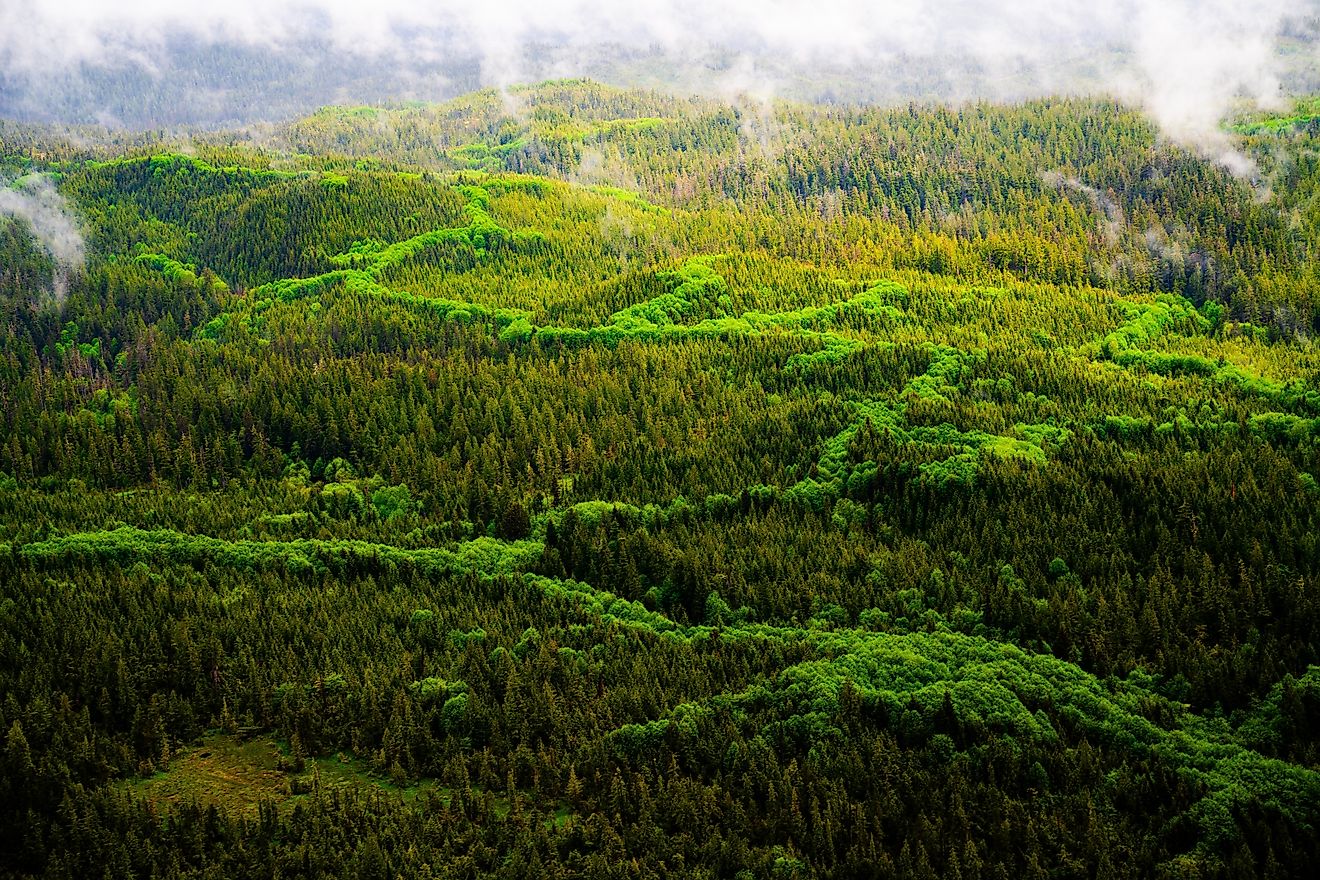
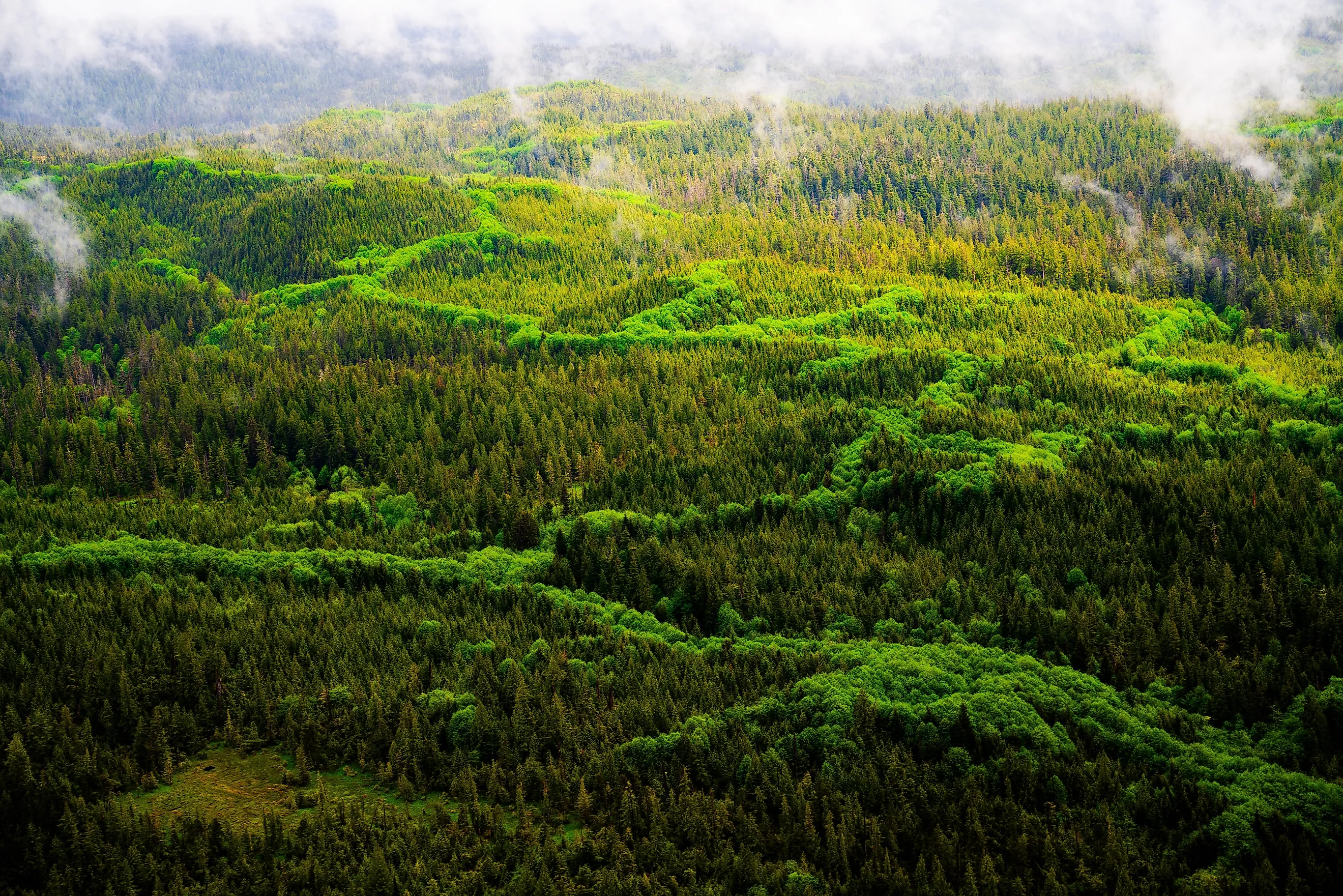
The country holds about 766 million acres of forest land, defined by federal inventory rules as land carrying at least 10 percent tree cover. Add the sparser woodlands of the Southwest and the Great Basin, and the total climbs to roughly 823 million acres. Forest area, tracked by the US Forest Service's Forest Inventory and Analysis Program, has essentially held flat since around 2012. It is a marked change from the nation's early history, however. At the start of European settlement in 1630, forest covered an estimated 1.045 billion acres, or 46 percent of what would become the continental United States. Clearing for farms and towns cut that to roughly 759 million acres by 1907. Since then, total forest acreage has been remarkably stable, propped up by farmland reverting to woods in the East and by active reforestation across the country.
Gross Loss vs. Net Loss: Why The Totals Look Deceiving

Any forest-loss conversation has to separate gross loss from net loss. The federal greenhouse gas inventory compiled by the Forest Service and the Environmental Protection Agency tracks land moving in both directions at once. As of 2021, it carried roughly 3 million acres in its forest-to-nonforest conversion category, against about 2.6 million acres in the nonforest-to-forest category. Those are standing totals for land that changed use inside the accounting window rather than a single year's tally, and treating them as annual rates is the most common way this statistic gets mangled. Read correctly, the two columns describe a base that gives up ground in one direction and wins most of it back in the other. That gap between gross and net is why two accurate-sounding statistics about forest loss can seem to contradict each other. A single number, taken alone, almost always misses the balance.
Wildfire: A Major Disturbance, Rarely A Permanent Loss

Wildfire is the most visible driver of forest disturbance. It is often mistaken for deforestation, but ecologically, they are not the same thing. Over the past decade (2016-2025), an average of roughly 63,000 wildfires burned about 7.1 million acres of wildland nationwide each year, according to the National Interagency Fire Center. That figure covers all wildland, including grassland and shrubland, not just forest. Looking specifically at forest land, the Forest Service's greenhouse gas inventory put the 2021 total at nearly 4.2 million acres of forest burned by either wildfire or prescribed fire, among the highest totals in the 1990-2021 record.
Fire is not new to most American forests, and it is not synonymous with permanent loss. Species like lodgepole pine and giant sequoia depend on periodic fire to reproduce, and burned forest typically begins regenerating within a few years. A century of aggressive fire suppression is one documented reason today's Western forests carry heavier fuel loads and burn more severely than they once did, according to Forest Service research. The exceptions are the highest-severity burns, which kill seed sources over large contiguous areas and can genuinely delay or derail natural regrowth for decades.
Logging: Regulated, and Mostly Designed To Regrow
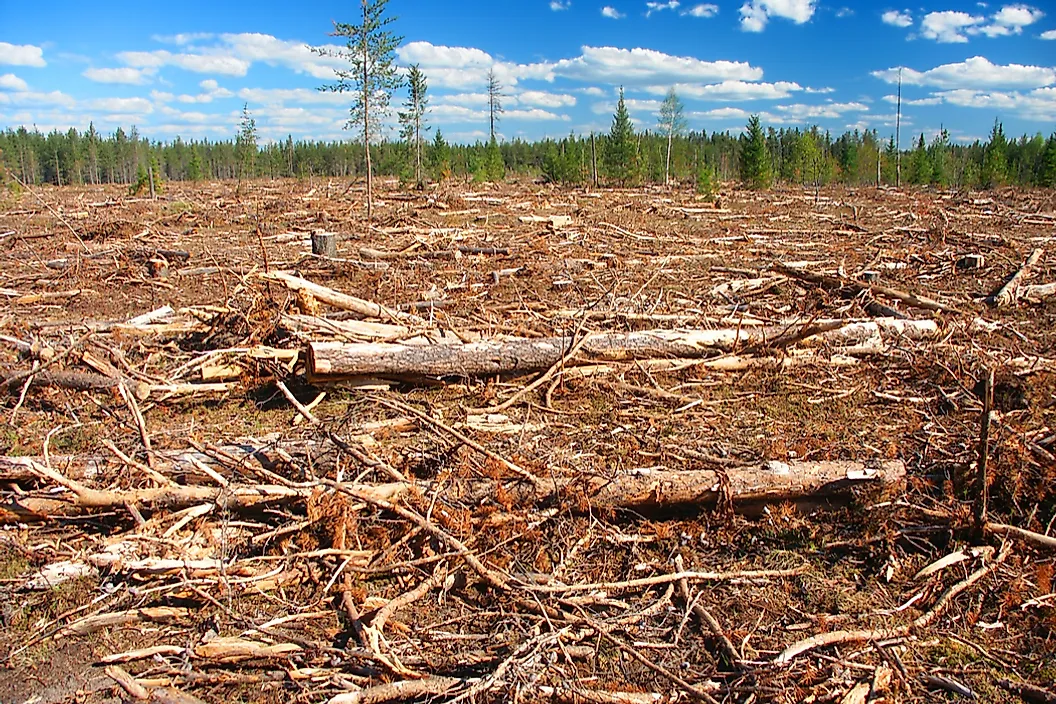
Timber harvest gets blamed for forest loss more than almost any other cause, but the data tell a more nuanced story. About 67 percent of US forest land, some 514 million acres, is classed as timberland, which means it is productive enough to grow commercial wood and not legally reserved from cutting. Only a small share of that base is actually harvested in any given year. Commercial forestry in the US, on private timberland and across much of the National Forest System, is built around replanting or natural regeneration, meaning most harvested acres return to forest rather than converting to another land use. That is a meaningfully different process from land-clearing for development, even though both involve removing trees.
Development: The Driver Behind Most Permanent Loss

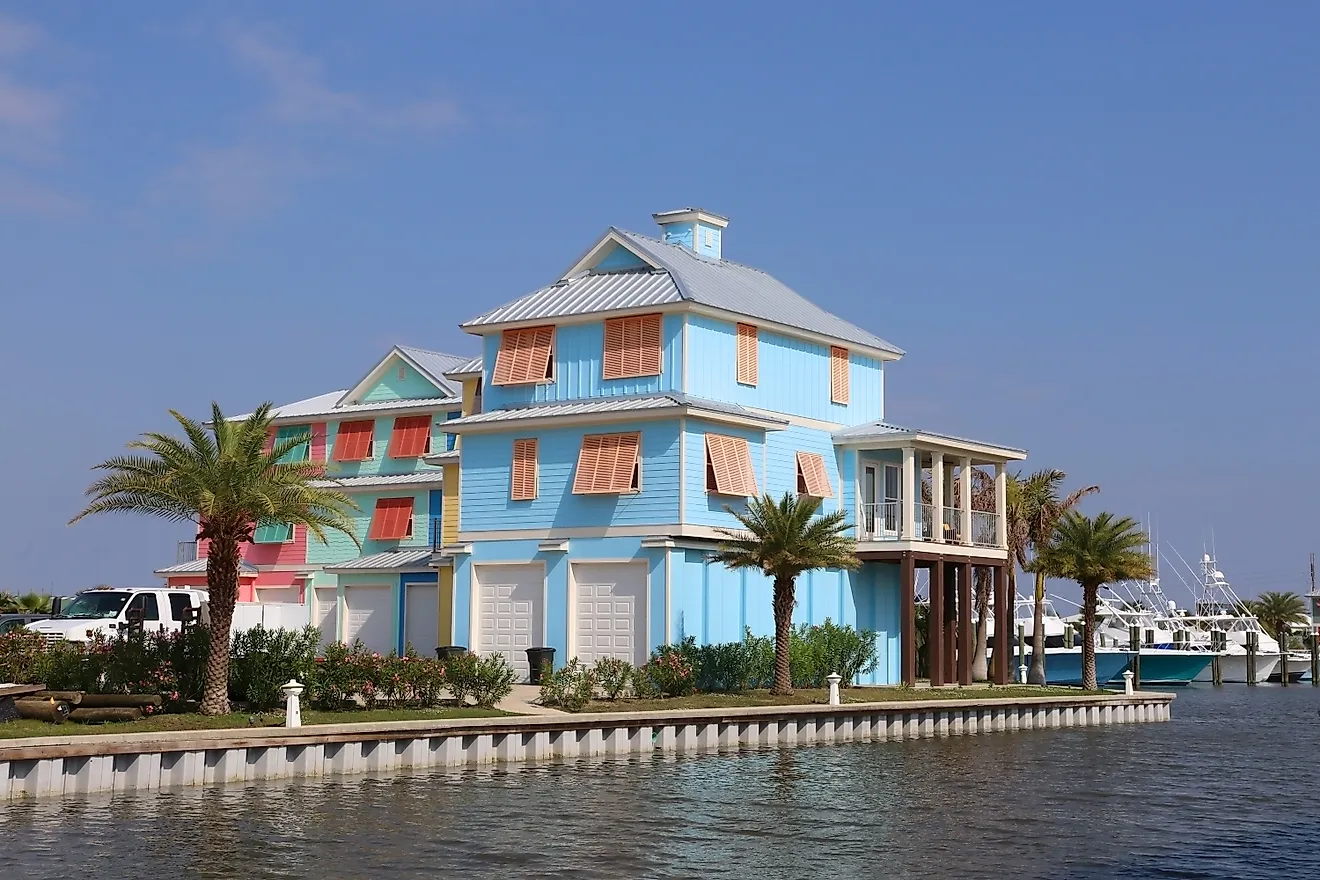
Gross loss and net loss diverge mainly because of one factor: development. Of all the ways forests convert to nonforest use, conversion to settlements, homes, roads, and commercial buildings accounts for the largest share of permanent loss nationally, more than conversion to cropland or grassland. The Forest Service estimates the country gives up roughly 6,000 acres of open space a day, forest included, at a rate of about 4 acres a minute. Its Forests on the Edge research projects that some 57 million acres of private forest will see substantial increases in housing density by 2030, concentrated in the East, where most private forest sits. Rising housing density is not the same thing as clearing, but it fragments ownership and complicates management, and it is usually the step that precedes conversion. Development is also the one category here that will essentially never regrow. A subdivision built over a former woodlot does not return to forestland, which is why researchers treat it as the closest thing to true, lasting deforestation in the American context.
Insects, Disease, and Other Disturbances

Beyond fire and development, forests lose ground to a motley cast of pests and pathogens. The Forest Service's 2024 National Insect and Disease Risk Map identified more than 66.8 million forested acres in the lower 48 states, about 6.5 percent of the total, at risk of significant tree mortality over a 15-year outlook window running to 2038. The emerald ash borer (Agrilus planipennis), a metallic-green beetle from eastern Asia first detected in southeast Michigan in 2002, is widely described as the most destructive forest insect ever introduced to North America, and it has since turned up in 38 states and the District of Columbia. Bark beetle outbreaks continue to reshape large stretches of Western conifer forest, often working in tandem with drought. These disturbances weaken and sometimes kill trees outright, but like fire, they generally do not convert the land out of forest use, and dead trees are frequently followed by new growth on the same footprint.
Why The National Total Has Stayed So Stable

Put the pieces together, and the reason America's total forest acreage looks steady on paper becomes clear. The country loses forest to development at a fairly constant, mostly one-way rate while regaining forest through regrowth on old agricultural land, replanting after harvest, reforestation programs, and natural succession. Neither wildfire nor logging removes land from the forest base outright in most cases. It is a rough equilibrium, and it has held for over a decade.
That equilibrium is not guaranteed to continue. The Forest Service's 2020 Resources Planning Act Assessment projects that developed land use could expand by 42 to 58 percent by 2070, from an estimated 97.7 million acres in 2020, growth that would come largely at the expense of forest and agricultural land. The same assessment projects forest area falling by 7.6 to 15 million acres by 2070 across its modeled scenarios, driven mainly by conversion to developed land and concentrated in the South, where population growth is fastest, and most forest is privately held. That would be a reversal of the pattern that has held since 1907, though the projected rates are lower than the 2010 assessment expected.
Keeping America's Forests In Balance
The country is not currently losing forest at anywhere near the rate that raw wildfire or harvest statistics imply, but the margin is thinner than it looks. Continued reforestation offsets continued development, and that arithmetic only works while both sides hold. For anyone tracking this issue going forward, the acreage to watch is not the wildfire total that leads the evening news, but the quieter, steadier conversion of forest to rooftops and pavement, the one category with no regrowth built in.