The Counties With No Traffic Lights At All
Ask someone from Sublette County, Wyoming, how big their county is, and they'll probably mention Delaware and Rhode Island before they mention a stoplight. The county is larger than those two states combined and carries more than 1,500 miles of county, state, and federal roads. No traffic signal has ever cycled red, yellow, or green anywhere within its borders. Sublette isn't an outlier so much as a member of a small and shrinking club. Out of roughly 3,140 counties and county equivalents nationwide, a handful have gone their entire existence without a controlled traffic signal. They turn up in Wyoming ranchland, West Virginia hollows, West Texas oil country, and on one Hawaiian peninsula reachable only by air, sea, or mule.
The distinction matters more than it sounds like it should, because "no stoplights" gets thrown around loosely. Some counties that claim the title actually have a flashing caution light or two, which regulates an intersection but never cycles through a green phase. Others have nothing at all. The counties below hold up under the stricter version of the claim, and in a few cases, the claim is actively under threat.
Jefferson County, Florida

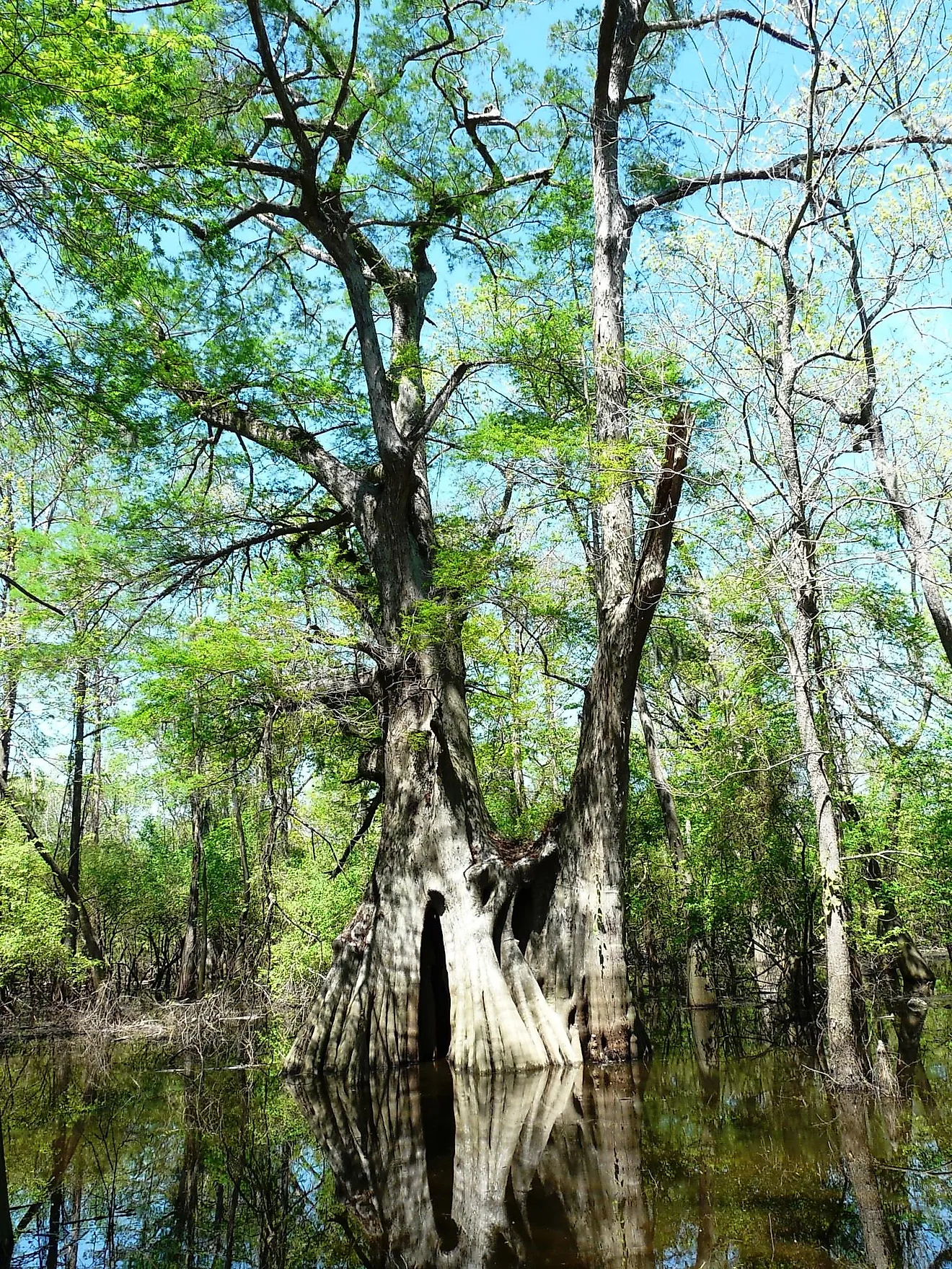
Jefferson County reaches the Georgia line at its northern edge and the Gulf at its southern one, and in all that distance, there has never been a traffic light. It is the only county in Florida that can say that, and Monticello, the county seat, treats it as a point of local pride rather than something to be fixed. The claim is under genuine pressure, however. A California developer applied to build a travel plaza at U.S. 19 and Nash Road near the Interstate 10 interchange, and county commissioners rejected the original version in early 2025, a denial a circuit judge later upheld. A scaled-down proposal returned in 2026, small enough under a recent state law to bypass the commission entirely and go straight to the planning department. The company has said it never wanted a signal, but the Florida Department of Transportation requires one. Residents have shown up at public meetings specifically to defend the county's status, and as of mid-2026, no light had gone in.
Sublette County, Wyoming

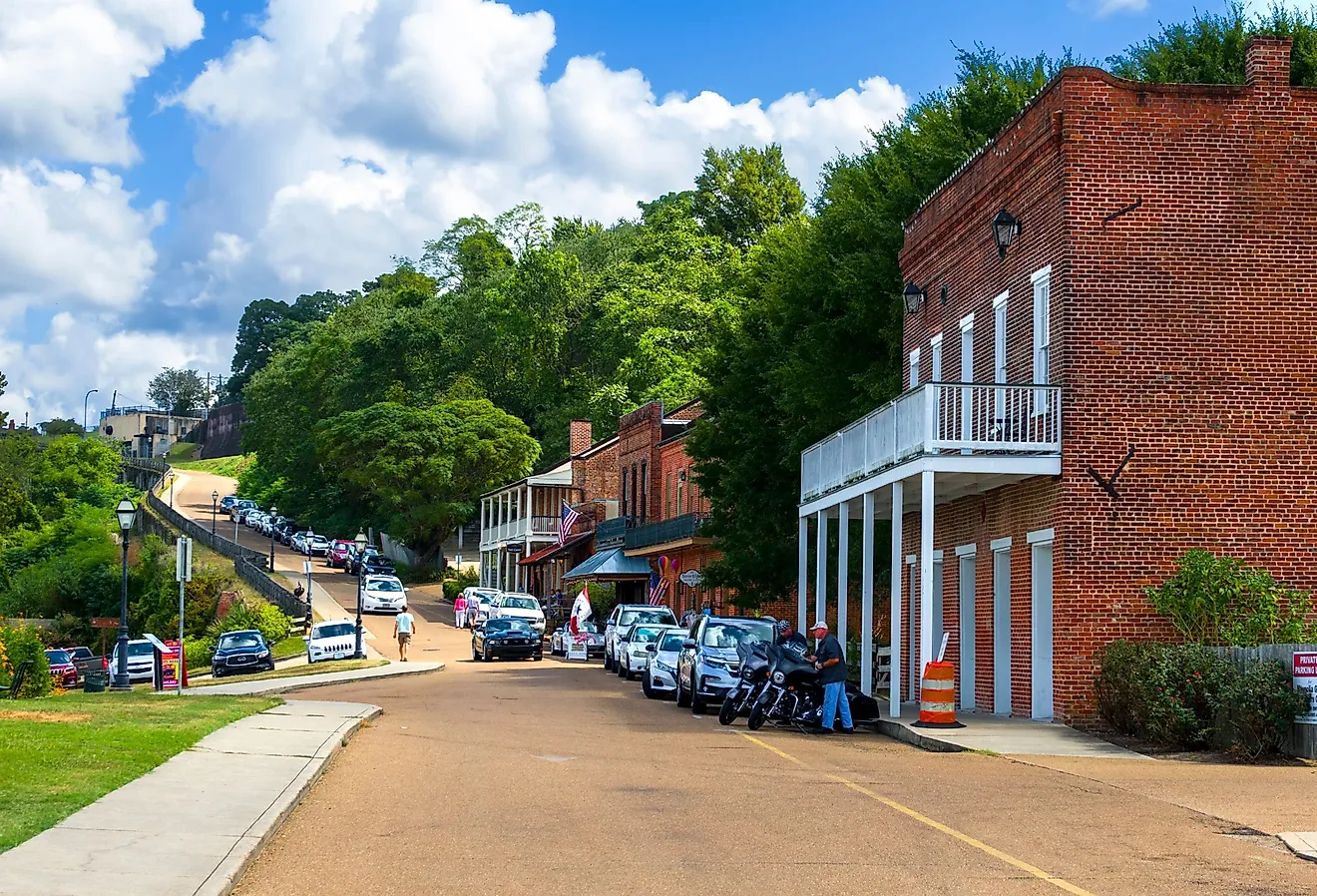
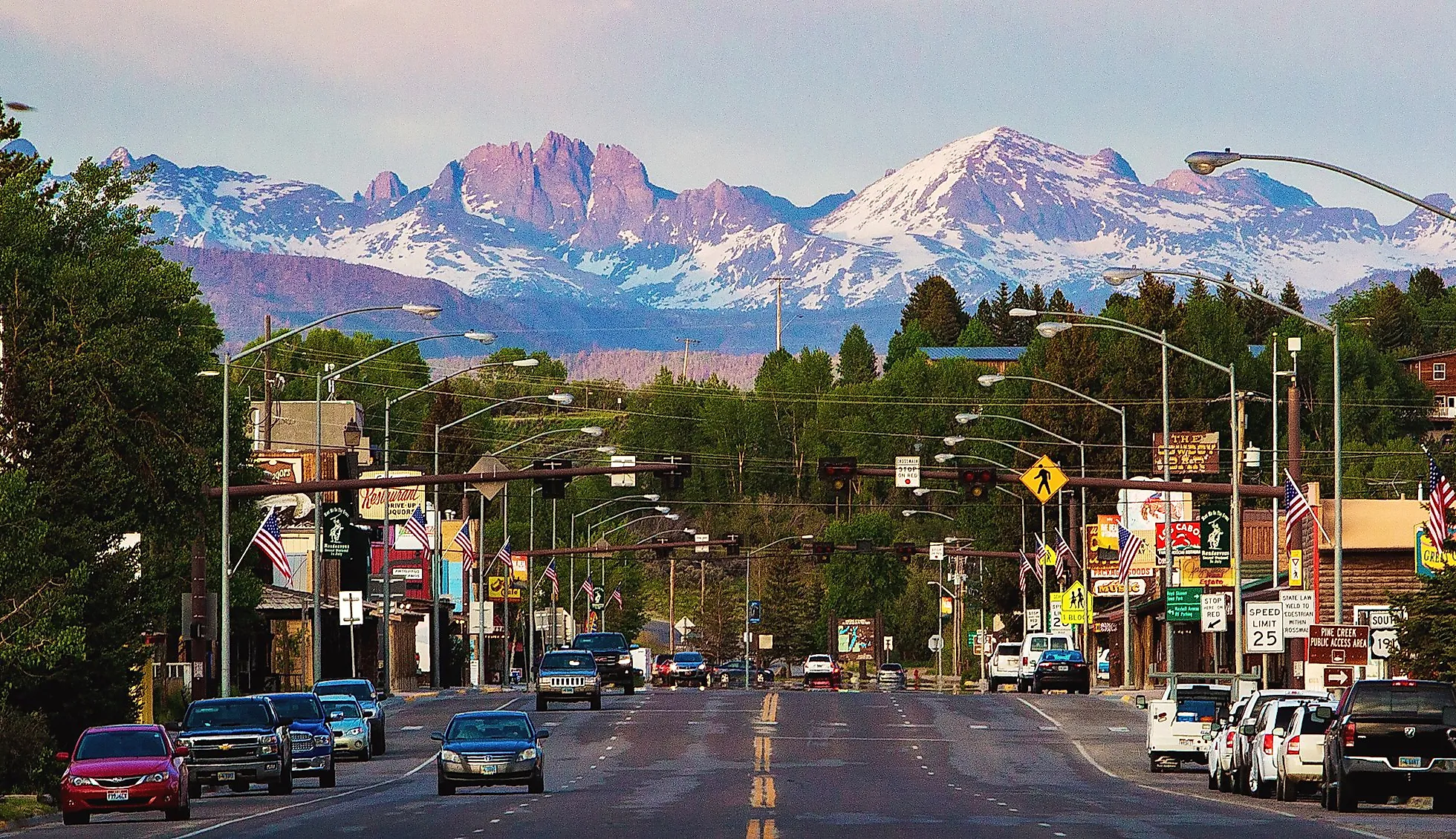
Sublette County's seat, Pinedale, has spent decades arguing with itself over Pine Street, which doubles as U.S. Highway 191 and carries traffic between Interstate 80 and the gateways to Grand Teton and Yellowstone. A transportation master plan completed in 2024 by the town and the engineering firm Jorgensen Associates reviewed intersections along Pine Street at peak hour and concluded that none met the technical threshold that would justify a signal, known in the trade as a warrant.
Pedestrian crossings are handled instead by HAWK beacons installed in 2011, which halt traffic for 25 seconds when someone presses the button. Public comment splits close to evenly, according to the town's public works director, and some residents treat the absence of a stoplight as core to the identity of the place rather than an oversight awaiting correction. The county covers roughly 4,900 square miles, making it the sixth-largest in Wyoming, with 8,728 residents at the 2020 census.
Crook County, Wyoming

Sublette is not the only Wyoming county without a signal. Crook County occupies the state's northeastern corner, with Sundance as its seat and Devils Tower National Monument as its best-known feature, and the closest thing it has to a signal is a traffic warning light at the monument. The tower is the reason the comparison is worth making: it became the first national monument in the United States in September 1906, when Theodore Roosevelt proclaimed it, and it draws a few hundred thousand visitors a year to a county of about 7,500 people. That volume of seasonal traffic has still never produced a warrant. Between Crook and Sublette, two counties at opposite corners of the state have gone signal-free the whole way through.
Clay County, West Virginia

The Elk River bisects Clay County east to west, entering at Duck and leaving at King Shoals, and it cuts a gorge deep enough through the county seat that there is barely any bottomland for the town to grow into. Clay held 396 residents at the 2020 census; the county held 8,051. West Virginia Route 16 doubles as Main Street in town and carries most of the through traffic, and no signal governs any of it. The terrain explains a lot. Its steep, forested hollows do not produce the grid intersections that generate signal warrants. The county did get something else first. In 2025, the Mountain Transit Authority began operating public transportation in Clay County, which means a place with no traffic lights now has a bus route.
Calhoun County, West Virginia

Calhoun County, next door, is a matter of semantics. Depending on the source, the county has either zero traffic lights or exactly one. A flashing caution signal marks the spot where Routes 5 and 16 meet in Grantsville, the county seat. A flashing beacon is not a full progression signal, however. It never turns green for one direction while holding the other at red. Whether Calhoun belongs on a strict list or a one-blinking-light list depends entirely on which definition a given source uses. The county is among the emptiest in West Virginia, with 6,229 residents at the 2020 census across 281 square miles drained by the Little Kanawha River.
Loving County, Texas

Loving County does not need a traffic light for a much simpler reason: it barely has traffic. With 64 residents at the 2020 census, it is the least populous county in the country with a permanent population, spread across 669 square miles of West Texas just south of the New Mexico line. Its only community, Mentone, is an unincorporated crossroads of 22 people with a courthouse and not much else. There is no competing claim to sort out here. The county has been organized twice. It came together first in 1887 after splitting off Reeves County, was dissolved and folded back in a decade later, then reorganized in 1931 once Permian Basin oil arrived. The wells are still producing. The Census Bureau's 2025 estimate for the county is 52, lower still.
Kalawao County, Hawaii

Kalawao is a special case in almost every category the Census Bureau tracks. The county occupies the Kalaupapa Peninsula on the north shore of Molokaʻi, walled off from the rest of the island by sea cliffs that rise between roughly 1,600 and 2,000 feet, with the only land access a mule trail that is currently closed to visitors. At 12 square miles, it is the smallest county by area in the 50 states. Between 1866 and 1969, the peninsula served as a forced-isolation settlement for people diagnosed with Hansen's disease, and about 8,000 people, most of them Native Hawaiian, died there. The county was established in 1905 and still has no mayor and no council; Hawaii's Department of Health administers it directly, and Kalaupapa National Historical Park covers the entire county. The population was 82 at the 2020 census and held at 82 in the 2025 estimate.
When A Signal Finally Goes In
None of this is permanent, and the mechanism that ends a streak is the same everywhere: a warrant. Traffic engineers measure volume, delay, crash history, and pedestrian demand at an intersection, and when the numbers cross a defined threshold, a signal becomes justified. That is why the two counties under active pressure are facing opposite pressures. Pinedale's case is organic, the slow accumulation of summer through-traffic on a highway that was there first, and the 2024 study found it still short of the mark. Jefferson County's case is a single development that would generate the volume all at once, which is why the state, not the county, is the party requiring the light.
That difference is worth holding onto, because the old shorthand that measures a town by its number of stoplights treats a signal as a symptom of growth. In Jefferson County, it would be a symptom of one permit. In Loving and Kalawao counties, where the resident count fits inside a school bus and a mule trail is the road, no threshold is anywhere near being crossed, and the absence of a signal is not a streak being defended at all.