How Many Counties Have Fewer Than 100 People?
Only two counties crossed that line at the last count. Loving County in Texas had 64 residents at the 2020 Census and Kalawao County in Hawaii had 82. Out of roughly 3,143 counties and county equivalents nationwide only these two dip below three digits. Alaska splits into boroughs and census areas but even its smallest one held several hundred people. So two is the number either way you slice it. Here is how each county got there and which ones are creeping close.
Loving County, Texas

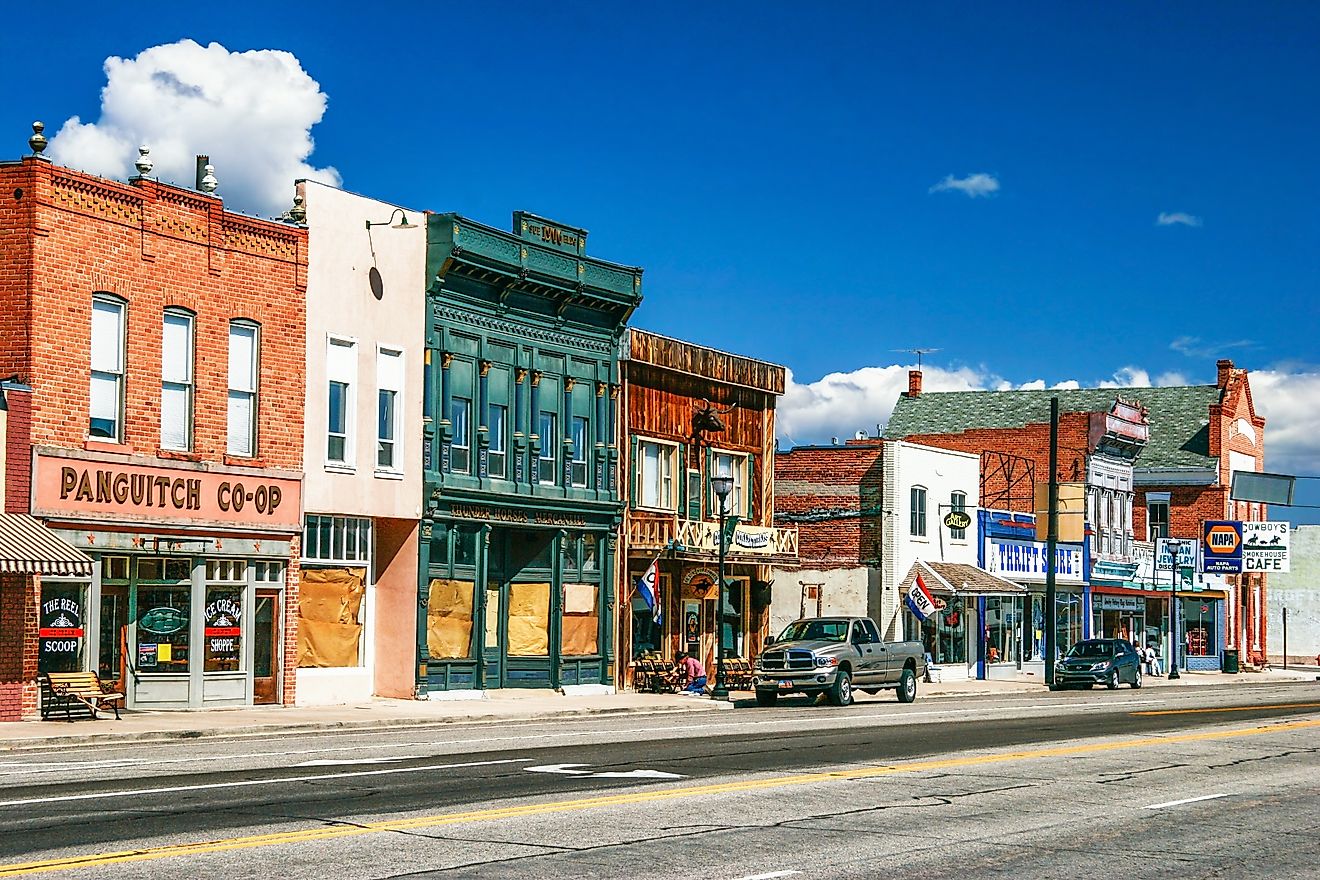
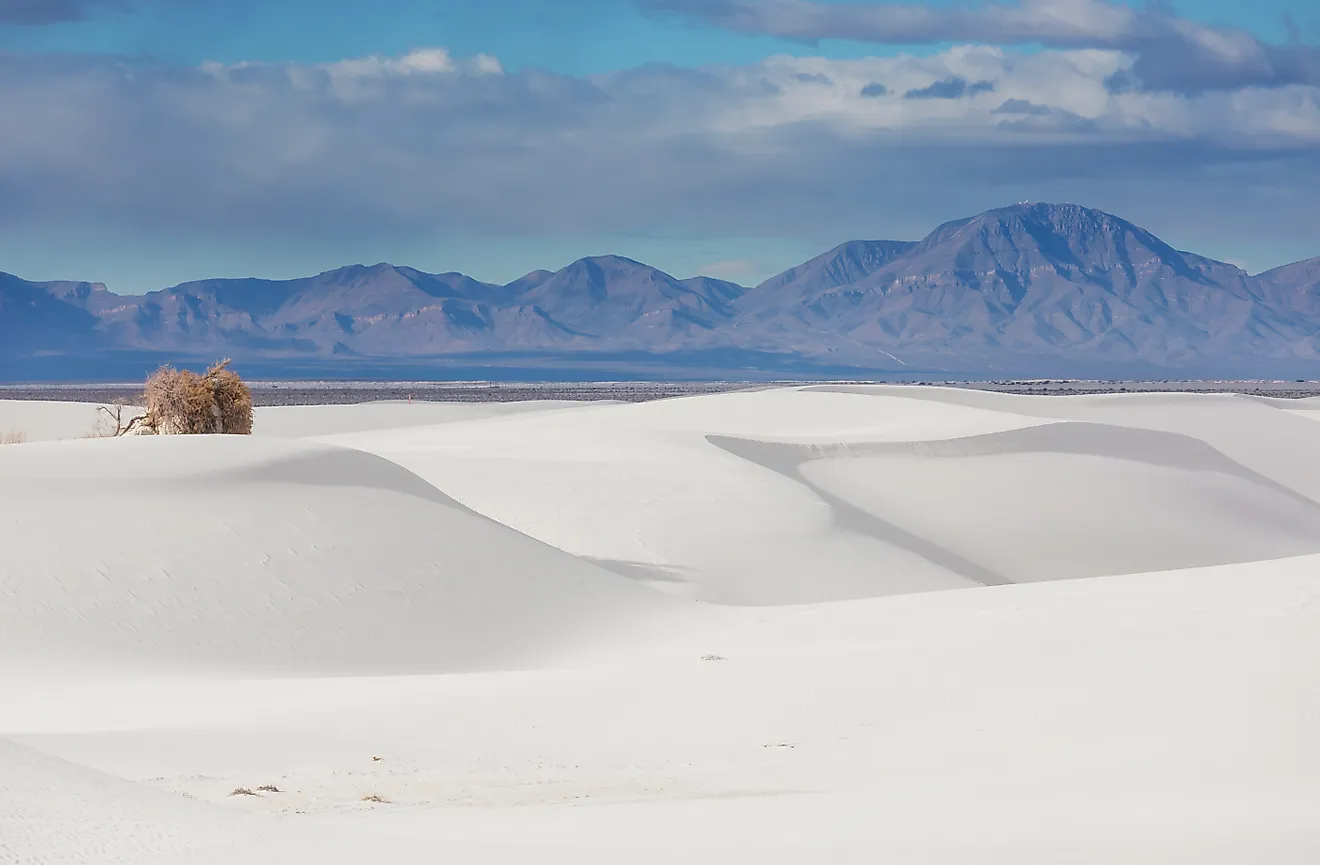
Loving County had 64 residents at the 2020 Census, and the Census Bureau's 2025 Vintage estimate puts it at 52, the lowest of any county in the country. Mentone, an unincorporated crossroads with a courthouse and not much else, is the only community and the county seat. Loving has the odd distinction of being organized twice. It came together first in 1887, was deorganized ten years later after state officials accused its founders of fraud and they fled with the county records, then reorganized in 1931 once oil turned up in the Permian Basin. That oil is still there. Rolling Stone reported the county's taxable oil and gas revenue at $11.7 billion, split among a population that could fit in a single classroom. In 2025, Texas sued to block an Indiana man who'd been recruiting followers online to relocate onto his land outside Mentone, a case that made national news mostly because Loving has almost no one left to notice.
Kalawao County, Hawaii

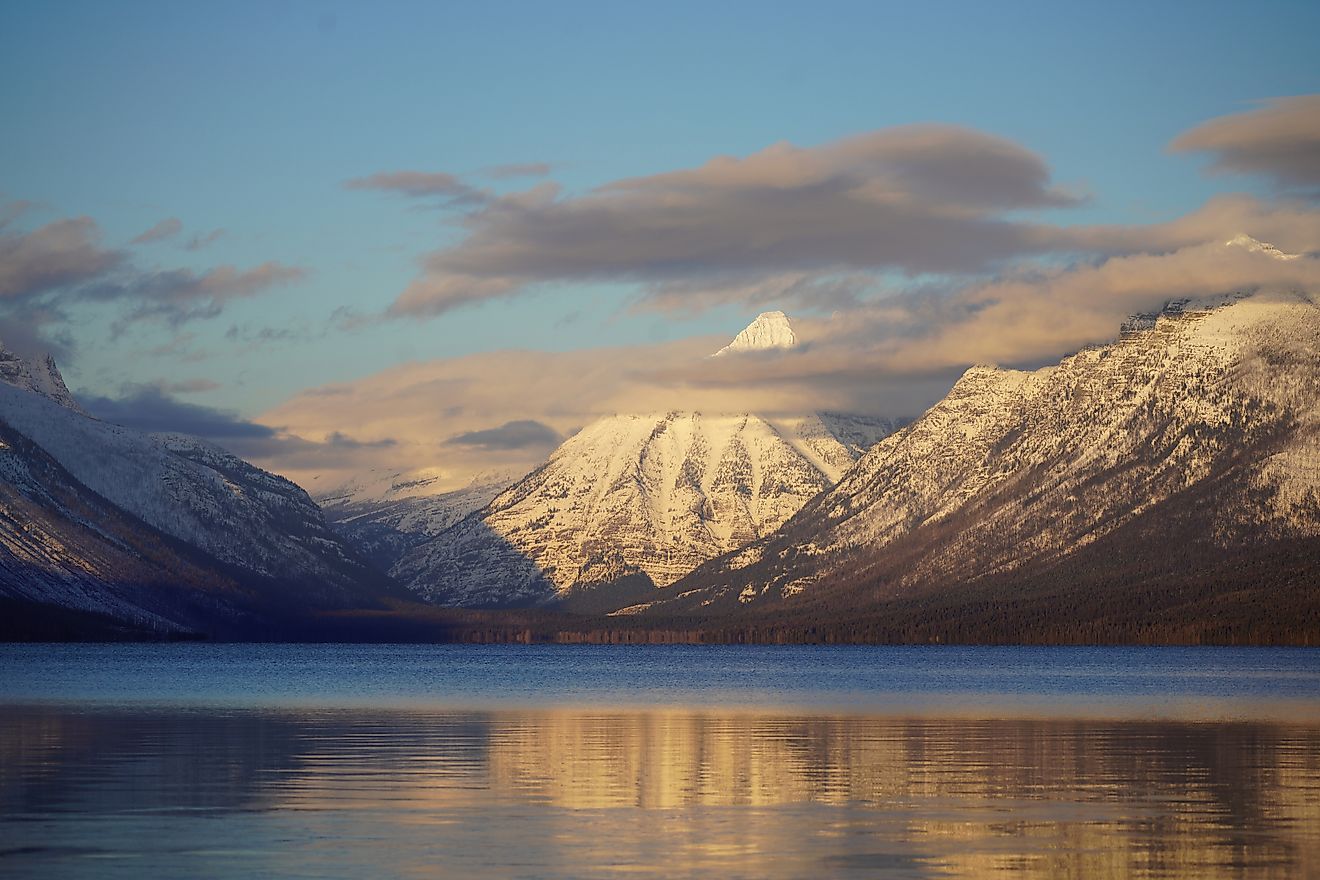
Kalawao County had 82 residents at the 2020 Census, and the 2025 estimate holds at the same number. It occupies the Kalaupapa peninsula on Molokai's north shore, cut off from the rest of the island by sea cliffs over 1,600 feet tall. The county was established in 1905 to administer a settlement where people diagnosed with Hansen's disease, then called leprosy, were forcibly isolated from 1866 until 1969. Most of today's residents are aging former patients who chose to stay after the isolation policy ended, along with the state employees who care for them. There's no mayor and no county council. Hawaii's Department of Health runs the place directly, the way it has since the settlement was founded. The only land route in is a mule trail down the cliff face, and it's currently closed to visitors.
Counties Closest to the Line
| Rank | County | State | 2020 Census | 2025 Estimate |
|---|---|---|---|---|
| 1 | Loving County | Texas | 64 | 52 |
| 2 | Kalawao County | Hawaii | 82 | 82 |
| 3 | King County | Texas | 265 | 192 |
| 4 | Kenedy County | Texas | 350 | 319 |
| 5 | McPherson County | Nebraska | 399 | 369 |
| 6 | Arthur County | Nebraska | 434 | 396 |
The ranking is the same since 2020. All counties on this list lost population over five years except Kalawao, which stayed flat, and the ranking order is identical at both counts. King County, in third place, still has more than triple Kalawao's population. The real cliff on this ranking sits between second and third place, not between first and second.

Kenedy County, fourth on the list at 350, is the one worth a second look. The King Ranch, the vast cattle operation that's shaped South Texas ranching since the 1850s, covers most of Kenedy's 1,458 land square miles. A single road, US 77, runs through the whole county, and Sarita, the county seat, has a courthouse, a Border Patrol checkpoint, and little else. A quarter of Kenedy's total area is water, mostly Gulf-facing marsh and Baffin Bay, which caps how much of the county could ever be settled in the first place.
Why Just Two
Loving got here by decline. It peaked at 600 residents in 1933, on the back of an oil boom, and has been sliding since. The drilling stayed, but the workers started commuting in instead of moving their families out to the desert. Kalawao never had a growth phase to lose. It was built to house people sent there against their will, and once that policy ended in 1969, the county stopped taking anyone new. Loving has drawn outside attempts to add people, whether oil crews or the Tanner scheme, and lost population anyway. Kalawao has drawn none, by design. Two very different ways to end up in the same place. Loving's drop from 64 to 52 in five years is the one moving.