Where People Are Moving To In The Pacific Northwest In 2026
The Pacific Northwest's migration map is changing in several different ways in 2026. Washington's Office of Financial Management reports that migration accounted for most of the state's population growth between 2025 and 2026, but newcomers are not concentrating in one type of place. Some are moving outward from expensive metropolitan cores. Others are following technology jobs, cheaper housing, universities, or access to outdoor recreation. Recent Census Bureau population estimates and moving-search data from moveBuddha point to especially strong momentum in Vancouver, Ridgefield, Redmond, Spokane, Bend, Eugene, and Portland. Each reflects a different reason people are choosing to relocate within or to the Pacific Northwest.
Vancouver, Washington

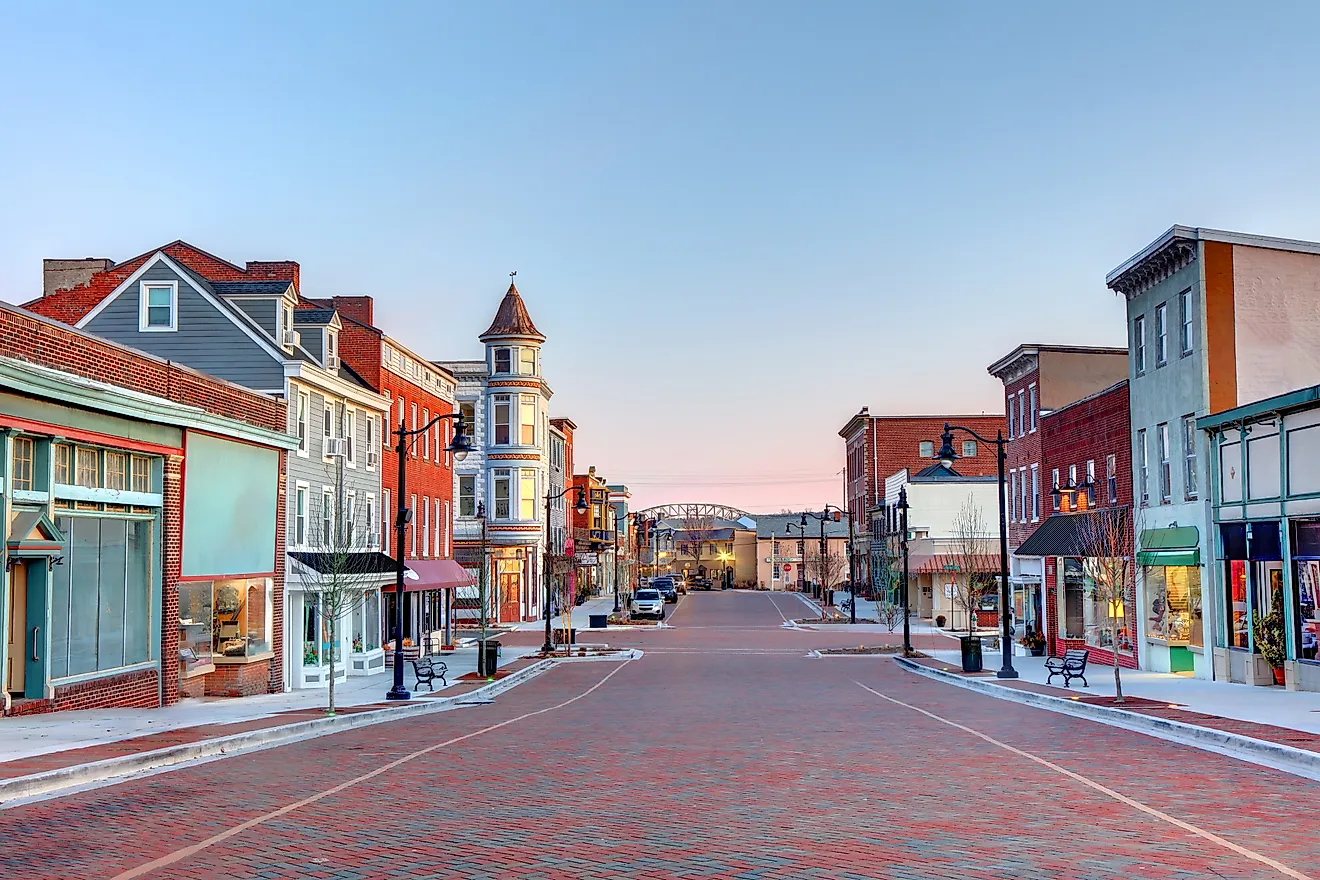
Vancouver's biggest driver is spillover from the Portland metropolitan area. People can remain connected to Portland's employment market while living across the Columbia River in Washington, where large amounts of new housing have been added throughout Clark County. The U.S. Census Bureau estimates that Vancouver had nearly 200,000 residents in 2025, up from its 2020 population. Moving search data provides a stronger signal for 2026. moveBuddha data indicates about 1.57 inbound moves for every outbound move, placing Vancouver among the strongest relocation destinations in the country. Its growth is increasingly tied to households looking beyond Portland itself while remaining within the same metropolitan economy.
Ridgefield, Washington

Ridgefield is growing as families move farther into the outer Vancouver suburbs in search of newer homes and more space. The change has been unusually fast. According to the U.S. Census Bureau, Ridgefield's estimated population increased from about 10,400 in 2020 to more than 16,100 in 2025, a rise of roughly 56%. Census data also shows a young population and a high homeownership rate, reinforcing its role as a family-oriented residential community rather than a major employment center. Located north of Vancouver along Interstate 5, Ridgefield allows households to move outward without completely separating themselves from jobs and services in the wider Vancouver-Portland metropolitan area.
Redmond, Washington

Redmond's main attraction is its concentration of high-paying technology jobs. The City of Redmond identifies Microsoft as its largest employer, alongside major operations from companies including Amazon, Meta, and Nintendo of America. That job base has helped push the city's population steadily upward. The U.S. Census Bureau estimates Redmond had about 82,500 residents in 2025, roughly 13% above its 2020 estimate. Transportation is strengthening the draw further. Sound Transit's 2 Line connection across Lake Washington opened in 2026, giving Redmond direct rail access to Seattle. For many newcomers, the appeal is straightforward: live close to major Eastside employers while gaining increasingly strong regional transit connections.
Spokane, Washington

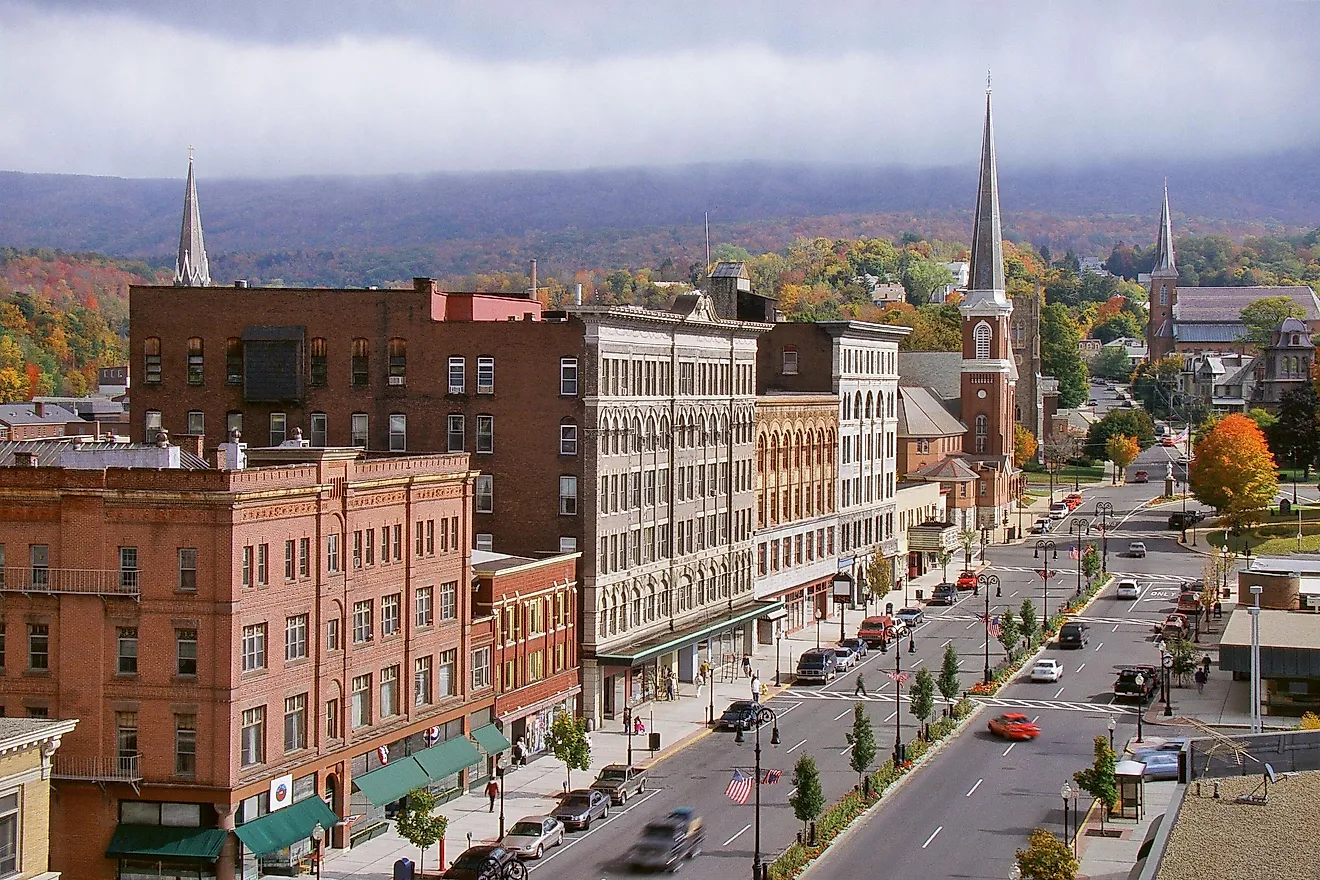
Spokane is attracting people who want a sizable city without Western Washington's housing costs. Housing data shows a large gap between home values in Spokane and Seattle, giving households priced out of Puget Sound a considerably cheaper alternative within the same state. Spokane also has enough employment to function as a destination rather than simply a low-cost refuge. The City of Spokane identifies healthcare as one of the region's major industries, supported by hospitals, medical education, and health-science employers. Aerospace and higher education add further diversity. moveBuddha forecasts more inbound than outbound moves in 2026, indicating that affordability and employment are working together to pull newcomers inland.
Bend, Oregon

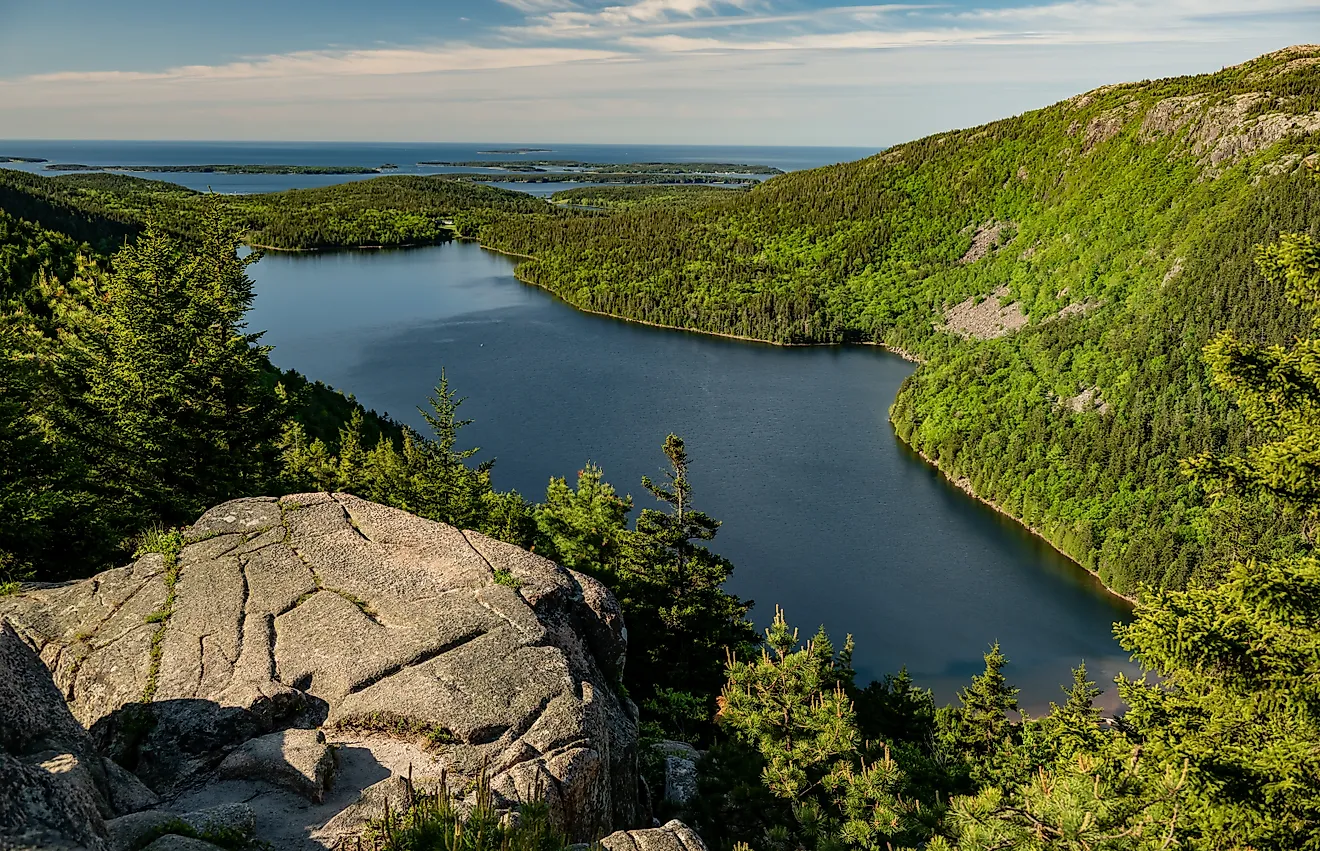
Bend's growth is driven primarily by lifestyle migration. People are choosing Central Oregon for access to skiing, mountain biking, hiking, climbing, and the broader outdoor culture surrounding the Cascades. That attraction has translated into sustained population growth rather than a temporary pandemic-era surge. The U.S. Census Bureau estimates Bend had more than 107,000 residents in 2025, about 8% above its 2020 estimate. The City of Bend is now planning for substantially more growth over the coming decades, using population forecasts from Portland State University. Bend differs from commuter-driven cities such as Ridgefield because residents are generally moving to Bend for Bend itself, rather than for access to a nearby larger city.
Eugene, Oregon

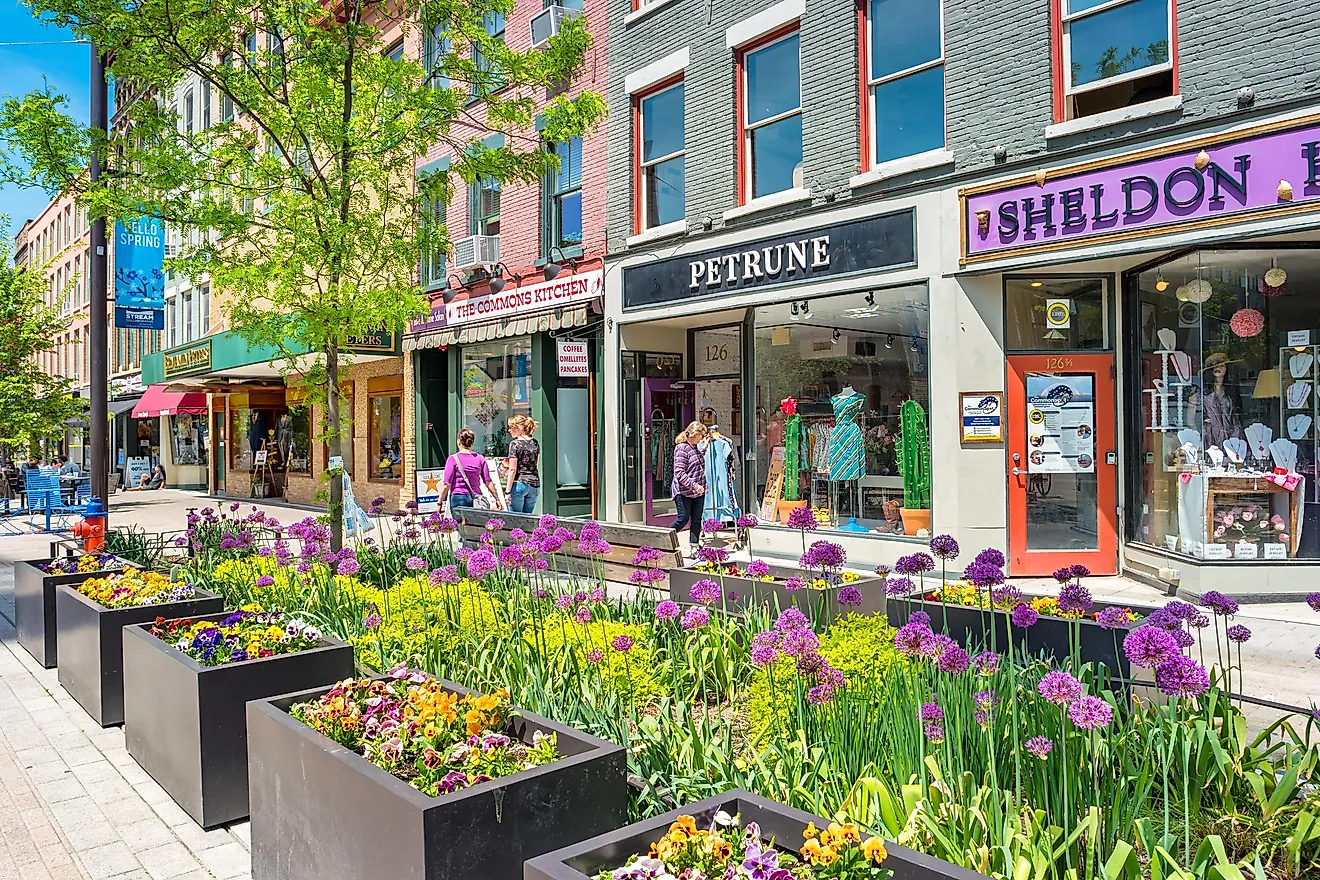
Eugene's migration engine is its university-centered economy. The University of Oregon brings thousands of new students into the city each year while supporting jobs in education, research, administration, housing, healthcare, and local services. University enrollment exceeded 24,000 students in fall 2025, according to the University of Oregon, creating a constant flow of newcomers even when broader population growth is modest. The U.S. Census Bureau estimates Eugene had around 178,600 residents in 2025. More recent moving-search data suggests demand may be strengthening: moveBuddha forecasts more inbound than outbound moves for 2026. Eugene, therefore, combines a dependable institutional population base with signs of renewed interest from people relocating for reasons beyond university attendance alone.
Portland, Oregon

Portland's place on the list comes from a different driver: recovery after several years of population loss. The city lost residents during the early 2020s, according to U.S. Census Bureau estimates, but recent moving data suggests that trend may be easing. moveBuddha forecasts approximately 1.18 inbound moves for every outbound move in 2026, one of the strongest ratios among Pacific Northwest cities in its analysis. Portland remains the region's largest urban center outside Seattle, with a deep employment market, extensive restaurant and cultural scenes, and established neighborhoods connected by public transportation. In 2026, its migration story is less about rapid expansion than about people beginning to move back into a city they had previously been leaving.
What Is Driving Pacific Northwest Migration In 2026?
There is no single Pacific Northwest migration trend in 2026. Vancouver and Ridgefield are benefiting from outward growth around Portland, while Redmond continues to pull workers toward the Eastside technology economy. Spokane offers a lower-cost urban alternative, Bend attracts people specifically for its outdoor lifestyle, and Eugene gains stability from the University of Oregon. Portland stands apart as a city showing signs of reversing earlier population losses. Looking at the reasons behind the numbers makes the pattern clearer. People are not simply moving toward the fastest-growing places. They are choosing cities that solve specific problems, whether those involve housing costs, employment, space, transportation, education, or access to recreation.