Where People Are Moving To In Rhode Island In 2026
Rhode Island's recent growth is characterized by shifting demographics and varying affordability. The United States' smallest state added 4,106 residents between July 2024 and July 2025, and international migration offset a loss of domestic residents. Kent County, for example, grew even though deaths outnumbered births, as net migration more than made up the difference.
Housing is the pressure point. The 2024 HousingWorks RI Housing Fact Book found that Rhode Island’s median single-family home price required an income far above what many households earn, and its municipal data shows how few places remain affordable to typical buyers. That helps explain why growth is showing up in older industrial cities, rural Providence County towns, and Kent County communities with land, road access, or relatively lower-cost housing.
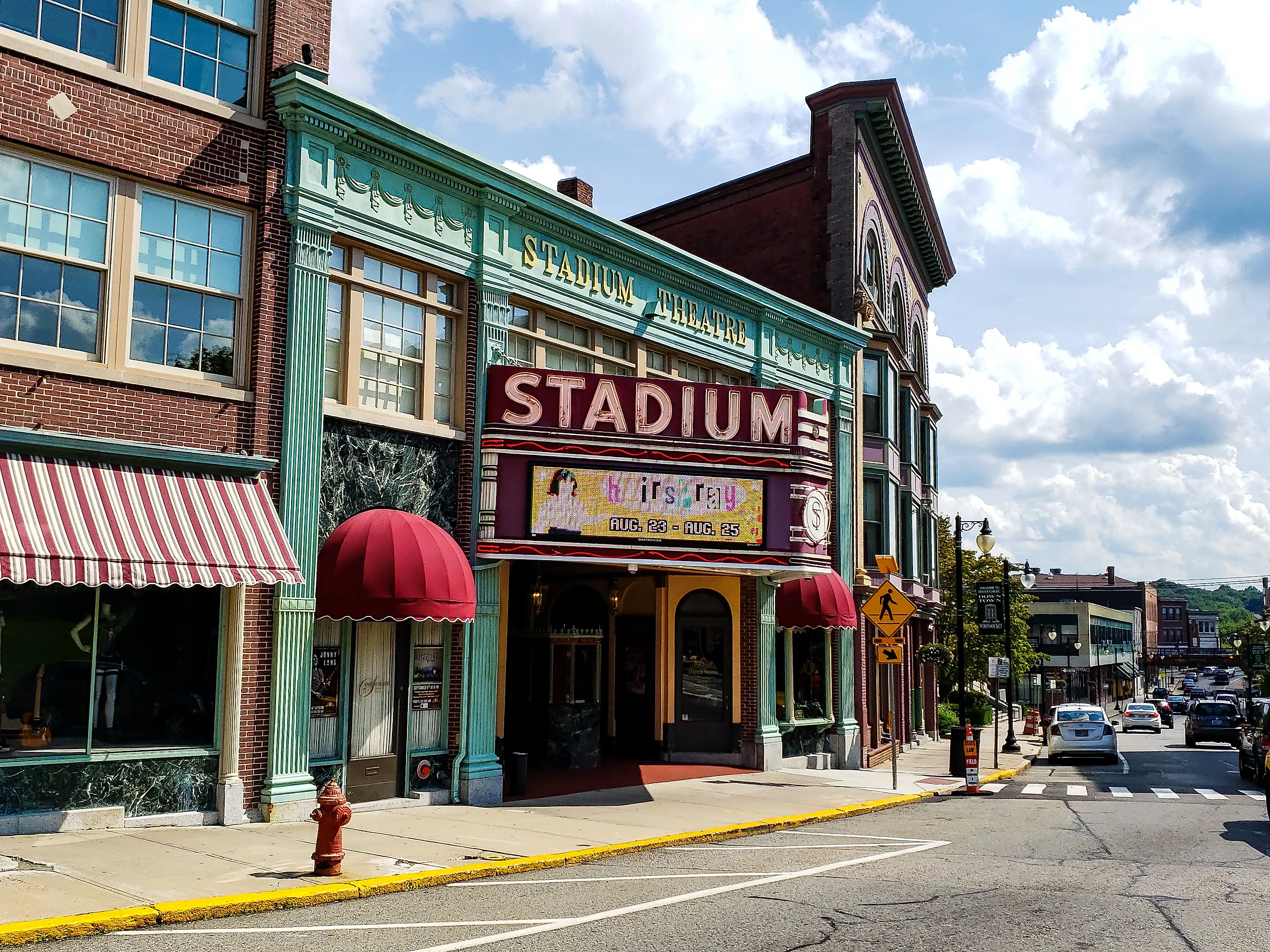
Woonsocket

Woonsocket's growth has slowed from earlier estimates, but the city is still gaining residents. Its population rose from 44,411 in 2024 to 44,580 in 2025, an increase of 169 people. Since the 2020 estimate base, Woonsocket has added 1,353 residents, making it one of northern Rhode Island’s more important long-term gainers.
The draw is housing. In a state where affordability has deteriorated almost everywhere, Woonsocket still has older multifamily buildings, mill-era housing, and a downtown that can absorb demand better than many smaller towns. CVS Health’s corporate office gives the city a major employment anchor. Woonsocket’s growth shows that Rhode Island’s older industrial cities still matter in a tight housing market.
Glocester

Glocester had the fastest one-year growth rate among Rhode Island municipalities in the latest estimates. The town grew from 10,492 residents in 2024 to 10,612 in 2025, a 1.14% increase. Since the 2020 estimate base, it has added 633 residents, a gain of more than 6%.
This is the rural side of Rhode Island’s housing squeeze. Glocester does not have a major employment center, so its growth is less about jobs and more about buyers looking farther out in Providence County. HousingWorks RI found that Glocester had the lowest median single-family home price increase among Rhode Island municipalities tracked since 2018, making it one of the state’s more price-stable options. Chepachet village gives the town a clear center, while Harmony and the surrounding rural roads offer the lower-density setting that buyers increasingly have to search for.
Lincoln

Lincoln’s growth is defined by space and access. The town grew from 23,464 residents in 2024 to 23,713 in 2025, adding 249 people in one year. That 1.06% increase made it one of Rhode Island’s faster-growing municipalities, and its population is now more than 5% above its 2020 estimate base.
Lincoln sits in Providence County, so IRS data cannot identify the exact towns its new residents left. The local pattern is still clear: Lincoln offers lower-density neighborhoods, access to Route 146 and I-295, and a short commute to Providence. Bally’s Twin River Lincoln Casino Resort is one of the town’s most visible employment anchors, and transportation improvements along Route 146 continue to reshape the corridor between Providence, Lincoln, Smithfield, and northern Rhode Island.
Burrillville

Burrillville grew from 16,798 residents in 2024 to 16,927 in 2025, adding 129 people, making it one of the stronger growth communities in northwestern Rhode Island. Its appeal is different from Lincoln’s or Warwick’s, as it is farther from Providence, larger in land area, and more village-based. Pascoag, Harrisville, Oakland, and other village centers give the town a scattered pattern of settlement rather than one dominant downtown. For those seeking more land, quieter roads, and access to outdoor space, its spread-out structure is part of the draw.
The migration evidence should be read at the county level. Burrillville is in Providence County, where recent growth came from a mix of natural increase, international migration, and county-level inflows, even as domestic migration for the county as a whole was negative. The town’s position near the Massachusetts border also matters because Providence County receives measurable inflows from Massachusetts counties, including Worcester County. Burrillville is where Rhode Island’s northwest housing search starts to feel almost cross-border.
Coventry

Coventry grew from 36,101 residents in 2024 to 36,281 in 2025, a gain of 180 people. Its one-year growth rate was 0.50%, and the town is up 573 residents from the 2020 estimate base. On the western side of Kent County, Coventry offers what many closer-in communities cannot: more land, more single-family housing, and road access back toward the Providence job market.
The county-level data helps explain the pattern. Kent County gained population even though deaths outnumbered births, because net migration more than made up the gap; IRS records also show Providence County as Kent County’s largest named in-state source of new residents. Tiogue Avenue and the Centre of New England area give Coventry a concrete growth corridor to watch, with proposed residential and mixed-use development pointing to the town’s role in central Rhode Island’s housing shift. The tradeoff is traffic, especially along Route 3.
What The Pattern Means
Rhode Island’s clearest in-state movement is a practical shift toward communities with available housing, commuter access, and some ability to absorb growth. Kent County is the cleanest domestic-migration story because it gained population despite negative natural change, and IRS records show Providence County was its largest named Rhode Island origin. The northwestern Providence County towns tell a slightly different story: growth is visible in the town estimates, but the county data show a mix of international migration, natural increase, cross-border movement, and local housing churn rather than a simple city-to-suburb pipeline. For current residents, the effects will show up in home prices, school capacity, and road corridors such as I-95, Route 146, Route 102, and Route 44.