Where People Are Moving To In Atlantic Coast In 2026
New York City lost 12,196 residents between July 2024 and July 2025, the steepest numeric decline of any city in the country. At the same time, a scattering of small and mid-size communities strung along the Atlantic Ocean from Westchester County to the Treasure Coast added residents at some of the fastest rates in the nation. The pattern repeats itself up and down the coast. People are leaving the expensive urban cores of New York City, South Florida's Palm Beach and Martin counties, and the built-out parts of Hilton Head for smaller communities that offer cheaper housing and, in several cases, new jobs tied to ports and logistics. Growth in the Northeast has slowed sharply overall, while the mid-Atlantic and Southeast keep absorbing new residents from both directions. These six places, drawn from the U.S. Census Bureau's most recent population estimates, show where that movement is landing hardest right now.
Port Chester, New York

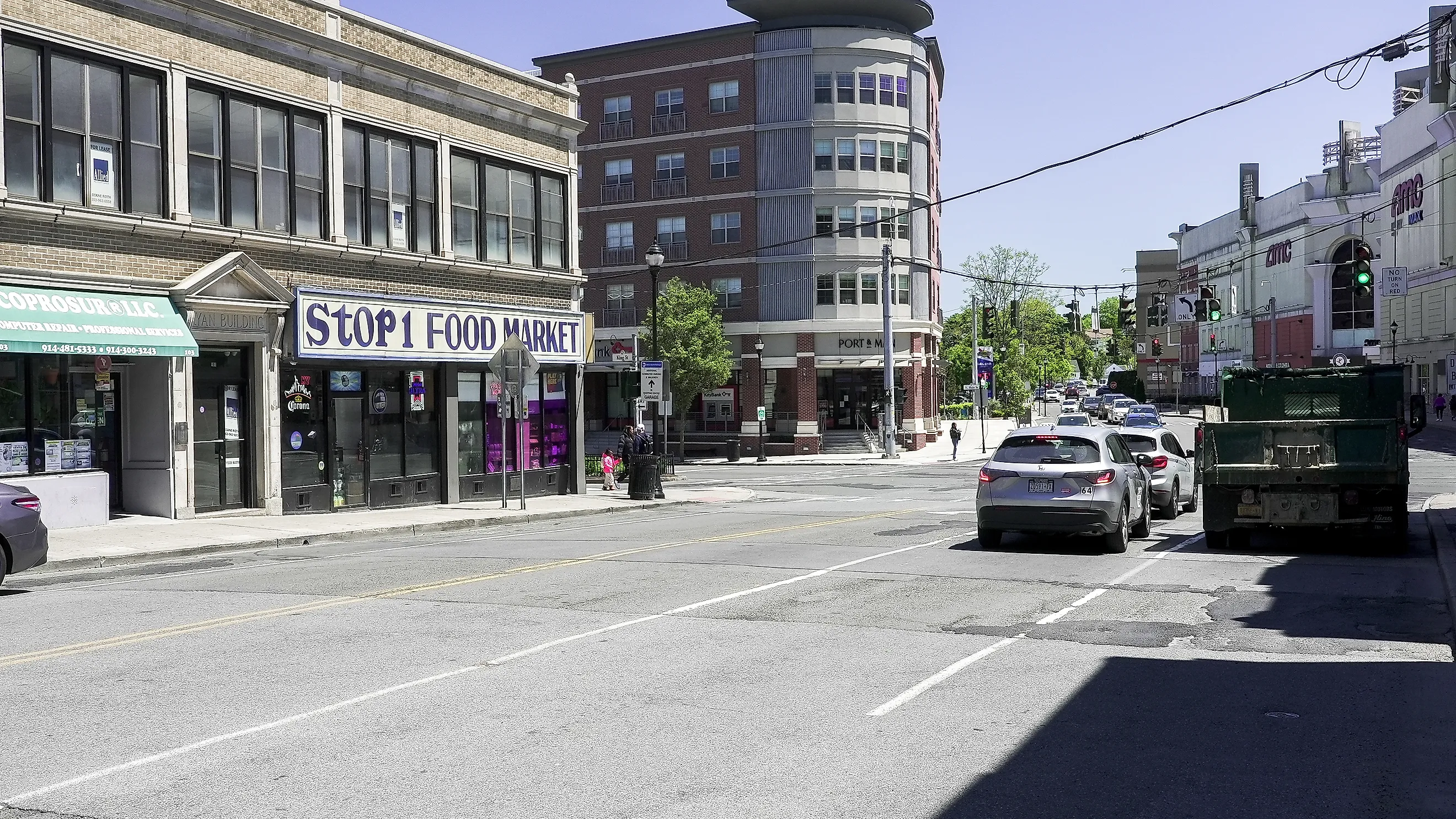
One of the fastest-growing places in New York City's outer suburbs is Port Chester. The area grew by 4.1% between July 2024 and July 2025, and ranks 80th nationally among fast-growing communities, according to Census Bureau Vintage 2025 estimates. That's a sharp contrast with the five boroughs, which lost population over the same year. Port Chester's 2020 Census count stood at 31,693, and the village has kept adding residents even as the city it borders shrinks. Nicknamed the "Gateway to New England" for its role as a transit hub between the city and Connecticut, Port Chester sits on Metro-North's New Haven Line, giving new arrivals a direct rail commute into Manhattan without Manhattan rents. Three other mid-size incorporated communities in the outer reaches of the New York metro area posted similar gains over the same period, bolstering the evidence that the region's growth is now happening outside the city line.
Middletown, Delaware

Middletown's population has climbed past 26,000, up from roughly 23,800 recorded in the 2020 Census, according to town and county figures. The town government attributes the growth directly to "residential development pressure from the Wilmington and Philadelphia metropolitan regions," placing Middletown squarely inside the corridor where Mid-Atlantic residents go looking for cheaper housing without leaving commuting range of two major metros. Located along the U.S. Route 301 corridor about 24 miles south of Wilmington, the town has grown enough since 2000 to add an entire school district's worth of students. The Appoquinimink School District, which serves Middletown and its surrounding communities, is now Delaware's fastest-growing and top-ranked system. New Castle County as a whole has grown more slowly than Delaware's southern counties in recent years, but Middletown has consistently outpaced the county average, adding new subdivisions on what used to be farmland along the old peach-country roads north of Dover.
Suffolk, Virginia

According to data compiled by Virginia Realtors from Census Bureau estimates, Suffolk's population rose from 94,406 in April 2020 to 103,105 in 2024, a 9.2% increase that made it one of the fastest-growing cities in the Hampton Roads region. Suffolk sits along the Chesapeake Bay's southern reaches, on the less-developed western edge of Hampton Roads, where land costs less than in Norfolk, Chesapeake, or Virginia Beach proper. Much of the recent growth traces back to industrial expansion tied to the Port 460 project, a logistics and warehousing corridor built to serve the Port of Virginia's growing container traffic. That has pulled in both workers relocating for the new jobs and families priced out of the denser cities closer to the water. Suffolk's business growth has kept pace with its population gains, and city planners have pointed to continued port-related investment as the main driver behind the numbers for the next several years.
Leland, North Carolina

Leland's population reached 32,875 as of July 1, 2025, according to the North Carolina State Demographer's certified estimate, up a whopping 43.5% from 22,908 recorded in the 2020 Census. The town sits in Brunswick County, which the Census Bureau ranked as the sixth-fastest-growing county in the entire country for the year. The county would have seen a net loss in population due to deaths outnumbering births if not for the wave of new residents moving in from elsewhere. Leland is the largest town in the county and sits just across the Cape Fear River from Wilmington, with Wilmington International Airport only 11 miles away. Master-planned communities like Terrapin, currently under construction on the town's northern edge, are drawing homebuilders from across the region to keep pace with demand. Brunswick County's broader growth reflects a statewide trend: North Carolina drew more residents from other states in 2025 than any other state in the country.
Hardeeville, South Carolina

The summer of 2025 saw Hardeeville's population reach an estimated 16,459, up 16% in a single year and more than double its 2020 Census count of 7,473. The city sits in Jasper County, which the Census Bureau named as the fastest-growing county in the United States for the year ending July 2025, with a 6% population increase. Local development officials say new arrivals come from as far away as New York, Ohio, and Pennsylvania, drawn partly by retirement communities like Latitude Margaritaville, a 55-and-over development built specifically for the wave of retirees priced out of nearby Hilton Head Island, roughly 24 miles east. Manufacturing jobs have followed too. Truck-body maker TICO has expanded operations locally to serve the ports along the South Carolina and Georgia coast. County officials describe Hardeeville as sitting at the center of a broader shift in the Lowcountry's growth.
Port St. Lucie, Florida

St. Lucie County added 10,857 residents between July 2024 and July 2025, with Port St. Lucie accounting for roughly 84% of that growth, according to an analysis of Census Bureau data by the Miami Association of Realtors. Ninety percent of the county's growth came from net domestic migration, or 9,861 people moving in from elsewhere in the United States, most of them from South Florida's more expensive metro areas. The math explains why. As of April 2026, the median single-family home sale price in Port St. Lucie was $400,000, compared with roughly $650,000 in neighboring Palm Beach and Martin counties. Part of the Treasure Coast along the St. Lucie River, the city has become the default landing spot for South Florida households chasing lower housing costs and no state income tax. City officials have cited housing and infrastructure planning as their central challenge as the growth continues.
The Coast's Next Chapter
Taken together, these six places trace a single pattern. Growth on the Atlantic Coast is no longer concentrated in the biggest cities, but in the mid-size communities that ring them. New York's losses are becoming Westchester's gains; South Florida's high costs are pushing households up the Treasure Coast; and the Carolinas' Lowcountry and Cape Fear regions are absorbing movers from well beyond their own state lines. For residents already living in or near these growth corridors, the practical effects are already showing up in housing prices, school enrollment, and traffic on roads that weren't built for this many commuters. If current migration patterns hold, the next few years will likely push that growth further from the coastline itself and into the counties just inland, where land is less expensive to build on.