These 13 Towns In The United States Were Ranked Among US Favorites In 2026
Most of these US towns sit on water. Lake Geneva has its shoreline. Newport has its harbor. Key West has its reef. Park City is the outlier, trading saltwater for the Wasatch Range. Carmel-by-the-Sea, St. Augustine, and Provincetown round out a list whose 2026 ranking comes down to a strong sense of place.
Lake Geneva, Wisconsin

Lake Geneva is a classic Midwestern resort town built around the clear waters of Geneva Lake. Long tied to summer retreats, it remains popular for boating, lakeside relaxation, and shoreline walks, and the lake is its defining feature, with public paths following much of the edge.
The architecture reflects its resort heritage, with historic lakefront estates, preserved mansions, and a downtown of brick storefronts, shops, cafés, and waterfront parks that keep a welcoming small-city feel. Cultural life centers on seasonal festivals, lake activities, and outdoor recreation, while boat tours offer views of the historic estates along the shore.
Summer brings a surge of activity to the lakefront; winter reveals a quieter, more reflective side, with tree-lined paths and waterfront trails open year-round. Its lasting popularity comes from the way it pairs lakeside recreation with a rich resort history.
Traverse City, Michigan

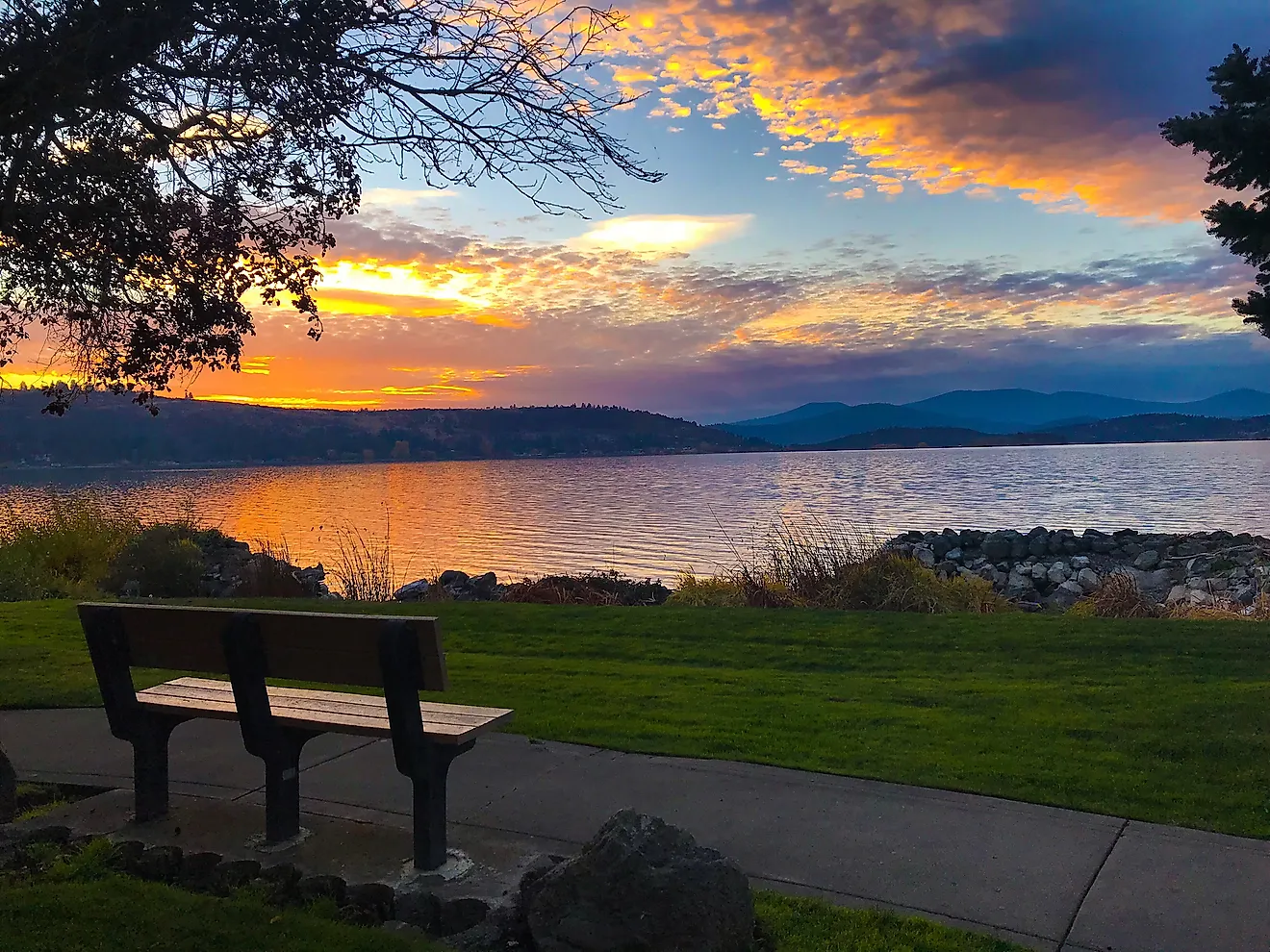
Traverse City sits on Lake Michigan's Grand Traverse Bay, blending freshwater coastline with small-city character. The bay's clear water, sandy beaches, and nearby dunes give it a coastal feel that's rare inland. Summer revolves around boating and waterfront walks, while autumn brings vivid color to the surrounding hills.
Downtown mixes historic brick buildings with modern storefronts, making for an easy place to explore on foot, with Victorian-era architecture and restored commercial blocks linking past and present. The town is known for local arts, food traditions, and seasonal festivals. Events tied to cherries, regional food, and heritage pull visitors into the community throughout the year.
Grand Traverse Bay is the town's gathering place, where beaches, parks, and marinas connect directly to downtown. Boardwalks and trails tie the natural spaces to the commercial core, reinforcing its identity as a place where nature and city life meet easily.
Sausalito, California

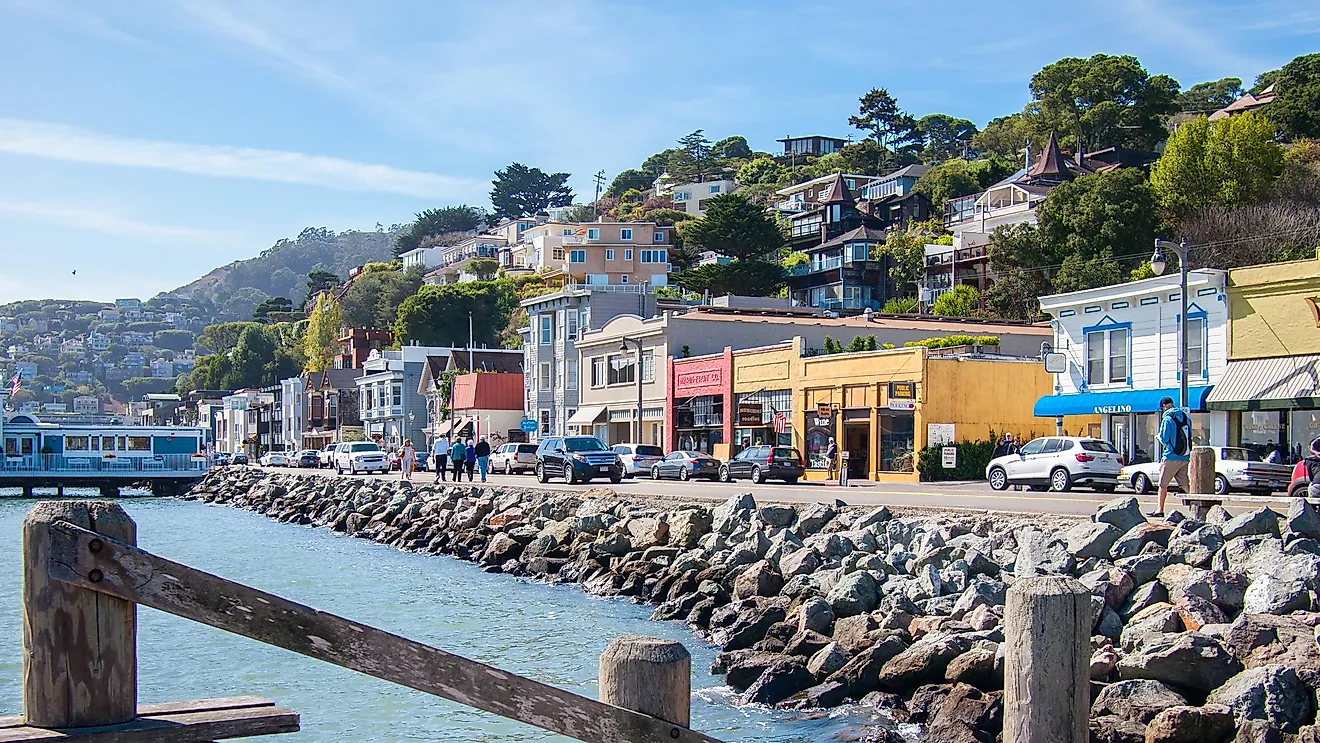
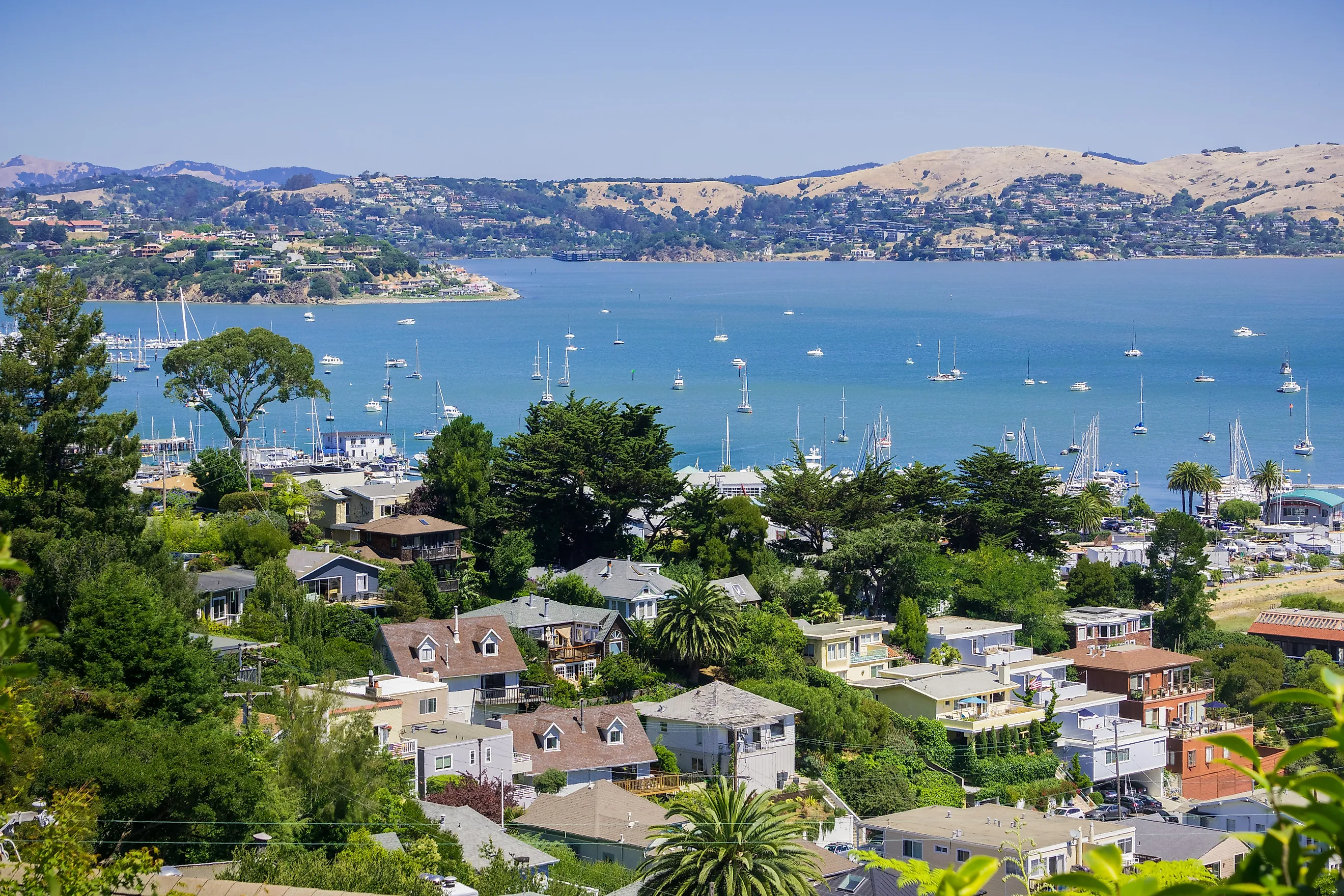
Sausalito is a hillside waterfront town just across the Golden Gate Bridge from San Francisco, known for wide bay views and a Mediterranean feel. Its spot on the edge of San Francisco Bay gives it one of the most photographed skylines in Northern California.
The bayfront setting defines the experience, with panoramic views of San Francisco, Alcatraz, and the Marin Headlands. Waterfront promenades, marinas, and nearby hiking trails keep both water and hills within reach. The architecture is a mix of hillside homes, historic waterfront buildings, and the town's famous floating houseboat communities, and the vertical layout keeps shifting your perspective as you move through the streets.
The commercial district hugs the waterfront, where galleries, cafés, and public piers invite slow exploration, and the piers and parks are popular gathering spots for locals and visitors alike. Sausalito blends a laid-back waterfront mood with cosmopolitan polish, feeling like a quiet retreat with immediate access to one of America's most dynamic urban regions.
Cape May, New Jersey

Cape May is one of the oldest seaside resort towns in the country, known for remarkably well-preserved Victorian architecture and calm Atlantic beaches. The whole town feels like an open-air museum of 19th-century design, with brightly painted homes, ornate trim, and wraparound porches.
The shoreline matters just as much. Wide sandy beaches run along the Atlantic, nearby wetlands and bird sanctuaries add ecological depth, and sunsets over the bay draw visitors to the water each evening. Few American communities have such a complete concentration of Victorian architecture. Hundreds of restored "painted ladies" line the streets, creating one of the most visually cohesive historic districts in the country.
The atmosphere is relaxed but active, with visitors moving between beaches, historic tours, and walkable shopping areas. Horse-drawn carriage rides and walking tours reinforce the historical feel. Cape May's identity is shaped by both preservation and hospitality, making it a favorite for anyone after a slower, visually rich coastal stay.
Coronado, California

Coronado is one of Southern California's most refined coastal escapes and a regular on lists of America's favorite beach towns. Just across the bay from downtown San Diego, it feels like its own polished world of wide beaches, calm water, and a resort-like atmosphere. The Pacific shoreline here is broad and golden, good for long walks, bike-path rides, and sunsets over the surf.
The town is anchored by the historic Hotel del Coronado and a collection of well-preserved Craftsman and Victorian-inspired homes. Tree-lined streets and manicured public spaces give it a refined, garden-like quality, and the compact downtown is highly walkable, full of open-air cafés and boutique storefronts.
Life here is shaped by both naval heritage and a long history as a seaside retreat. A typical visit takes in waterfront parks, sailboat-filled marinas, and bayside paths where the San Diego skyline glows across the water. Seasonal events, outdoor concerts, and art festivals add a steady, welcoming energy. Coronado's strength is its balance of calm and accessibility, timeless without feeling frozen in time.
Provincetown, Massachusetts

Provincetown sits at the very tip of Cape Cod, surrounded by shifting dunes, Atlantic shoreline, and a harbor that has long drawn explorers and artists. Despite its small size, it is one of the most visited coastal towns in New England, known for its independent artistic culture and scenic isolation.
The landscape is striking and always changing. Wide beaches stretch along both the Atlantic and bay sides, the surrounding Cape Cod National Seashore protects dunes and walking trails, and the seasonal light gives the town a constantly shifting look. Narrow, winding streets lined with colorful cottages, historic clapboard homes, and compact storefronts make it a place built for walking.
The town's artistic tradition is anchored by the nation's oldest continuous art colony. Galleries, performance spaces, and seasonal festivals dominate the social calendar, and street life is lively in the warmer months, when outdoor dining and crowds fill Commercial Street. The contrast between remote coastal landscape and an intensely creative community is what gives Provincetown its character.
Carmel-by-the-Sea, California

Carmel-by-the-Sea is known for its distinctive look, where European-inspired architecture meets a dramatic Pacific coastline. On California's Monterey Peninsula, the town is framed by cypress trees, white-sand beaches, and ocean cliffs, and sunset views over Carmel Beach are among its biggest draws.
The architecture is famously inventive: hand-crafted cottages, asymmetrical rooflines, and winding pathways. Carmel's long tradition of naming houses instead of using street numbers is still part of its identity, even as the city starts adding more conventional addresses. The arts run through everything here, with small galleries, sculpture gardens, and theaters scattered across a downtown that feels like an open-air cultural district.
Despite its small size, the town stays lively. Visitors wander between courtyards, galleries, and ocean overlooks, often ending the day on the beach as fog rolls in. With no large commercial signage and no traffic lights, it is a thoroughly pedestrian place where artistic vision and natural beauty shape nearly every part of a visit.
Naples, Florida

Naples is one of Florida's most refined coastal cities, known for white-sand Gulf beaches, an upscale downtown, and a strong focus on natural preservation. The shoreline is the defining feature, with warm, calm water and long stretches of beach that are especially popular at sunset.
The architecture is elegant and cohesive, with Mediterranean-inspired designs, palm-lined avenues, and carefully planned public spaces. The downtown is built for walking, centered on open-air streets, shaded sidewalks, and waterfront views. Naples is also known for its cultural side, with art galleries, performance venues, and seasonal events, while nearby nature preserves and mangrove ecosystems put Florida's coastal environment within easy reach.
Naples manages to feel sophisticated without losing the easy pace of Gulf Coast living. Visitors move between beaches, outdoor dining, and scenic parks where benches and overlooks face the Gulf, and the layout rewards slow exploration and longer stays. Its popularity reflects a solid balance of coastal beauty, thoughtful design, and visitor-friendly amenities.
Laguna Beach, California

Laguna Beach is one of California's most celebrated coastal towns, known for dramatic cliffs, an artistic heritage, clear coves, and more than 30 beaches. The coastline is rugged and striking, with tide pools, hidden sandy stretches, and ocean-view trails, and the bluff-top sunset viewpoints are among its most photographed spots.
The architecture mixes Mediterranean-inspired homes, hillside cottages, and contemporary coastal designs built into the terrain. Strict development standards protect sightlines and keep the scenery dominant, while downtown streets are easy to navigate and full of galleries, studios, and public art. Laguna has long been a haven for artists, and that identity still drives the town through seasonal festivals, open-air exhibitions, and live demonstrations.
Despite its popularity, Laguna Beach stays intimate, with quiet coves and neighborhood streets balancing the busier downtown. Coastal paths connect neighborhoods to beaches, and public parks and tide-access points create constant chances for a scenic pause. Its lasting appeal comes from the easy blend of natural drama and artistic expression.
Park City, Utah

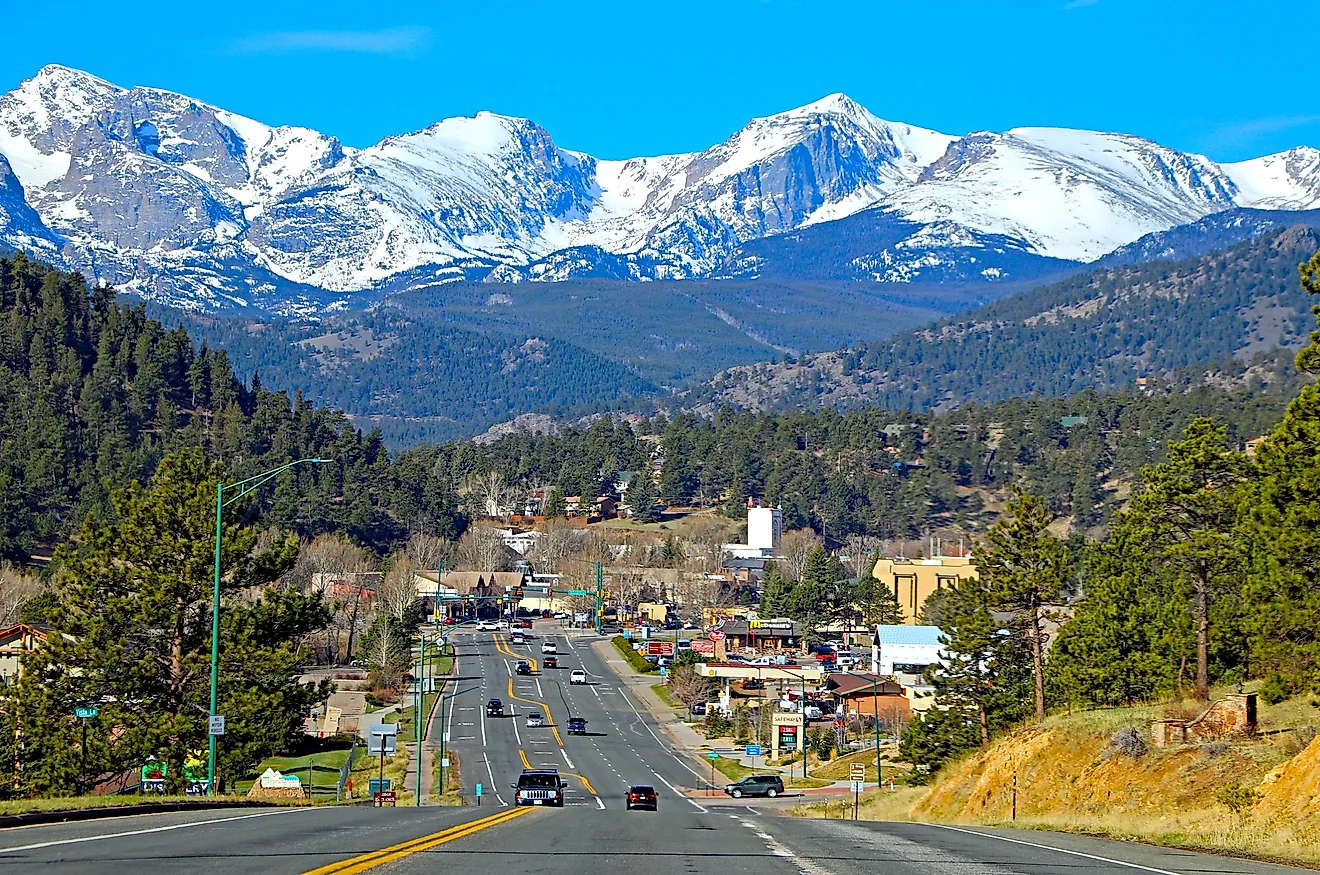
Park City is one of the most dynamic mountain towns in the country, pairing alpine scenery with a lively cultural scene. Ringed by the Wasatch Range, it offers year-round recreation, including skiing and snowboarding in winter and hiking and mountain biking in the warmer months, with sweeping views of forested peaks.
The historic Main Street is lined with preserved mining-era buildings now used as galleries, restaurants, and performance spaces. Wooden facades, brick storefronts, and narrow sidewalks make for a walkable district, and the preserved mining past gives Park City an architectural identity that sets it apart from more modern ski resorts. Culturally, the town is closely tied to film and the arts, with a legacy shaped by Sundance and backed by year-round galleries and festivals.
The feel is energetic but balanced. Ski lifts are visible from town, and visitors move easily between outdoor adventure and relaxed evenings downtown, with live music, outdoor dining, and busy sidewalks. Mountain recreation and the arts coexist here with unusual ease.
Newport, Rhode Island

Newport is one of the most historically rich and visually striking coastal towns in the Northeast. On Aquidneck Island, it is defined by harbor views, sailing culture, and preserved Gilded Age architecture, with a waterfront kept constantly active by sailboats, ferries, and coastal breezes.
Newport is famous for its grand historic mansions, once the summer "cottages" of America's elite, which, along with colonial-era buildings and cobblestone streets, give the town a layered, elegant look. The Cliff Walk runs along the shoreline, pairing dramatic Atlantic views with glimpses of that architecture. Downtown is lively, with brick storefronts, boutiques, and cafés set in centuries-old buildings, plus public squares and harborfront parks.
Music, sailing, and historic preservation remain central to the town's identity. Annual regattas, jazz festivals, and heritage tours keep it active year-round, while museums and historic sites reinforce its role as both a resort destination and a living piece of American history. Newport's charm is in feeling grand and approachable at once.
St. Augustine, Florida

St. Augustine is one of the most atmospheric historic towns in the country, where centuries of Spanish colonial influence are still visible everywhere. As the nation's oldest continuously inhabited European-established settlement, the whole city feels like a museum that is still fully lived in.
The setting adds to the appeal. The Matanzas Bay waterfront offers scenic views and boat access, nearby beaches give you quiet stretches of Atlantic coastline, and oak-shaded streets draped in Spanish moss create a soft, romantic backdrop. The architecture runs to Spanish Colonial and Mediterranean Revival styles, anchored by the Castillo de San Marcos, a coquina stone fortress overlooking the water. Cobblestone streets and preserved historic homes round out the old-world feel.
Culturally, the town is full of museums, galleries, and reenactments that bring its past to life. Horse-drawn carriages, walking tours, and waterfront promenades carry a steady flow of visitors between historic sites, shops, and cafés. Seasonal events, especially around the holidays, turn the town into a glowing destination. Its charm is in how easily it blends living history with coastal leisure.
Key West, Florida

In Key West, geography, history, and culture meet at the edge of the continental United States. Surrounded by turquoise water, it offers some of the most accessible coastal beauty in the country, from its coral-fringed shoreline and pastel sunsets at Mallory Square to boating, snorkeling, and sailing on one of North America's most reachable reef systems.
The town is defined by its "Conch-style" wooden homes, gingerbread trim, and narrow, tree-lined streets. Landmarks like the Ernest Hemingway Home & Museum, the Key West Lighthouse & Keeper's Quarters, and the Southernmost Point marker anchor its history, while brightly painted buildings give the island a tropical look all its own.
Social life here revolves around creativity and celebration. Street performers, open-air cafés, and nightly sunset gatherings keep things moving, and festivals tied to literature, music, maritime heritage, and food fill the calendar year-round. Most visitors explore the compact downtown on foot or by trolley, stopping at museums, galleries, and waterfront viewpoints along the way. Few places combine tropical scenery and cultural energy as easily as Key West.
Coastal Identity and Continental Contrasts
Further along the coasts, towns like Laguna Beach, Newport, and Provincetown show the range of America's shoreline communities. California's rugged cliffs and artist enclaves and New England's sailing culture and historic harbor towns each reflect a different version of coastal living shaped by tradition and terrain.
In the Midwest, Lake Geneva offers a quieter take on waterfront life, where resort architecture and lake-centered recreation set a rhythm defined by seasons rather than tides. Together, these places point to the variety in American travel, where ocean, lake, and bay communities each develop their own identity while staying connected to the water that defines them.