The Most Charming River Towns In North Carolina
In Hot Springs, the French Broad runs right through the middle of town. The Appalachian Trail crosses it downtown before climbing back into the mountains. Farther east the rivers run wide and slow enough for boats, and New Bern faces its harbor where the Neuse meets the Trent. In the mountain towns the water runs fast and shallow, better for wading in with a fly rod than tying up a boat. Either way, the river is the first thing a visitor notices and the last thing a local stops thinking about.
New Bern

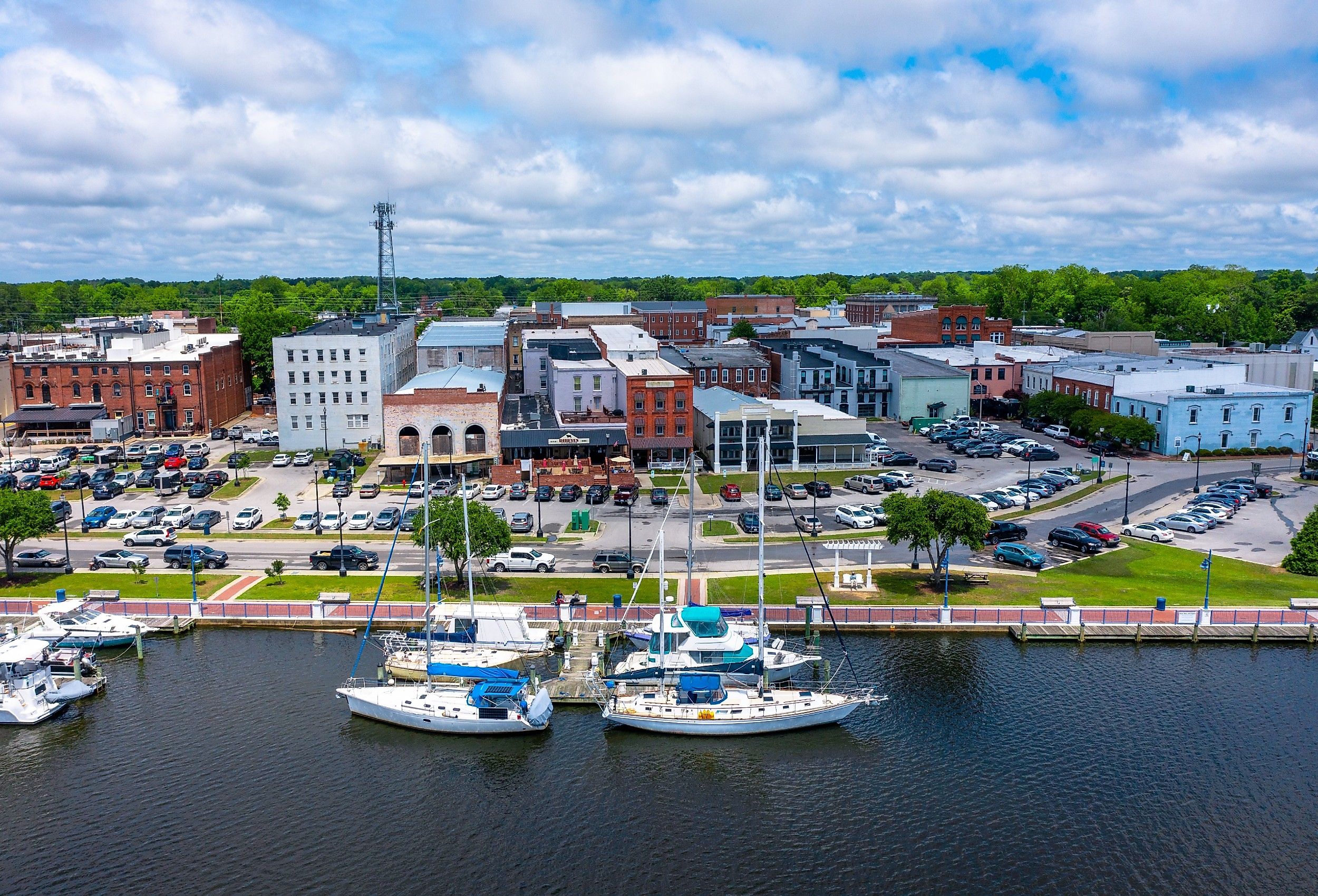
Situated where the Neuse and Trent rivers meet, New Bern blends waterfront scenery with one of North Carolina's oldest historic districts. Visitors can tour the restored Tryon Palace, the former colonial governor's residence, featuring period gardens and interactive exhibits. The walkable downtown is filled with locally owned boutiques, restaurants, and preserved 18th and 19th-century buildings, while Union Point Park offers river views, picnic areas, and a popular spot to watch boats pass through the harbor. Boat cruises and kayaking excursions provide another way to experience the city's waterfront setting.
Beyond its riverfront attractions, New Bern also offers museums and cultural sites that highlight its long history. Visitors can explore the North Carolina History Center, browse galleries showcasing local artists, or visit the Birthplace of Pepsi-Cola, a small downtown landmark connected to the town's commercial heritage.
Washington

Located along the Pamlico River, Washington is known for its inviting waterfront and compact historic downtown. The city's brick promenade and elevated boardwalk pass Festival Park before continuing through wetlands near the North Carolina Estuarium. Downtown visitors can browse local shops and galleries before joining one of the Estuarium's River Roving Boat Tours, which explore the Pamlico-Tar River system and nearby Castle Island.
Washington also serves as a gateway to eastern North Carolina's coastal ecosystems. At the North Carolina Estuarium, visitors can learn about the region's rivers and estuaries through interactive exhibits. About 20 minutes from downtown, Goose Creek State Park offers hiking and paddling trails through cypress swamps and wetlands along the Pamlico River.
Edenton

Set on the banks of the Chowan River, Edenton preserves much of its colonial character while offering a peaceful waterfront atmosphere. Visitors can tour the restored Roanoke River Lighthouse, the last surviving screw-pile lighthouse in North Carolina. The historic district includes well-preserved Georgian and Federal-style homes, churches, and museums that highlight the town's early history. The town's waterfront location also makes it popular for boating and relaxing along the harbor. Visitors can explore the Cupola House, walk through historic neighborhoods lined with mature trees, or enjoy views of the Chowan River from the town's public docks.
Bryson City

Bryson City sits beside the Tuckasegee River in western North Carolina and serves as a gateway to outdoor recreation. The Great Smoky Mountains Railroad departs from downtown, offering scenic excursions through mountain valleys and river gorges. The Tuckasegee River is popular for fly fishing, tubing, and kayaking, while the nearby Fly Fishing Museum of the Southern Appalachians explores the region's angling traditions.
The town's location near the Great Smoky Mountains also provides access to hiking trails, waterfalls, and mountain roads. Visitors can explore nearby portions of the Nantahala National Forest or spend time along the riverfront, enjoying the quieter pace of this mountain community.
Dillsboro

Small in size but rich in character, Dillsboro occupies a stretch of the Tuckasegee River. Its downtown is known for artisan studios where visitors can watch glassblowing, pottery making, and woodworking demonstrations. The nearby Great Smoky Mountains Railroad makes a stop in town during select excursions, while riverside parks provide easy access for fishing and relaxing beside the water. Visitors can also head to nearby Monteith Farmstead, a historic property with walking paths and a picnic pavilion.
In downtown Dillsboro, annual events such as ColorFest and Lights and Luminaries bring regional artists, holiday displays, and live entertainment to the town's streets.
Hot Springs

The French Broad River flows directly through Hot Springs, making it a favorite destination for both outdoor enthusiasts and hikers. Visitors can soak in the naturally heated mineral baths at Hot Springs Resort and Spa after spending time rafting, kayaking, or paddleboarding on the river. The town is also one of the few places where the Appalachian Trail passes directly through the downtown area, creating a lively atmosphere during hiking season.
Beyond the river, Hot Springs provides access to trails in Pisgah National Forest. The Lover's Leap Loop follows the French Broad River before climbing a rocky ridge with overlooks of the water and downtown, while the nearby Laurel River Trail offers places for birdwatching, picnicking, and relaxing beside the river.
Elkin

Positioned along the Yadkin River, Elkin combines outdoor recreation with one of North Carolina's best-known wine regions. Elkin Municipal Park offers walking trails, recreation facilities, and picnic shelters, while nearby Crater Park provides a boat launch and direct access to the Yadkin River. Downtown Elkin features restaurants, boutiques, and frequent community events, while nearby Elkin Creek Vineyard and Winery offers tastings at its property in the Yadkin Valley wine region. This town is also connected to an extensive network of hiking and cycling routes, including portions of the Mountains-to-Sea Trail.
The Rivers That Made These Towns
North Carolina's river towns offer far more than a pretty waterfront. Some preserve centuries of history, some serve as gateways to the mountains, and others open onto paddling, fishing, and hiking within walking distance of downtown. Each community has developed its own identity around the water that runs through it, and following those rivers remains one of the clearest ways to understand how the state was settled and how it lives today.