The Most Charming River Towns In Illinois
Illinois was built along its riverbanks. The communities that drove the state's growth still hold strong ties to the rivers running through them. Galena's lead port turned a quiet settlement into a major Upper Mississippi shipping hub. Grafton sits at the confluence of the Illinois and Mississippi rivers. Elsah is so well-preserved the entire village has been kept intact since the 1850s. Ottawa, Geneva, Oregon, and Nauvoo round out a list of walkable historic cores you'll want to explore on foot.
Galena

Galena is named after the Latin word for lead ore, the mineral that by the 1840s had turned this quiet settlement into the busiest riverport north of St. Louis. Boats hauled ore down the Galena River to the Mississippi, financing a downtown where more than 85 percent of the buildings are now listed on the National Register of Historic Places.
The town's most famous resident, Ulysses S. Grant, moved here in 1860 to work in his father's leather store, but soon left to lead Union armies. After the Civil War, grateful citizens built him what's now the Ulysses S. Grant Home State Historic Site. This elegant Italianate house has been a museum since 1904.
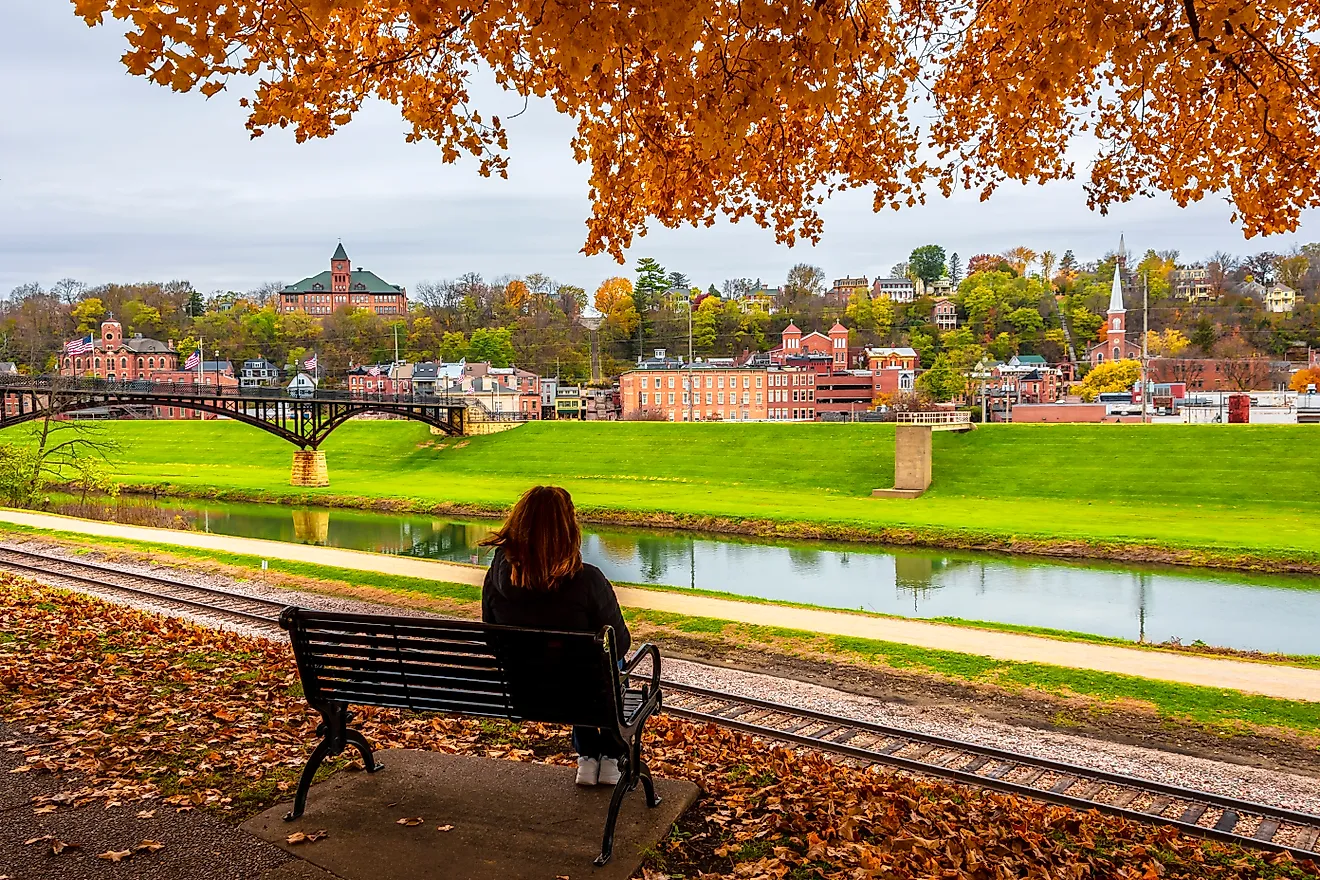
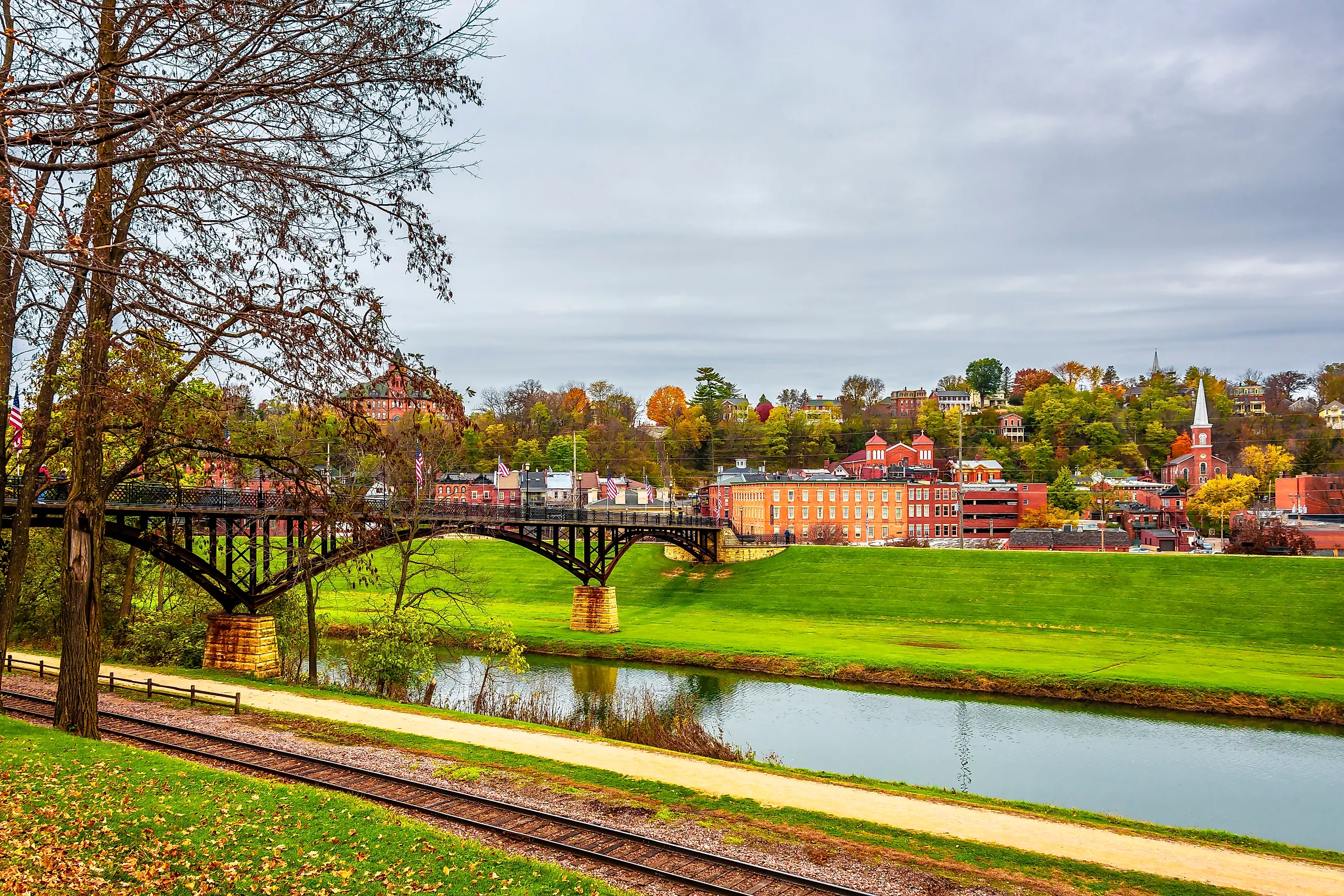
Abraham Lincoln even stopped at the DeSoto House Hotel while on the campaign trail. Pop into the Galena and U.S. Grant Museum, set in an 1858 mansion that houses Thomas Nast's famous Peace in Union painting depicting Lee's surrender to Grant. The Galena River Trail follows the river through Grant Park, presenting a pretty scene with bluffs rising behind the town's rooftops and church spires.
Grafton

Travel to the spot where the Illinois River empties into the Mississippi, and you'll find yourself in Grafton. Founded in 1832 and named after Grafton, Massachusetts, the town's growth was tied to fishing, ferrying, and quarrying pure magnesia limestone. Its stone even went into the Eads Bridge, built in 1874 across the Mississippi in St. Louis.
These days, Grafton's riverfront is all about fun rather than freight. Topping the list of riverside experiences is the Grafton SkyTour run by Aerie's Resort. This aerial lift climbs roughly 270 feet to a hilltop overlooking the rivers, with a choice of open chair or enclosed gondolas to ride. In addition to the lift and a zipline, the resort runs the Aerie's Alpine Coaster, a gravity-driven ride that winds down through the wooded hillside.
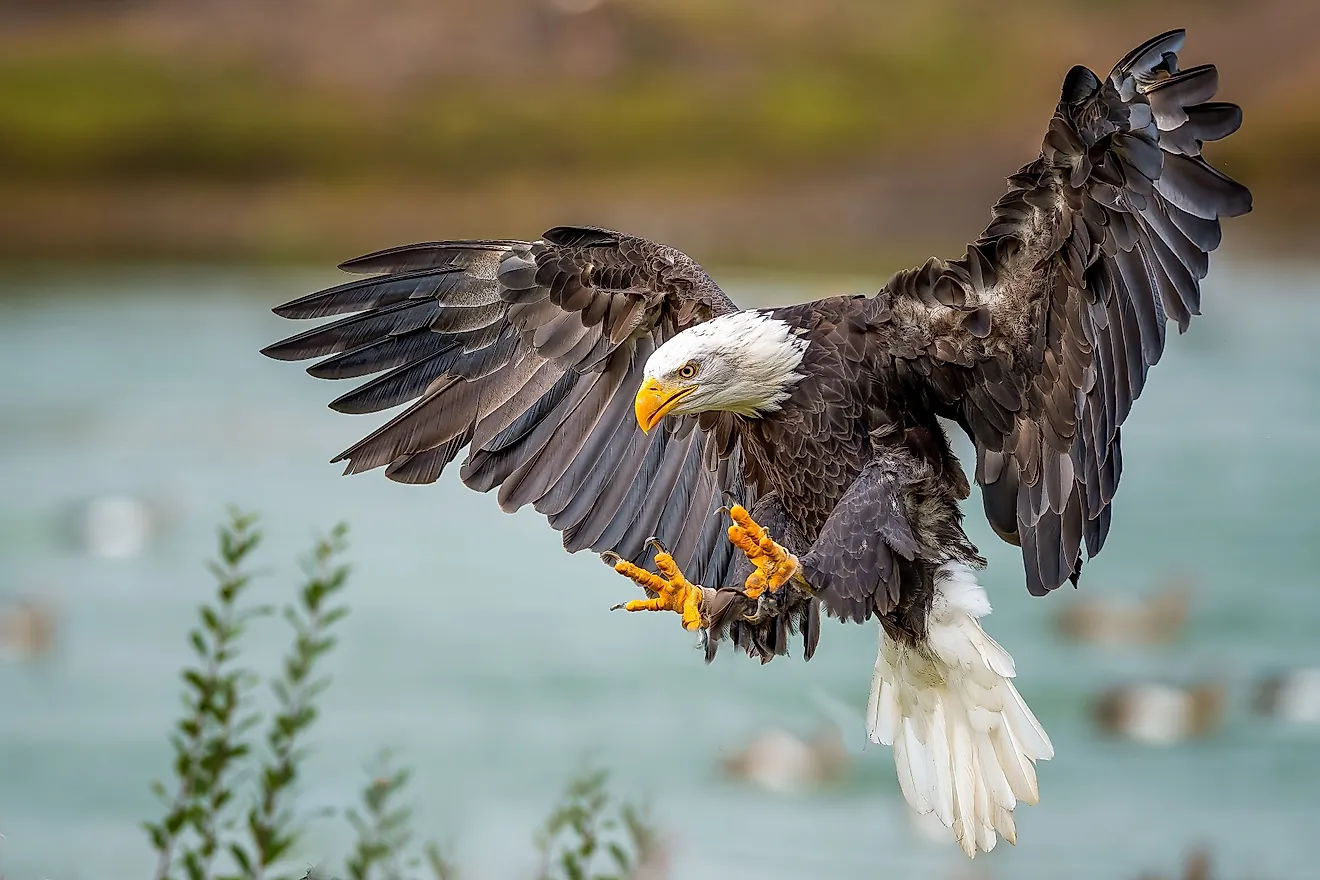
Other things to do include visiting the Grafton Winery and Brewhaus, directly overlooking the water. Five miles upriver, along the Great River Road that follows the Mississippi, Pere Marquette State Park is popular for its bald eagle viewing along the Illinois River.
Elsah

Set in a narrow valley between limestone cliffs and the Mississippi, Elsah was founded in 1853 by a local businessman who offered free lots to anyone building with stone from his quarry. Today, stone and brick houses line the two short streets that run from the river, and look just as they would have done in the mid-1800s.
The Village of Elsah Museum, housed in the former village hall built in 1887, does a good job of explaining the town's river-port history, and admission is free. Other buildings from this period include Farley's Music Hall, which has hosted live music and community gatherings since 1885, and the Methodist Church from 1874.
Principia College, a liberal arts school for Christian Scientists that moved to this campus in 1935, also contains several buildings worth checking out in the Principia College Historic District. If you're into cycling, the Sam Vadalabene Bike Trail passes through Elsah, making it a favorite rest stop for cyclists riding the Great River Road.
Ottawa

Located where the Fox River flows into the Illinois, Ottawa takes its name from the Native American word meaning "to trade," which describes its early role in the state. Now a place for leisure pursuits, the Ottawa Riverwalk follows the Fox River for nearly a mile to the Illinois and Michigan Canal trail. Just outside of town, Starved Rock State Park, the most visited state park in Illinois, is known for its sandstone canyons and seasonal waterfalls.
The town's biggest claim to fame, however, is as the place where the first of seven Lincoln-Douglas debates took place in 1858. Newspapers reported that 12,000 spectators packed Washington Square to hear Abraham Lincoln and Senator Stephen Douglas argue over slavery and popular sovereignty, the idea that each territory should decide the question by its own vote. Bronze figures of the debaters now stand in the park.
A short walk away, the I&M Canal Toll House, built in 1849, is the only surviving toll house from the Illinois and Michigan Canal, the waterway that linked the Illinois River to Lake Michigan at Chicago.
Geneva

The Fox River runs straight through Geneva, an attractive town near Chicago, and lends much to its popularity among visitors from the city. Just south of downtown Geneva and on the river, the 235-acre Fabyan Forest Preserve is home to a former estate with an authentic 68-foot, five-story Dutch windmill that was moved here in 1914. The grounds also include a Japanese garden laid out in 1910, and the Fabyan Villa Museum, a farmhouse redesigned in 1907 by Frank Lloyd Wright.
The town's historic district is also fun to explore. Filling several blocks, the red stone Kane County courthouse is the standout here. Several local businesses are also worth visiting, including Graham's Fine Chocolates and Ice Cream, hand-making candy here since 1987. Geneva's Swedish heritage is celebrated each June during the six-day-long Swedish Days festival, which has run annually since 1949 and remains one of the longest-running festivals in Illinois.
Oregon

The town of Oregon spreads along both banks of the Rock River, and its most impressive landmark is impossible to miss. Standing high on a bluff overlooking the town, the 48-foot-tall concrete figure called The Eternal Indian was completed by sculptor Lorado Taft in 1911 and is one of the world's largest monolithic concrete statues. Better known as the Black Hawk Statue, it represents the Sauk leader who fought the Black Hawk War of 1832.
This impressive figure stands in Lowden State Park on ground once part of the Eagle's Nest Art Colony, the summer artists' retreat Taft had founded in 1898. Taft's work also shows up downtown at the Soldiers' Monument, dedicated in 1916 on the Ogle County Courthouse square. Over 50 sculptures and paintings from his peers can be seen at the Oregon Public Library, a facility built with money from industrialist Andrew Carnegie.
On the water, the Pride of Oregon is a paddlewheel riverboat that cruises the Rock River. Three state parks ring Oregon, including Castle Rock State Park, three miles south. Here, visitors can climb roughly 139 steps to a sandstone overlook with spectacular views over the river.
Nauvoo

Nauvoo curves along a wide bend of the Mississippi in Hancock County and is named after the Hebrew word for "they are beautiful." That name came from Latter-day Saints leader Joseph Smith, who bought the riverside settlement of Commerce in 1839, renaming it the next year. The rebuilt Nauvoo Temple, a white limestone replica of the 1840s original lost to arson and a tornado, is a standout structure. While the interior is for church members only, visitors are permitted to walk the grounds and enjoy the views over the river.
The Joseph Smith Historic Site is also worth seeing and includes the family Homestead, the Mansion House, and the Red Brick Store, the 1840s general store that was once the center of community life. Free 30-minute horse-drawn wagon rides roll past more than 30 restored homes and shops from the early years. Afterward, you can interact with the costumed guides who demonstrate trades like blacksmithing and ropemaking.
Follow the Rivers in Illinois
These seven small towns have one thing in common: a river shaped where they stood, and what they became. Each now has a walkable historic core within sight of the water, and each has kept the buildings and the stories that came with them. Visit one for a weekend or string several together for a longer trip.