5 Tick Infested Areas In Rhode Island
Rhode Island packs one of the densest tick populations in the country into the nation's smallest state. It ranks among the 14 states responsible for roughly 90% of reported Lyme disease cases nationwide, according to Harvard Health. Ticks here spread Lyme disease and can trigger alpha-gal syndrome, an allergy to red meat. The arachnids wait in tall grass and damp woodpiles for a host to brush past. They latch onto deer and mice and the family dog with equal ease. Knowing where they cluster is the first step to avoiding a bite.
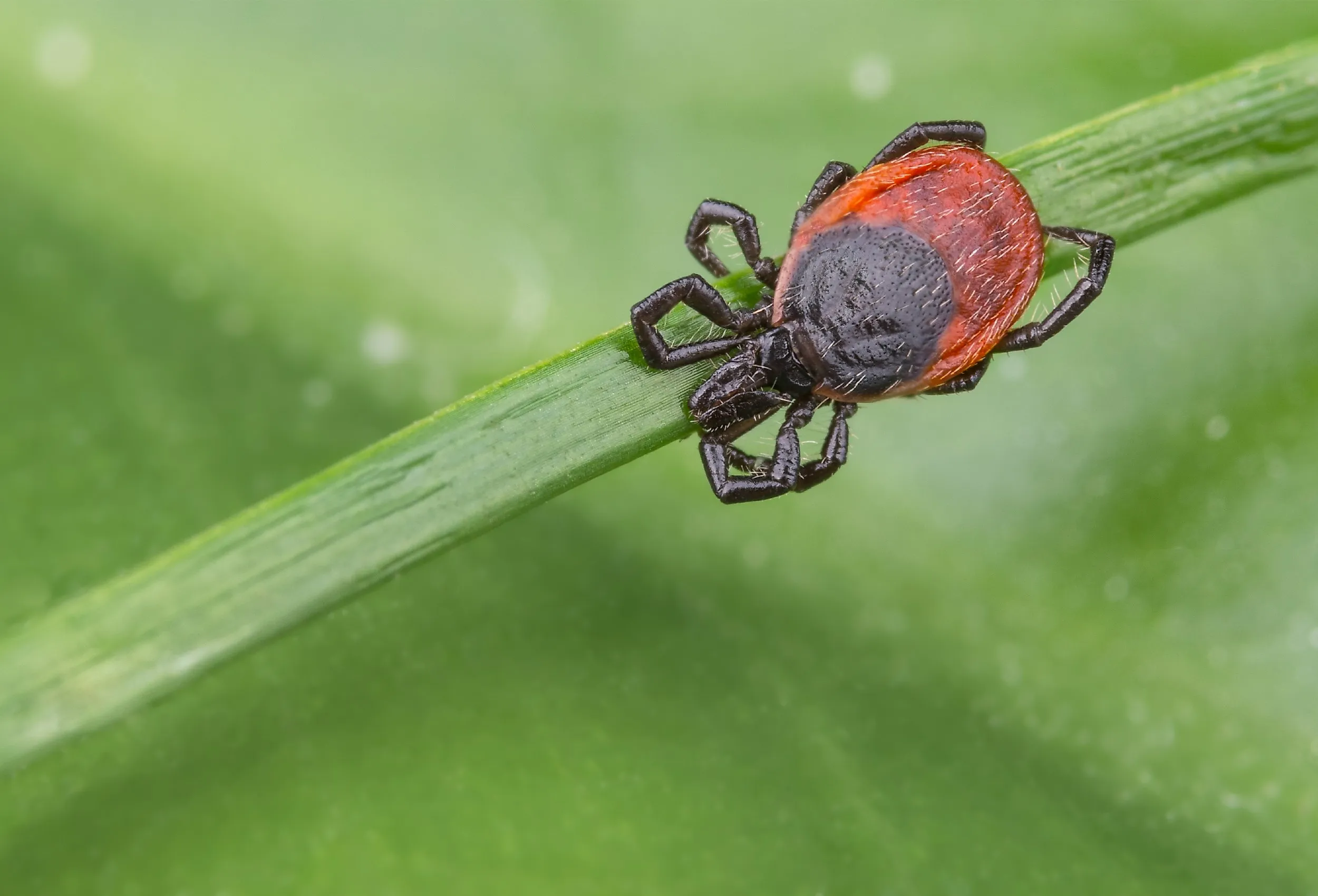
Several medically important tick species live in Rhode Island. These include the American dog tick (Dermacentor variabilis), the blacklegged tick (Ixodes scapularis), also called the deer tick, and the lone star tick (Amblyomma americanum). Many encounters are harmless, but these ticks can also spread serious illness, so residents and visitors should take precautions in the areas below.
Lincoln Woods State Park

Lincoln Woods State Park is one of many Rhode Island spots where visitors run into the blacklegged tick, also called the deer tick. This species is a major concern statewide, and it thrives in wooded parks like this one. Deer ticks favor wooded and brushy ground that shelters mammals like mice and deer. The park's own website warns guests about ticks and the risk of Lyme disease.
Across parts of the Northeast, a large share of adult blacklegged ticks can carry the bacteria that cause Lyme disease, though infection rates vary by location, life stage, and survey year. Beyond Lyme, the deer tick also transmits babesiosis and anaplasmosis.
Prudence Island

Prudence Island has been one of Rhode Island's best-known lone star tick sites for decades, with reports predating the tick's spread across the rest of the state. Surveys since then have found lone star ticks in a growing number of Rhode Island ZIP codes. These arachnids thrive in dense woods and thick undergrowth. They also gather near the spots where animals rest.

The lone star tick is aggressive and bites humans readily when it gets the chance. You can spot a female by the single white dot, or "lone star," on her back. Its saliva often irritates the skin, leaving redness and discomfort. Beyond the sore, a bite can trigger alpha-gal syndrome, an immune response that leaves people allergic to red meat.
Block Island

Block Island sits off mainland Rhode Island and hosts large populations of lone star ticks, along with documented populations of Asian longhorned ticks (Haemaphysalis longicornis). Asian longhorned ticks have been found carrying pathogens tied to diseases such as ehrlichiosis and babesiosis, but researchers still do not know whether they can pass many of these agents to people in the United States. The ticks are a serious threat to livestock, since they can form massive infestations on a single animal and are linked to diseases such as theileriosis.

Because Asian longhorned ticks have not been proven to transmit these pathogens to people in the United States, lone star ticks remain the main human-biting concern on Block Island. Lone star ticks are tied to several illnesses and conditions, including ehrlichiosis, Heartland virus disease, southern tick-associated rash illness, tularemia, and alpha-gal syndrome.
Washington County

Washington County consistently reports Rhode Island's highest rates of Lyme disease. That risk traces to the blacklegged tick, or deer tick, the species that transmits Lyme disease across the Northeast. Wooded areas, brushy edges, leaf litter, and grassy ground throughout the county give blacklegged ticks and their animal hosts, including mice and deer, ideal conditions.
CDC surveillance also shows established populations of American dog ticks in parts of Rhode Island, including Washington County. The American dog tick carries the bacteria that cause Rocky Mountain spotted fever.
People face the highest risk of tick bites in spring and summer, when the ticks are most active, and adult females bite humans more often than males. The arachnids turn up most in tall grass and dense brush, but they reach backyards too. In Washington County communities, watch woodpiles, leaf piles, and the overgrown edges of yards. Avoiding bites and removing ticks quickly both matter.
Aquidneck Island

Aquidneck Island holds a growing population of deer ticks. This island in Narragansett Bay has wrestled with ticks for years. Surveillance between 2007 and 2010 found nymphal blacklegged tick numbers rising sharply, with some of the largest increases in Middletown.
Deer ticks can take two full years to complete their life cycle. They hatch from eggs into larvae in the first calendar year, then grow into nymphs and adults in the second. At the nymph stage they are as small as a poppy seed and easy to miss. Wearing long pants in tall grass and dense brush helps keep them off, and a tick check after a day outdoors matters, because the sooner you pull a tick, the lower your odds of getting sick.
Ticks on the Rise in Rhode Island
Tick populations keep expanding across much of Rhode Island, so residents should stay cautious during peak months, prevent bites where they can, and remove ticks as soon as possible after being bitten. The longer an infected tick stays attached, the more likely it is to transmit a disease.
You can protect yourself by wearing repellent, dressing in long pants in dense brush or tall grass, keeping pets on tick medication, and checking your body after leaving any tick-prone area so you can remove ticks fast. To learn more and report bites, turn to TickEncounter, a University of Rhode Island resource working to cut tick-borne disease and educate residents.