Where Rattlesnakes Den For The Winter In National Forests
In Washington's Okanogan-Wenatchee National Forest, rattlesnakes return to communal dens that may shelter hundreds of snakes through winter. In southern Illinois, timber rattlesnakes share underground winter shelters in the limestone bluffs of Shawnee National Forest with other snake species.
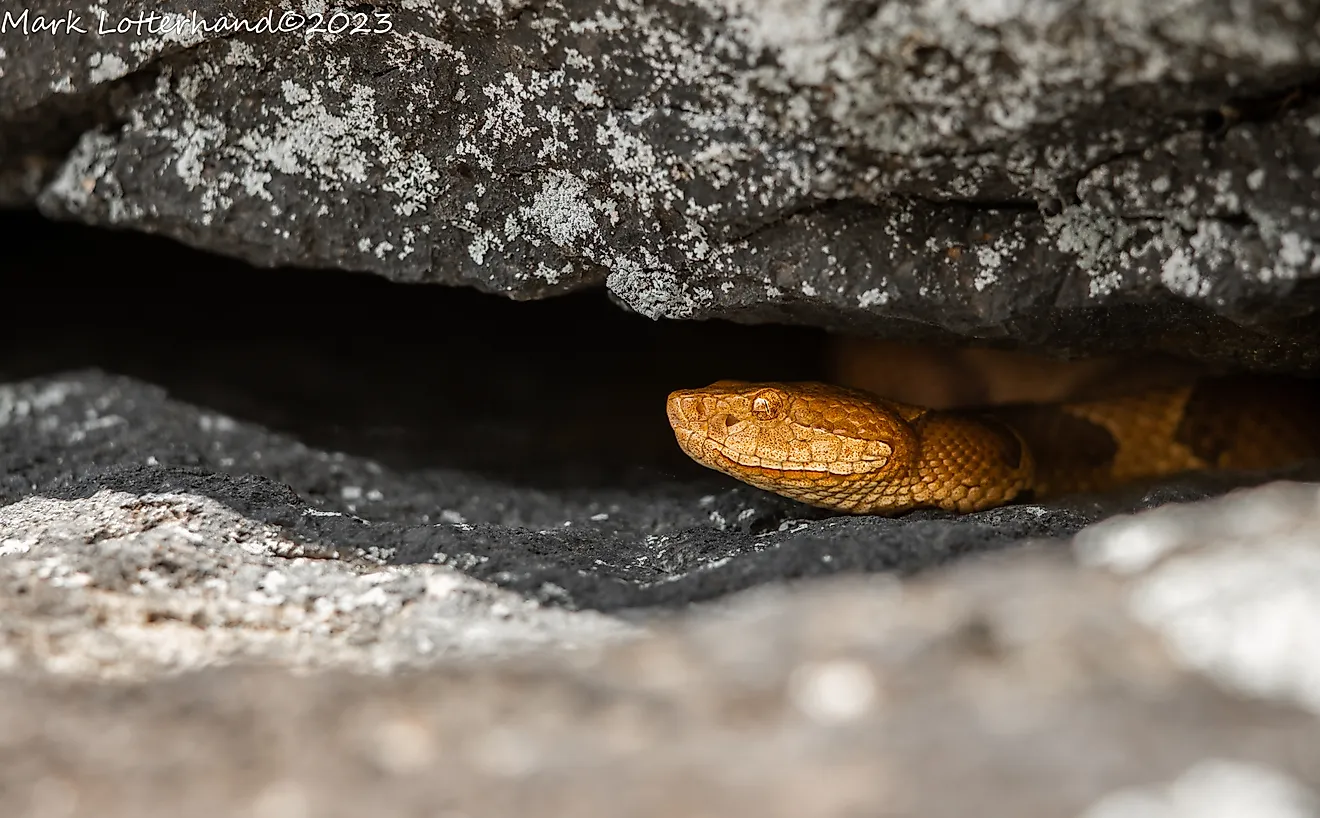
The entrances can be small, but the spaces beyond them must stay warm enough to prevent freezing. Timber rattlesnakes need winter retreats below the frost line, often reached through fissures in rock or passages beneath fallen stone. A sunny rock offers a place to warm up before retreating underground; the den itself provides shelter through months when the ground above grows cold. In the eastern mountain forests, the same seasonal movement connects wooded feeding grounds with repeatedly used rock crevices.
Okanogan-Wenatchee National Forest, Washington

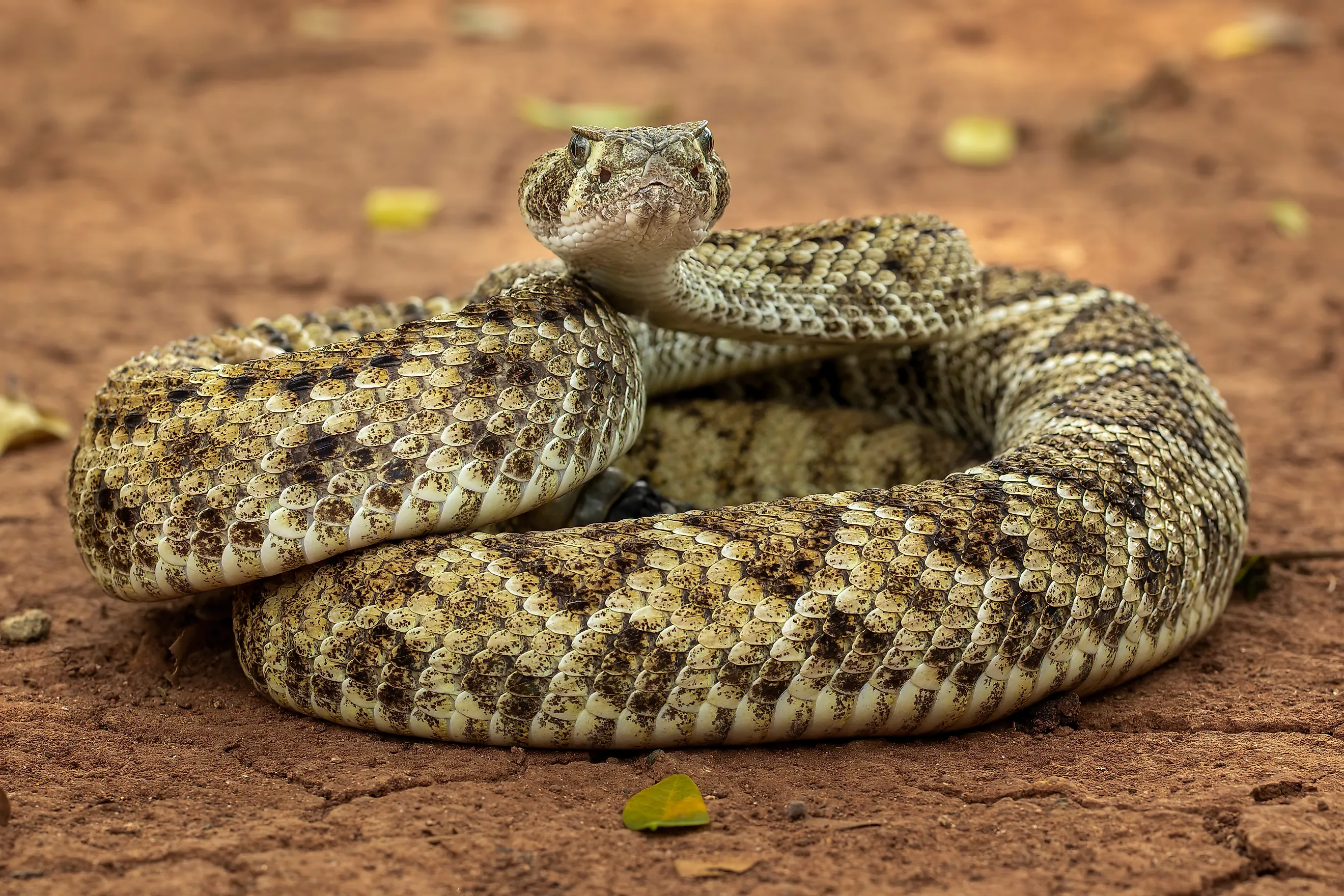
The eastern slopes of Washington's Cascades contain open pine forests and rocky ground used by western rattlesnakes. Here, winter shelter can extend well below an entrance at the foot of a boulder. In 2004, a Forest Service biologist working west of Twisp described a den extending 6 to 8 feet underground. The entrance lay beneath a large rock on a steep hillside below cliffs. Western rattlesnakes return to established communal dens year after year, sometimes sharing them with nonvenomous racers. In Washington, talus and fractured basalt provide overwintering habitat. The loose rock visible on a slope can conceal passages into deeper shelter.
Washington wildlife officials describe adults returning to dens starting in late September, with surface activity sometimes continuing into late October. In much of the Columbia Basin, snakes emerge in April and remain near their den for two or three weeks before dispersing toward summer feeding areas.
Shawnee National Forest, Illinois
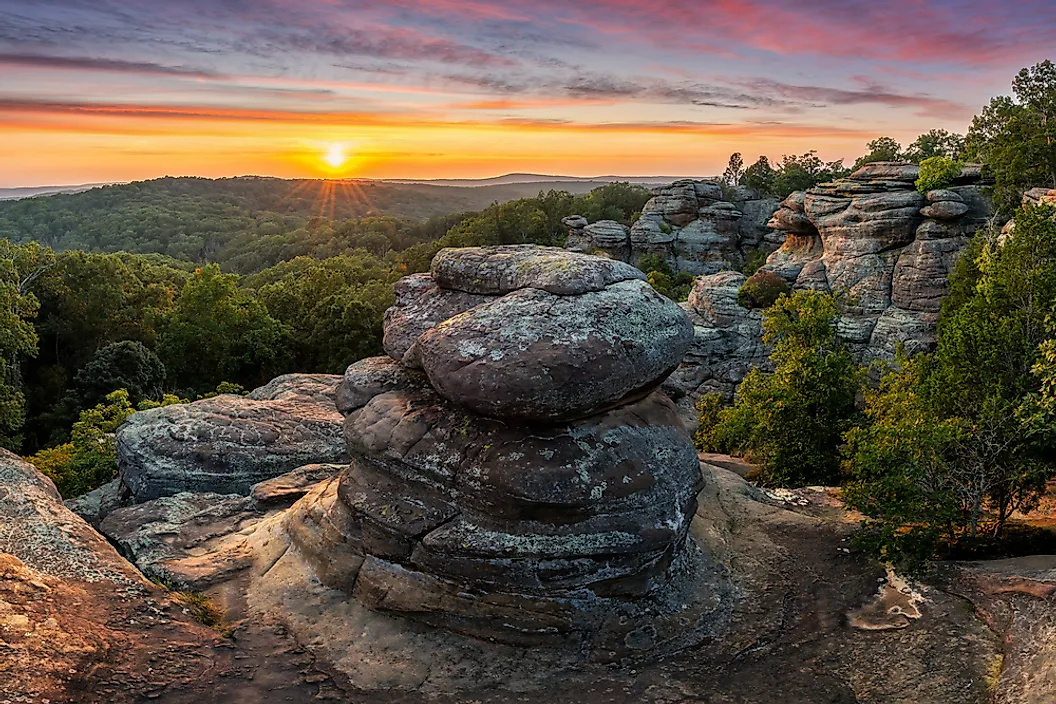
Forest Road 345, better known as Snake Road, separates limestone bluffs from LaRue Swamp in southern Illinois. Each fall, snakes cross that road toward winter shelters in the bluffs; in spring, the movement reverses. Timber rattlesnakes are among the species using this landscape, and they can share its rocky hibernation sites with cottonmouths and other snakes.
At LaRue-Pine Hills/Otter Pond Research Natural Area, cracks in the limestone lead into underground winter shelter, while the adjoining lowlands provide warm-season habitat for many of the migrating species.
The Forest Service closes a 2.5-mile stretch to vehicles during the spring and fall movements. Snakes cross individually at scattered times and locations, so the migration unfolds over weeks. The road remains open to pedestrians during the seasonal closure, and visitors are asked to stay on the gravel and give crossing animals space.
Allegheny National Forest, Pennsylvania

Male timber rattlesnakes in Allegheny National Forest may travel more than two miles to feed and find mates, then return to their winter dens in fall. Their seasonal range extends through a plateau cut by valleys, with exposed rock interrupting the wooded slopes. For timber rattlesnakes, a winter retreat commonly follows a fissure in bedrock or a passage beneath fallen rock. The usable space must extend below the frost line. Nearby exposed surfaces provide basking areas before the snakes disperse in spring and as they gather again in fall.
Allegheny's 2007 forest plan calls for a 450-foot protective buffer around known dens and basking areas. The plan recommends keeping new roads and trails outside that buffer and leaving rocks larger than two feet in diameter undisturbed. It also addresses excessive soil compaction at den sites, recognizing that disturbance to the ground can affect the shelter underneath.
Monongahela National Forest, West Virginia

Winter dens in Monongahela National Forest are part of a larger rocky habitat used by timber rattlesnakes through the year. West Virginia's only rattlesnake species occupies mountain country with talus slopes, where fallen rock creates sheltered gaps. Underground retreats protect snakes during winter, while exposed rocks offer places to bask during the active season.
In 2018, wildlife officers recovered 17 timber rattlesnakes from a private home after investigating their removal from the national forest. The snakes were returned to dens near their capture locations.
Other rock sites have a different seasonal purpose. In July 2016, six structures were built in the forest specifically to provide timber rattlesnake basking and birthing habitat. By the following spring, snakes had been observed using all six.
A rattlesnake den needs more than depth. Washington wildlife officials explain that winter shelters must retain enough moisture without becoming too wet, and they need adequate ventilation. Nearby basking ground also matters during the weeks around winter dormancy. In the eastern forests, a timber rattlesnake may spend the summer well away from its den, then follow familiar routes back as temperatures fall. Roads across those routes expose moving snakes to traffic, which is why Shawnee's seasonal closures protect the passage between the bluffs and lowlands. Keeping a winter shelter usable requires leaving its rock and underground spaces intact, along with access to the feeding habitat beyond it.