The 6 Best Coastal Towns to Retire In California
Retiring on the California coast is not just about a view. The town has to make daily life workable with health care close by and housing costs that can be explained. It has to hold up year-round after the vacation crowd leaves. The state average home value is $775,550, so the best retirement towns are not always the cheapest. The six below run north to south and each has direct water access plus a case for retirees that goes past the postcard.
Crescent City

Crescent City is one of the few California beach towns where the housing costs still sit far below the state average, at around $366,000. That number is unusual on this coast, and it is the reason the town lands on retirement lists. The waterfront is part harbor, part beach, and part redwood-edge shoreline. Crescent City Harbor gives residents a working marina, seafood stops, and a place to walk near the water. Battery Point Lighthouse is reachable at low tide and anchors the shorefront. Sutter Coast Hospital handles the medical side as a 49-bed acute care hospital serving Del Norte County and nearby Curry County, Oregon. Crescent City has a long tsunami history, however, and the state's tsunami hazard maps should be part of any home search near the water. For retirees who want a real Pacific coastline without a seven-figure housing bill, this town gets the number right but the risk map matters.
Eureka

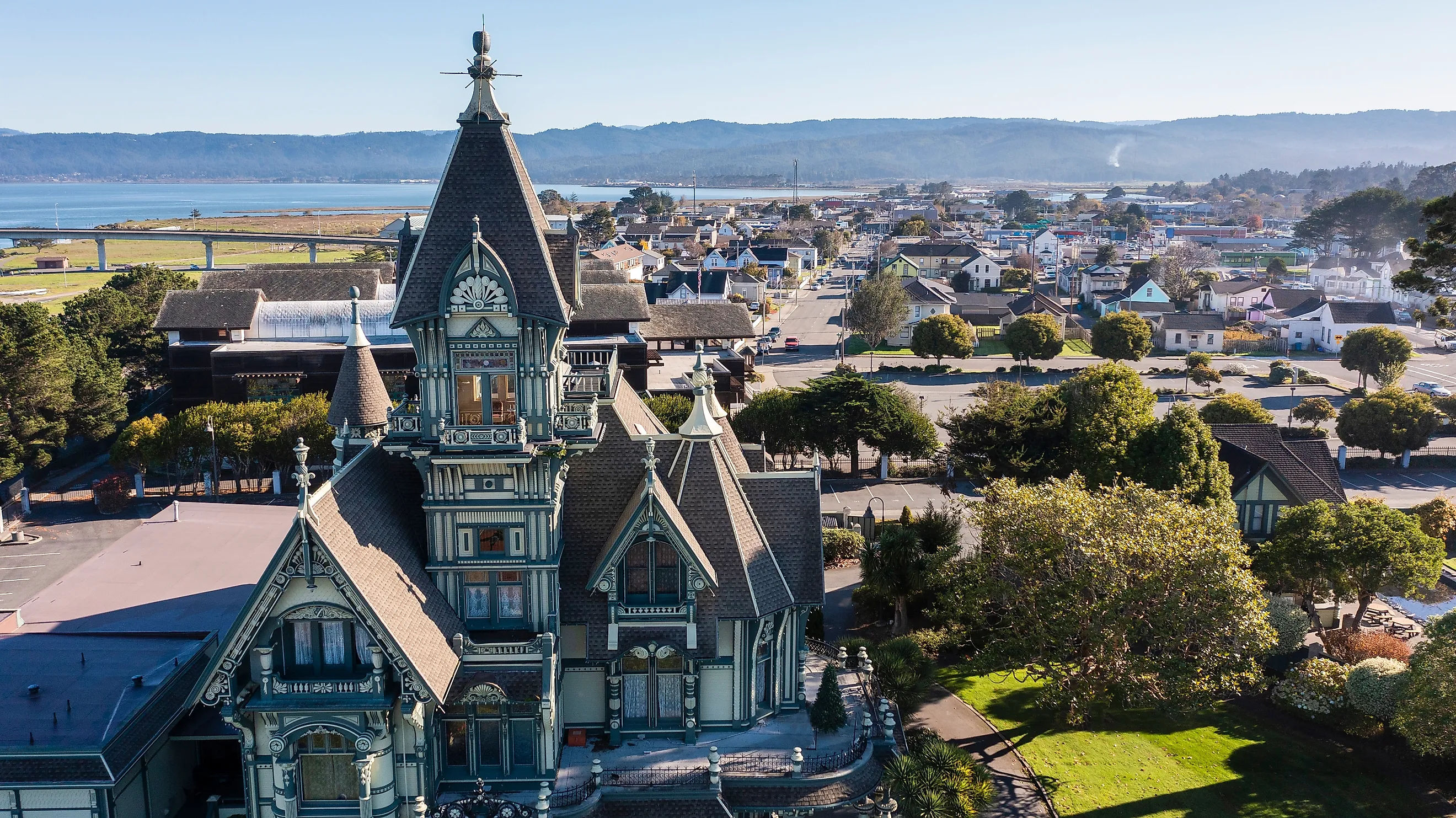
Eureka sits on Humboldt Bay, and the waterfront is not a resort beach scene. It is docks, marsh, working boats, and cool coastal air. Home values sit at about $418,000, still well below the California average. Old Town Eureka runs the walkable historic district with shops, restaurants, and one of the best-preserved Victorian commercial cores in the state. The Eureka Waterfront Trail keeps the bay part of everyday exercise. Providence St. Joseph Hospital Eureka handles the medical anchor as a 138-bed general acute care hospital, and Humboldt Senior Resource Center runs programs, nutrition services, and activities out of its Eureka location. The trade-offs are weather and distance. Eureka is damp, cool, and far from the state's larger metros, but for retirees who value cost, medical access, and a working bayfront, it holds more substance than many prettier options.
Fort Bragg

Fort Bragg has a hospital in town and a housing market that still sits well below many California beach communities. Home values run about $576,000, below the state average and far below much of the coast south of the Bay Area. The town's shoreline is not a single beach. It is a mix of coves, bluffs, trails, harbor, and working coast. Noyo Harbor brings fishing boats, restaurants, and river-mouth views into daily life. Glass Beach and MacKerricher State Park handle the walking-and-tide-watching side. Adventist Health Mendocino Coast serves the corridor as a 25-bed critical access hospital, and larger specialty care means trips inland. Even with that limitation, Fort Bragg gives retirees a rare Mendocino Coast setup with ocean, medical care in town, and enough infrastructure for year-round life.
Morro Bay

Morro Bay's retirement pitch is what daily life looks like around the harbor. Morro Rock, the Embarcadero, fishing boats, waterfront restaurants, and the bay itself keep the ocean close without requiring every outing to be a beach day. Home values run about $952,000, well above the state average, so the numbers demand a plan. What Morro Bay delivers for the higher price is a strong older-adult network. Morro Bay Active Adults 55+ operates out of the Morro Bay Senior Center with fitness, education, and social programs. Medical access is stronger than the town's size suggests because San Luis Obispo is close with French Hospital Medical Center and other regional facilities. Morro Bay State Park keeps the low-impact outdoor time available without a strenuous hike. The daily retirement rhythm is hard to duplicate at any price.
Grover Beach

Grover Beach is one of the more practical Central Coast options because it gives residents actual beach access and a home value close to the California average rather than far above it. The typical home runs about $776,000, essentially in line with the state number. Pismo State Beach and the Oceano Dunes State Vehicular Recreation Area sit right at the edge of town. Grover Beach also has an Amtrak station, which is unusual for a Central Coast retirement pick and useful for anyone who wants alternatives to long drives. Dignity Health-Arroyo Grande Community Hospital handles emergency care, rehabilitation, cancer care, and surgical services close to town. The trade-offs are the coastal fog, wind, and visitor traffic, but the combined beach access, transportation, and hospital proximity make the price point defensible.
Port Hueneme

Port Hueneme combines beach access, lower coastal Southern California housing costs, and an established 55-plus presence. Home values sit at about $628,000, well below much of Ventura County and the Los Angeles-area coastal markets. Port Hueneme Beach Park runs a pier, sand, walking space, and picnic areas with direct shore access, and the city's flatter layout makes everyday movement easier than in the hillier coastal towns. The Orvene S. Carpenter Community Center runs programs for adults 50 and older, and Hueneme Bay is an established 55-plus community with attached homes and low-maintenance living. Medical access is close with St. John's Regional Medical Center in nearby Oxnard. Coastal flooding, sea-level exposure, and insurance costs near the water need to be part of the budget, but for retirees looking for Santa Barbara-area weather without Malibu prices, Port Hueneme is one of the clearest values on the Southern California coast.
What Each Coast Offers Retirees
Coastal retirement in California is not selling one version of the same life. Crescent City and Eureka give lower home values and North Coast medical anchors, but they ask retirees to be comfortable with distance, damp weather, and tsunami planning. Fort Bragg pairs a small-town coast with a hospital in town. Morro Bay carries the higher price with strong senior programming and a highly usable harbor. Grover Beach and Port Hueneme land the Central and Southern coasts at prices easier to explain than the famous coastal markets, with beach access and hospitals close by. A workable retirement coast needs a real shore, a clear medical plan, everyday services, and honest trade-offs around cost, weather, insurance, and risk. The view matters, but it is only one part of the decision.