8 Towns On The Pacific Coast That Are Ideal For Seniors
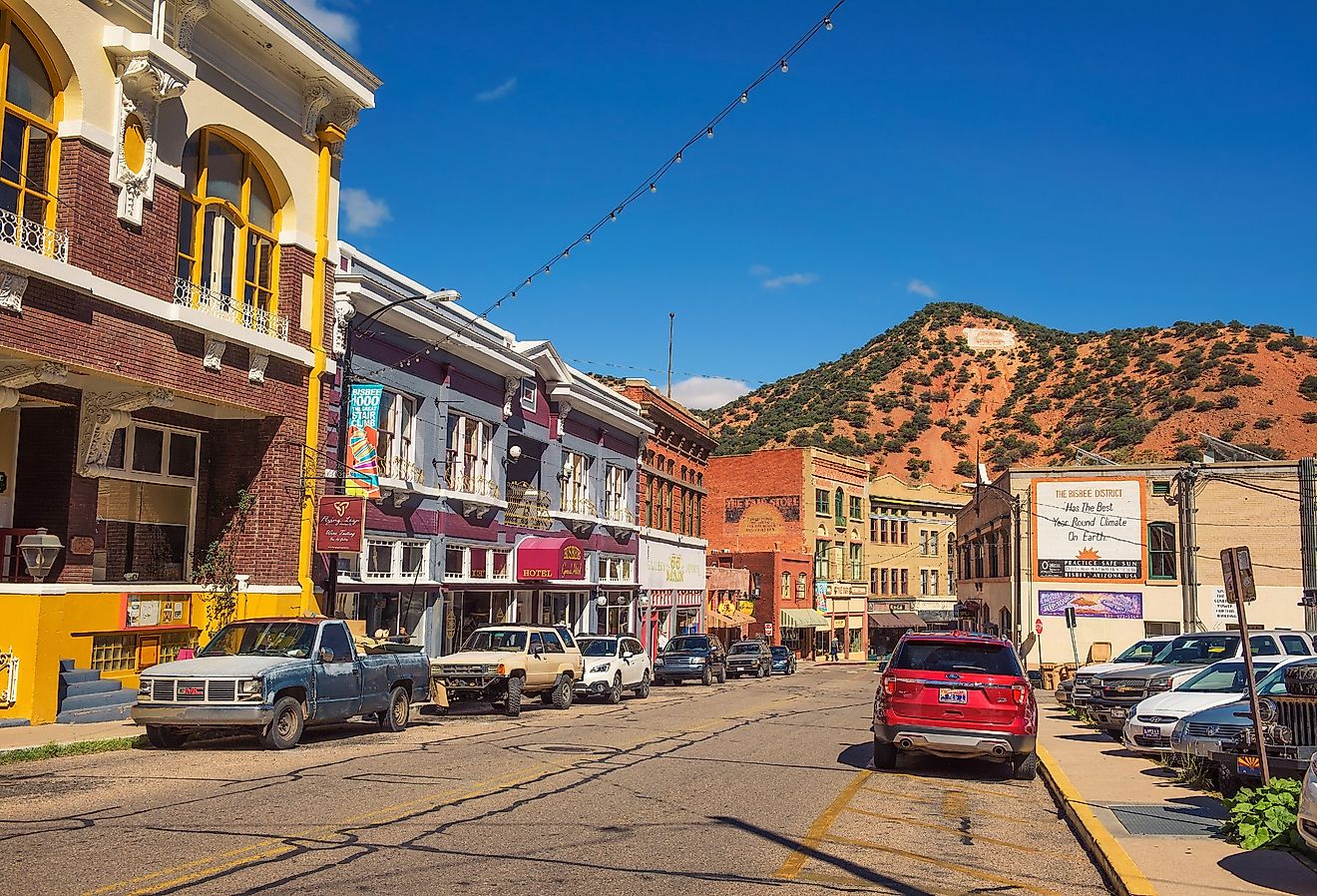
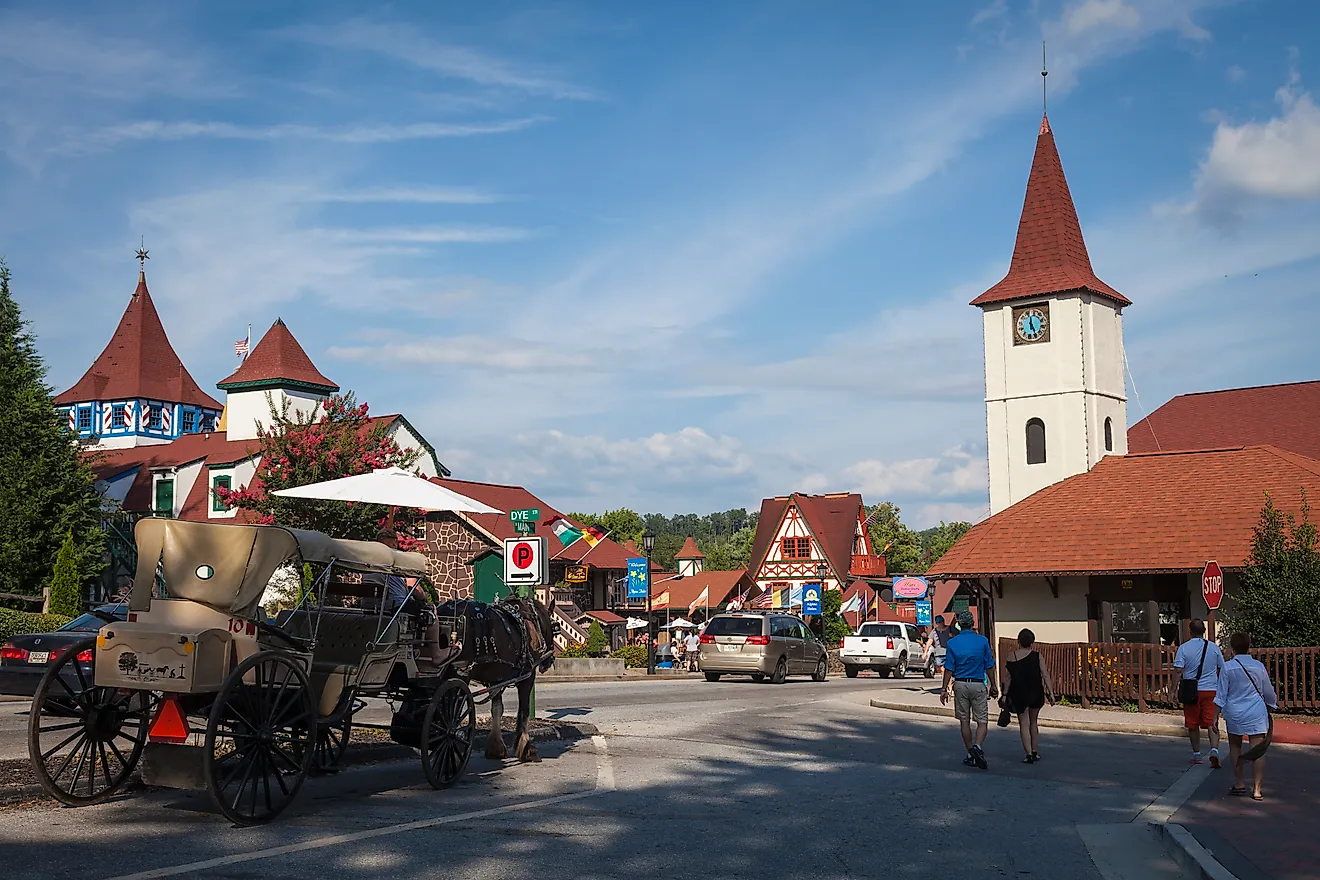
Port Townsend's Victorian downtown is flat and close to the water, an easy walk to the shops and the waterfront. That kind of short walk matters more in a retirement town on this coast than any view from the deck. Mild weather helps, and so does a hospital or a ferry within reach. Down the Pacific edge through Washington, Oregon, and California, small coastal towns offer that same ease, mild days, level ground, and the ocean a few blocks from the door. There are many of them, working harbors and quiet resort towns alike, each one a place where a retiree can settle close to the water with good company.
Port Townsend, Washington

Port Townsend is a Victorian seaport at the northeast tip of the Quimper Peninsula, and much of its 1880s downtown is still standing along Water Street. The uptown lies on the bluff above, so residents can walk the flat lower town for shops, the library, and the Saturday market, then climb to the houses above.
Two miles north, Fort Worden takes up 433 acres of old coastal-artillery ground with about two miles of beach along Admiralty Inlet, plus the Centrum arts programs, with workshops and concerts through the year, some in a 1,200-seat hall housed in a former blimp hangar. Washington charges no state income tax, which matters to anyone living on a fixed one. The weather is mild and gray, rarely freezing and rarely hot.
Carpinteria, California

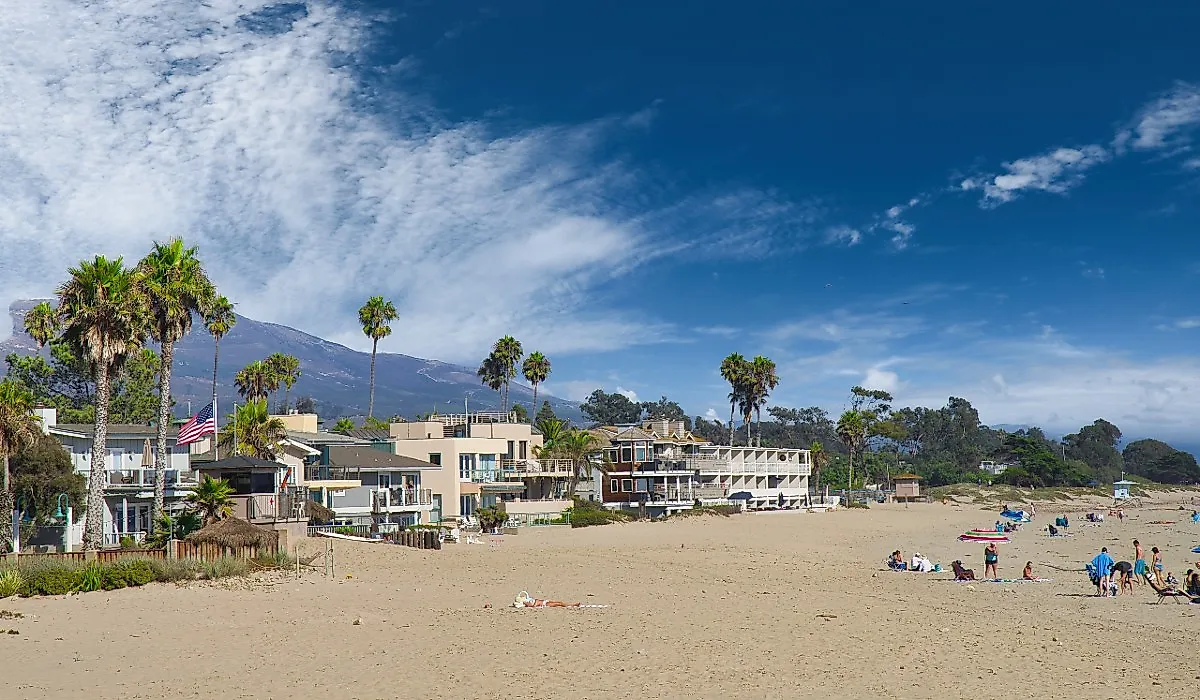
Carpinteria lies on the coast between Santa Barbara and Ventura, close enough to Santa Barbara for its hospitals and museums but far enough to remain quiet and cheaper. The downtown along Linden Avenue is a few flat blocks that end at the sand, with an Amtrak stop right in town for anyone who would rather not drive to Los Angeles.
Carpinteria State Beach has a gentle, shallow shelf and calm surf, which the town has long advertised as some of the safest swimming on the coast. The Carpinteria Valley Museum lays out the local history, and the Avocado Festival takes over downtown for a weekend every October. Winters are mild, and the beach is walkable year-round.
Seal Beach, California

Aerial view of Seal Beach, California
About 30 miles south of Los Angeles, Seal Beach has a small-town Main Street of three short blocks that ends at a wooden pier, one of the longest on the California coast. Old Town around it is flat and walkable, with a Tuesday farmers market and enough shops and cafes for a morning's walk.
The town is best known among retirees for Leisure World, a large gated community developed for older residents in the 1960s that still houses thousands of them. Just inland, the Seal Beach National Wildlife Refuge protects salt marsh on the Navy's grounds, open to the public only on scheduled tours. The Pacific here is calm and the winters warm.
Ocean Shores, Washington

Jetty at Ocean Shores, Washington.
Ocean Shores spreads across the Point Brown Peninsula, where the town laid out roughly 23 miles of freshwater canals and lakes behind six miles of open Pacific beach. Retirees can drive or walk the hard sand at low tide, fish the North Jetty, or paddle the inland canals from their own back doors.
The flat, 1.2-mile Weatherwax Trail loops through the town woods for an easy outing. Winters are wet and windy off the ocean, and the crowds arrive in summer and for the Irish music festival in spring. Washington's lack of a state income tax helps a fixed budget here as it does in Port Townsend.
Montecito, California

Montecito is one of the wealthiest towns on this coast and makes no secret of it, with hillside estates above Santa Barbara that sell in the millions. For a retiree who can afford it, the appeal is quiet coastline and a real city ten minutes away. Butterfly Beach and Miramar Beach are usually uncrowded, and the Hot Springs Trail climbs the front range to old stonework and a view of the Channel Islands.
There is a real hazard to weigh here, though. In January 2018, debris flows tore off slopes that the Thomas Fire had burned bare a month earlier and killed 23 people in Montecito, and the fire and mudslide risk in these canyons is a permanent part of the calculation.
Lincoln Beach, Oregon

Lincoln Beach is barely a town, a stretch of quiet houses and small parks along the Oregon coast between Depoe Bay and Gleneden Beach, just south of Lincoln City. Two state recreation sites bracket it. Gleneden Beach gives easy access to a wide sandy beach, and Fishing Rock offers a headland and tide pools for a slow morning.
Oregon charges no sales tax, a steady help on a fixed income, and the larger services, groceries, a hospital, and assisted living, are a few miles up the road in Lincoln City. The coast here is cool and rainy in winter, and the pace does not change much when summer comes.
Morro Bay, California

Morro Bay grew up around a 576-foot volcanic rock at the mouth of its harbor, the last in a chain of old volcanic peaks on the central California coast. The town lies along the Embarcadero, a flat waterfront street of fish markets, cafes, and galleries that a person can manage on foot, with a summer trolley for the days when walking is too much.
Behind it, the Morro Bay estuary spreads across protected water that the Audubon Society rates among the best birding in the country, and sea otters float in the kelp near the rock. The mild climate is the real appeal for older residents, with warm winters, cool summers, and little that turns extreme in either direction. San Luis Obispo and its hospitals lie about twelve miles inland on Highway 1.
Avalon, California

Avalon is the only real town on Catalina Island, 26 miles off the mainland, and almost no one there owns a car. Residents get around by golf cart and on foot, which suits older knees and leaves the streets quiet.
The waterfront curves along Crescent Avenue past the 1929 Casino, a round Art Deco landmark with what is often called the largest circular ballroom in the world, and the seafood places look out on the harbor. A ferry connects the island to the mainland in about an hour for appointments and supplies. The catch is isolation and cost, since everything arrives by boat, but for a retiree who wants a slow, walkable place with mild weather and no traffic, Avalon delivers.
What Makes a Good Place to Grow Old
The right coast town for later life is less about scenery than about distance. Carpinteria and Seal Beach put a grocery, a train, and a beach within a few flat blocks. Ocean Shores and Lincoln Beach trade a big-city hospital for cheaper ground and no state tax, one in Washington and one in Oregon. Montecito and Avalon ask real money, and in Montecito's case real risk. The common thread is a short, level walk to the water and to other people, which is what lasts once the driving years end.