The 10 Friendliest Little Towns In Illinois
In Galena, a shop owner walks you through which local jam to take home. In Metropolis, a Superman fan happily explains the whole town to you. In Arthur, a roadside farm stand comes with a real conversation. These towns each have their hook: a windmill or a world-record rocking chair or an Amish settlement. But the curiosities just get you in the door. What brings people back is how it feels to be there. Here are the friendliest little towns in Illinois.
Galena

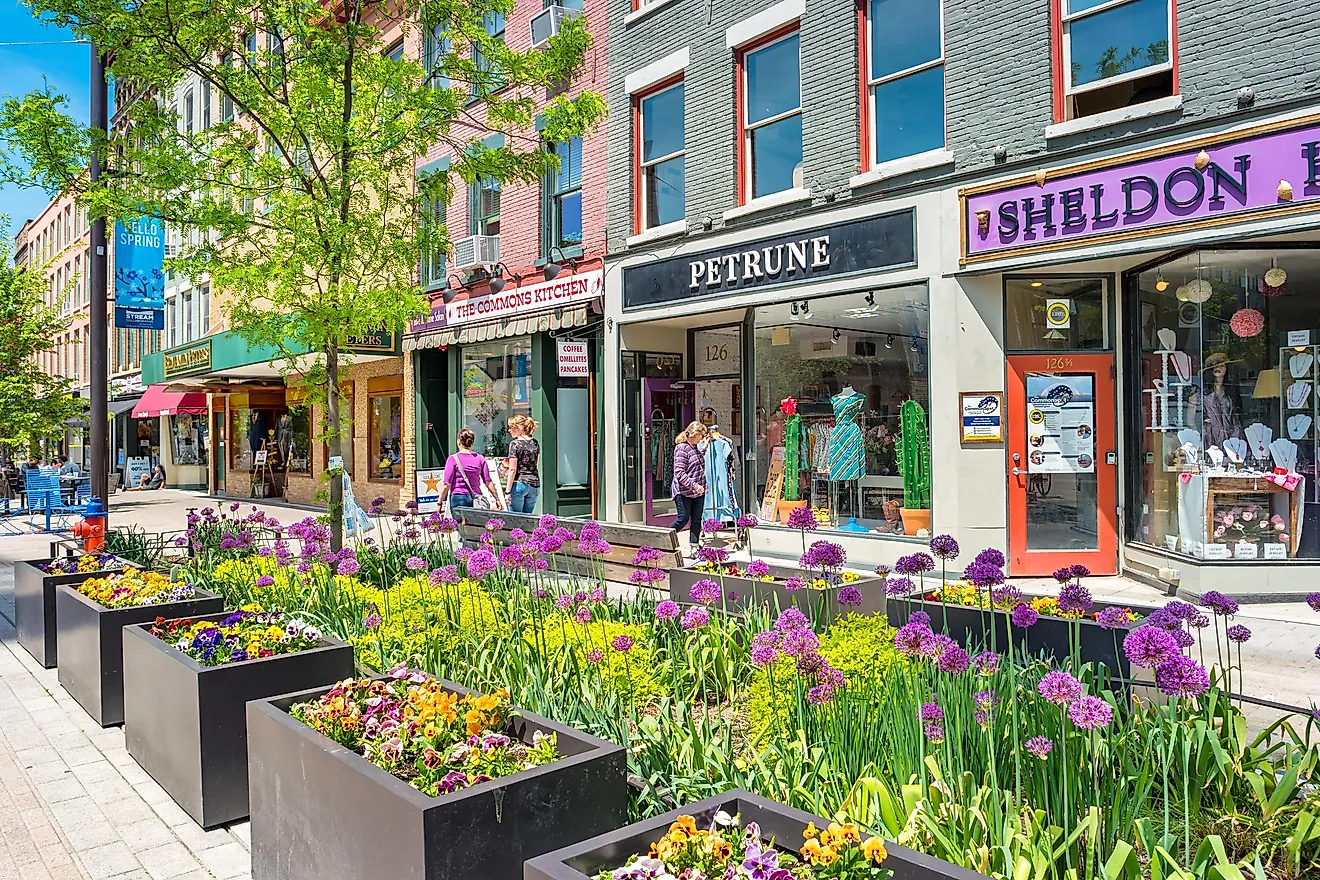
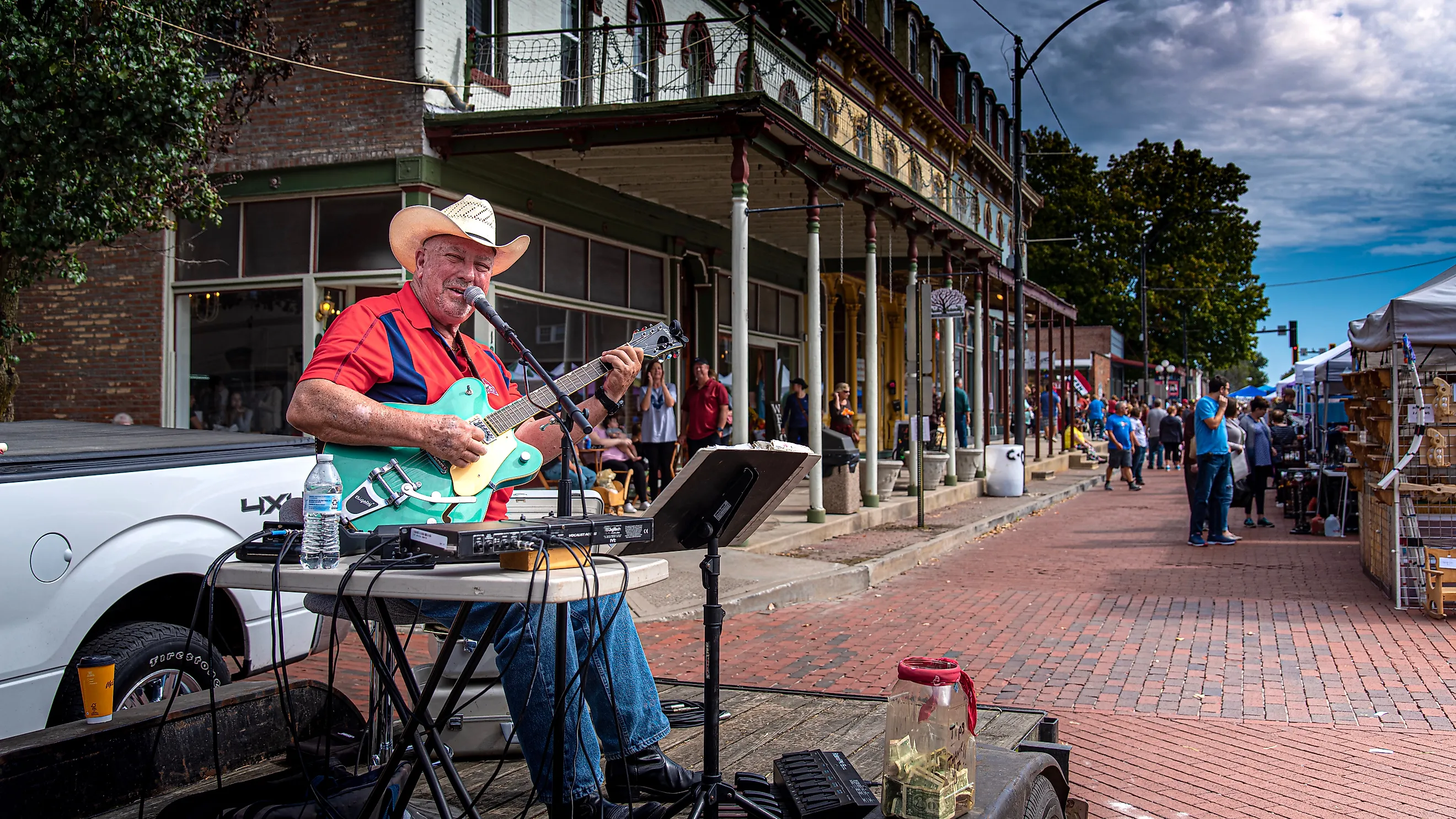
Galena feels less like a typical small-town stop and more like a hilly getaway, with 19th-century brick storefronts, a winding river below, and views that stretch into three states if you know where to look. Start outside the center at Horseshoe Mound Preserve, where the outlook reaches toward Illinois, Iowa, and Wisconsin on a clear day. From there, head down into town and let Main Street do the work: brick-lined blocks, plenty of shops, and Galena Canning Company for jams, salsas, and Illinois-made pantry goods worth hauling home. History shows up in a few forms here. The Ulysses S. Grant Home brings the Civil War era into focus as the residence presented to Grant in August 1865, while Blaum Bros. Distilling Co. offers a more spirited kind of education through tours and tastings. Come autumn, Grant Park becomes the setting for the Galena Country Fair, with juried artists, craft vendors, and food booths filling the grounds.
Nauvoo

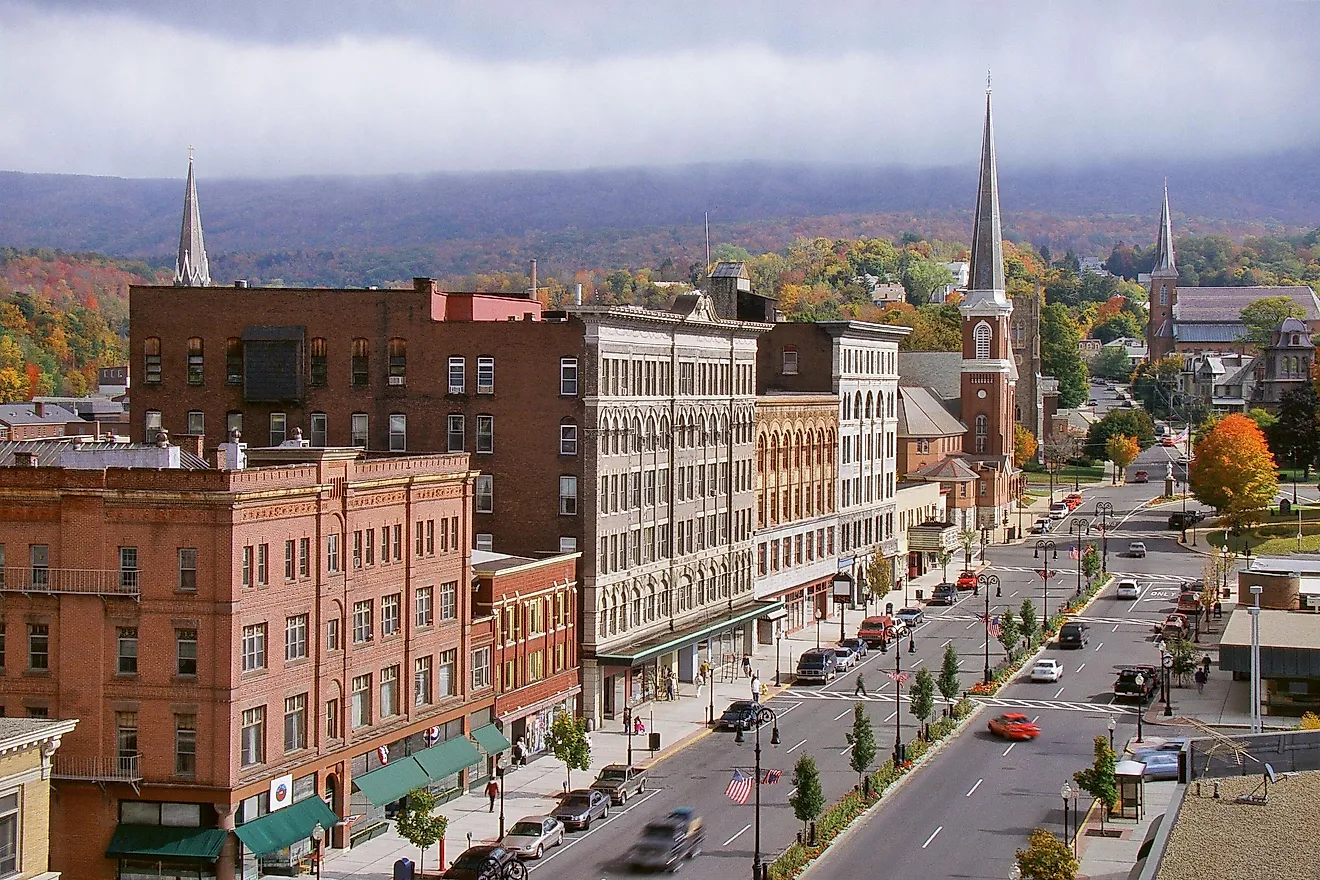
Nauvoo sits on a broad bend in the Mississippi, quiet enough that the details start to stand out: antique masonry, unhurried lanes, and the Nauvoo Illinois Temple anchoring the skyline. A good first move is Nauvoo State Park, where a lake, trails, and river views give you room to settle in before the history kicks in. There is quite a bit of it. The town's 1840s story runs through restored homes, working workshops, and hands-on demonstrations connected to its Latter-day Saint past. The Joseph Smith Historic Site fills in more of the picture with guided tours of the Homestead, Mansion House, and reconstructed Red Brick Store. When you are ready for something lighter, Baxter's Vineyards, founded in 1857, has been pouring at its tasting room long enough to qualify as a landmark. Each year the Nauvoo Grape Festival brings parades, pageants, vendor booths, and enough activity to make the town feel like a different place entirely.
Bishop Hill

Bishop Hill is the kind of place you can cover on foot without much of a plan. The village green anchors everything, and the colony-era buildings clustered around it make the town's 1846 utopian-settlement history feel approachable rather than museum-distant. The Bishop Hill State Historic Site includes the Colony Church and Bjorklund Hotel among its landmarks, while the Bishop Hill Heritage Association Museum gets more granular with art, tools, documents, and immigrant-history exhibits that explain how the community came together in the first place. Shopping here leans into the Scandinavian identity. Hantverk Galleri carries folk art, textiles, and handmade pieces that fit the setting. During Jordbruksdagarna, the annual harvest festival, the village fills out considerably with craft demonstrations, live performances, food vendors, and agricultural exhibits that bring the old rhythms back, at least for a weekend.
Casey

Casey does not try to be subtle about what it is. Just off I-70, the town has built its identity around oversized roadside attractions, and the downtown cluster delivers exactly what it promises: the World's Largest Wind Chime, which guests can actually ring, and the World's Largest Rocking Chair nearby for the obligatory photo. Richards Farm Restaurant adds another stop, with the World's Largest Pitchfork standing close enough to the building that it is hard to miss. There is a bit more texture underneath all this. Casey sits on the National Road, one of the country's early highways, which gives the visit a loose thread of transportation history if you are curious. Time it right and the Casey Popcorn Festival layers on parades, live bands, and carnival rides. When you have had enough spectacle, Lincoln Trail State Park is a short drive east of town, with wooded trails, fishing areas, and a lake that offer a quieter way to finish the day.
Metropolis

Metropolis leans fully into its comic-book persona, and honestly, that is most of the fun. Superman Square is where things usually start. The 15-foot Superman Statue is hard to walk past, especially once you know the town holds official recognition from DC Comics as the Home of Superman. The Super Museum nearby expands the theme considerably, with comics, movie props, costumes, and decades of memorabilia filling the space. Each June, the Superman Celebration takes over the square with costume contests, fan gatherings, vendor stalls, and celebrity appearances that draw crowds from well outside the region. If you want a break from the superhero angle, Fort Massac offers a completely different register: Ohio River views, picnic areas, trails, and a reconstructed frontier fort with its own history to tell. Harrah's Metropolis Casino sits near the water for those who want to extend the stay with gaming, lodging, and on-site dining.
Arthur

You will notice the shift before you reach Arthur: horse-drawn buggies, farm stands along the roadside, and a pace that does not match the highway you just left. The town sits at one of the main gateways to Illinois Amish Country, and that context shapes the whole visit. Beachy's Bulk Foods is a practical favorite, stocked with baking supplies, candies, spices, and local food items worth picking through. For a deeper look at the Old Order community nearby, the Illinois Amish Heritage Center uses preserved farm structures and interpretive exhibits to explain traditions that are easy to observe but harder to understand without some background. Fall brings two draws that pull visitors from across the region: The Great Pumpkin Patch, with its expansive displays of pumpkins, gourds, and squash, and the Arthur Amish Country Cheese Festival over Labor Day weekend, where parades, cheese carving, tractor pulls, and market booths fill the schedule. Walnut Point is close enough to add trails, fishing, and lake access if you want to stay another night.
Elsah

Elsah sits beneath Mississippi River bluffs in a way that feels less like a discovery and more like a secret that got out slowly. Stone houses, masonry buildings, and narrow lanes make up most of the village, and much of it falls within the Village of Elsah Historic District, with Mill Street and LaSalle Street being the stretches worth walking most carefully. The Elsah Museum, housed in the former village hall, fills in the local history through photographs and exhibits for anyone who wants more than what the architecture offers on its own. Farley's Music Hall brings concerts and neighborhood programming into a 19th-century space, and the Historic Elsah Foundation keeps seasonal events on the calendar, including house tours and holiday gatherings. For travelers who want to stay inside the historic core rather than commute from somewhere else, the Green Tree Inn is right in the village and fits the surroundings well.
Lebanon

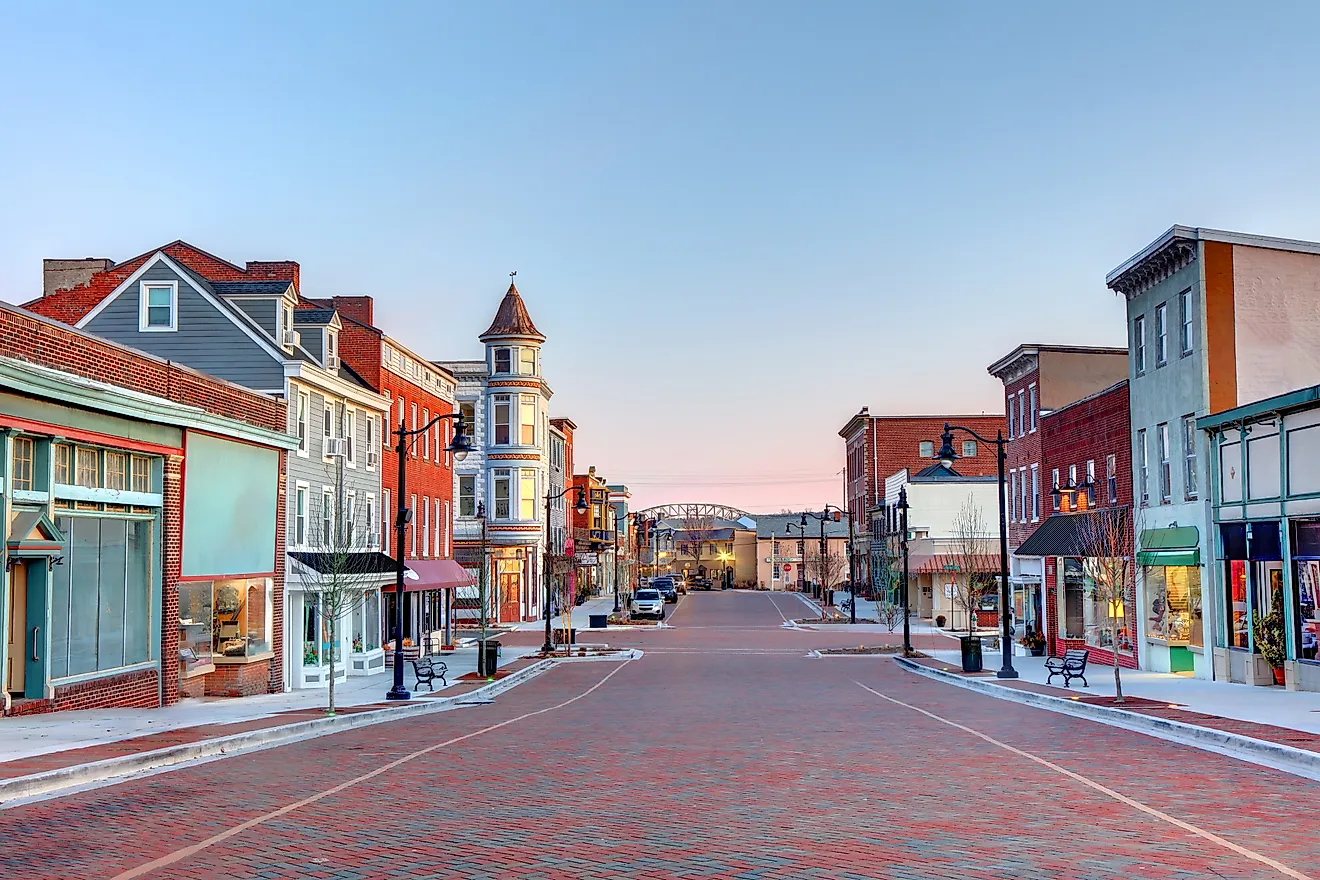
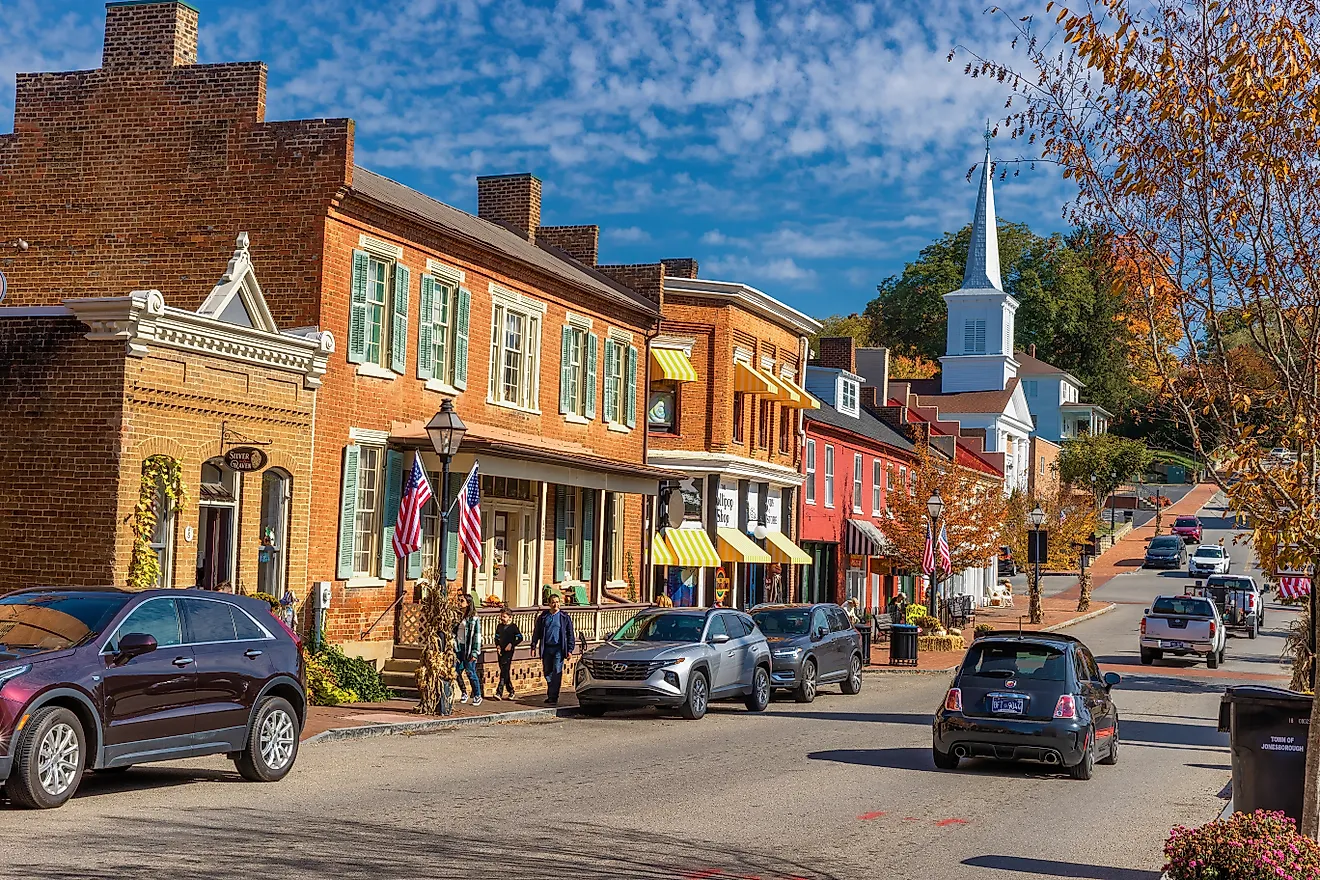
Lebanon has a few different things going on at once, and they layer together well. McKendree University gives the community one of its strongest anchors, with early academic halls, shaded lawns, and an institution founded in 1828 that holds the distinction of being Illinois's oldest college. The campus alone is worth a slow walk. Downtown, the Brick Street District preserves a brick-paved stretch of St. Louis Street that feels genuinely old rather than restored-for-effect. History gets a literary dimension at the Mermaid House, which Charles Dickens visited during his 1842 American tour, an odd detail that tends to stick with people. In spring, May Market brings vendors, food, and live performances through downtown, giving the streets a different kind of energy. When you want to slow down, Horner Park provides a relaxed outdoor option with a lake, walking paths, picnic areas, and athletic fields.
Mount Carroll

Mount Carroll has the bones of a classic courthouse community: a central square, preserved commercial blocks, churches, and 19th-century homes that hold up well together. Architecture is a genuine draw here. The Mount Carroll Historic District rewards anyone willing to walk or drive slowly enough to notice the Italianate details and civic structures that have not been smoothed over. For an outdoor break, Point Rock Park offers wooded trails, limestone outcrops, and valley views that feel a little wilder than the tidy downtown suggests. Summer visitors have good reason to add Timber Lake Playhouse to the itinerary, a professional theater southeast of town that tends to surprise people who were not expecting that level of production in a rural setting. Raven's Grin Inn pulls things in a stranger direction, operating as an eccentric haunted-house experience inside a vintage building that has developed its own cult following. Mount Carroll Mayfest ties things together each year with live performances, maker booths, a parade, and plenty of time on the downtown streets.
Fulton

Fulton sits along the Mississippi across from Clinton, Iowa, and its Dutch heritage is not hard to find. De Immigrant Windmill, built in the Netherlands and reassembled beside the water, announces itself from a distance and serves as the town's most recognizable landmark. The Windmill Cultural Center next door adds some depth, with model windmills from countries around the world making it a worthwhile stop before or after a walk along the shoreline. Heritage Canyon shifts the focus to local history through a wooded, 12-acre recreated 1800s village where the period-style structures feel lived-in rather than staged. The Great River Trail passes through town for cyclists and walkers looking to stretch the visit, and Steam Anchor Coffee & Café handles the practical matter of coffee, pastries, and sandwiches when you need a break. During the Fulton Dutch Days Festival, the town puts its heritage front and center with costumes, live entertainment, parades, and Dutch cultural programming that draws visitors from across the region.
Where Small Towns Outdraw the Big Cities
What makes these Illinois towns worth seeking out is not just the windmills, the superheroes, or the world-record rocking chairs. It is the feeling you get walking their streets, where locals wave from porches, shop owners remember your name by visit's end, and strangers become conversation partners over coffee. Small-town warmth is the whole point. Come for the curiosities, stay for the community, and leave already planning your return.