Nicest Small Towns To Visit Near Indianapolis
The capital sits near the geographic center of Indiana, which puts small towns in every direction within an easy drive. Head northwest and step inside Crawfordsville's Rotary Jail Museum, where a Victorian exterior hides a set of cells that still turn on their gears. Go south to climb the unglaciated hills of Brown County State Park outside Nashville. Due west, cross the spans that made Parke County and its seat, Rockville, the Covered Bridge Capital of the World. Southeast, wander the 133 blocks of Madison's historic district, the largest in the state. These eight small towns are among the nicest places to visit near Indianapolis, and each one makes for an easy escape from the city.
Franklin

Franklin is around half an hour south of Indianapolis, and is worth every minute of the drive. It anchors Johnson County's Festival Country, a tourism region named for the hundreds of events held across it each year. In the fall, Franklin hosts the Franklin Fall Festival and the Fall Vintage & Handmade Fest, where vendors sell homemade goods in the downtown area. The town also brings together lovers of beer and wine for its Hops & Vines Festival, held in September and featuring live music. Beyond festivals, Franklin honors its history dating back to its founding in 1823, a mere 7 years after Indiana became a state, at the Johnson County Museum of History. Historic Home Tours offer a peek into the town's past with stops ranging from the former Bethel African Methodist Episcopal Church to the Historic Artcraft Theatre.
Crawfordsville

Crawfordsville has one of the most unusual structures in Indiana. From the outside, the Rotary Jail Museum resembles a Victorian mansion, with a mixture of Romanesque and Italianate architectural styles. Once inside, one will find a rotating set of jail cells controlled by gears. This jail opened in 1882 and is the only jail of its kind in the country that still rotates. That's not the only historically significant place in Crawfordsville, however. It was also the home of General Lew Wallace, a Union General during the American Civil War and the author of Ben-Hur: A Tale of the Christ, adapted into the 1959 film starring Charlton Heston. The General Lew Wallace Study & Museum is worth checking out just for its blending of Romanesque, Greek, and Byzantine styles. Lastly, Crawfordsville is close to Shades State Park, with trails that wind through sandstone canyons.
Nashville

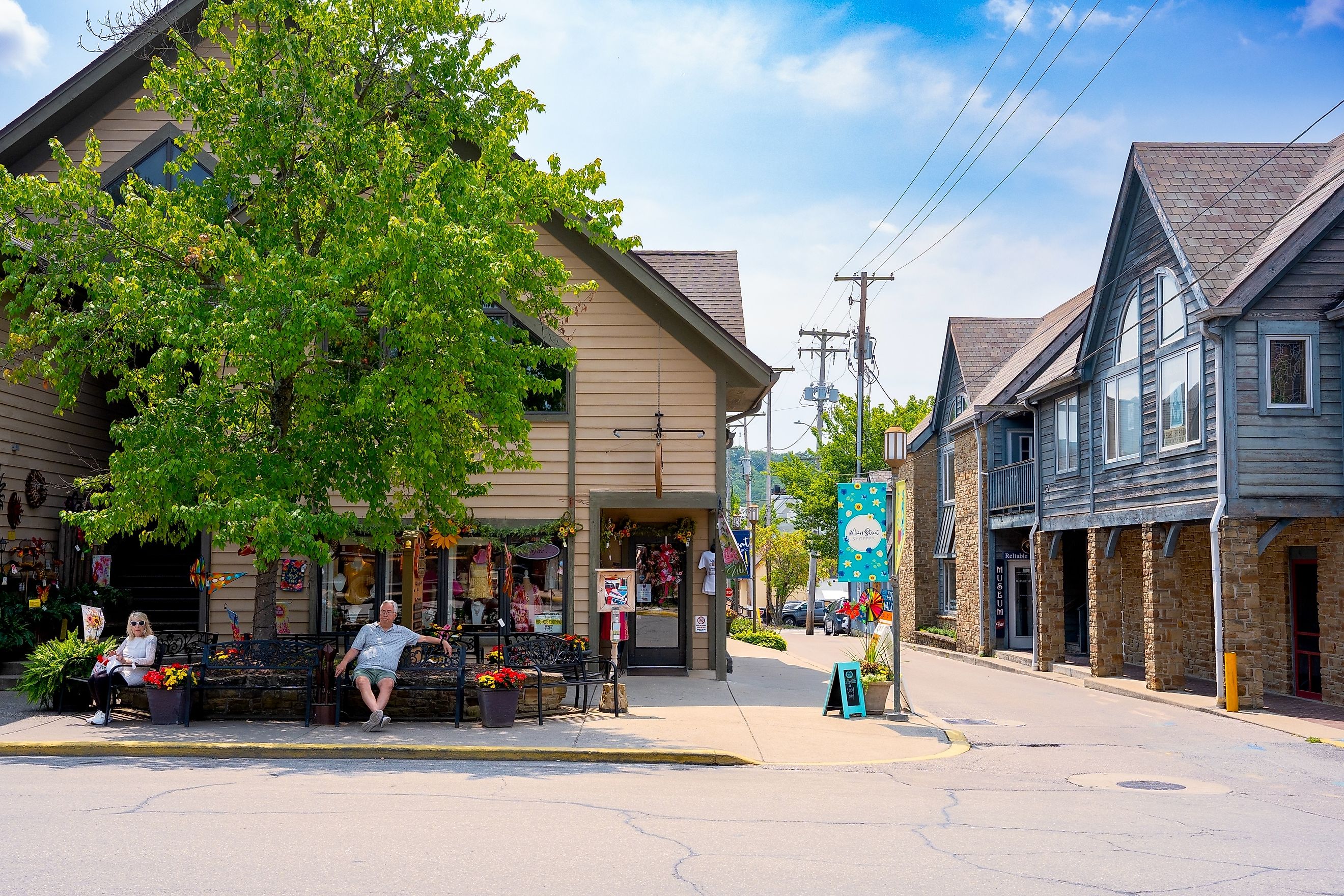
Nashville is a geologically unusual place. Unlike the rest of Indiana, it was not flattened by melting glaciers at the end of the last Ice Age. As a result, it still has steep prehistoric hills within the Brown County State Park, including the 1,058-foot-tall Weed Patch Hill. The park is often called the Little Smokies because of the heavy fog that often covers the hilltops. The town of Nashville itself is an art and craft lovers' dream, with local art and crafts available for viewing and purchase from the Brown County Craft Gallery and the Brown County Art Guild. The town was also home to nature lover and landscape painter T.C. Steele, whose home is nestled in the woods as part of the T.C. Steele State Historic Site.
Logansport

Logansport is a great spot for kids and the young at heart. Situated between the Wabash River and its tributary, the Eel River, one of its most cherished attractions is the Cass County Dentzel Carousel. Constructed in the early 1900s, this carousel has operated for over 100 years and is on the National Register of Historic Places. Logansport also maintains a piece of 1960s nostalgia with the Fiberglass Freaks' Batman Museum. This museum has props, Batmobiles, and memorabilia from the 1966 Batman show starring Adam West, along with rare comics and toys. Other than these spots, Logansport has a highly rated trail that winds along the Wabash River on the Little Turtle Waterway, offering views of Biddle Island on the river. Logansport has several brewing companies in its downtown area as well, including the Science Project Brewing Company & Pizza Lab, which has won accolades for its sour ales.
Rockville

Just under an hour and a half drive from Indianapolis is the Covered Bridge Capital of the World. Rockville is the seat of Parke County, which is known for having the largest known concentration of covered bridges in the world. Just to the east of the town center is the Billie Creek Village, which contains three covered bridges dating to the late 1800s to early 1900s, including the Billie Creek Bridge. This village itself is a collection of 19th-century buildings brought from across Indiana to represent what the state used to look like, including an old general store and doctor's office. Rockville is similar to Crawfordsville in that its jail is also a tourist attraction. The Old Jail Inn makes for an unforgettable stay, as guests can dress up in a cellmate's clothing or head down to the Drunk Tank Winery in the inn's basement.
Wabash

Named after one of Indiana's longest rivers, Wabash was the site of several momentous events in Hoosier history. First, in 1826, the Potawatomi and Miami peoples signed over the land north of the Wabash River to settlers. The treaty grounds, along with log cabins, historic markers, and trails, are part of the Paradise Springs Historical Park. Secondly, Wabash was the first city to be lit up with electrical carbon-arc lights on March 31, 1880, atop the Wabash County Courthouse. The relationship between settlers and Native Americans was complex, as is shown at the Frances Slocum Cemetery, named after a woman who was captured by the Delaware Tribe in 1778 but later married a Miami chief and is buried in Wabash today. In addition to historic places, Wabash offers shows and art exhibitions at the Honeywell Center, while the Charley Creek Gardens provide a peaceful botanical garden stroll.
Madison

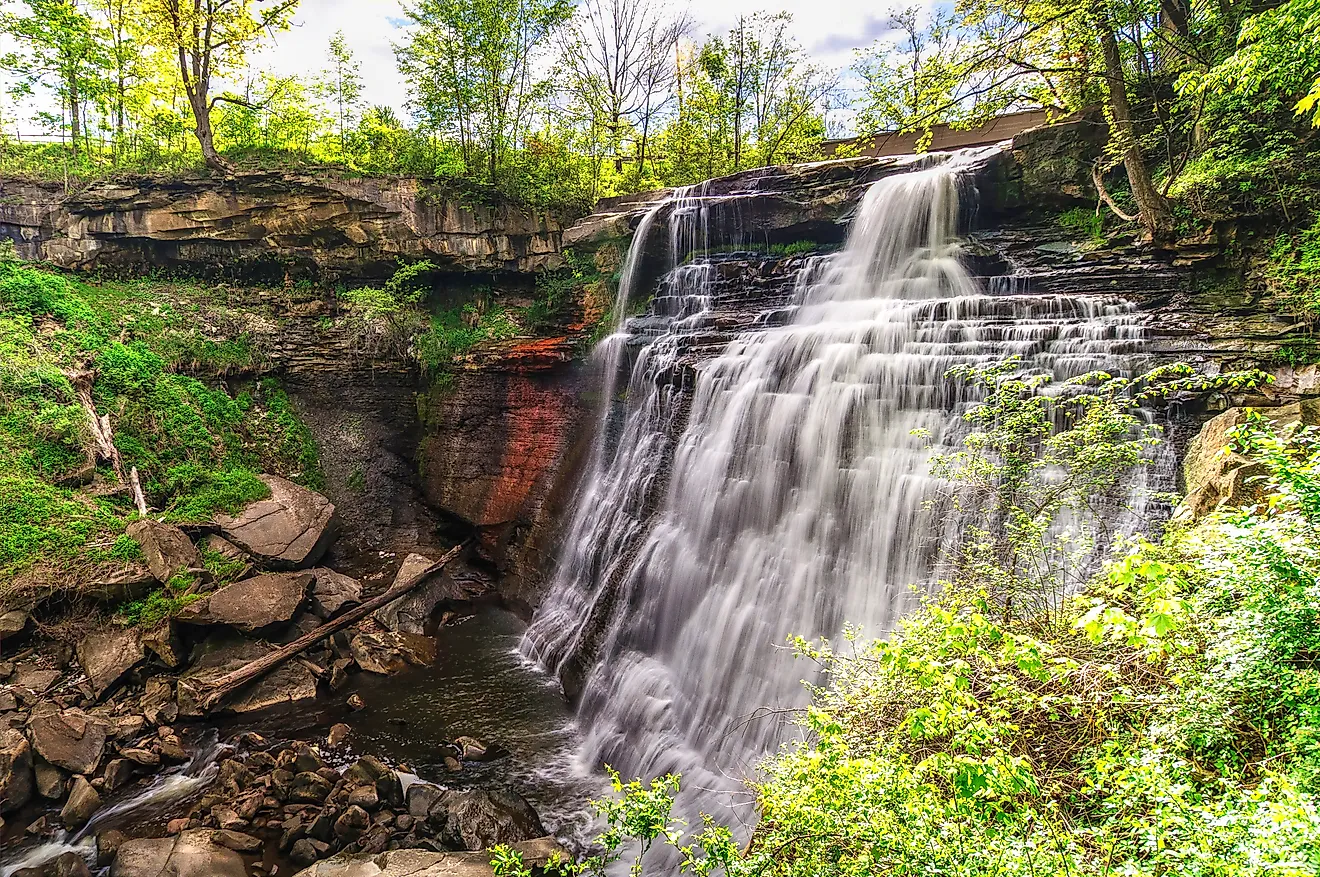
Just under a two-hour drive from Indianapolis, Madison has the largest contiguous historic district in the state, spanning 133 blocks. This district includes rare structures, such as the Schroeder Saddletree Factory Museum, used to make wooden parts for horse saddles in the 19th century. One can also discover Madison's history of antislavery advocacy at the Historic Eleutherian College, ten miles north in Lancaster, established in 1848 to combat slavery and later to educate freed African Americans. Madison is also attractive for its waterfall hikes at Clifty Falls State Park. There are four visible in the park, alongside ancient fossil beds hidden in the bed of Clifty Creek. Most of its trails are rugged, but the park recently installed an ADA Track Chair to allow those with mobility challenges to see the park.
New Albany

New Albany is one of Indiana's best river towns. Located in southern Indiana on the Ohio River, its Main Street is known locally as Mansion Row. Estates include the bed-and-breakfast Pepin Mansion and the Culbertson Mansion State Historic Site, built in the late 19th century in the Second Empire style. It is open for tours and as a haunted house attraction during Halloween. Speaking of Halloween, New Albany comes together each fall for its Harvest Homecoming Festival, featuring food, crafts, and activities downtown. New Albany keeps cultural and historical artifacts at the Cultural Arts Center, including those related to its history as a stop on the Underground Railroad, which helped enslaved people escape from Kentucky. Walkers can explore New Albany and the surrounding communities of Clarksville and Jeffersonville on foot via the Ohio River Greenway, a 7.5-mile paved trail following the river's shoreline.
A Quieter Side of Indiana
If you want a break from Indianapolis without committing to a long drive, Indiana's small towns deliver one in every direction. From the rotating cells of Crawfordsville's Victorian jail to the Harvest Homecoming crowds of New Albany on the Ohio River, these towns show how much history, craft, and open country Indiana packs into a short radius. Whether you are drawn to covered bridges, fog-covered hills, riverfront mansions, or a small-town fall festival, these are the nicest places to visit near Indianapolis.
.jpg)