9 Prettiest Small Towns In The Poconos
Bushkill Falls drops through eight cascades in a wooded gorge near the Delaware Water Gap, a short drive from a village of a few hundred residents. That contrast defines the Pocono Mountains of northeastern Pennsylvania: large scenery, small towns. Jim Thorpe stacks Victorian storefronts beneath a river gorge in Carbon County. Honesdale displays a full-size Stourbridge Lion replica on Main Street. In Hawley, electric rail bikes travel the old Stourbridge Line beside the Lackawaxen River. These nine small towns cover Monroe, Carbon, Wayne, and Pike counties, each pairing a compact downtown with mountains, water, or track just past the last block. Here is what each offers in 2026.
Jim Thorpe

Once a coal-mining community, today Jim Thorpe is full of visitors looking to soak up the Poconos' natural beauty, history, and culture. For the latter, check out the Asa Packer Mansion Museum, built in 1861 as the home of Lehigh University's founder, now filled with grand Victorian art and furniture for visitors to explore.
To get a sense of the natural beauty in and around Jim Thorpe, be sure to catch a ride on the Lehigh Gorge Scenic Railway, an old-fashioned train ride through some of the most beautiful mountain valley stretches. After the ride, grab a bite at the Broadway Grille and Underground, located in a historic building, which serves up creative takes on classic pub food, plus hosts regular live music events.
Bushkill

An unincorporated community in the Poconos, Bushkill is a great "base" for a trip to explore the mountains. The town of Bushkill is located near Bushkill Falls, a series of eight waterfalls linked by wooded trails, stairs, and boardwalks. Biking is also popular along the McDade Trail. The Falls also feature amenities and attractions, including a family-friendly gemstone panning experience.
South of town in Shawnee on Delaware, the historic Shawnee Inn and Golf Resort dates back to 1911. The resort offers golfing, glamping, and accommodation in the historic Main Inn. Then grab something to eat at the Top of the World Restaurant inside Saw Creek Estates, which offers classic comfort food like steaks, burgers, and mozzarella sticks, along with wide-open mountain views. Note that non-residents need a reservation to get through the gate.
East Stroudsburg

Formerly known as Dansbury, the borough of East Stroudsburg in Monroe County is another popular destination for visitors to the Pocono Mountains. Here, you can not only explore local natural beauty, but also enjoy wildlife spotting and birdwatching, and meet and greet more exotic creatures at the Pocono Snake and Animal Farm. This family-friendly "mini-zoo" includes the opportunity to pet friendly farm animals, and even toss organic treats to monkeys and alligators.
Staying in East Stroudsburg means multiple opportunities for trying new flavors at the town's restaurants. Grab a cup of locally sourced, organic coffee at Taste 154 Cafe, along with breakfast favorites or fresh lunchtime sandwiches. Or, for heartier fare, check out Rare & Rye Steakhouse, which serves up small plates, prime cuts of steak, and a Sunday menu that starts at midday.
Hawley

In Wayne County on the Lackawaxen River, the borough of Hawley shows the Poconos' aquatic side. In addition to the town's lovely river views, Hawley is the home of Pennsylvania Rail Bike, which sends electric-assist two- and four-seaters down the old Stourbridge Line from the Hawley train station, taking in the mountain and river views along the way. Tours operate seasonally.
After a bit of rail bike exercise, head into town for a bite to eat at Ravyn and Robyn Food and Wine, which specializes in homemade, classic Italian food served in a former bank building dating back to 1902. Then, check in for a night at The Lodge at Woodloch, Hawley's luxury spa resort, where every stay includes spa access, wellness classes, and food from their onsite restaurant.
Honesdale

The county seat of Pennsylvania's Wayne County, Honesdale is one of the liveliest towns in the northern portion of the Poconos. Learn why Honesdale can be considered the "birthplace of the American railroad" at the Wayne County Historical Society Museum, set in an 1860 Delaware and Hudson Canal Company building on Main Street, where a full-size replica of the Stourbridge Lion is the centerpiece. The same society also opens Bethel School, a one-room country schoolhouse outside town, on a seasonal schedule.
On a Saturday, be sure to swing by the Wayne County Farmer's Market for some of the best in Poconos-grown produce. For a different way to have a taste of Honesdale, head into town for a meal at Native. This upscale establishment specializes in elevated farm-to-table cuisine, and everything served at the family-owned restaurant is made from scratch with ingredients sourced directly from local farms.
Lake Harmony

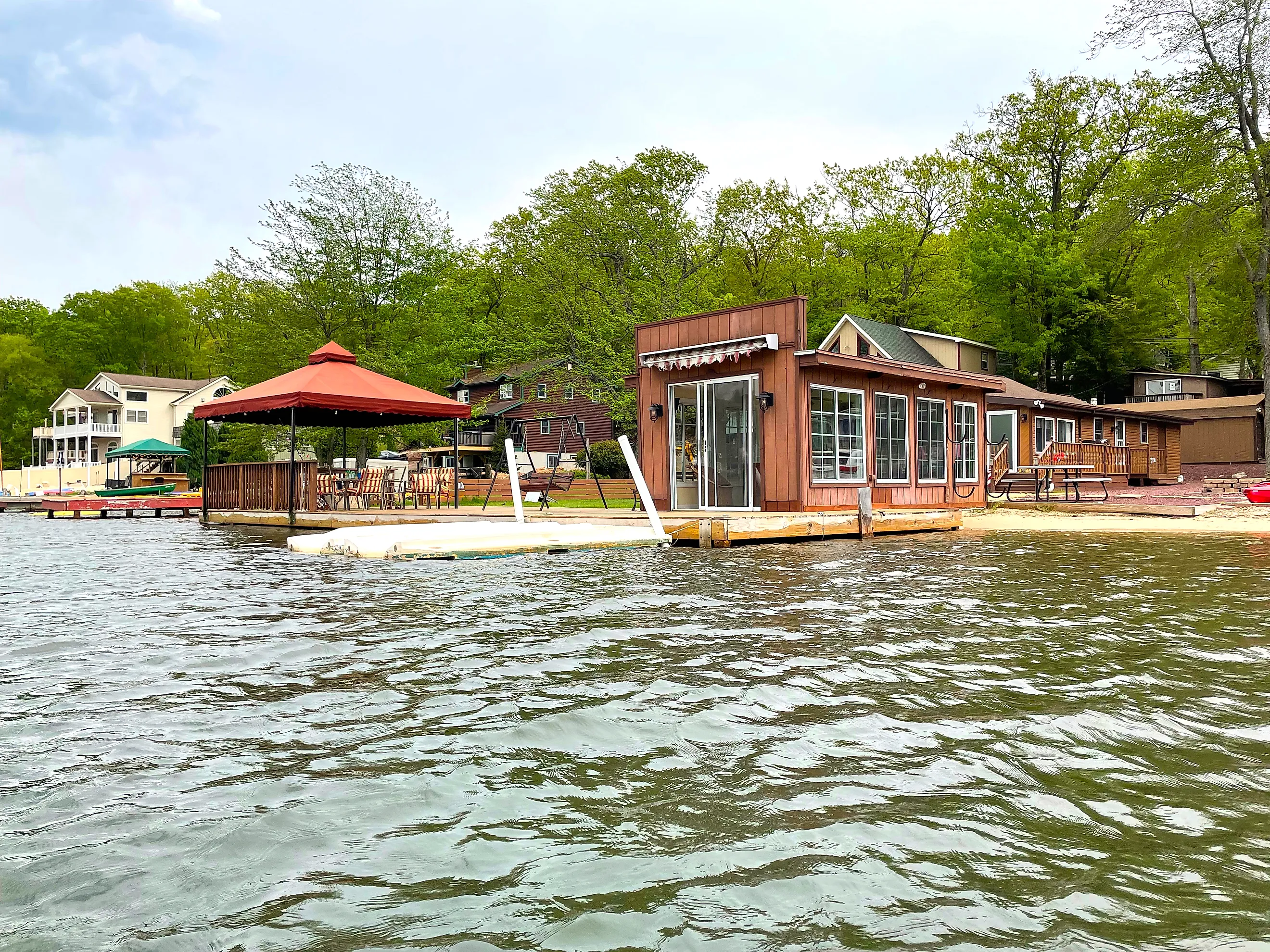
Set around a private lake in Carbon County, Lake Harmony is one of the most compact communities in the Poconos. For wintertime visitors, it is home to Big Boulder, which opened in 1947 as Pennsylvania's first commercial ski area. It now shares a ticket with Jack Frost about 12 miles west and offers beginners a dedicated learning hill plus night skiing under the lights. Or, most of the year, check out the H2Oooohh! Indoor Waterpark at Split Rock Resort, full of slides and family-friendly attractions, complete with an on-site hotel. Whichever the draw, check out the town of Lake Harmony itself for shopping and dining opportunities. Be sure to have at least one meal at Nick's Lakehouse, a waterside restaurant on the lake featuring pizza, burgers, and a weekly breakfast buffet.
Milford

The seat of Pike County, Milford is known for its scenic Victorian architecture, including Grey Towers National Historic Site, a grand, chateau-style building that was the ancestral home of Gifford Pinchot, the first chief of the U.S. Forest Service. Or, explore The Columns Museum, which holds the American flag used to cushion President Abraham Lincoln's head after he was shot. Grab a meal at the Historic Dimmick Inn, which serves up wood-fired pizzas and other comfort food classics. The inn is also available for overnight stays in upstairs rooms, in a building that has housed travelers since 1828.
Stroudsburg

Not to be confused with nearby East Stroudsburg, the town of Stroudsburg has a long history, which is showcased at the Monroe County Historical Association's museum, housed in the 18th-century Stroud Mansion. Stop by the downtown museum to learn about local history before heading to the Kettle Creek Environmental Education Center, which schedules family-friendly nature programs and leads guided boardwalk walks at the nearby Tannersville Cranberry Bog.
Then, head downtown for something to eat. Check out The Cure Cafe, a local favorite on Main Street specializing in breakfast and brunch specials, as well as creative takes on sandwiches and salads. The Cure Cafe also supports local events like StroudFest, the annual street festival that fills Main Street each September.
Tannersville

A village in Monroe County's Pocono Township, Tannersville is home to Big Pocono State Park, a great place for activities such as hiking, hunting, birdwatching, and even horseback riding. Or, for another sort of adventure, visitors can head to Camelback Resort, which offers skiing and tubing in the winter, and Aquatopia Indoor Waterpark year-round. After all that, most will have worked up an appetite. Be sure to check out Smuggler's Cove on Route 611, a Tannersville mainstay serving steaks, seafood, and a long list of shareable starters. The dining room fills up fast on ski weekends, so plan ahead to avoid disappointment.
Small Downtowns, Big Terrain In The Poconos
Most of these downtowns take twenty minutes to walk end to end, which leaves the rest of the day for whatever sits past the last block. In Bushkill and Tannersville, that means waterfalls and state park ridgelines. In Hawley and Honesdale, it means the Lackawaxen and the old rail line beside it. Lake Harmony and Jim Thorpe offer ski slopes and a river gorge instead. Wherever a traveler bases the weekend, the next town is rarely more than half an hour away.