8 Small Towns In Louisiana To Visit For A Weekend Getaway
Louisiana holds a heritage deep with story and tradition. The United States acquired the territory from France through the 1803 Louisiana Purchase, which expanded the nation’s territory dramatically. Though the Gulf Coast city of New Orleans is widely recognized for its vibrant music culture and Acadian history, the word that gave rise to the similar-sounding term "Cajun", numerous smaller communities across Louisiana offer visitors an authentic regional character, making these places ideal for a refreshing weekend getaway. Countless landmarks across the state invite exploration of its layered past, highlighting the distinct identity Louisiana maintains along the shores of the Gulf of Mexico (America).
Abita Springs

Abita Springs is a family-oriented community and a welcoming place for leisure activities. Its natural springs and abundant wildlife once made the region a thriving home for Indigenous peoples and an active hub for exchange and trade. The Choctaws inhabited the area before American settlers arrived in the 1820s. Soon after, Abita Springs grew into a retreat for families seeking relief from New Orleans’ summer heat.

The town’s Trailhead Museum is situated in the center of the community and is open to all guests at no charge. Each April, the En Plein Air art festival invites creators to craft and showcase their pieces. The Louisiana Bike Festival, held before Father’s Day, attracts cyclists from across the nation. The Abita Springs Hotel is a historic place to stay.
Covington

Covington, Louisiana, was established in 1813 on territory that Spain had previously controlled, followed by France, before being transferred to United States ownership through the Louisiana Purchase. Joseph Pilie, a French refugee from San Domingue, controlled the land. Covington is known for its Arts District, where guests can explore the community’s creativity and cultural expression.

The Covington Trailhead Museum (its name is like the one in Abita Springs) provides insight into local history, spanning from before its creation to modern times. H.J. Smith & Sons General Store and Museum offers a window into daily life in the 1870s and remains an engaging and immersive stop for visitors. Covington has many of the common American chains, such as Comfort Suites and Holiday Inn.
Breaux Bridge

The southern town of Breaux Bridge carries the title of the “Crawfish Capital of the World,” noted for its strong relation to this waterborne creature. Founded by Acadian settlers in the 1770s, the town reflects French-American traditions and unique bayou cooking. Starting in the 1960s, residents launched the Crawfish Festival, attracting visitors from across the nation and beyond. Lake Martin is regarded as one of the country’s largest lakes, filled with nesting bird populations.

The body of water serves as a prime destination for travelers who appreciate wildlife viewing and outdoor scenery while exploring the complex ecology of the wetlands. The historic Saint Bernard Catholic Church was built in the 1940s on the grounds of an earlier church constructed in the 1850s. The structure merges elements of French and classical design, offering a vivid look into the region’s enduring cultural legacy. Country Charm Bed and Breakfast is a quaint local accommodation.
St. Francisville

St. Francisville is famous for its Spanish moss and its historic main street. The landscape around the town has many rolling hills and is closely connected to the surrounding woodlands. Spanish Capuchin monks first occupied the region as a burial site, and during the 1770s, they constructed a monastery for religious contemplation. The Tunica Hills Wildlife Management Area offers numerous paths for cycling and hiking, appealing to outdoor explorers who venture there.

Cat Island National Wildlife Refuge is home to the Champion Bald Cypress, considered the largest cypress tree in North America. The West Feliciana Historical Society Museum, located in St. Francisville, displays items related to John James Audubon’s time in the community during the 1820s. These landmarks highlight the town’s ties to nature and history. St. Francisville Inn is a favorite local spot for lodging.
Natchitoches

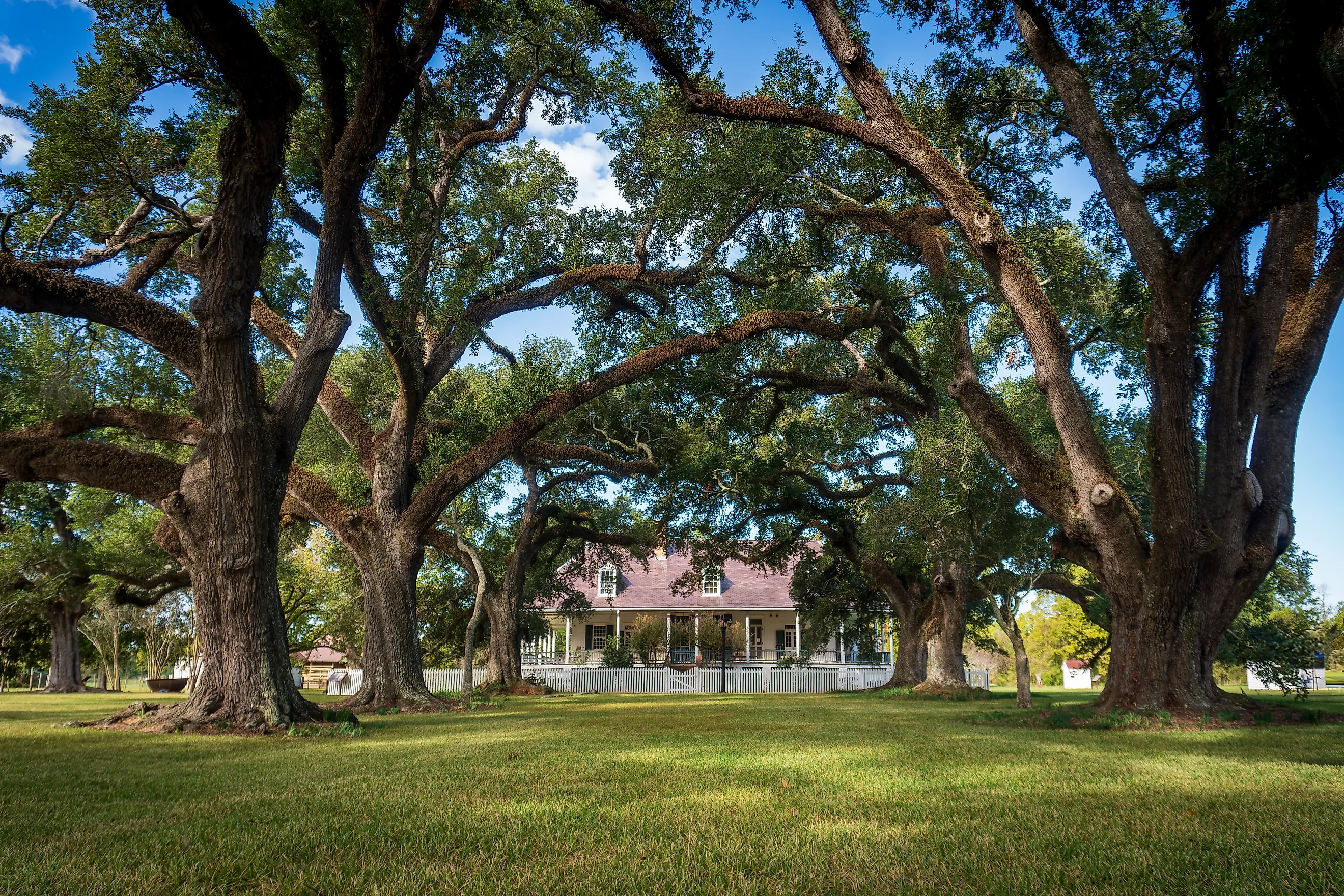
Natchitoches is located in central Louisiana, along the Red River. The town originated as a trading post that connected Spanish and French settlers, thanks to the river’s navigability, and later developed into an area with numerous plantations. One of the area’s largest attractions is the Cane River Creole National Historical Park, which showcases the region’s rich history, including the legacy of slavery and the enduring influence of Creole culture.

The river flows through the historic district, offering a scenic route for exploration. Natchitoches is also popular for fishing, with the Fish Nak-O-Tish program welcoming both novices and seasoned anglers. The Minor Basilica, established in the 1850s, is another historic landmark worth visiting in the area. Chateau Saint-Denis is a spot in downtown where visitors can stay.
Leesville

Leesville was once a disputed territory with Mexico. It gained a reputation as a lawless stretch of no-man's-land, argued over by both nations after the Louisiana Purchase. Today, the Vernon Parish Tourism Center preserves numerous tales of bandits who roamed the countryside. The Fergeson House stands in Leesville as a notable representation of Victorian-era design in the region.

In 1941, the U.S. Army developed Camp Polk on nearby ground to train troops for World War II. Today, the community continues supporting fitness and recreation through facilities like the Myrtle Park Pickleball Court and the Leesville Recreation Complex. Leesville has many of the large chains, such as Days Inn, to offer comfortable lodging.
West Monroe

West Monroe, located in the northern part of the state, offers rivers and bayous, making it a peaceful natural retreat. The Ouachita Valley Heritage Museum, housed in a restored 1920s Coca‑Cola bottling plant, offers engaging exhibits on the region’s Native American history, early European settlers, the Civil War, and logging industry artifacts, including a replica of a 1920s general store and antique cars. It hosts a range of educational programs and special events throughout the year, making it a vibrant cultural destination in West Monroe.

The Chennault Aviation and Military Museum provides lessons on American aviation, military history, space exploration, and the achievements of notable Louisianians. Kiroli Park spans over 150 acres of trails and recreation for visitors. From cultural sites to outdoor experiences, West Monroe offers something for every interest. Hamilton House Inn is a local inn where travelers can stay.
Abbeville

In south-central Louisiana, the town of Abbeville is an undiscovered gem. Many French-Canadian refugees settled in this corner of the state, bringing their unique Cajun culture with them. Originally known as La Chapelle, the town changed its name to Abbeville, which is French for "Abbot's Town," indicating a connection to the area’s Catholic heritage.

These days, the biggest attractions are their festivals, such as the Louisiana Cattle Festival and the Giant Omelette Festival. Those looking for nature and some sun should head to the Palmetto Island State Park to enjoy summer weather and Louisiana's famous scenery. For accommodations, Ducote Williams House is a historic place where visitors can spend a night or two.
Louisiana’s unique position at the crossroads of multiple cultures has made it a popular destination for tourists for centuries. Beyond larger places like New Orleans, smaller towns showcase the best parts of the state. In addition, the warm climate is relaxing and supports unique wildlife environments, where nature lovers can observe and enjoy this experience. Foodies can tuck into the unforgettable flavors of Cajun cuisine and local seafood. In short, Louisiana's many small towns give travelers a unique glimpse into the local culture.