4 Louisiana Towns Where Famous Movies Were Filmed
Louisiana has long been a favored setting for filmmakers seeking southern-themed shooting locations, with towns across the state supplying historic districts, coastal landscapes, preserved plantations, and more. This article outlines several cities and towns where major productions were shot and notes additional things to see and do for film buffs and general tourists. Whether walking through the older streets of New Orleans or driving through the state's rural countryside, you can compare these Louisiana locales with scenes you may already recognize from the big screen.
New Orleans

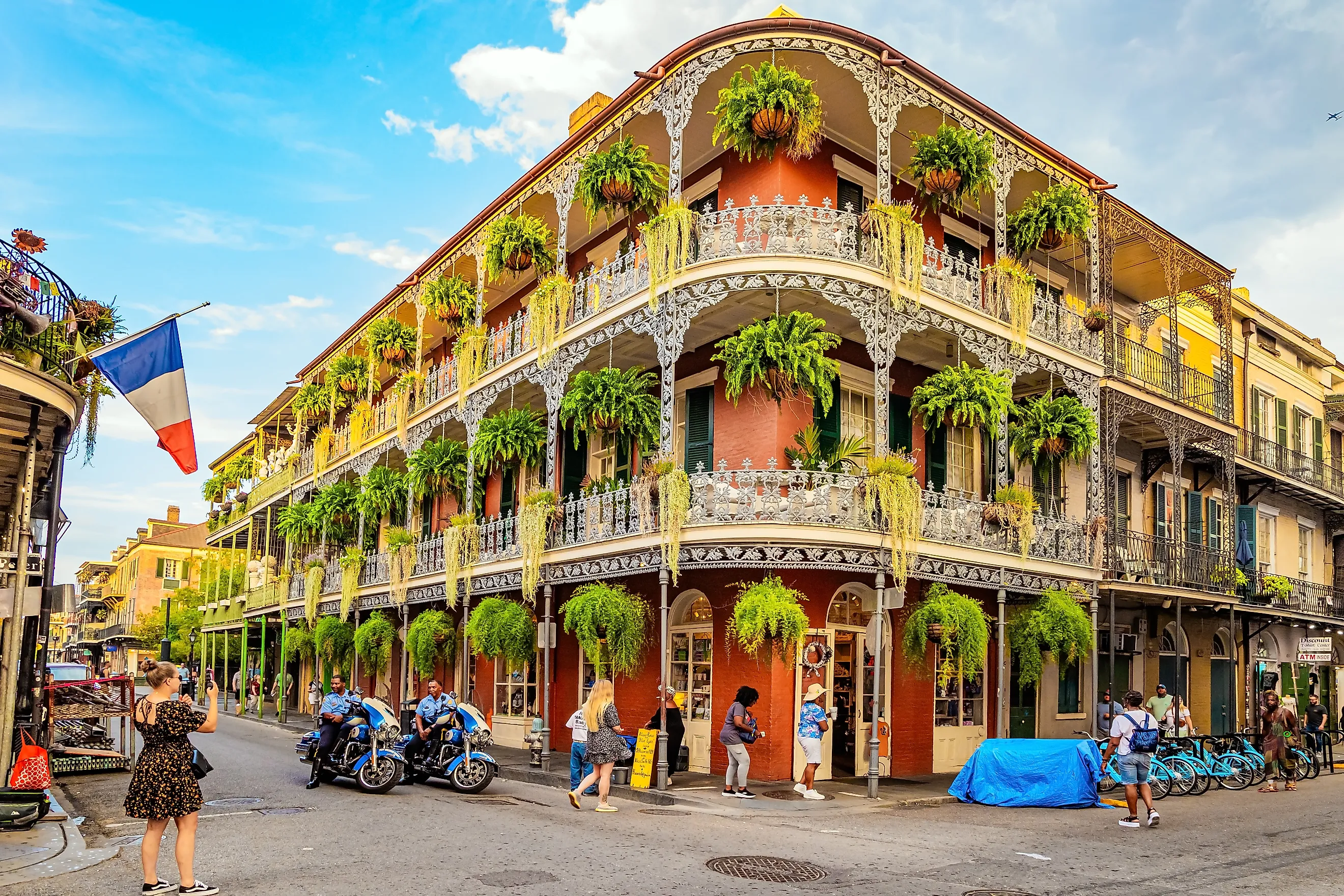
New Orleans has been a major film hub of the Deep South for more than a century, with productions using its historic districts, riverfront areas, and French-influenced architecture as recognizable backdrops. Landmarks such as Jackson Square, St. Louis Cathedral, and the Garden District appear frequently because their historic character remains intact and visually distinct.

Movies including A Streetcar Named Desire, The Pelican Brief, and 12 Years a Slave used several of the city’s older neighborhoods, while recent titles have filmed scenes in the French Quarter and along Uptown residential streets. A Streetcar Named Desire used several French Quarter locations, with scenes that highlight the tight streets and older residential blocks near the river. Interview with the Vampire also used several locations in and around the French Quarter, with scenes relying on preserved streets and riverfront areas that matched the film’s historical setting. Television productions such as True Detective also shot much of their first season in and around New Orleans, along with nearby towns and parishes.
Visitors can explore other districts tied to film history, including the Warehouse Arts District, where museums and active streets often appear in contemporary scenes. Beyond film sites, the city includes the National WWII Museum, riverfront paths in Woldenberg Park, and long-standing cultural venues such as Preservation Hall. Neighborhood markets, historic cemeteries, and streetcar routes add further points of interest.
Baton Rouge

Baton Rouge has become a major production center in Louisiana, partly due to its modern soundstages, including the Celtic Media Center, along with historic districts and varied landscapes within a short radius. The city’s mix of government buildings, mid-century campuses, and older residential areas lets filmmakers shift between academic, civic, and small-town settings without leaving the metro area.

Films such as Pitch Perfect, Oblivion, and The Dukes of Hazzard used locations around Louisiana State University, the Capitol grounds, and neighborhoods along the Mississippi River. Visitors can see filming areas near the Old State Capitol, where riverfront plazas and Gothic Revival architecture create one of the city’s most photographed spots.
The LSU Rural Life Museum adds context with its preserved nineteenth-century structures, some of which have appeared in period projects. You can also walk the levee trail or spend time in the downtown core, where galleries, performance spaces, and museums outline Baton Rouge’s broader story.
Shreveport

Shreveport gained traction in the film industry in the 2000s when major productions sought its mix of downtown high-rises, older neighborhoods, rural outskirts, and uncrowded, cost-saving shooting locations compared with larger cities like New Orleans. Films such as Premonition, The Guardian, and Olympus Has Fallen used areas in and around the Red River waterfront, the municipal airport, and busy downtown blocks, including Texas Street. Mr. Brooks filmed scenes in downtown Shreveport, including the area around Oakland Cemetery.

Visitors can look for recognizable filming spots near the riverfront, where plazas, trails, and public art installations frame the downtown core. The nearby R. W. Norton Art Gallery holds an extensive collection set within landscaped grounds.
For those interested in a structured route, the Shreveport Bossier Film Trail includes 21 stops, ranging from backdrops used in the HBO series True Blood to locations tied to historical dramas. For a broader view of Shreveport and the northeastern part of the state, the Louisiana State Exhibit Museum displays artifacts connected to regional history. The Shreveport Municipal Auditorium also remains a notable venue for live performances, reflecting the city’s long-standing ties to music.
Lafayette

Lafayette has long attracted movie and television projects that film scenes in the distinctive neighborhoods of southern Louisiana. Productions including The Blob (1988) and All the King’s Men used sites across the city, relying on local streets, civic buildings, and the surrounding prairies and wetlands for scenes that required strong regional character. Older districts near Jefferson Street and the university offer architectural detail that has suited many dramas, thrillers, and historical stories.

Film enthusiasts can visit places such as the Vermilionville Historic Village, which presents Acadian and Creole heritage through preserved structures and traditional demonstrations. Nearby, the Hilliard Art Museum adds a contemporary element with rotating exhibitions tied to Louisiana’s artistic output.
For outdoor time, the trails at Acadiana Park Nature Station give access to bottomland forest habitats on the city’s eastern edge. Visitors can also spend time along Bayou Vermilion, where small parks and public paths create an easy way to see the region’s waterways and observe some of the local plant and bird life. You can also take a swamp trip in the Cypress Island Preserve, where boardwalks and waterways create another setting connected to the region’s landscape.
Where Louisiana’s Film History Comes Into View
This collection of destinations showcases the diverse landscape of Louisiana’s film industry. Each location supports a range of productions and maintains a tourism presence through distinct architecture, cultural institutions, and natural environments. If you plan to trace southern movie history in the state, you can compare on-screen scenes with real-world settings and visit museums, historic districts, and parklands connected to that history. These towns and cities link familiar film moments with places that reflect Louisiana’s broader story.