8 Old-World Towns to Visit in Michigan
Michigan's historic towns offer a blend of European heritage, American Civil War history, and timeless natural beauty on the shores of the Great Lakes. On Mackinac Island, bicycles and horse-drawn carriages transport visitors and locals alike from the shops along Market Street and Lakeshore Drive to Victorian-era landmarks like the Grand Hotel. Holland is home to the country's only authentic Dutch windmill and honors its heritage during popular festivals like Tulip Time each May, while Frankenmuth earns its nickname as Little Bavaria with preserved German architecture throughout its Historic District and sightseeing cruises aboard the Bavarian Belle Riverboat. In these old-world towns, you can explore Michigan's storied past and celebrate the things that still make it great today, for a one-of-a-kind experience you won't soon forget.
Mackinac Island

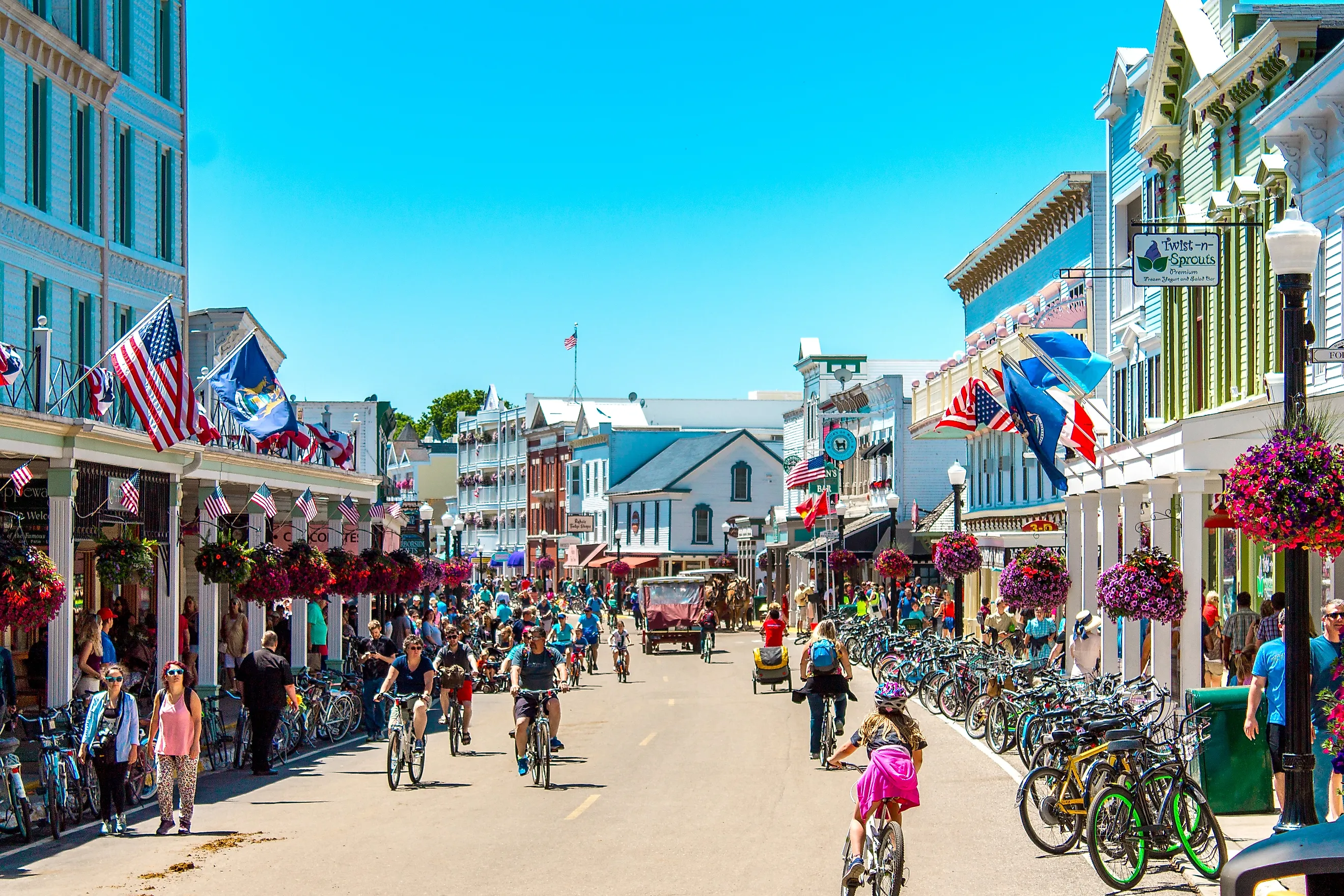
Set against Lake Huron, Mackinac Island is frequently celebrated as one of the most beautiful destinations in the continental US. The island has demonstrated a strong commitment to preserving its authenticity by enforcing a ban on automobiles. This policy not only fosters a peaceful ambiance but also aids in environmental conservation by reducing pollution and protecting the natural landscape. Mackinac Island boasts stunning geological features, such as limestone caves and the renowned Arch Rock, which serve as captivating natural attractions. Additionally, historical landmarks like Fort Mackinac and Mission Church provide valuable insights into the region’s rich history, from key conflicts during the War of 1812 to being home to Michigan’s oldest church.
The island’s architectural gems, such as the Grand Hotel with its Victorian charm, perfectly complement its natural beauty. This national landmark has welcomed numerous dignitaries and embodies the elegance of a bygone era, featuring a grand veranda and period furnishings that offer visitors a taste of 19th-century luxury. With the absence of cars and the presence of horse-drawn carriages, the island maintains a timeless atmosphere, ensuring that each visit is a memorable experience. Cultural attractions like the Stuart House City Museum and the Grand Hotel Stables & Carriage Museum further emphasize the island’s intriguing heritage.
Frankenmuth

Frankenmuth, often referred to as "Michigan's Little Bavaria," boasts a unique old-world charm that sets it apart. The town's German heritage is evident in the architectural styles and cultural experiences found throughout the Historic Preservation District, which features buildings and landscapes that reflect the traditions of the early German settlers. Popular events like the famous Oktoberfest and the vibrant Bavarian Festival celebrate this heritage, showcasing traditional German music, cuisine, and festivities that draw visitors from all over the country, promoting cultural exchange and bolstering the local tourism industry.
Bronner's Christmas Wonderland, the largest of its kind in the world, provides a distinctive shopping experience featuring a vast array of holiday decorations that capture the festive spirit of the town. Additionally, the Bavarian Belle Riverboat enhances the historical ambiance by offering tours on the Cass River, allowing guests to connect with nature while immersing themselves in the town's narrative history. Together, these attractions, alongside Frankenmuth's dedication to preserving and celebrating its Bavarian heritage, transform the town into a rich cultural experience.
Charlevoix

Charlevoix, ideally situated between Lake Michigan and Lake Charlevoix, was established in 1879 and named after the French explorer Pierre François Xavier de Charlevoix. A must-visit on your list is the Charlevoix South Pier Lighthouse, a heritage site that offers a beautiful lakeside setting for walks and represents the town's rich maritime history. Moreover, the area boasts several well-kept golf courses, such as the Charlevoix Golf Club and the historic Belvedere Golf Club, highlighting the leisure activities that have been part of the town’s culture for more than a century.
The Memorial Garden in town is carefully maintained, offering a peaceful area for contemplation surrounded by native and adapted plant species that flourish in Michigan's climate. The town's charm is enhanced by its historic resorts, which have welcomed visitors looking for a getaway by the lakeshore for generations, further solidifying Charlevoix's status as a distinguished vacation destination. Additionally, the existence of a US Coast Guard station on Lake Charlevoix highlights the town's continued involvement in regional maritime affairs, connecting its historical legacy with contemporary duties.
Holland

Founded by Dutch immigrants, Holland maintains a deep connection to its heritage, prominently showcased by the De Zwaan windmill, the only authentic, functioning Dutch windmill in the United States. Located within Windmill Island Gardens, De Zwaan represents the cultural and horticultural ties that Holland shares with the Netherlands, rather than Denmark, as its name might imply. This connection is joyfully celebrated during the annual Tulip Time Festival each May, when the town is transformed into a vibrant display of millions of tulips, reminiscent of the flower fields in Europe. Furthermore, the historic Big Red Lighthouse stands as a sentinel at the entrance of Lake Macatawa, providing stunning views of Lake Michigan and serving as a symbol of maritime history, attracting both photographers and history buffs.
Holland boasts a rich historical backdrop and offers educational experiences through the Holland Museum and the Cappon House Museum. These venues allow visitors to explore the town's founding story and its evolution over time. They feature a range of artifacts and exhibits that highlight the Dutch migration to America, shedding light on the immigrant experience's challenges and successes. For outdoor enthusiasts, the Holland State Park Macatawa Campground presents a peaceful setting to immerse oneself in nature, observe wildlife, and enjoy the lakeshore. Additionally, accommodations such as the Holland Farmhouse Inn B&B and the Tulyp Hotel provide a warm and inviting atmosphere, blending modern comforts with historic appeal.
South Haven

South Haven is strategically located at the mouth of the Black River, serving as a natural harbor that has contributed to the town's growth since its incorporation in 1869. The Michigan Maritime Museum preserves and showcases the town’s historical significance by detailing the complete history of Lake Michigan. Visitors can board historic vessels such as the Friends Good Will, which provides a captivating glimpse into the maritime lifestyle that shaped the region's economy and culture. Additionally, the Kal-Haven Trail, transformed from a rail bed into a scenic pathway linking South Haven to Kalamazoo, is popular among cyclists and snowmobilers in winter, reflecting the town's commitment to maintaining its historical infrastructure while adapting it for modern recreational activities.
Beyond its maritime and railway heritage, South Haven also emphasizes cultural preservation through the South Haven Center for the Arts. This venue enriches the community by hosting various exhibits and events that celebrate local and regional artists. Visitors can enjoy a unique blend of artistic culture and historical preservation, offering a rich perspective on the town’s identity. Accommodations like Historic Hotel Nichols and Victoria Resort Bed & Breakfast further enhance this historic experience, providing lodgings that showcase the area's architectural heritage and immerse guests in the charming ambiance of South Haven.
Saugatuck

Saugatuck’s appeal is largely due to its natural landscapes, which include the expansive Saugatuck Dunes State Park. This park offers a stunning amalgamation of forested areas, cascading sand dunes, and pristine beaches such as Oval Beach. In addition to its stunning natural beauty, Saugatuck is a vibrant cultural hub that passionately preserves its historical and artistic legacy. The Saugatuck Center for the Arts serves as a focal point for cultural activities, featuring a wide range of theater productions, art exhibitions, and educational programs that benefit both the local community and visitors. For those keen on exploring the area's history, the Saugatuck-Douglas History Center provides valuable insights, including access to a historic schoolhouse. This dedication to honoring and celebrating its past is matched by a lively contemporary art scene, reflected in the many galleries scattered throughout the town.
Petoskey

Petoskey is renowned for its Gaslight District, where gas-lit lampposts light up tree-lined avenues bordered by Victorian-style buildings. This historic area not only creates a beautiful setting but also features a variety of local craft shops and galleries, reflecting the town's dedication to preserving its architectural legacy and supporting local artists. A noteworthy aspect of Petoskey is its distinctive geological treasure, the Petoskey stone. These fossilized coral stones, recognized as Michigan’s state stone, are prized for their unique patterns that evoke sunburst designs when polished, making them popular souvenirs among both nature enthusiasts and tourists.
The town's prime location offers breathtaking views of Little Traverse Bay and Lake Michigan, especially at sunset. For those who enjoy the outdoors, Petoskey State Park nearby boasts sandy beaches and impressive dune landscapes. In the fall, the picturesque Tunnel of Trees Drive showcases a striking array of autumn hues along Lake Michigan, creating a captivating experience for motorists and cyclists alike. Food lovers will find local gems like Beards Brewery and Chandler's serving delicious cuisine with scenic vistas, enhancing the overall experience. With options like strolling along the Bear River or hiking on the trails, Petoskey offers a little something for everyone.
Marshall

Marshall, Michigan, invites visitors to explore a rich tapestry of architectural and civil rights history, making it a fascinating stop for those keen on the development of American towns. Founded in 1830 as a prominent fur-trading center, Marshall is dedicated to maintaining its historical essence, which is evident through its designation as a National Historic Landmark District. This area encompasses numerous buildings from the 19th and early 20th centuries, each carefully preserved to provide a direct link to the past. Among the highlights is the Honolulu House, constructed by a former U.S. consul to Hawaii, showcasing a blend of Italianate, Gothic Revival, and Polynesian styles. Another significant site is the Governor’s Mansion, reflecting the town's importance in its early years. Marshall's history is further deepened by its involvement in the Underground Railroad, where community members played crucial roles in helping escaped slaves like Adam Crosswhite reach freedom in Canada. This impactful legacy is detailed in local museums, such as the Marshall Historical Museum at the GAR Hall, which narrates the town's pre-Civil War activities.
Additionally, the town's old-world charm is celebrated through annual events that turn Marshall into a living historical exhibit. The Marshall Historic Home Tour, the oldest home tour in the Midwest, allows visitors to explore beautifully preserved private residences from the 19th century, each with its unique narrative. During the holiday season, the Candlelight Walk transforms historic homes into a festive spectacle, combining historical architecture with holiday spirit. For those interested in more unconventional history, the American Museum of Magic, often referred to as "the Smithsonian of American Magic," offers a captivating look into the realm of magic, showcasing artifacts and stories from renowned magicians of the past.
From the architectural grandeur of Petoskey's Gaslight District to the vibrant cultural celebrations of Frankenmuth, each town provides a window into the past, seamlessly integrating heritage with the tranquility of natural landscapes. These towns are not just places to visit; they are experiences to be savored, each offering its own story and contributing to the colorful mosaic that defines Michigan's historical landscape. Whether you're exploring the scenic trails of Saugatuck or enjoying the festive atmosphere of Holland's Tulip Time, Michigan's old-world towns promise unforgettable adventures that combine the serenity of nature with the pulse of history.