9 United States Towns Where Time Stands Still
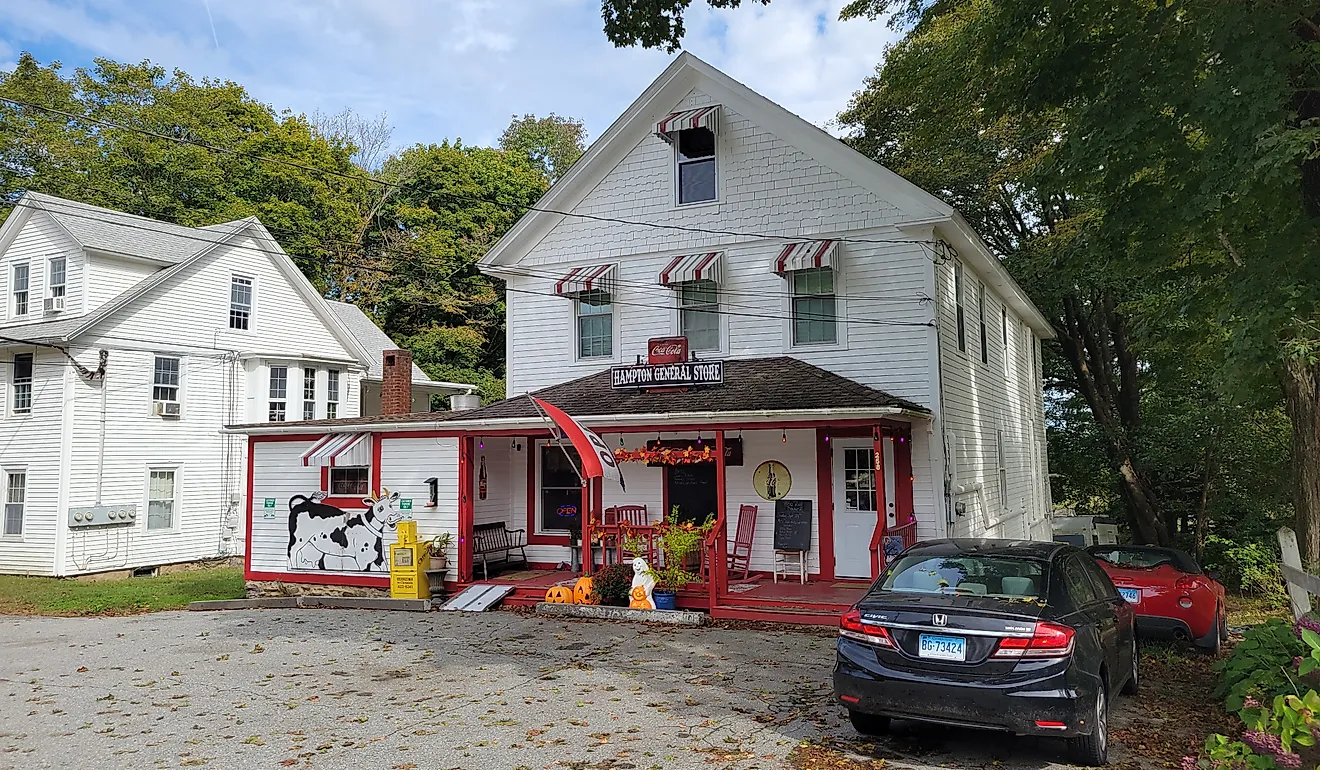
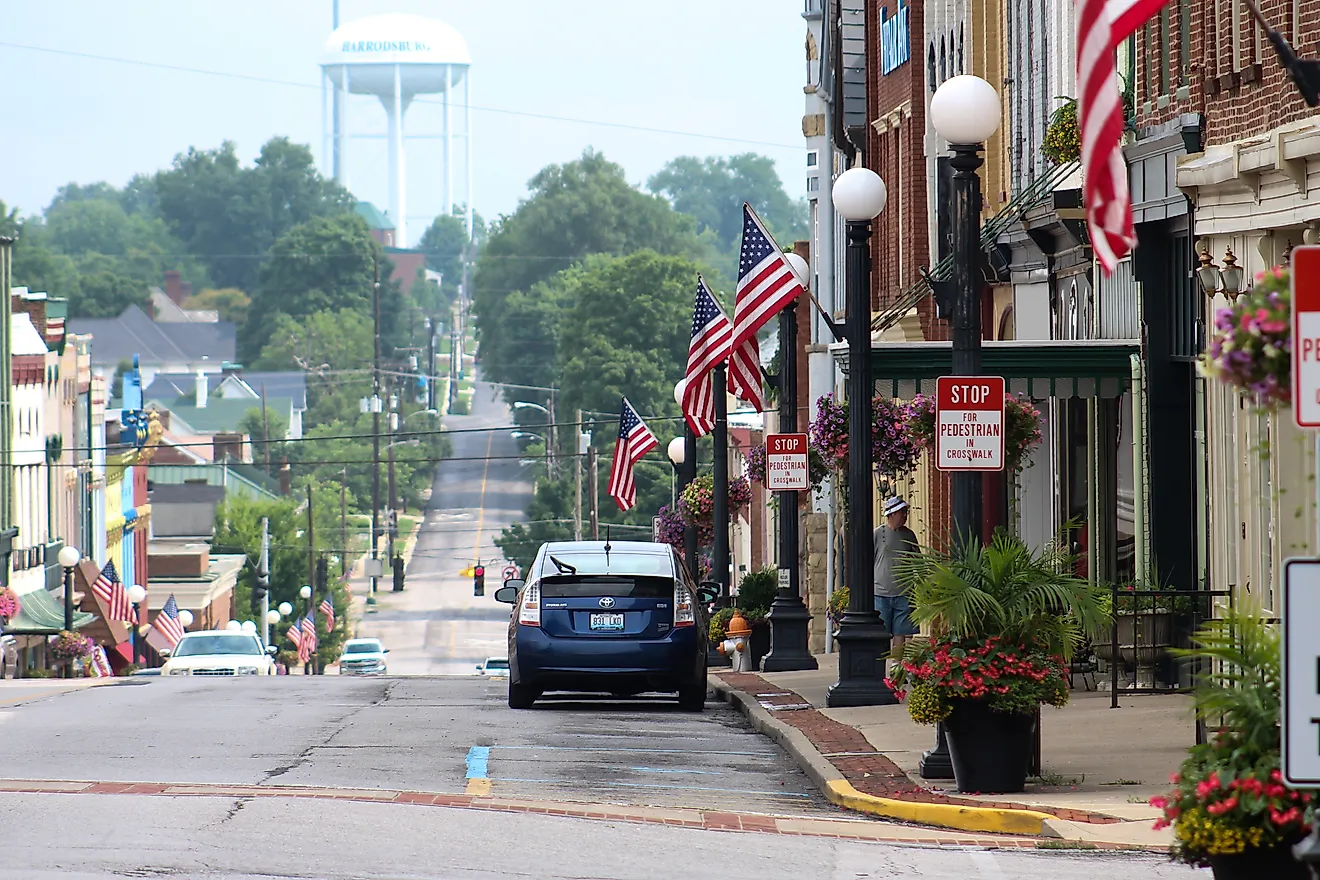
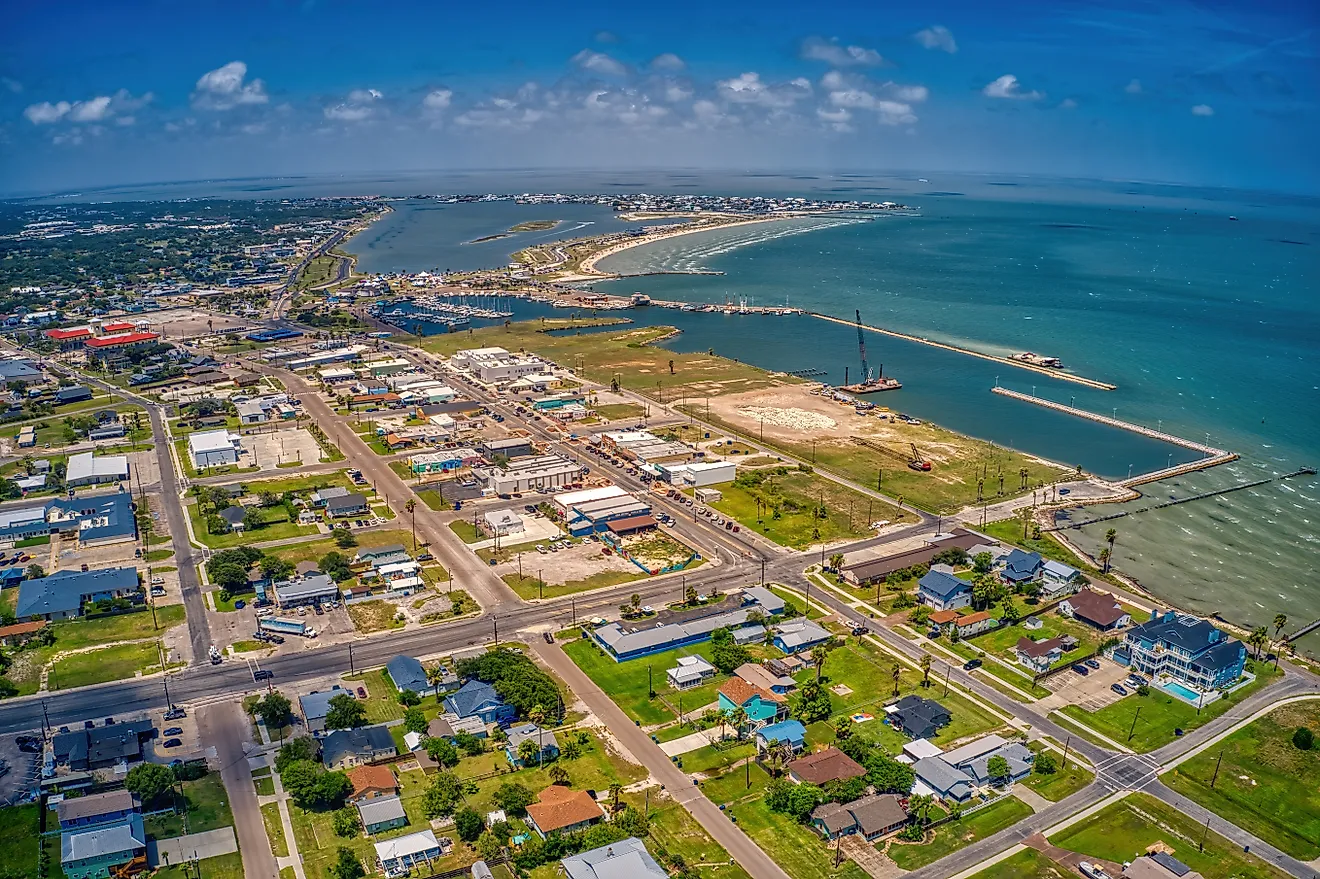
The United States is known for speed and constant change, but not every town followed that path. Some places kept their original street plans, building styles, and daily routines even as nearby areas modernized. When people say, “time stands still,” they do not mean abandoned or stuck.
These towns are active and lived in, but their growth happened slowly. Old storefronts still house local businesses. Courthouses, churches, and homes remain where they were built generations ago. Life moves at a pace shaped by tradition rather than urgency. Each town in this list has fewer than 50,000 residents and a clear connection to its past.
Their history shows in brick sidewalks, preserved main streets, and long standing community spaces. Visiting them is less about stepping backward and more about slowing down long enough to notice what has stayed the same. From railroad booms to colonial gems, welcome to some towns in the United States where time stands still.
Grafton, Vermont

Settled in the late 1700s, Grafton grew quickly during the 1830s when woolen mills, gristmills, and small factories filled the valley. Businesses produced everything from sleighs to butter churns, however, that growth did not last. A weakened wool market and a destructive flood in 1869 pushed the town into a long decline that lasted nearly a century.
Change came in 1963 with the creation of the Windham Foundation. Its work focused on restoring historic buildings, protecting open land, and supporting local businesses. You can check out Grafton Inn, which opened in 1801 and remains a central gathering place. Grafton Trails & Outdoor Center supports hiking, swimming, skiing, and snowshoeing. While here, don’t forget to check out the Historic Kidder Covered Bridge and the Historic McWilliam Covered Bridge.
Bramwell, West Virginia

In the late 1800s, Bramwell became one of the wealthiest places of its size in the United States, earning the nickname “Town of Millionaires.” That wealth came from coal. Beginning in 1873, coal mining expanded across southern West Virginia, and Bramwell grew into an important local center for coal commerce and transportation.
At its peak, the town counted as many as seventeen millionaires among its residents. The Great Depression brought that era to an abrupt end, but the buildings remained. Victorian and Tudor-style homes line the streets, many still carefully maintained, like The Historic Perry House. While here, you can check out Coal Heritage Interpretive Center and Historic Bramwell to learn more about this town’s history. If you’re into hiking, the nearby Bramwell Reservoir should top your to-do list.
Dillsboro, North Carolina

Originally called New Webster, the town changed its name to Dillsboro in 1889 to honor William Allen Dills, who chose the site on his own farmland. Dills also ran the town’s first post office from that house. The railroad shaped everything. By the 1880s, Dillsboro had become a busy stop between Asheville and Murphy, with daily passenger and freight trains. Visitors arrived by train to escape summer heat and stayed for weeks, drawn by cool air and mountain views.
While here, you can check out the Appalachian Women’s Museum, which is full of artifacts and local history. The Monteith Farmstead and Community Park, which is close to the museum, is a great place to hike or grab a bite. If river adventure is what you seek, the nearby CJ Harris Access Area won’t disappoint.
Captiva Island, Florida

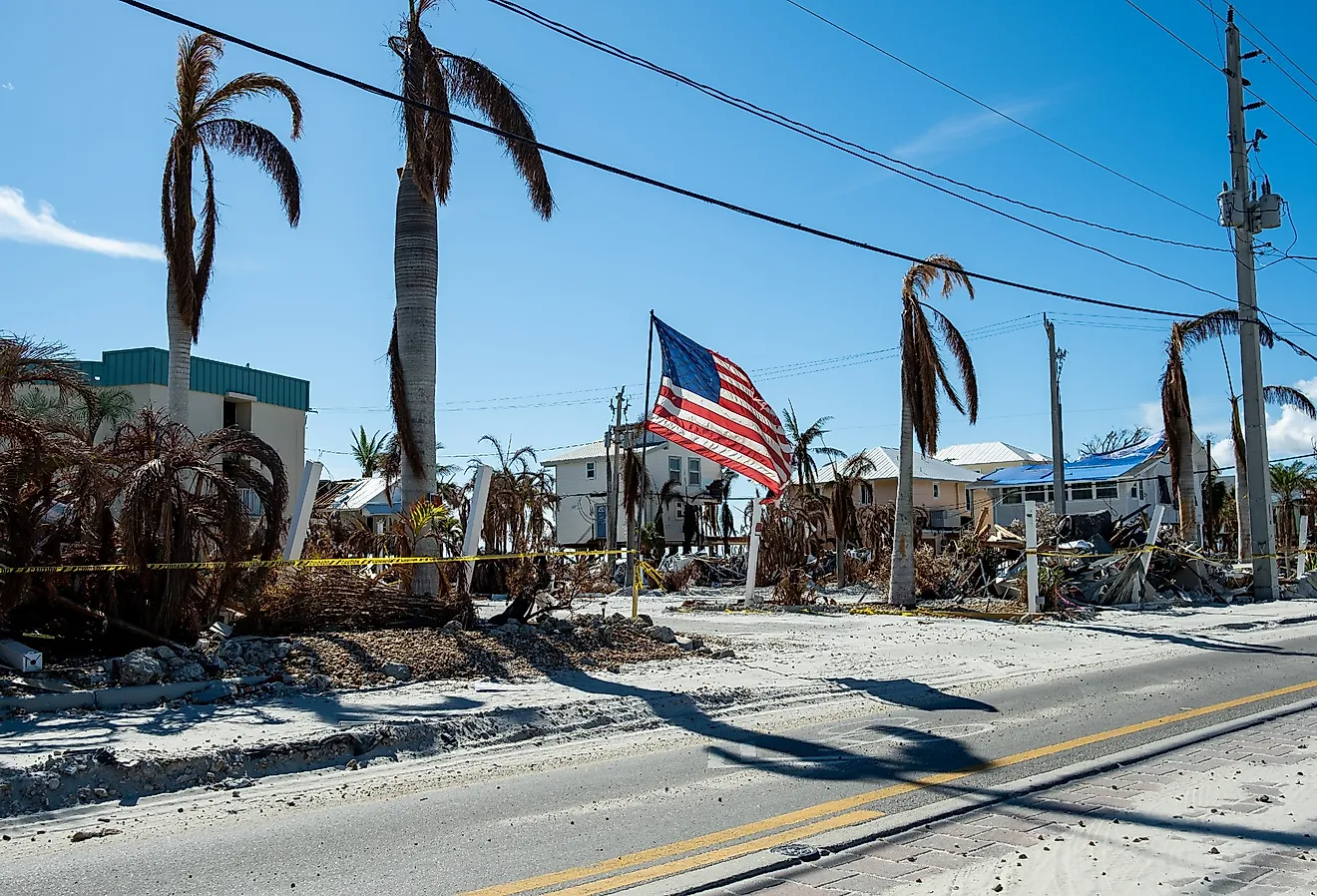
Captiva Island is a small barrier island where development stayed limited and daily life still moves slowly. Fishing villages and early resorts shaped the island, and much of that relaxed structure remains. Local legends often mention the pirate Jose Gaspar, who is said to have used Captiva as a hideout in the 1800s, though historians debate whether he actually existed.
Long before modern settlement, the Calusa people lived here, using shells, fish, and local materials for daily life. Spanish explorers arrived in the 1500s, but permanent settlement came much later. Agriculture followed, including key lime and coconut farming, until hurricanes in the early 1900s ended most large scale growing. Today, you can walk the beautiful Captiva Beach, check out Adventure Sea Kayak & SUP, and spot birds and dolphins near Sanibel Island.
Sturbridge, Massachusetts

Long before English settlers arrived, Native American communities knew this area as Tantiousques, where major travel paths met. English settlers identified the area as early as 1640 for its natural resources, including graphite deposits. After early landowners convinced colonial leaders that farming was possible here, Sturbridge was incorporated in 1738.
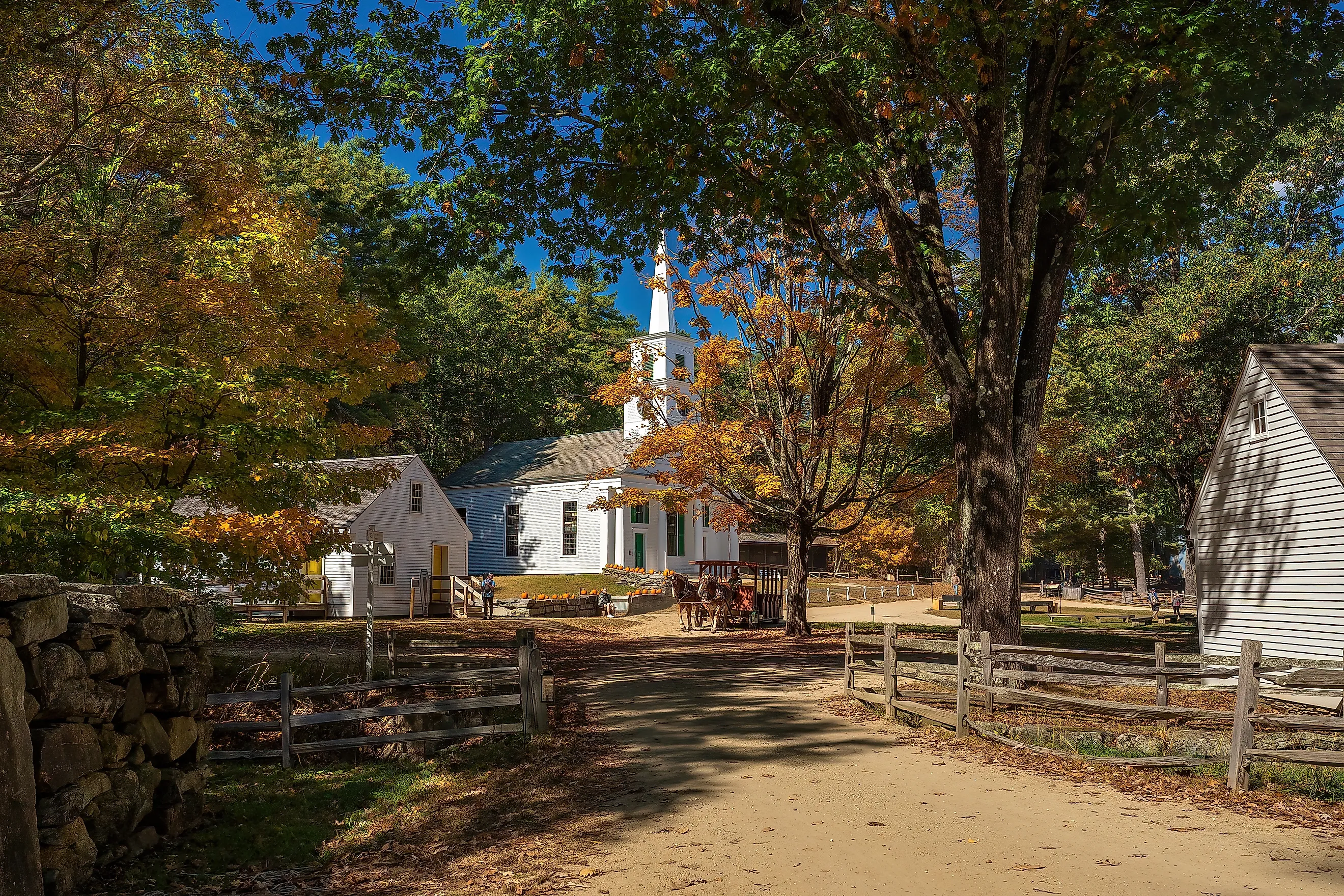
Small sawmills and gristmills grew along the Quinebaug River, followed by larger factories during the Industrial Revolution. Much of that industrial growth stayed outside the town center, which helped preserve the village core much as it looked in the mid-1800s. Sturbridge is best known as the home of Old Sturbridge Village, which opened in 1946 and remains a major draw. You can explore historic homes, watch craft demonstrations, and speak with costumed interpreters. Other things to do include hiking Leadmine Mountain Trail or Heins Farm Trail and picnicking at Wells State Park.
Woodstock, Vermont

Woodstock was chartered in 1761, well before the United States existed, and settled soon after along the Ottauquechee River. By the early 1800s, it grew into a successful mill and farming center and was named the shire town of Windsor County in 1786. Craftsmen, small manufacturers, and merchants shaped the village, leaving behind Federal-style homes, a classic village green, and a walkable layout that remains intact today.
You can walk across the Historic Lincoln Covered Bridge and visit the nearby Historic Taftsville Covered Bridge, both still part of daily life. The Billings Farm & Museum gives a clear look at 19th century farm work and rural life. For outdoor time, trails and carriage roads wind through Marsh-Billings-Rockefeller National Historical Park, where conservation history and forest views come together.
Nantucket, Massachusetts

Nantucket sits about 30 miles off Cape Cod. Its name comes from a Wampanoag word, often interpreted as “faraway land,” reflecting the island’s remote location off Cape Cod. English settlers arrived in the mid 1600s, and by the late 1700s Nantucket had become one of the most important whaling ports in North America.
When whaling declined in the late 1800s, the island did not rebuild or modernize. Instead, buildings were preserved, streets stayed narrow, and the town kept its original scale. You can walk the historic district, climb the Old Mill, or visit the Nantucket Whaling Museum to understand how the island once worked. Brant Point Lighthouse guards the harbor, while Sankaty Head Lighthouse watches the eastern cliffs. Beaches stretch for miles, from Madaket to Surfside.
Magnolia Springs, Alabama

Magnolia Springs’ roots reach back to the late 1700s, when the area developed from early European land grants along the Magnolia River. By the 1800s, river traffic, turpentine stills, and trade helped the settlement grow. After the Civil War, families from both the North and South moved here, building homes, inns, and businesses along the riverbanks. The town officially incorporated in 2006, largely to protect its quiet character and natural setting.
The Magnolia River maintains a historic tradition of mail delivery by boat, a rare practice in the continental United States. Natural springs once drew attention from outside scientists, and the town takes its name from both these springs and the magnolia trees found throughout the area. You can visit Rock Landing or the Bemis Bay Community Dock and explore local art at Magnolia River Gallery. Nearby Weeks Bay National Estuarine Research Reserve offers quiet picnic spots and nature trails.
Mystic, Connecticut

Long before colonial settlement, the Pequot people lived along the Mystic River, which they called “missi-tuk,” roughly meaning “great tidal river." English settlers arrived in the 1600s, and by the late 1700s Mystic grew into a major shipbuilding center. Starting in 1784, more than 600 vessels were built here over roughly 135 years, tying the village closely to trade, whaling, and naval work.
That history is preserved at Mystic Seaport Museum, one of the largest maritime museums in the country. The museum includes a recreated coastal village, working shipyard, and historic vessels, including the whaling ship Charles W. Morgan. Visitors can sail along the Mystic River, or spend time at the Mystic Museum of Art, which focuses on regional artists and coastal themes. Families often visit the Mystic Aquarium, known for its beluga whales, sea lions, and marine research programs.
These towns show that change is not the only path forward. While cities expanded and rebuilt, these places stayed rooted in earlier layouts, local businesses, and long standing routines. Their streets were shaped by walking rather than traffic, and their buildings were kept because they still worked for daily life. These towns remind visitors that history does not always sit behind glass, because in some places, it remains part of everyday life.