8 Off-The-Beaten-Path Towns In Maine
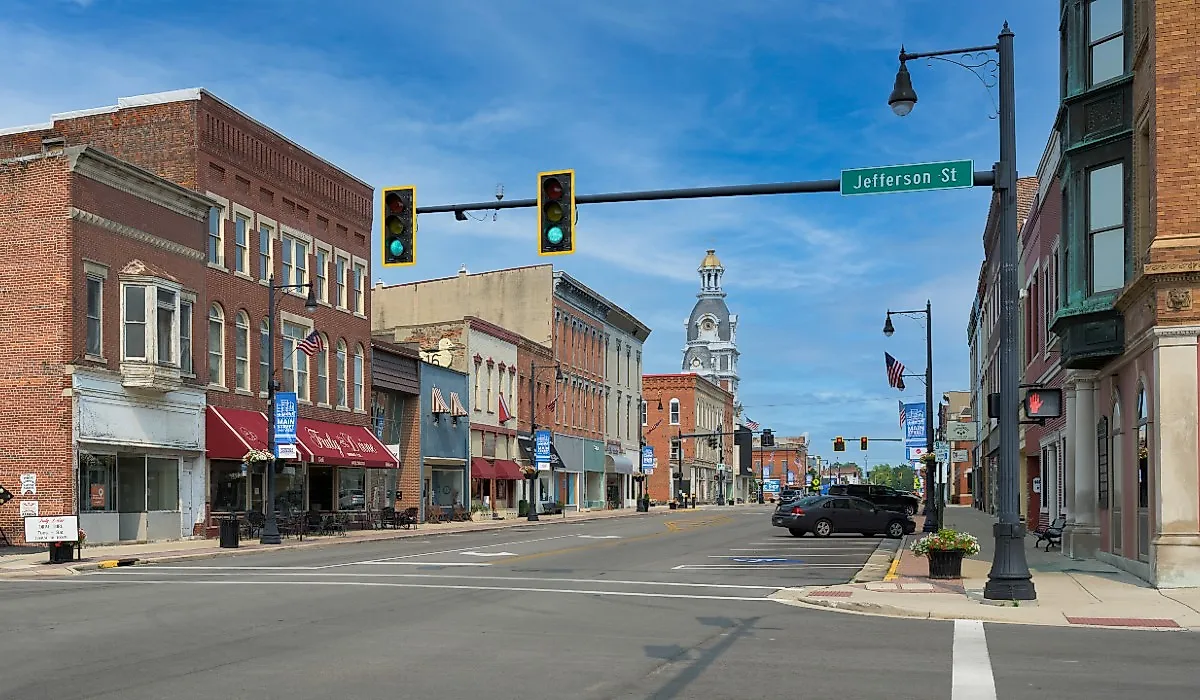
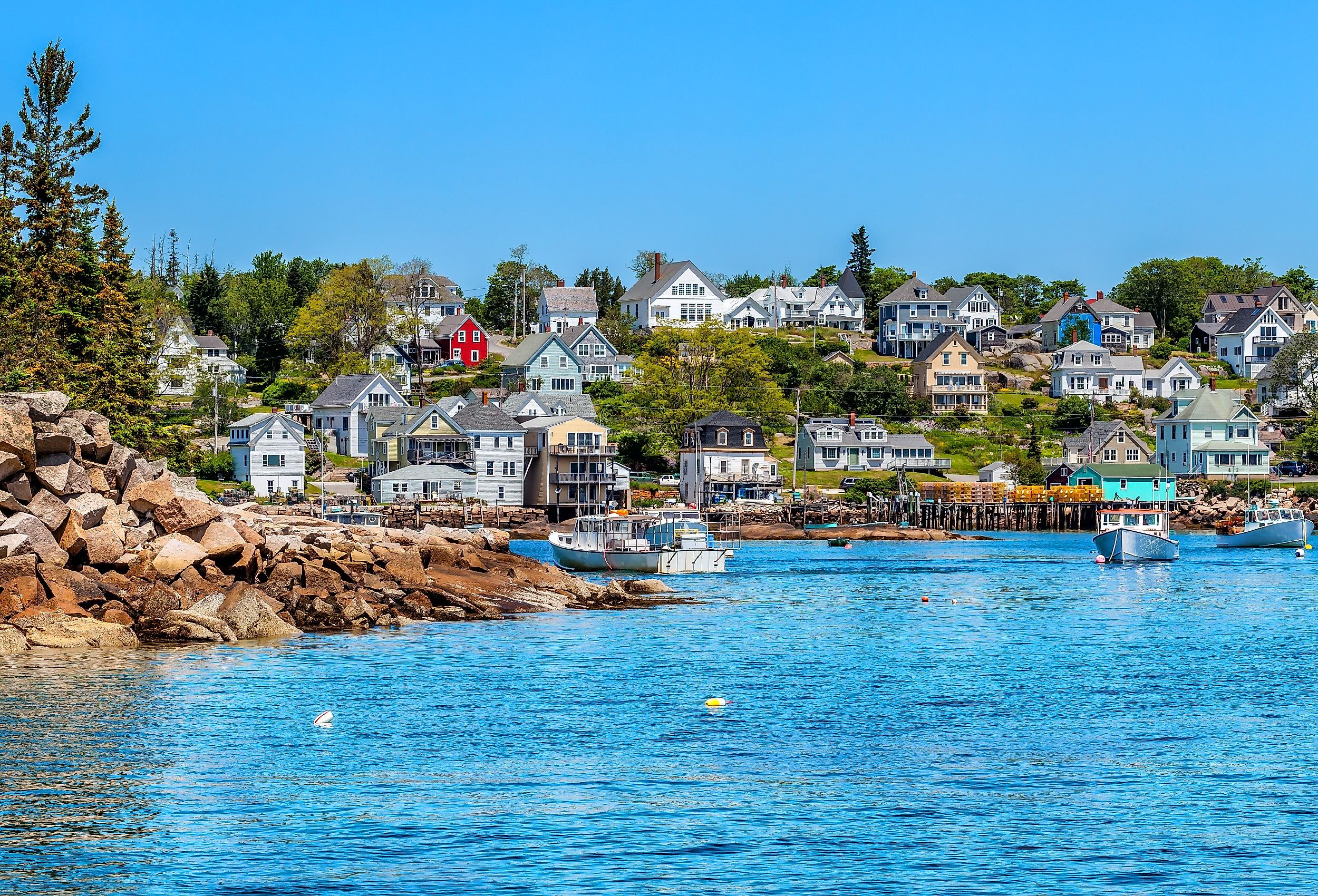
Maine's coast draws the crowds to Bar Harbor and Old Orchard Beach, while these eight towns stay quiet. In Lubec you can stand at the easternmost point in the country and watch the first US sunrise mostly alone. Stonington is a working lobster harbor of about 1,000 people, not a postcard built for tourists. Damariscotta serves some of the best oysters in Maine straight from the river out front. Castine hides Revolutionary forts down elm-shaded streets that rarely see a tour bus. Some sit far Down East, others deep inland. Each one rewards the drive it takes to reach it.
Castine

This small peninsula was once contested by four nations: the French, Dutch, British, and Americans. The town now rests quietly at the meeting of the Penobscot and Bagaduce Rivers, its history well preserved. Georgian and Federal homes line the canopied streets, and a single block can carry you past four eras of early American building.
Fort George, a hilltop earthwork built during the American Revolutionary War, is Castine's best-known landmark. It anchored British defense of the peninsula and now sits in a seven-acre state-owned park open for visits. Nearby stands the 1763 John Perkins House, the oldest residence in town and a strong example of Georgian architecture; it sheltered the British during the war. Next door, the Wilson Museum displays antiques and artifacts gathered from around the world. For an overnight stay, the Pentagoet Inn and Pub on Main Street offers Queen Anne Victorian rooms and welcomes pets.
Bethel

Travelers hurrying to the ski slopes tend to drive straight through this western Maine mountain village, missing more than 200 years of history. The downtown gathers around a three-acre green, Bethel Hill Common, ringed by historic buildings. Among them is the Dr. Moses Mason House, named for the town's respected physician. Built in 1813, it is one of the finest Federal-style homes in western Maine and remains one of Bethel's most recognizable buildings.
Step inside the Mason House and you'll find hand-painted wall murals from the 1830s in the Rufus Porter style, attributed to his nephew Jonathan D. Poor. Just down the street, Gould Academy has served the community since 1836, offering private education for grades nine through twelve alongside competitive athletics. For skiers, Sunday River Resort spreads across eight interconnected peaks with more than 130 trails. Summer visitors ride the scenic chairlifts or hike the slopes before the snow returns.
Lubec

At the peak of the Sardine Boom in the 1920s, more than 20 canneries packed herring along Lubec's waterfront. McCurdy's Smokehouse opened in the 1890s and ran until 1991, when it closed as the last commercial herring smokehouse in the United States. Today it operates as a museum, and a tour of the Skinning and Packing Shed walks you through how herring were pickled, smoked, and packed in the traditional European method. The town's far-eastern position makes it the spot to catch the first sunrise in the U.S.
For outdoor lovers, Quoddy Head State Park spans 541 acres with about five miles of trails and wide views across the Quoddy Channel, which divides Canada and the United States. The park's highlight is the West Quoddy Head Light. The current red-and-white-striped brick tower dates to 1858 and replaced an earlier light first built in 1808 to guide ships through the narrows. Watchers along the cliffs often spot finback whales offshore and long-tailed ducks riding the swells.
Stonington

This is one of the top lobster ports in Maine, with the local fleet landing about $49 million worth of lobster in 2025. It's a working harbor where the smell of bait barrels and the rumble of diesel engines start before sunrise. Roughly 1,000 people live here, on the southern tip of Deer Isle, reached by crossing the Deer Isle Bridge.
Stonington has built a quiet arts scene over the years. The Stonington Opera House has staged more than two decades of plays, concerts, and community events. The town's other defining material is granite. Pink stone quarried on Crotch Island, just off the harbor, went into landmarks such as the approaches to the Brooklyn Bridge and the John F. Kennedy memorial at Arlington National Cemetery. At Settlement Quarry Preserve, a two-mile trail offers sweeping views of Webb Cove and passes scattered remnants of the island's quarrying past.
Damariscotta

Damariscotta produces around 80% of Maine's prized oysters, pulled from the river that shares its name. The estuary's mix of salinity and tide makes near-perfect oyster habitat, and the surrounding landscape is its own draw. For the arts, the 1875 Lincoln Theater hosts live performances, films, and educational programs. You can also visit the Whaleback Shell Midden State Historic Site, where heaps of discarded oyster shells, or middens, built up over a thousand years and now rank among the largest archaeological features of their kind in the region.
Centuries of local history live inside the Chapman-Hall House, which honors the Chapman family who built it in 1754 and the Hall family who lived there until 1907. It is one of the oldest houses in Damariscotta. Each October the town fills up for the Damariscotta Pumpkinfest & Regatta, with giant pumpkin displays, pumpkin decorating, and t-shirt design contests.
Searsport

Small as it is, Searsport sent an outsized number of men to sea. By the late 19th century more than 300 captains born here commanded ships worldwide, about 10% of all American merchant ship captains. Downtown Main Street is lined with mansions that have become inns or private homes. The Penobscot Marine Museum, Maine's oldest, tells that maritime story across a village of historic buildings, with hands-on exhibits for kids.
Searsport sits beside Sears Island, one of the largest undeveloped islands on the East Coast at 940 acres, laced with biking and walking trails and views of Penobscot Bay on every side. Native people once used the island as a base for hunting and gathering. To get closer to the water, head to Mosman Park, dedicated to those who served in World War I. Families come for the picnic tables, the soccer and softball fields, and the playgrounds.
Bridgton

Bridgton is home to Pleasant Mountain Ski Area, the oldest major ski area in Maine, with more than 40 trails. About half of them are lit for night skiing, drawing skiers who aren't ready to call it a day. The mountain overlooks Moose Pond and the wider Lakes Region, adding long views to its outdoor appeal.
For more green space, cross Main Street on a footbridge into Pondicherry Park and follow the streams past beavers and salamanders. The park holds more than 60 acres of forest, wetland, and walking trails right beside downtown. To trace the town's creative side, visit the Rufus Porter Museum of Art and Ingenuity, named for the artist and inventor, where exhibits and hands-on programs connect art with invention.
Hallowell

Historic streets define this small town of about 2,600 residents. By the 1830s the riverfront strip already held 71 stores, and it now forms the core of a 260-acre historic district with more than 400 buildings on the National Register of Historic Places. Shoppers should stop into the Hallowell Antique Mall, the largest antique store in town, with over 30 vendors and thousands of items. Just up the hill, the Hubbard Free Library offers computers, a deep collection, and weekly children's reading programs.
Hallowell sits right on the Kennebec River, and its natural side suits the historic one. The best place to take in both is the Vaughan Woods & Historic Homestead, with homes and gardens passed down through generations, history talks, and trails through the restored landscape. In summer the town throws its annual Old Hallowell Day, with road races, bake-offs, and fireworks.
Find These Gems In Maine
Many American towns have shed their identity over the past century, but these eight held onto theirs. Bait still scents the harbors, restored captains' houses still stand, and antique shops still trade on the local past. A trip through them is a trip through Maine's working memory.